Sorrel
rumex acetosa
Also known as: ["Common Sorrel","Garden Sorrel","Sheep’s Sorrel"]
Overview
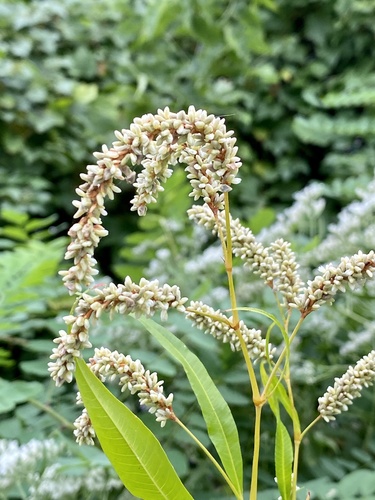
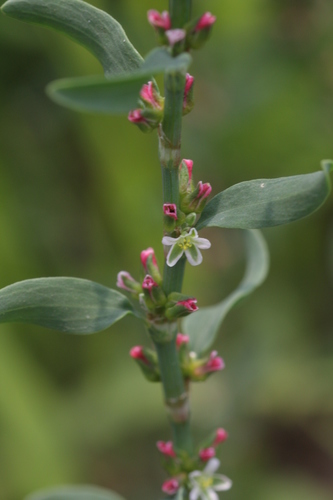
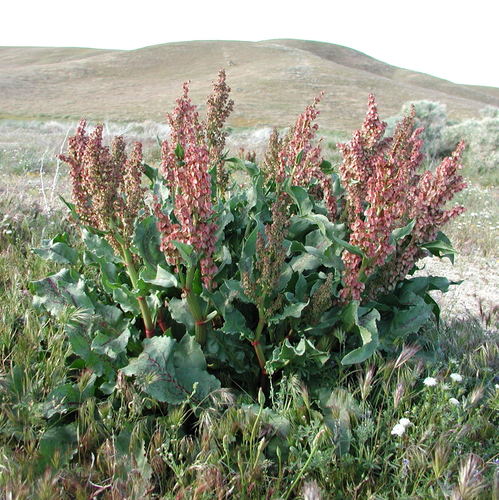
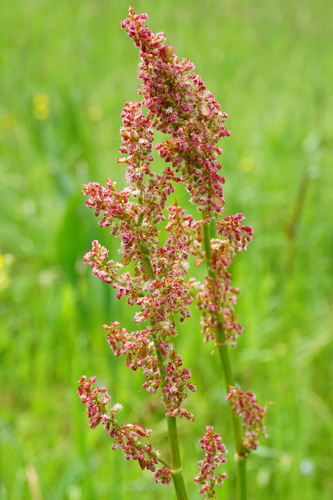
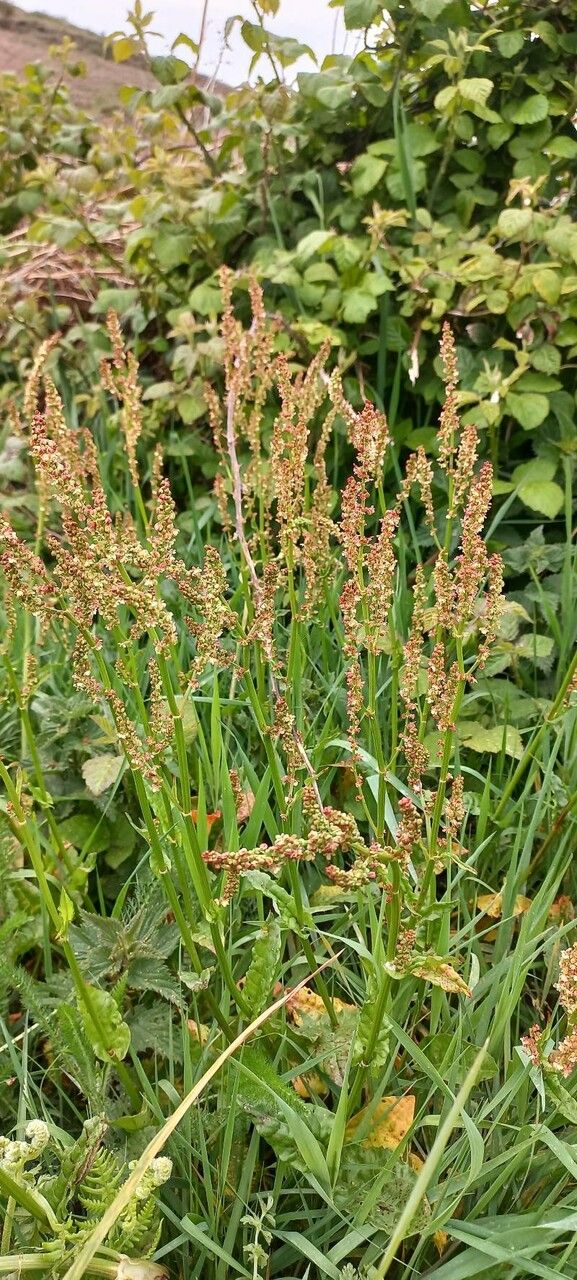
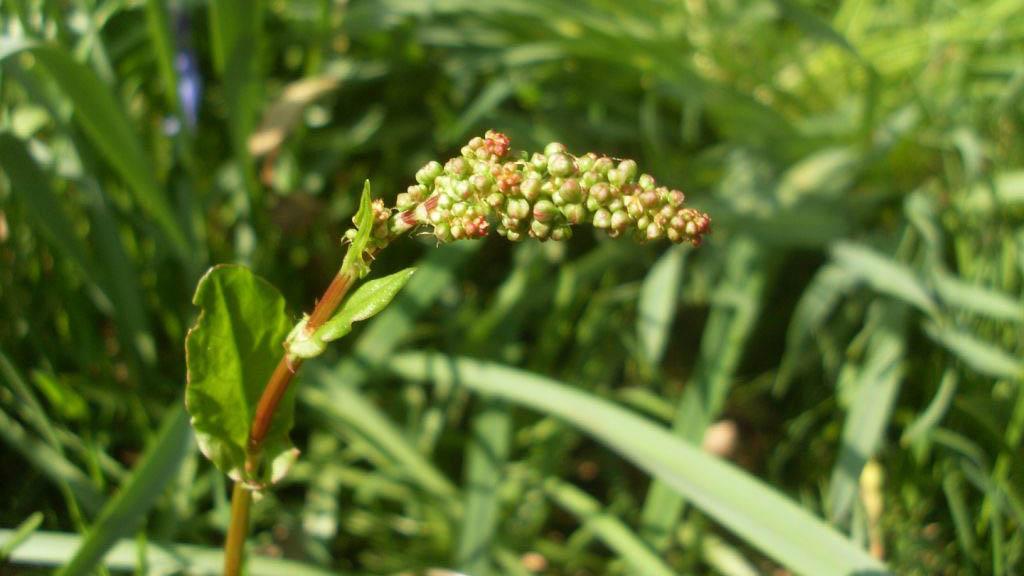
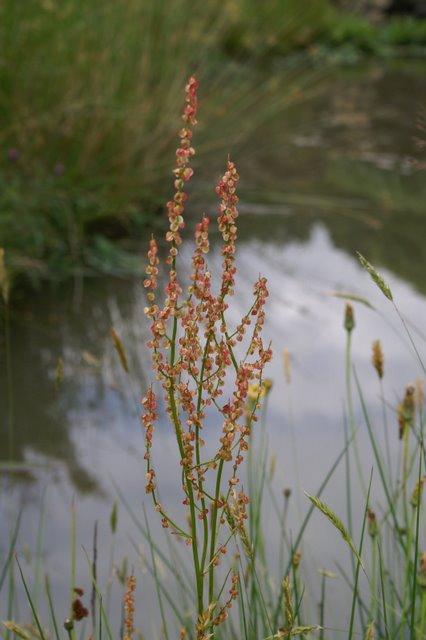
A perennial herbaceous plant with arrow-shaped leaves and small greenish flowers, known for its tart, lemony flavor.
Benefits & Perks
["edible fruits","culinary herb","aesthetic foliage","drought tolerant"]
Botanical Classification
| Phylum: | Magnoliophyta |
| Class: | Magnoliopsida |
| Order: | Caryophyllales |
| Family: | Polygonaceae |
| Genus: | Rumex |
| Botanical Name: | Rumex acetosa |
Plant Characteristics
Basic Information
- Category: Herbs & Weeds
- Suitable Location: garden bed or container in partial shade
- Suitable For:
- Is Weed: No
- Allergenicity: low
Environmental Needs
- Climate: {"temperatureRange":"5–30°C"}
- Hardiness: {"zones":"3–8"}
- Misting: rarely required
- Drainage: Moderately well-draining; avoid heavy clay soils that retain too much water.
- Soil Type: Rich, well-draining, slightly acidic soil with organic matter like compost.
Maintenance Level
- Maintenance Level: low
- Toughness Level: moderate
- Pruning Frequency: As needed, typically every 4–6 weeks during the growing season; remove flower stalks after blooming.
- Pruning Intensity: Light to moderate; focus on removing dead or leggy growth without drastically reducing foliage.
Care Details
Ideal Sunlight Coverage:
Bright indirect light or partial shade; 4–6 hours of sunlight per day; protect from intense midday sun.
Sunlight Tolerance Tips:
Acclimate plants gradually to outdoor sunlight; avoid sudden exposure to intense light; provide shade during peak sun hours for indoor plants.
Care Requirements
Care Difficulty
easymoderate
Sunlight
partial shade to full sun
Rotate plant weekly for even growth; use sheer curtains to filter direct sunlight; place in east-facing windows for gentle morning light.
Watering
every 5–7 days during active growth, reduce in winter
Water thoroughly but infrequently to encourage deep roots; ensure soil dries slightly between waterings; avoid waterlogging.
Soil
moist, fertile, slightly acidic loam
pH: Slightly acidic to neutral (pH 6.0–7.0).
Use a soil mix with good aeration; avoid compacted soil; test pH periodically; amend as needed.
Temperature
Prefers cool to moderate temperatures (60–75°F or 15–24°C); tolerates cooler nights; avoid extreme heat.
Avoid placing near drafty windows or heat vents; maintain consistent temperatures; monitor for signs of stress.
Fertilizing
every 4–6 weeks during growing season
Fertilize after watering to prevent root burn; flush soil occasionally to prevent salt buildup; use organic options like compost tea for gentle feeding.
Propagation
Methods
Stem cuttings or division; stem cuttings are more common for home growers.
Step-by-Step Propagation Guide
- Take a 4–6 inch cutting below a leaf node.
- Remove lower leaves.
- Dip in rooting hormone (optional).
- Plant in moist medium.
- Keep warm and humid.
Best Time: Spring or early summer when the plant is actively growing.
Environment
Warm, humid environment with indirect light; maintain consistent moisture.
Medium
Well-draining potting mix with perlite or sand; can also root in water initially.
Hormone
Rooting hormone is optional but recommended for faster rooting.
Timeline
Roots typically form in 2–4 weeks; new growth may appear in 4–6 weeks.
Tools Needed
Pruning shears, rooting hormone, small pots, well-draining soil mix, plastic wrap or propagator.
Quick Tips
Use sharp, clean tools to prevent disease; maintain high humidity by covering with plastic wrap; change water regularly if rooting in water.
Pruning & Repotting
Pruning Guide
Method
Pinch back tips to encourage branching; cut flower stalks at the base after flowering.
Pruning Plan
Prune to maintain shape, encourage bushier growth, and remove spent flower stalks to promote new growth.
Tools
Pruning shears, sharp scissors, gloves.
Checklist
Sterilize tools before use; prune in early morning or evening; remove dead or diseased parts first; avoid over-pruning.
Repotting Guide
Best Season
Spring, before the growing season begins.
Pot Size
Choose a pot one size larger (1–2 inches wider in diameter) than the current one.
Method
Remove plant gently; trim any circling roots; place in a new pot with fresh soil; water thoroughly after repotting.
Suggestions
Repot every 1–2 years or when roots fill the pot; beneficial for nutrient replenishment and root health.
Checklist
Select appropriate pot size; prepare fresh soil mix; water plant a day before repotting; handle roots carefully.
Advanced Care Tips
Watering Mastery
Watering Checklist
Check soil moisture before watering; water early in the day; ensure proper drainage; adjust frequency based on weather.
How to Apply Water Properly
Water at the base of the plant, focusing on the root zone; apply until water begins to drain from the bottom; water in the morning to reduce evaporation and fungal risk.
Watering Schedule Tips
Water deeply once the top inch of soil feels dry; increase frequency in hot, dry periods; reduce in winter to prevent root rot.
Soil Improvement
Add compost or well-rotted manure to improve fertility and structure; mix in perlite or sand for better drainage.
Temperature Stress Management
Signs of Temperature Issues
Wilting, yellowing leaves, stunted growth, or leaf drop in extreme heat; browning leaf edges in cold stress.
Cold Stress
Slows growth, may cause leaf discoloration, and can lead to root damage if temperatures drop below 50°F (10°C).
Solution: Move potted plants indoors or to a sheltered location; use frost cloth for outdoor plants; ensure soil does not freeze.
Hot Stress
Leaves may scorch, wilt, or drop; growth may slow; increased water demand to prevent dehydration.
Solution: Provide shade during peak heat; increase watering frequency; use mulch to retain soil moisture; improve air circulation.
Fertilizing Guide
Fertilizing Checklist
Check fertilizer label for NPK ratio; dilute correctly; apply during active growth; avoid over-fertilizing.
Fertilizing Method
Use a balanced liquid fertilizer diluted to half strength; apply every 4–6 weeks during the growing season (spring and summer); avoid fertilizing in fall and winter.
Common Problems & Solutions
Toxicity Warning
Cats
Slightly ToxicCats are also susceptible to the oxalic acid in Rumex acetosa, which can cause mild gastrointestinal distress. Prolonged or excessive ingestion may pose a risk to their health, particularly for those with existing kidney problems.
⚠️ Symptoms:
🌿 Toxic Parts:
⚡ Toxic If:
if eaten
Dogs
Slightly ToxicDogs may experience mild gastrointestinal upset due to the oxalic acid content in Rumex acetosa. While not highly toxic, excessive consumption can lead to discomfort or more severe issues in sensitive individuals.
⚠️ Symptoms:
🌿 Toxic Parts:
⚡ Toxic If:
if eaten
Humans
Slightly ToxicRumex acetosa, commonly known as sorrel, contains oxalic acid which can interfere with calcium absorption and may lead to kidney stones or other health issues if consumed in large quantities. The plant is generally safe in moderation but can be problematic for individuals with pre-existing kidney conditions.
⚠️ Symptoms:
🌿 Toxic Parts:
⚡ Toxic If:
if eaten
Frequently Asked Questions
Q: Is sorrel safe to eat?
A: Yes, sorrel is edible and commonly used in culinary dishes for its tart flavor, but consume in moderation due to oxalic acid content.
Q: How do I grow sorrel?
A: Plant sorrel in well-drained soil with full sun to partial shade; it is drought-tolerant and requires minimal care once established.
Q: Does sorrel attract wildlife?
A: Sorrel can attract some pollinators, but it is not a primary wildlife attractant like many flowering plants.
Quick Reference

| Family: | Polygonaceae |
| Care: | easy |
| Light: | partial shade to full sun |
| Water: | every 5–7 days during active |
Get Expert Care Tips
Download the Plantious app for personalized care reminders and plant identification!
Google Play App Store