Cypress-leaved Plaitmoss
hypnum cupressiforme
Also known as: ["Hypnum plumaeforme","Hypnum cupressiforme var. cupressiforme"]
Overview
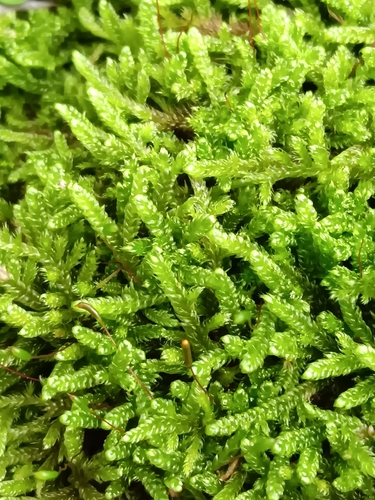
A common moss species with feathery, cypress-like foliage, often found in damp, shaded environments.
Benefits & Perks
["drought tolerant","shade tolerant","wildlife attractant (bees, butterflies, birds)"]
Botanical Classification
| Phylum: | Bryophyta |
| Class: | Bryopsida |
| Order: | Hypnales |
| Family: | Hypnaceae |
| Genus: | Hypnum |
| Botanical Name: | Hypnum cupressiforme |
Plant Characteristics
Basic Information
- Category: Leaf Plants
- Suitable Location: moist, shaded rockeries or garden walls
- Suitable For:
- Is Weed: No
- Allergenicity: low
Environmental Needs
- Climate: {"temperatureRange":"0–30°C"}
- Hardiness: {"zones":"3–8"}
- Misting: every 2–3 days
- Drainage: Well-draining but moisture-retentive.
- Soil Type: Mossy or peat-based mix with good organic content and some perlite for aeration.
Maintenance Level
- Maintenance Level: very low
- Toughness Level: very high
- Pruning Frequency: As needed, typically every 6–12 months or when dead material accumulates.
- Pruning Intensity: Light pruning; focus on removing unsightly parts without altering the plant's form.
Care Details
Ideal Sunlight Coverage:
Bright indirect light or partial shade; 4–6 hours of filtered sunlight per day.
Sunlight Tolerance Tips:
Acclimate gradually to direct light; avoid prolonged exposure to intense midday sun; place in shaded areas outdoors or north-facing windows indoors.
Care Requirements
Care Difficulty
very easyeasy
Sunlight
partial shade
Avoid direct afternoon sun; provide dappled light; rotate plant for even growth.
Watering
every 7–10 days
Water thoroughly but allow drainage; avoid waterlogging; maintain consistent moisture in growing season.
Soil
moist, acidic, well-drained soil
pH: Slightly acidic to neutral (pH 5.5–7.0).
Use a mix with good organic matter; ensure drainage; maintain consistent moisture.
Temperature
Cool to moderate temperatures, ideally 50–70°F (10–21°C); tolerates mild frosts but prefers stable conditions.
Avoid sudden temperature swings; protect from drafts; maintain stable cool conditions.
Fertilizing
rarely required
Dilute fertilizer to prevent burning; apply to moist soil; flush soil occasionally to prevent salt buildup.
Propagation
Methods
Division or spore propagation; division is more reliable for home growers.
Step-by-Step Propagation Guide
- Divide clumps into smaller sections, ensure each has roots.
- Plant in prepared medium.
- Keep moist and shaded.
Best Time: Spring or early summer when the plant is actively growing.
Environment
High humidity (70–90%), indirect light, and consistent temperatures around 60–70°F (15–21°C).
Medium
Mossy soil mix with perlite for drainage; peat-based medium can also be used.
Hormone
Not required for division; spore propagation benefits from a sterile environment.
Timeline
Division: immediate establishment; spores: 2–4 months for germination, 6–12 months to mature.
Tools Needed
Sharp knife, sterile potting mix, spray bottle, plastic bag (for humidity).
Quick Tips
Divide in early growth phase; keep new divisions consistently moist; use a humidity dome for spores.
Pruning & Repotting
Pruning Guide
Method
Gentle hand-pulling of dead sections or careful trimming with scissors.
Pruning Plan
Minimal pruning needed; remove dead or discolored sections to maintain appearance and health.
Tools
Fine-tipped scissors, tweezers, or fingers for delicate removal.
Checklist
Identify dead material, remove gently, avoid over-pruning, clean tools afterward.
Repotting Guide
Best Season
Spring, when the plant is entering its active growth phase.
Pot Size
Use a pot only slightly larger than the current one; ensure good drainage holes.
Method
Carefully remove the moss, trim any dead roots, replant in fresh, well-draining medium, and water lightly.
Suggestions
Repot only if the moss becomes overcrowded or the medium decomposes; every 2–3 years is typical.
Checklist
Prepare new pot, gently remove moss, trim if needed, replant, water lightly, place in shade temporarily.
Advanced Care Tips
Watering Mastery
Watering Checklist
Check soil moisture, water thoroughly, ensure drainage, adjust for season.
How to Apply Water Properly
Water at the base of the plant, ensuring even saturation of the root zone; allow excess water to drain away; water in the morning to reduce evaporation.
Watering Schedule Tips
Water when the top inch of soil feels dry; reduce frequency in winter to prevent root rot.
Soil Improvement
Add perlite or sand for drainage; incorporate peat moss for moisture retention; ensure aeration by avoiding compacted soil.
Temperature Stress Management
Signs of Temperature Issues
Wilting, browning tips, or cessation of growth in extreme heat or cold.
Cold Stress
Slows growth and can cause tissue damage if temperatures drop below freezing for extended periods.
Solution: Protect from frost with a frost cloth; move indoors during hard freezes; ensure good air circulation to prevent mold.
Hot Stress
Can lead to dehydration, browning, or desiccation if exposed to excessive heat or direct sun.
Solution: Provide shade during peak heat; increase humidity; water more frequently but avoid waterlogging.
Fertilizing Guide
Fertilizing Checklist
Dilute fertilizer, apply to moist soil, avoid winter feeding, flush periodically.
Fertilizing Method
Use a diluted liquid fertilizer (quarter strength) every 4–6 weeks during growing season; avoid fertilizing in winter.
Common Problems & Solutions
Toxicity Warning
Cats
Non-toxicHypnum cupressiforme is not toxic to cats. It does not pose a risk of poisoning or irritation upon ingestion or contact.
⚡ Toxic If:
Generally not applicable
Dogs
Non-toxicHypnum cupressiforme is not toxic to dogs. There are no documented cases of adverse effects from ingestion or contact with this moss.
⚡ Toxic If:
Generally not applicable
Humans
Non-toxicHypnum cupressiforme, commonly known as hanging moss or tree moss, is not considered toxic to humans. It has no known adverse physiological effects when handled or ingested in typical amounts.
⚡ Toxic If:
Generally not applicable
Frequently Asked Questions
Q: Is Hypnum cupressiforme safe for pets?
A: Yes, it is non-toxic to dogs and cats.
Q: How should I care for Hypnum cupressiforme?
A: It requires minimal care, thriving in damp, shaded areas with little maintenance.
Q: Can Hypnum cupressiforme be used in landscaping?
A: Yes, it is often used in rock gardens and as ground cover in shaded areas.
Quick Reference
| Family: | Hypnaceae |
| Care: | very easy |
| Light: | partial shade |
| Water: | every 7–10 days |
Get Expert Care Tips
Download the Plantious app for personalized care reminders and plant identification!
Google Play App Store