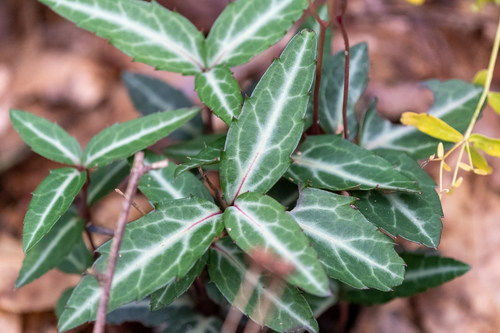
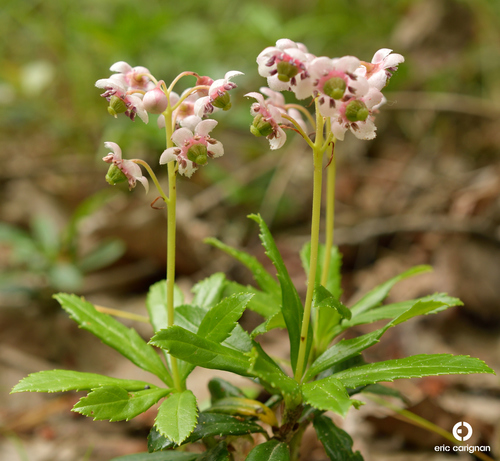
Small Wintergreen
pyrola chlorantha
Also known as: ["Chloranthus Pyrola","Lesser Wintergreen"]
Overview
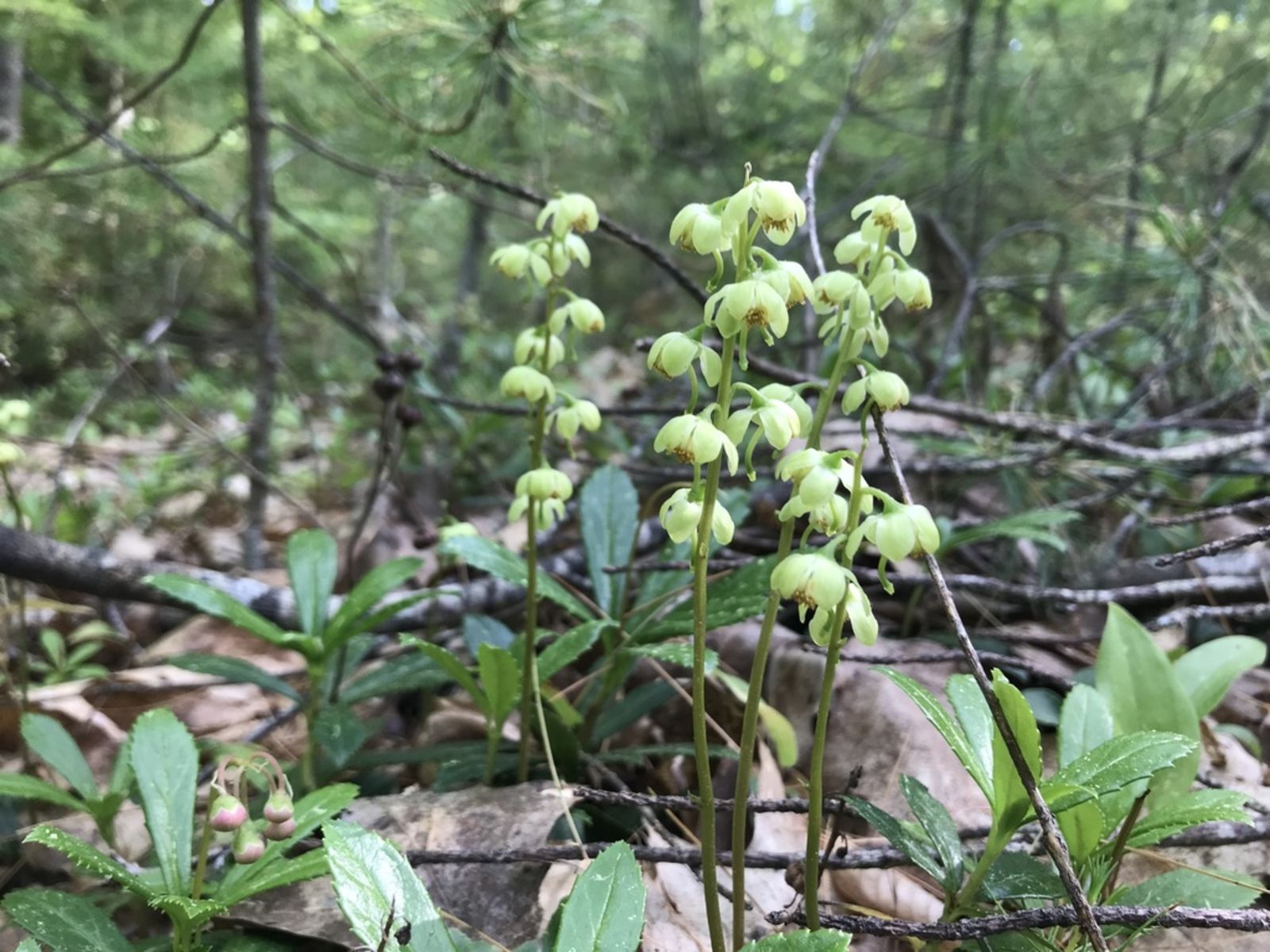
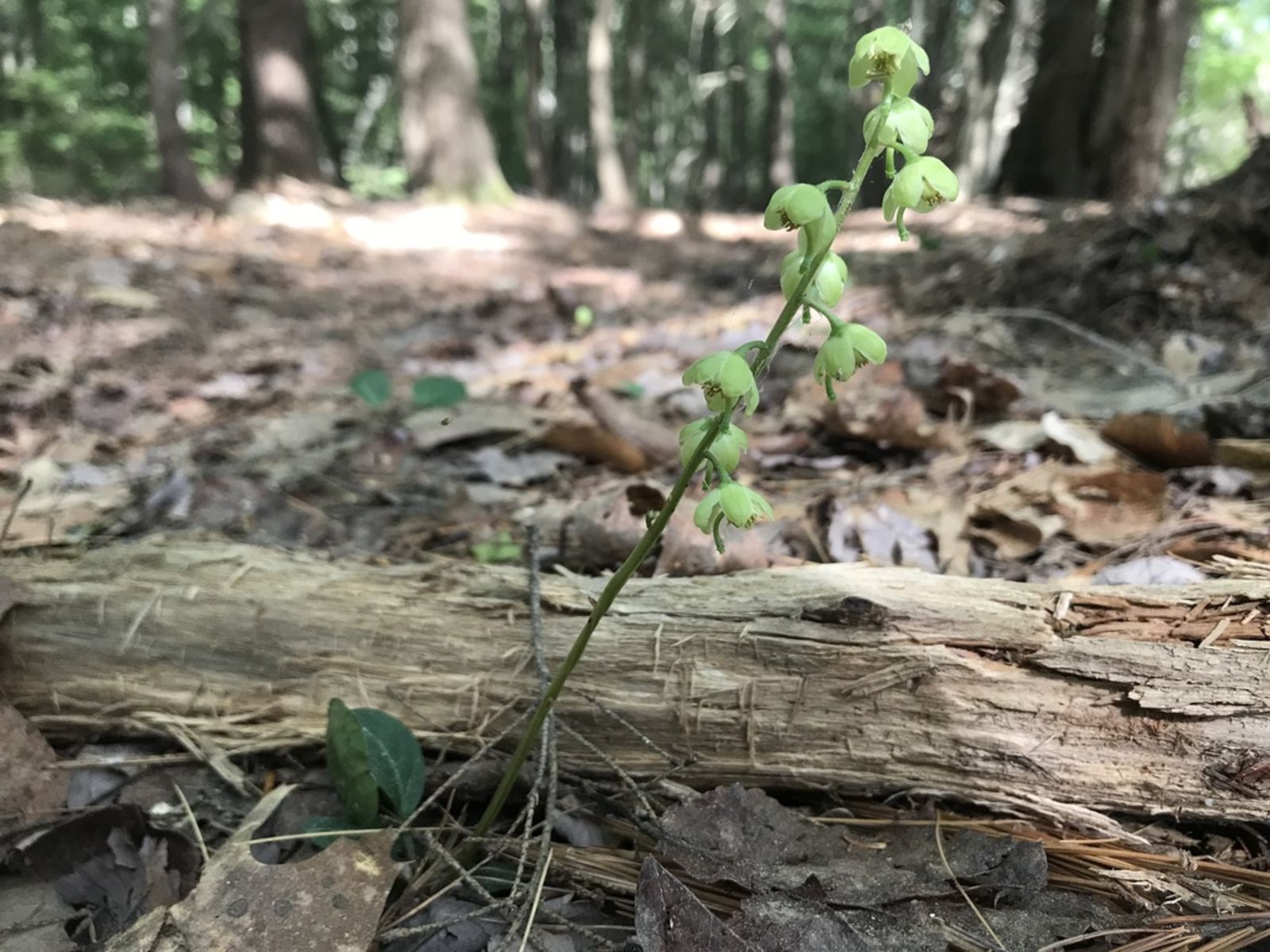
A small, evergreen herbaceous plant with nodding white flowers and glossy, dark green leaves.
Benefits & Perks
["wildlife attractant (bees, butterflies, birds)","shade tolerant"]
Botanical Classification
| Phylum: | Magnoliophyta |
| Class: | Magnoliopsida |
| Order: | Ericales |
| Family: | Pyrolaceae |
| Genus: | Pyrola |
| Botanical Name: | Pyrola chlorantha |
Plant Characteristics
Basic Information
- Category: Flowers
- Suitable Location: woodland garden or shaded, protected area
- Suitable For:
- Is Weed: No
- Allergenicity: low
Environmental Needs
- Climate: {"temperatureRange":"0–30°C"}
- Hardiness: {"zones":"4–8"}
- Misting: rarely required, only if ambient humidity is very low
- Drainage: Well-draining but moisture-retentive.
- Soil Type: Acidic, humus-rich, well-drained soil; similar to woodland soil conditions.
Maintenance Level
- Maintenance Level: moderate
- Toughness Level: moderate
- Pruning Frequency: As needed, typically in early spring or after flowering.
- Pruning Intensity: Light pruning; remove only dead or yellowing leaves.
Care Details
Ideal Sunlight Coverage:
Partial shade to full shade; 2–4 hours of dappled or morning sunlight is ideal; avoid direct afternoon sun.
Sunlight Tolerance Tips:
Acclimate slowly to brighter light if moving from deep shade; protect from harsh direct sun; ideal for shaded woodland conditions.
Care Requirements
Care Difficulty
moderatemoderate
Sunlight
partial shade to full shade
Use sheer curtains to filter light; place in a north-facing window; mimic forest floor conditions.
Watering
every 7–10 days during active growth, reduce in winter
Maintain consistent moisture without waterlogging; water less in dormancy; ensure good drainage.
Soil
moist, acidic, humus-rich soil
pH: Acidic, pH 4.5–6.0.
Use acidic soil amendments; maintain consistent moisture; avoid heavy clay soils.
Temperature
Cool to moderate temperatures, ideally 50–65°F (10–18°C); prefers cooler conditions during dormancy.
Keep away from heat sources; maintain cool nights; avoid sudden temperature fluctuations.
Fertilizing
rarely required, if used then every 3 months with diluted balanced fertilizer
Dilute fertilizer to half strength; fertilize only when actively growing; avoid contact with roots.
Propagation
Methods
Seed propagation is most common; division of clumps can also be done in early spring.
Step-by-Step Propagation Guide
- Collect seeds or divide clumps.
- Prepare medium.
- Sow seeds or replant divisions.
- Maintain humidity and moisture.
Best Time: Early spring when new growth begins; seeds should be sown as soon as they are ripe.
Environment
Cool, humid conditions with indirect light; maintain consistent moisture for seeds.
Medium
Seed: well-drained, acidic soil mix; Division: same as parent plant soil.
Hormone
Not typically required for seeds; division does not need hormone.
Timeline
Seeds: germination can take several months to a year; Division: establishment in weeks to a few months.
Tools Needed
Seed trays, pruners, gloves, watering can, humidity dome.
Quick Tips
Sow seeds on the surface; keep consistently moist; divisions should be done carefully to avoid root damage.
Pruning & Repotting
Pruning Guide
Method
Snip individual leaves at the base; avoid cutting into healthy growth.
Pruning Plan
Minimal pruning required; focus on removing dead or damaged foliage to maintain plant health.
Tools
Clean, sharp scissors or pruners.
Checklist
Sanitize tools; prune dead/damaged leaves; avoid over-pruning; dispose of clippings properly.
Repotting Guide
Best Season
Early spring before new growth starts.
Pot Size
Use a pot only slightly larger than the current one; increase by 1–2 inches in diameter.
Method
Gently remove the plant; trim any dead roots; repot in fresh, acidic, well-drained soil; ensure good drainage.
Suggestions
Repot only when necessary, as Pyrola prefers being slightly root-bound; typically every 2–3 years.
Checklist
Prepare new pot with drainage holes; use appropriate soil mix; handle roots gently; water after repotting.
Advanced Care Tips
Watering Mastery
Watering Checklist
Check soil moisture before watering; water early in the day; ensure proper drainage; adjust for seasons.
How to Apply Water Properly
Water thoroughly at the root zone until water drains from the bottom, avoiding wetting the foliage. Ensure the soil is evenly moist but not saturated.
Watering Schedule Tips
Water moderately, allowing the soil to dry slightly between waterings. Increase frequency during active growth in spring and summer; reduce in fall and winter.
Soil Improvement
Add peat moss, pine bark, or leaf mold to increase acidity and organic matter; ensure good aeration.
Temperature Stress Management
Signs of Temperature Issues
Wilting, leaf drop, or cessation of growth in excessive heat; browning leaf edges in cold stress.
Cold Stress
Low temperatures can slow growth or cause root damage; frost can be lethal.
Solution: Protect from frost; ensure good air circulation; avoid placing near cold drafts or windows in winter.
Hot Stress
Excessive heat can lead to wilting, leaf scorch, or dormancy.
Solution: Provide shade; increase humidity; water more frequently but avoid waterlogging.
Fertilizing Guide
Fertilizing Checklist
Use diluted fertilizer; apply during growing season; avoid dormant periods; rinse soil occasionally.
Fertilizing Method
Use a balanced, diluted liquid fertilizer monthly during active growth (spring and summer); avoid fertilizing in fall and winter.
Common Problems & Solutions
Toxicity Warning
Cats
Non-toxicPyrola chlorantha is not known to be toxic to cats. There are no documented cases or studies indicating adverse effects from exposure or ingestion.
⚡ Toxic If:
Generally not applicable
Dogs
Non-toxicPyrola chlorantha is not known to be toxic to dogs. There are no documented cases or studies indicating adverse effects from exposure or ingestion.
⚡ Toxic If:
Generally not applicable
Humans
Non-toxicPyrola chlorantha is not known to exhibit toxic properties to humans under normal circumstances. It is not documented as a source of any significant physiological effects or toxicity.
⚡ Toxic If:
Generally not applicable
Frequently Asked Questions
Q: Is Pyrola chlorantha toxic to pets?
A: There is insufficient data on its toxicity to pets.
Q: Where does Pyrola chlorantha grow best?
A: It thrives in shaded, moist, acidic soils, often in boreal or montane forests.
Q: Does Pyrola chlorantha have any medicinal uses?
A: Traditional uses are limited, but it belongs to a genus with some historical medicinal applications.
Quick Reference
| Family: | Pyrolaceae |
| Care: | moderate |
| Light: | partial shade to full shade |
| Water: | every 7–10 days during activ |
Get Expert Care Tips
Download the Plantious app for personalized care reminders and plant identification!
Google Play App Store