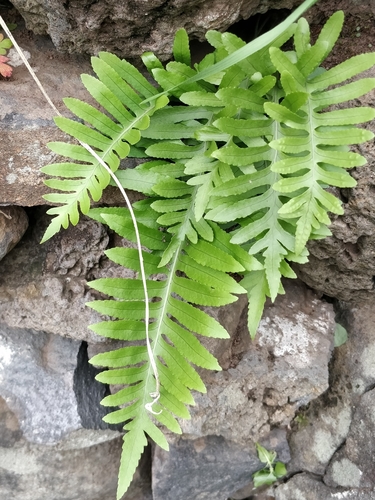
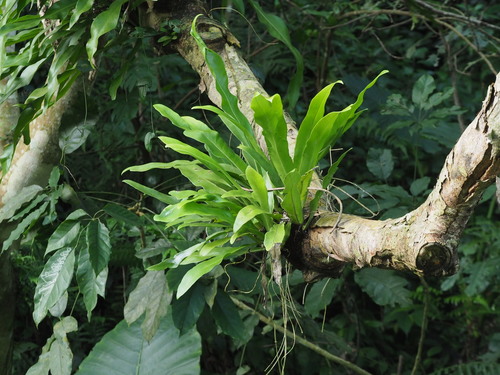
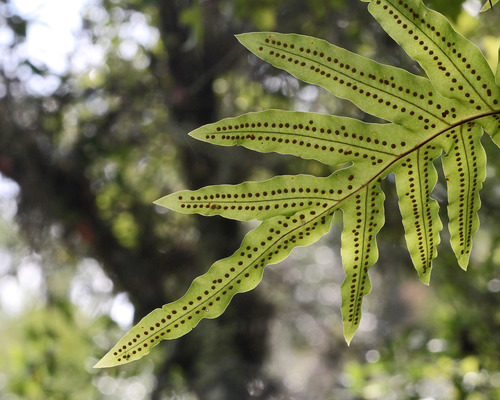
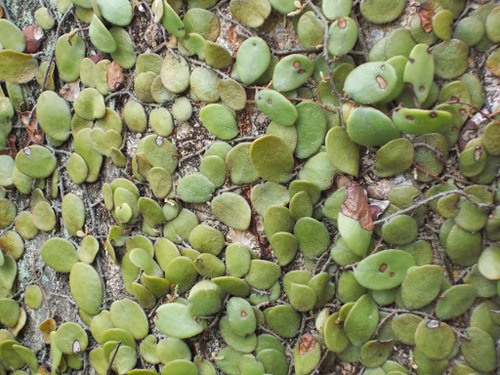
Elkhorn Fern
platycerium alcicorne
Also known as: ["Staghorn Fern","Elkhorn Fern"]
Overview
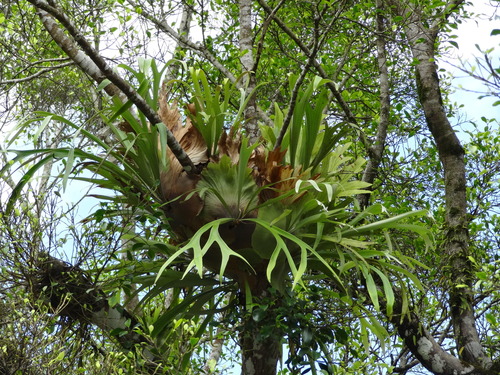
A unique epiphytic fern with bifurcated fronds resembling elk horns, native to tropical regions.
Benefits & Perks
["aesthetic foliage","shade tolerant","rare/collector’s item"]
Botanical Classification
| Phylum: | Tracheophyta |
| Class: | Polypodiopsida |
| Order: | Polypodiales |
| Family: | Polypodiaceae |
| Genus: | Platycerium |
| Botanical Name: | Platycerium alcicorne |
Plant Characteristics
Basic Information
- Category: Leaf Plants
- Suitable Location: mounted on a wooden board or grown in a hanging basket with good air circulation
- Suitable For:
- Is Weed: No
- Allergenicity: low
Environmental Needs
- Climate: {"temperatureRange":"15–30°C"}
- Hardiness: {"zones":"10–12"}
- Misting: every 2–3 days, especially in dry indoor environments to maintain humidity
- Drainage: Fast-draining to prevent waterlogging.
- Soil Type: Epiphytic mix with orchid bark, perlite, and charcoal for good aeration and drainage.
Maintenance Level
- Maintenance Level: moderate
- Toughness Level: moderate
- Pruning Frequency: As needed, typically every 6–12 months or when fronds become unsightly.
- Pruning Intensity: Light to moderate; remove only dead or yellowing fronds unless severe damage occurs.
Care Details
Ideal Sunlight Coverage:
Bright indirect light for 6–8 hours; tolerate some direct morning sun but avoid harsh afternoon sun.
Sunlight Tolerance Tips:
Acclimate gradually to direct light; protect from intense sun to prevent scorching; adjust placement seasonally for light intensity changes.
Care Requirements
Care Difficulty
moderatemoderate
Sunlight
bright, indirect light; tolerates partial shade
Rotate plant for even growth; use sheer curtains to filter strong light; avoid placing near west-facing windows in summer.
Watering
every 7–10 days, allowing soil to dry slightly between waterings
Water early in the day to allow foliage to dry; avoid wetting the rhizome directly; ensure good drainage.
Soil
well-draining, epiphytic mix with orchid bark and sphagnum moss
pH: Slightly acidic to neutral (pH 5.5–6.5).
Use a mix designed for epiphytes; ensure pots have drainage holes; avoid heavy garden soils.
Temperature
Prefers 60–80°F (15–27°C); cooler temperatures (50–60°F) tolerated at night; avoid sudden temperature fluctuations.
Avoid placing near drafty windows; maintain stable temperatures; use a thermometer to monitor conditions.
Fertilizing
every 4–6 weeks during active growth (spring and summer), with a balanced liquid fertilizer diluted to half strength
Apply fertilizer to moist soil to prevent root burn; flush soil occasionally to prevent salt buildup; stop fertilizing in fall.
Propagation
Methods
Spores or division of rhizomes (for mature plants).
Step-by-Step Propagation Guide
- Collect spores when sori turn brown.
- Surface sow on sterile medium.
- Keep moist and warm.
- Or divide rhizomes when mature, repot immediately.
Best Time: Spring or early summer when the plant is actively growing.
Environment
High humidity (70–90%), warm temperatures (70–80°F), indirect light, and consistent moisture.
Medium
Spores: sterile sphagnum moss; division: well-draining potting mix with orchid bark.
Hormone
Not required for division; optional for spore propagation to encourage germination.
Timeline
Spores: 6–12 months to germinate and establish; division: immediate establishment if healthy.
Tools Needed
Pruning shears, sterile knife, spore sieve, humidity dome, pots.
Quick Tips
Use sterile tools to prevent disease; keep spore containers in a warm, dark place until germination; water division sparingly until roots establish.
Pruning & Repotting
Pruning Guide
Method
Cut fronds at the base near the rhizome using clean, sharp tools; avoid cutting into healthy tissue.
Pruning Plan
Remove dead or damaged fronds to maintain appearance and prevent disease spread; focus on sterile fronds to encourage new growth.
Tools
Pruning shears, sharp knife, disinfectant.
Checklist
Inspect fronds, use clean tools, cut at base, dispose of debris, sanitize tools after use
Repotting Guide
Best Season
Spring, when the plant is entering its active growth phase.
Pot Size
One size larger pot (e.g., +2–3 inches in diameter); ensure good drainage holes.
Method
Remove plant gently, trim any dead roots, place in a slightly larger pot with fresh well-draining mix, ensure rhizome sits above soil level.
Suggestions
Repot only when the plant outgrows its container or the soil becomes depleted; typically every 2–3 years.
Checklist
Choose appropriate pot, prepare fresh soil mix, handle rhizome carefully, water lightly after repotting, place in suitable light
Advanced Care Tips
Watering Mastery
Watering Checklist
Check soil moisture, water thoroughly, ensure drainage, avoid rhizome wetting
How to Apply Water Properly
Water the root zone deeply until water drains from the bottom; allow excess to drain completely; avoid standing water.
Watering Schedule Tips
Water thoroughly when the top inch of soil feels dry; reduce frequency in winter to prevent root rot.
Soil Improvement
Add perlite or coarse sand to improve drainage; incorporate orchid bark for aeration; use sphagnum moss for moisture retention.
Temperature Stress Management
Signs of Temperature Issues
Yellowing leaves, stunted growth, bud drop, or browning leaf tips.
Cold Stress
Slows growth, may cause root damage, and increases susceptibility to disease.
Solution: Move to a warmer location, insulate pots, avoid cold drafts, and reduce watering.
Hot Stress
Leaves may wilt, curl, or scorch; growth may slow or stop.
Solution: Provide shade, increase humidity, water more frequently, and ensure good air circulation.
Fertilizing Guide
Fertilizing Checklist
Use diluted fertilizer, apply during growing season, avoid winter feeding, flush soil periodically
Fertilizing Method
Use a balanced liquid fertilizer diluted to half strength every 4–6 weeks during growing season (spring/summer); avoid fertilizing in winter.
Common Problems & Solutions
Toxicity Warning
Cats
Slightly ToxicCats that ingest Platycerium alcicorne may experience mild gastrointestinal irritation. The plant contains compounds that can cause discomfort but are not typically life-threatening.
⚠️ Symptoms:
🌿 Toxic Parts:
⚡ Toxic If:
if eaten
Dogs
Slightly ToxicIngestion of Platycerium alcicorne by dogs may lead to mild gastrointestinal upset due to the presence of irritant compounds. The effects are typically not severe but can cause discomfort.
⚠️ Symptoms:
🌿 Toxic Parts:
⚡ Toxic If:
if eaten
Humans
Slightly ToxicPlatycerium alcicorne contains mild irritants that can cause gastrointestinal discomfort upon ingestion. The physiological impact is generally limited to mild irritation of the digestive tract.
⚠️ Symptoms:
🌿 Toxic Parts:
⚡ Toxic If:
if eaten
Frequently Asked Questions
Q: How do I mount an Elkhorn Fern?
A: Attach the roots to a wooden board or wall using sphagnum moss and fishing line, ensuring good air circulation.
Q: Why are the fronds turning yellow?
A: This may indicate overwatering, poor drainage, or insufficient light.
Q: Can Platycerium alcicorne grow indoors?
A: Yes, with bright indirect light, high humidity, and proper air circulation, it can thrive indoors.
Quick Reference

| Family: | Polypodiaceae |
| Care: | moderate |
| Light: | bright, indirect light; tolera |
| Water: | every 7–10 days, allowing so |
Get Expert Care Tips
Download the Plantious app for personalized care reminders and plant identification!
Google Play App Store