Bladderwort
lemna gibba
Also known as: ["Gibbous Duckweed","Bladder Duckweed"]
Overview
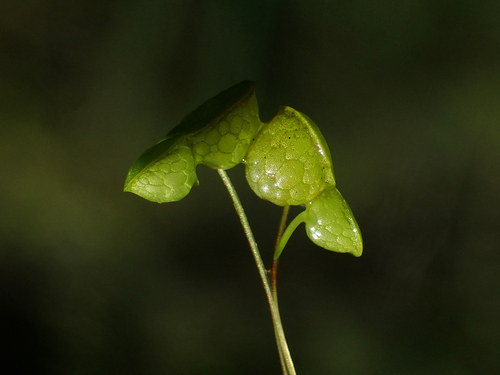
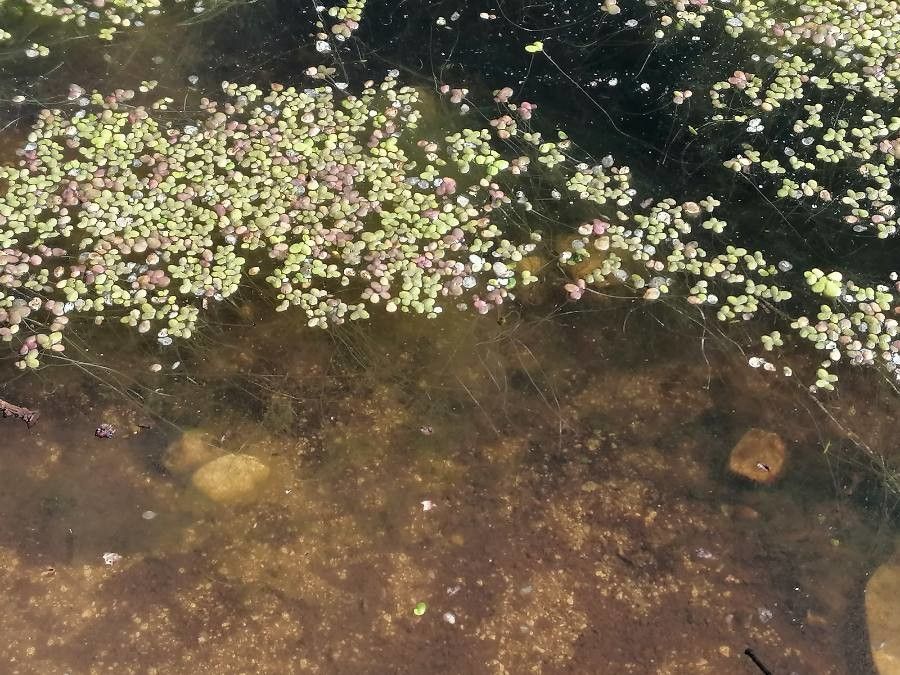
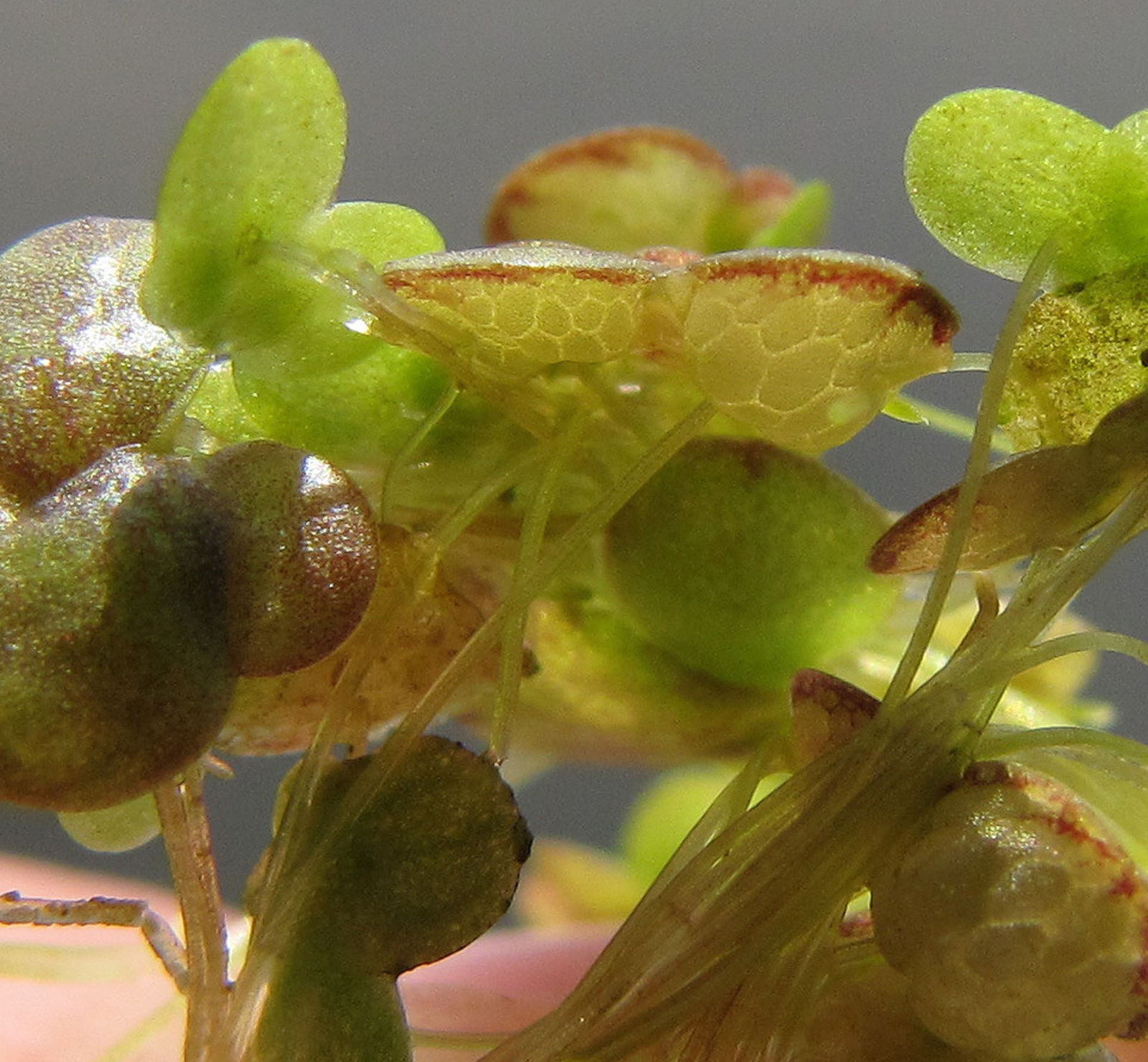
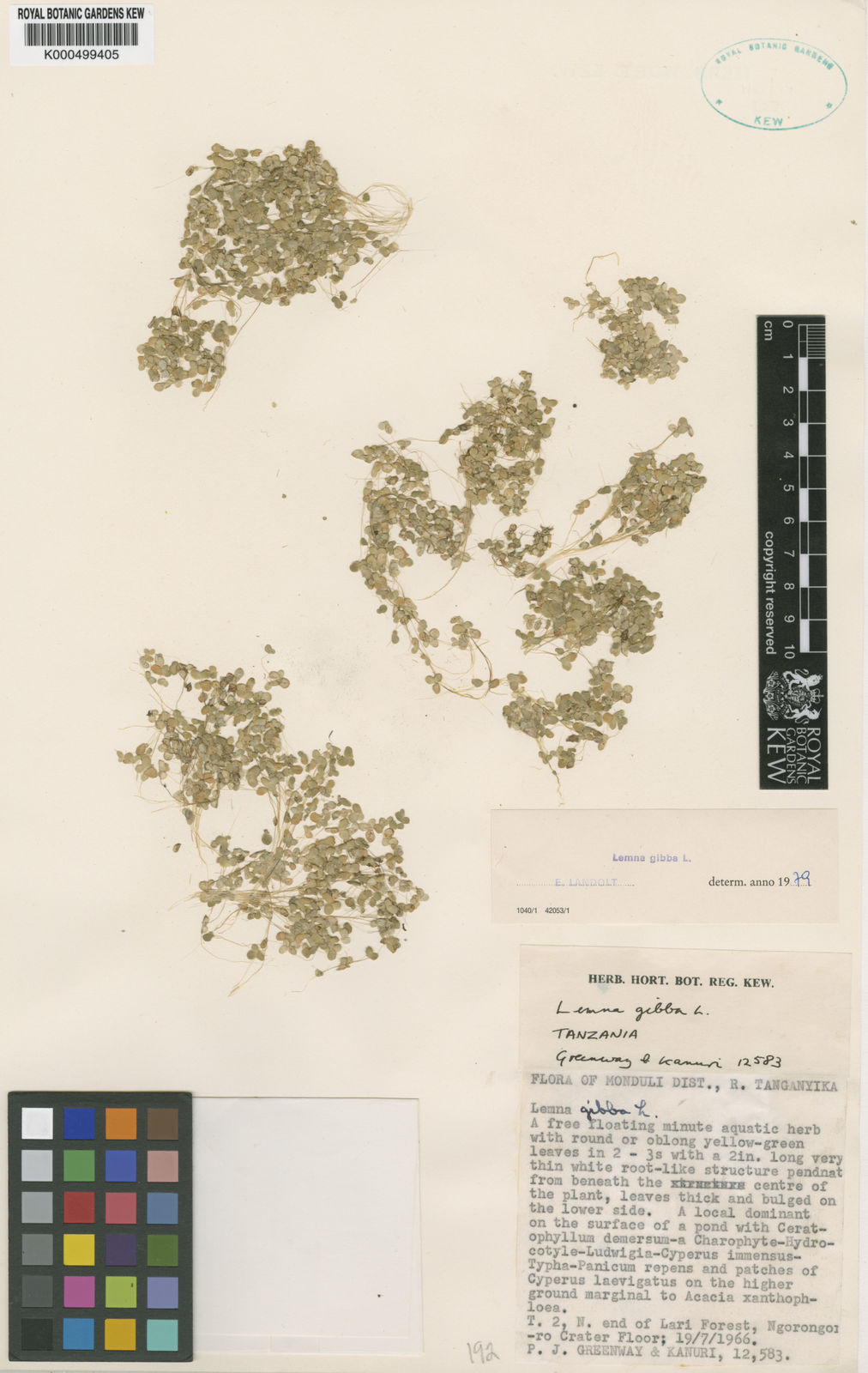
A small, free-floating aquatic plant with a single, swollen frond and a small root-like structure.
Benefits & Perks
["wildlife attractant (bees, butterflies, birds)","disease resistant","low maintenance"]
Botanical Classification
| Phylum: | Magnoliophyta |
| Class: | Liliopsida |
| Order: | Alismatales |
| Family: | Araceae |
| Genus: | Lemna |
| Botanical Name: | Lemna gibba |
Plant Characteristics
Basic Information
- Category: Flowers
- Suitable Location: still or slow-moving freshwater ponds, lakes, or aquariums
- Suitable For:
- Is Weed: No
- Allergenicity: low
Environmental Needs
- Climate: {"temperatureRange":"10–30°C"}
- Hardiness: {"zones":"6–11"}
- Misting: not applicable
- Drainage: Not applicable; thrives in still or slow-moving water.
- Soil Type: Not applicable; grows in water or very moist substrate.
Maintenance Level
- Maintenance Level: very low
- Toughness Level: very high
- Pruning Frequency: As needed, typically every 1–2 months.
- Pruning Intensity: Light; selective removal of damaged or excess fronds.
Care Details
Ideal Sunlight Coverage:
Bright indirect light for 4–6 hours daily; tolerates partial shade but may grow slower.
Sunlight Tolerance Tips:
Acclimate gradually to intense light to prevent bleaching; avoid direct sun to prevent scorching; adjust placement based on seasonal light intensity.
Care Requirements
Care Difficulty
very easyeasy
Sunlight
full sun to partial shade
Rotate container weekly for even growth; use sheer curtains to filter direct sun; monitor for signs of light stress.
Watering
daily in extreme heat, otherwise as needed to maintain water level
Keep substrate perpetually damp; avoid waterlogging by ensuring slight drainage; water early in the day to reduce evaporation.
Soil
not applicable, grows in water
pH: Neutral to slightly acidic (6.0–7.0).
Use distilled or rainwater if possible; avoid chlorinated water; maintain gentle water flow.
Temperature
Prefers 18–24°C (64–75°F); tolerates mild fluctuations but avoids extremes.
Avoid drafty areas; maintain stable temperatures; monitor with a thermometer.
Fertilizing
rarely required, monthly if grown in nutrient-poor water
Apply fertilizer after watering to prevent root burn; flush soil occasionally to prevent salt buildup; avoid over-fertilizing.
Propagation
Methods
Division or fragmentation; easily propagated by separating small clusters.
Step-by-Step Propagation Guide
- Gently separate clusters.
- Place in water or moist substrate.
- Maintain consistent moisture.
Best Time: Spring or early summer when growth is active.
Environment
Warm, humid conditions with indirect light.
Medium
Still or gently flowing water with minimal organic matter.
Hormone
Not required; natural rooting is efficient.
Timeline
Roots and new growth appear within 1–2 weeks.
Tools Needed
Fine-tipped tweezers, small container, clean water.
Quick Tips
Use clean tools to prevent contamination; ensure clusters are not overcrowded; change water weekly.
Pruning & Repotting
Pruning Guide
Method
Gentle hand-picking or snipping with fine scissors.
Pruning Plan
Minimal pruning needed; remove dead or overcrowded fronds to encourage healthy growth.
Tools
Fine scissors, tweezers.
Checklist
Check for dead fronds; remove carefully; avoid damaging healthy tissue.
Repotting Guide
Best Season
Spring, when growth begins.
Pot Size
No size increase needed; focus on thinning rather than repotting.
Method
Gently lift clusters; separate overcrowded sections; replant in fresh water or substrate.
Suggestions
Generally not required; may thin out clusters if overcrowded.
Checklist
Assess density; separate gently; ensure even spacing.
Advanced Care Tips
Watering Mastery
Watering Checklist
Check moisture daily; water lightly if surface feels dry; ensure no pooling or waterlogging.
How to Apply Water Properly
Water gently at the root zone to avoid dislodging small plants; ensure even moisture distribution across the surface; allow excess water to drain if in a container.
Watering Schedule Tips
Maintain consistently moist conditions; water daily or as needed to prevent drying out, especially in warm or windy conditions.
Soil Improvement
Not applicable; focus on water quality and circulation.
Temperature Stress Management
Signs of Temperature Issues
Wilting, yellowing, or stunted growth in cold; rapid drying or browning in heat.
Cold Stress
Slows metabolic processes; may cause tissue damage below 10°C (50°F).
Solution: Move to a warmer location; use a heat mat for containers; insulate pots in cold climates.
Hot Stress
Accelerates water loss; may lead to desiccation or heat shock above 30°C (86°F).
Solution: Provide shade; increase humidity with misting; ensure ample water supply.
Fertilizing Guide
Fertilizing Checklist
Dilute correctly; apply during growing season; avoid contact with leaves.
Fertilizing Method
Use liquid fertilizer diluted to half strength every 2–4 weeks during active growth; reduce or stop in winter.
Common Problems & Solutions
Toxicity Warning
Cats
Non-toxicLemna gibba is non-toxic to cats. The plant does not pose a toxic risk to felines when ingested.
🌿 Toxic Parts:
⚡ Toxic If:
if eaten
Dogs
Non-toxicLemna gibba is non-toxic to dogs. There are no documented cases of toxicity in canines from ingestion of this plant.
🌿 Toxic Parts:
⚡ Toxic If:
if eaten
Humans
Non-toxicLemna gibba, commonly known as duckweed, is generally considered non-toxic to humans. It is often used in aquatic ecosystems and has no known toxic effects when ingested in small quantities.
🌿 Toxic Parts:
⚡ Toxic If:
if eaten
Frequently Asked Questions
Q: Is Lemna gibba edible?
A: It is not commonly consumed by humans and its edibility is not well-documented.
Q: How does Lemna gibba reproduce?
A: It reproduces asexually through division of its fronds.
Q: Does Lemna gibba require soil?
A: No, it is a free-floating aquatic plant and does not require soil.
Quick Reference
| Family: | Araceae |
| Care: | very easy |
| Light: | full sun to partial shade |
| Water: | daily in extreme heat, otherwi |
Get Expert Care Tips
Download the Plantious app for personalized care reminders and plant identification!
Google Play App Store