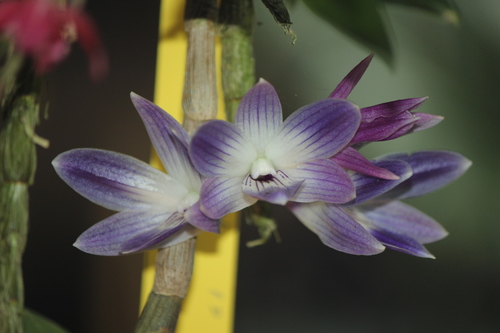
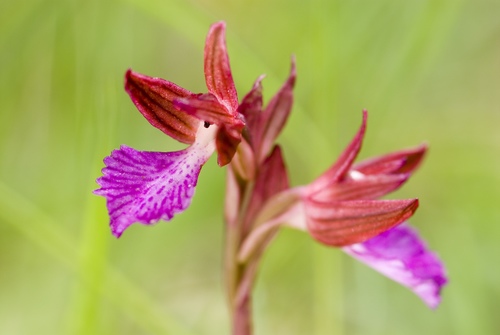
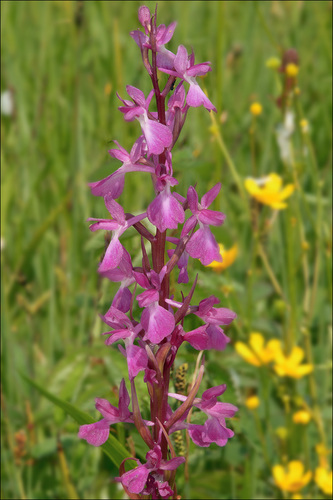
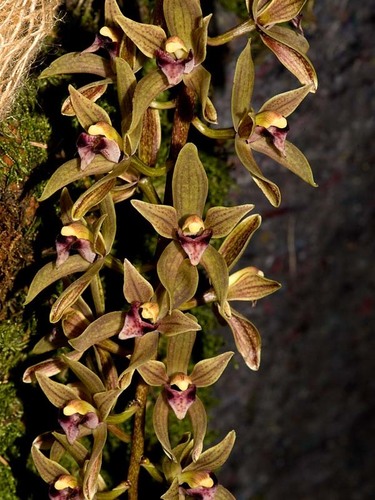
Dwarf Orchid
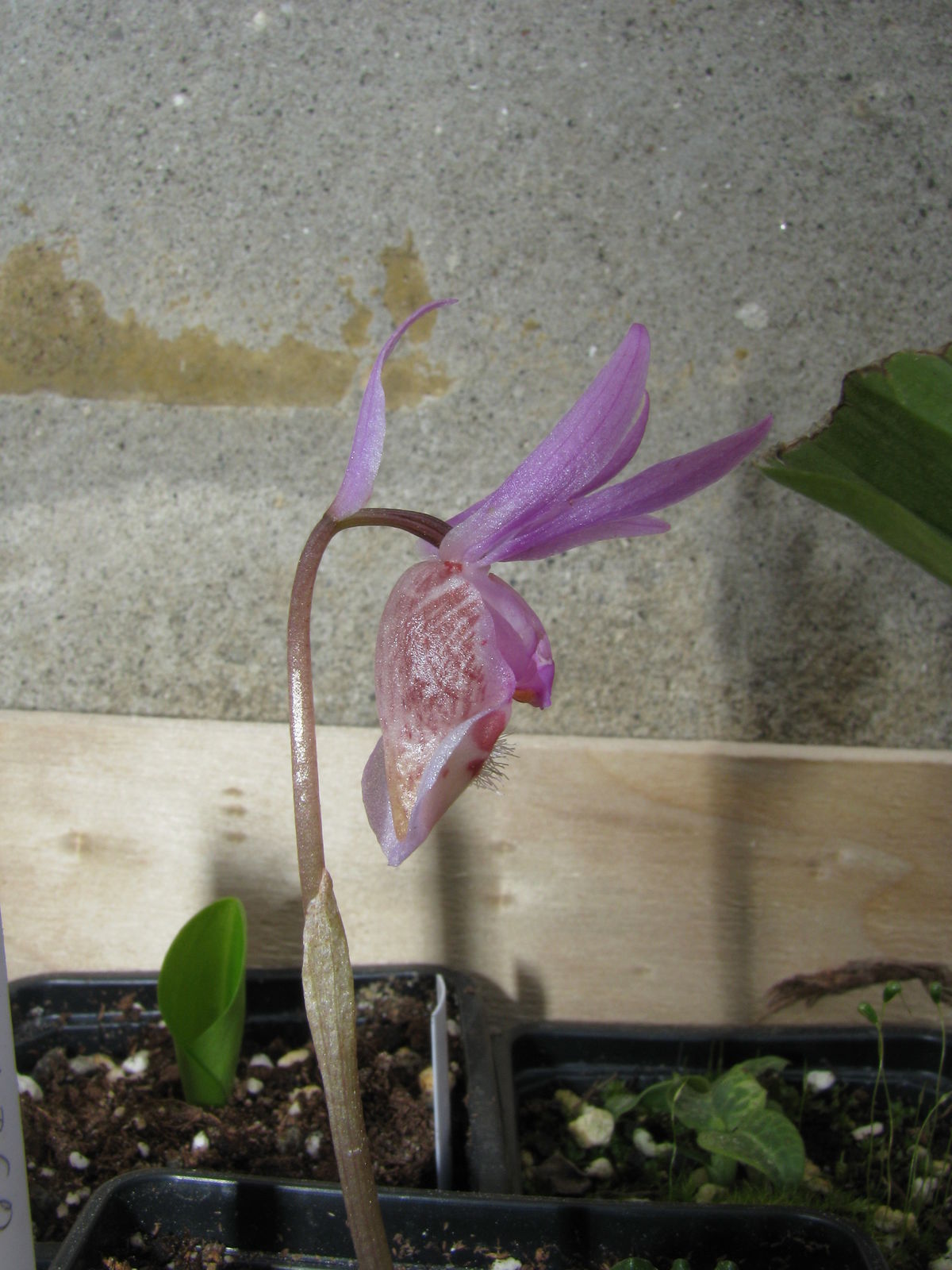
calypso bulbosa
Also known as: ["Fairyslipper","Bishop's Cap","Saddle Orchid"]
Overview
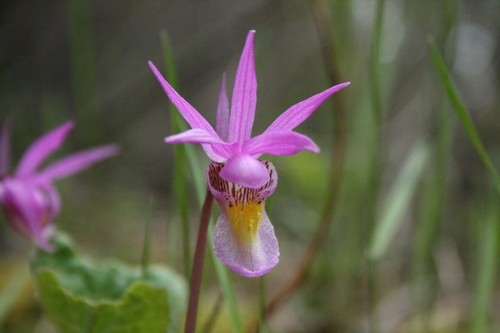
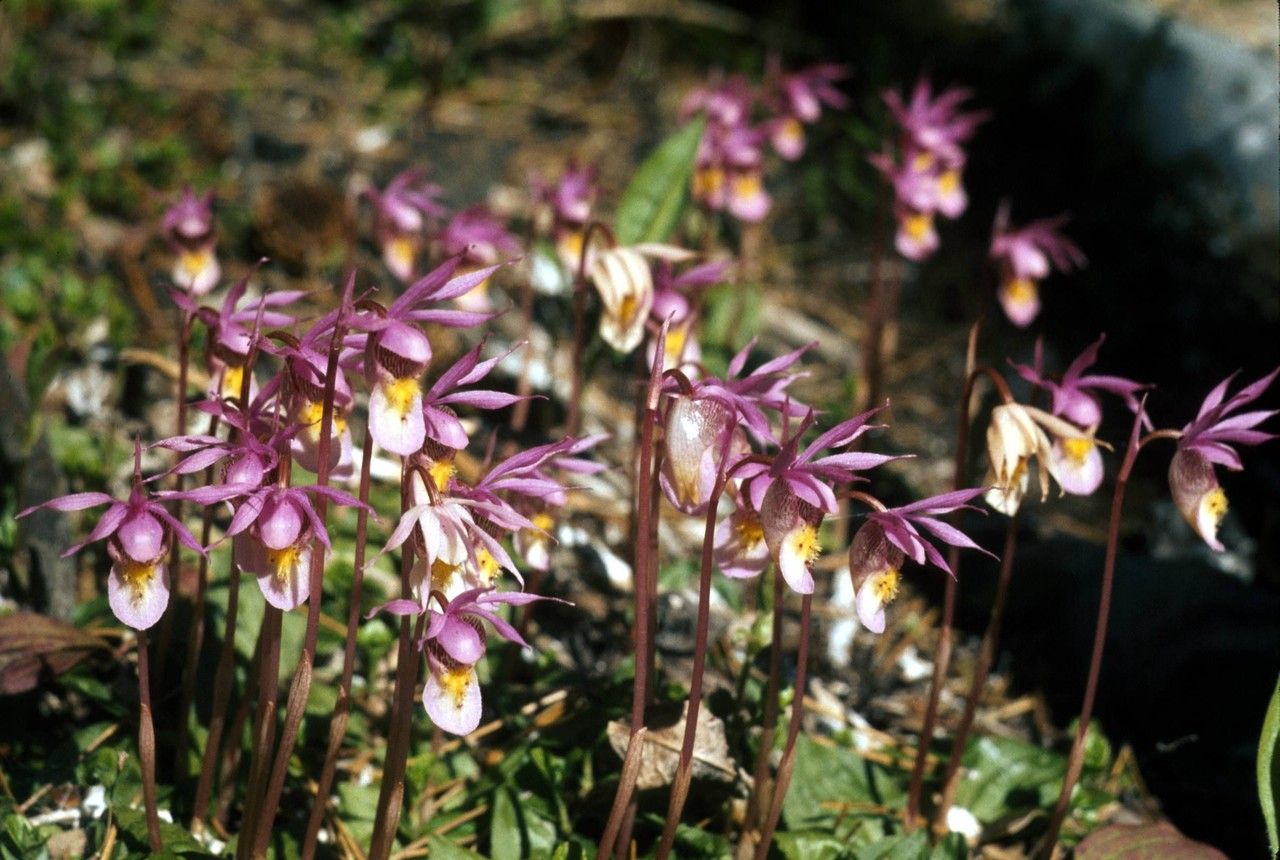
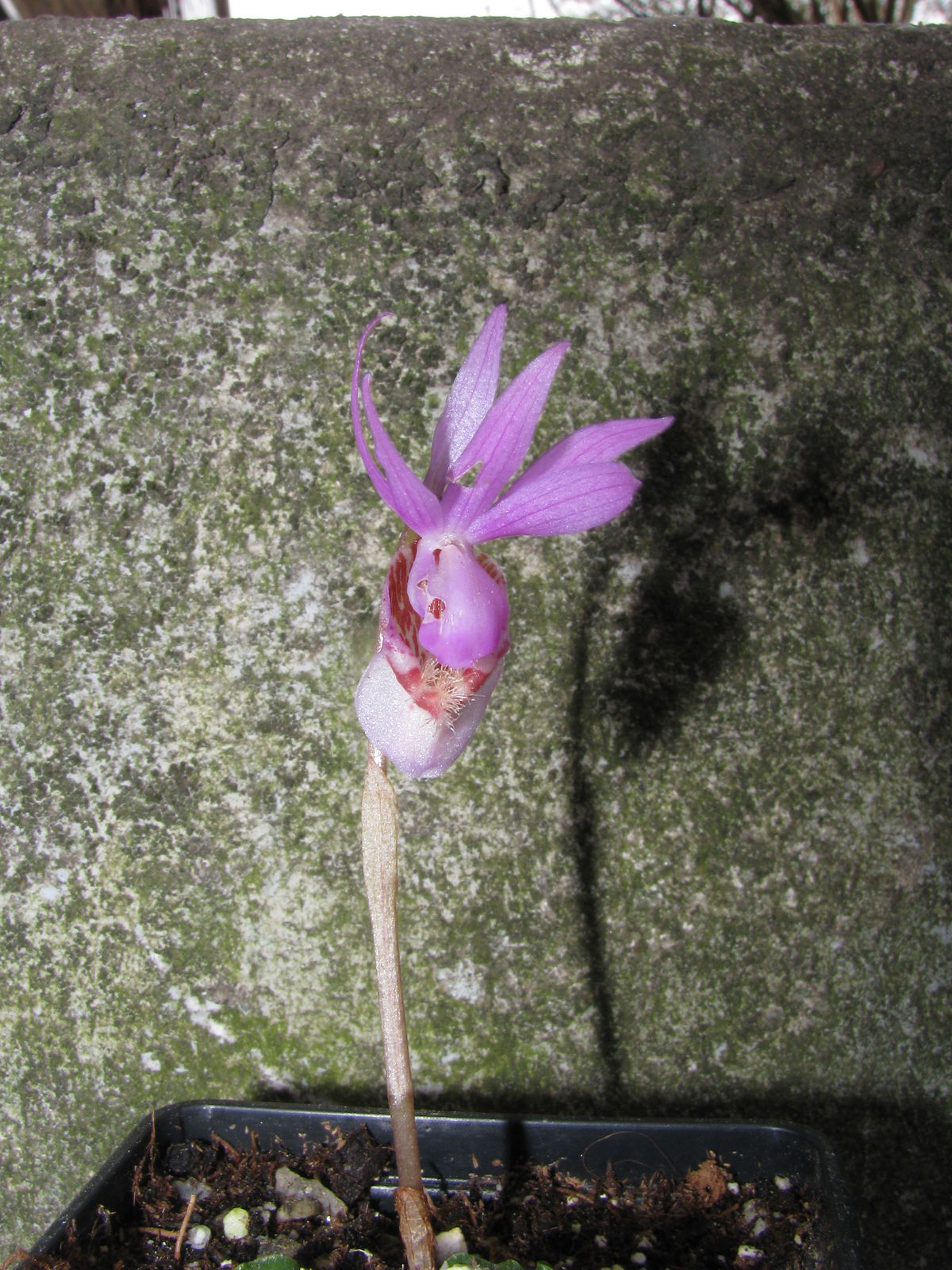
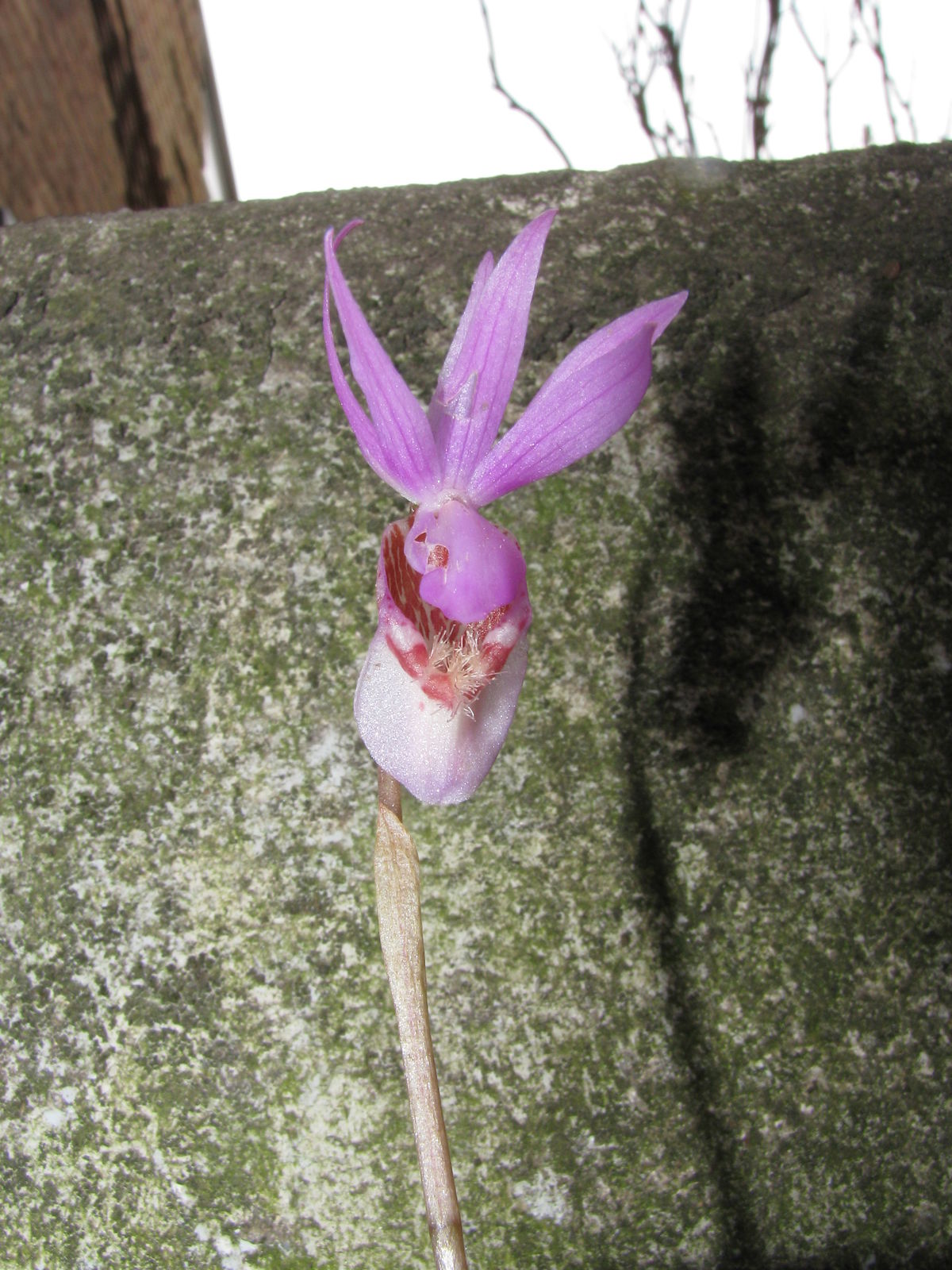
A small, terrestrial orchid native to the forests of North America, known for its unique slipper-shaped flower.
Benefits & Perks
["rare/collector’s item","wildlife attractant (bees, butterflies, birds)"]
Botanical Classification
| Phylum: | Magnoliophyta |
| Class: | Liliopsida |
| Order: | Asparagales |
| Family: | Orchidaceae |
| Genus: | Calypso |
| Botanical Name: | Calypso bulbosa |
Plant Characteristics
Basic Information
- Category: Flowers
- Suitable Location: shaded woodland garden or shaded container
- Suitable For:
- Is Weed: No
- Allergenicity: low
Environmental Needs
- Climate: {"temperatureRange":"5–25°C"}
- Hardiness: {"zones":"4–8"}
- Misting: rarely required, only if ambient humidity is very low
- Drainage: Fast-draining to prevent waterlogging.
- Soil Type: Orchid mix with bark, perlite, and charcoal; can also be grown in sphagnum moss.
Maintenance Level
- Maintenance Level: very high
- Toughness Level: very low
- Pruning Frequency: As needed, typically after flowering or if pseudobulbs die back.
- Pruning Intensity: Light pruning; remove only dead or diseased parts.
Care Details
Ideal Sunlight Coverage:
Bright indirect light for 4–6 hours daily; avoid direct sunlight which can scorch leaves; adjust light exposure gradually if moving plant.
Sunlight Tolerance Tips:
Acclimate the plant slowly to new light conditions; protect from intense midday sun; place in a spot with filtered light or sheer curtains.
Care Requirements
Care Difficulty
expert onlymoderate
Sunlight
partial shade to full shade
Rotate plant weekly for even growth; use sheer curtains to filter direct light; monitor for signs of sunburn.
Watering
every 2–3 weeks during active growth, reduce in dormancy
Water only when the top inch of soil is dry; ensure excellent drainage to prevent root rot; water less frequently during dormancy.
Soil
well-draining, humus-rich soil
pH: Slightly acidic, pH 5.5–6.5.
Ensure mix is well-aerated; avoid compacted soil; replace mix every 2–3 years.
Temperature
Prefers cool temperatures, ideally 50–65°F (10–18°C); tolerates brief dips to 40°F (4°C); avoid heat above 75°F (24°C).
Keep away from drafty windows in winter; avoid placing near heat vents; maintain consistent temperatures if possible.
Fertilizing
every 4–6 weeks during active growth with diluted balanced fertilizer
Dilute fertilizer to prevent root burn; apply during watering to avoid salt buildup; stop fertilizing in summer.
Propagation
Methods
Division of pseudobulbs; best done when the plant is mature and has multiple growths.
Step-by-Step Propagation Guide
- Carefully divide the pseudobulbs, ensuring each division has at least one healthy growth.
- Pot in fresh orchid mix.
- Water lightly and keep humid.
Best Time: Spring, when new growth begins; ensure the plant is healthy and not in dormancy.
Environment
Warm, humid environment with indirect light; maintain temperatures around 65–75°F (18–24°C) for rooting.
Medium
Orchid mix with added perlite for drainage; can also be potted in sphagnum moss.
Hormone
Not typically required for division; rooting hormone may help if using stem cuttings, but division is preferred.
Timeline
New roots may appear in 4–6 weeks; establishment of new growth can take several months.
Tools Needed
Clean pruning shears, sterilized knife, orchid mix, pots with drainage.
Quick Tips
Ensure divisions have healthy roots; keep humidity high after division; avoid direct sunlight during rooting.
Pruning & Repotting
Pruning Guide
Method
Cut dead pseudobulbs at the base with clean, sharp shears; avoid cutting into healthy growth.
Pruning Plan
Minimal pruning needed; focus on removing dead or damaged pseudobulbs to encourage new growth.
Tools
Sterilized pruning shears, gloves.
Checklist
Disinfect tools before use; cut dead pseudobulbs cleanly; dispose of removed parts properly.
Repotting Guide
Best Season
Spring, just before the active growing season begins.
Pot Size
Choose a pot one size larger than the current one; ensure it has ample drainage holes.
Method
Remove the orchid gently; trim any dead roots; place in a pot with fresh orchid mix, ensuring good drainage; water lightly after repotting.
Suggestions
Repot every 2–3 years or when the orchid outgrows its pot; necessary if the mix breaks down or roots are crowded.
Checklist
Use fresh orchid mix; trim dead roots; ensure pot has drainage; water sparingly after repotting.
Advanced Care Tips
Watering Mastery
Watering Checklist
Check soil moisture before watering; ensure pot has drainage holes; reduce frequency in summer.
How to Apply Water Properly
Water deeply at the root zone, allowing water to penetrate the soil without pooling; water in the morning to allow foliage to dry; avoid wetting the pseudobulb directly.
Watering Schedule Tips
Water sparingly during active growth in spring; reduce watering significantly in summer dormancy; avoid waterlogged soil at all times.
Soil Improvement
Add perlite or coarse sand to improve drainage; incorporate orchid bark for aeration; use sphagnum moss to retain moisture.
Temperature Stress Management
Signs of Temperature Issues
Leaf yellowing or browning in excessive heat; stunted growth or bud drop in cold stress; wilting in temperature extremes.
Cold Stress
Low temperatures slow metabolic processes; can cause root damage if prolonged; may lead to fungal infections in damp conditions.
Solution: Move plant to a warmer location if temperatures drop below 40°F (4°C); ensure good air circulation to prevent fungal growth; avoid overwatering in cold.
Hot Stress
Excessive heat can cause leaf scorch, dehydration, and bud drop; may lead to root rot if overwatered in high temperatures.
Solution: Provide shade during peak heat; increase humidity with a pebble tray or mister; water more cautiously to prevent overheating.
Fertilizing Guide
Fertilizing Checklist
Use diluted orchid fertilizer; fertilize monthly in spring; cease during dormancy.
Fertilizing Method
Use a balanced orchid fertilizer diluted to half strength; fertilize once a month during active growth in spring; avoid fertilizing during dormancy.
Common Problems & Solutions
Toxicity Warning
Cats
Slightly ToxicCats may experience mild gastrointestinal irritation if they ingest parts of Calypso bulbosa. The bulb and roots are the most toxic, potentially causing discomfort and digestive issues.
⚠️ Symptoms:
🌿 Toxic Parts:
⚡ Toxic If:
if eaten
Dogs
Slightly ToxicIn dogs, ingestion of Calypso bulbosa can lead to mild gastrointestinal upset. The bulb and roots are the primary toxic components, causing irritation to the digestive tract.
⚠️ Symptoms:
🌿 Toxic Parts:
⚡ Toxic If:
if eaten
Humans
Slightly ToxicCalypso bulbosa contains compounds that can cause mild gastrointestinal distress and irritation upon ingestion. The bulb and roots are the most toxic parts due to their higher concentration of irritant substances.
⚠️ Symptoms:
🌿 Toxic Parts:
⚡ Toxic If:
if eaten
Frequently Asked Questions
Q: Is Calypso bulbosa easy to grow?
A: No, it is considered very challenging to grow and requires specialized conditions.
Q: Where is Calypso bulbosa typically found?
A: It is native to the forests of North America, particularly in shaded, moist environments.
Q: Does Calypso bulbosa have any medicinal uses?
A: There is no widely documented medicinal use for this plant.
Quick Reference
| Family: | Orchidaceae |
| Care: | expert only |
| Light: | partial shade to full shade |
| Water: | every 2–3 weeks during activ |
Get Expert Care Tips
Download the Plantious app for personalized care reminders and plant identification!
Google Play App Store