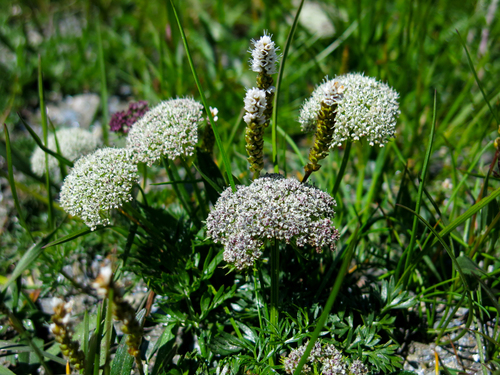
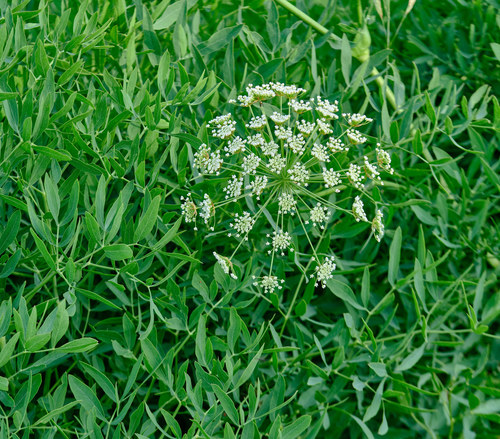
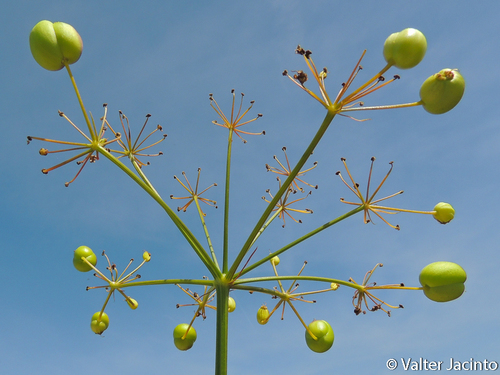
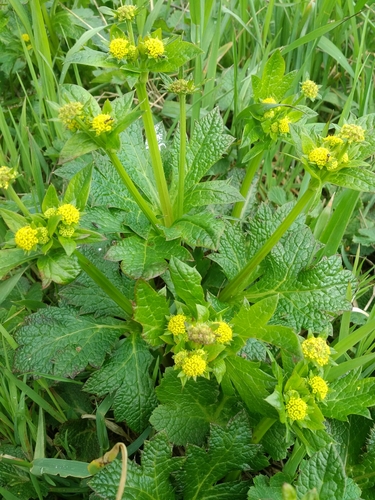
Coriander
coriandrum sativum
Also known as: ["cilantro","Chinese parsley"]
Overview
An annual herb in the Apiaceae family, widely used for culinary and medicinal purposes.
Benefits & Perks
["edible fruits","culinary herb","aesthetic foliage"]
Botanical Classification
| Phylum: | Magnoliophyta |
| Class: | Magnoliopsida |
| Order: | Apiales |
| Family: | Apiaceae |
| Genus: | Coriandrum |
| Botanical Name: | Coriandrum sativum |
Plant Characteristics
Basic Information
- Category: Herbs & Weeds
- Suitable Location: outdoor garden bed or container in a sunny spot
- Suitable For:
- Is Weed: No
- Allergenicity: moderate
Environmental Needs
- Climate: {"temperatureRange":"10–30°C"}
- Hardiness: {"zones":"5–10"}
- Misting: rarely required, only if ambient humidity is very low
- Drainage: Moderate to fast-draining.
- Soil Type: Loamy, well-draining soil with organic matter; tolerates poor soil but prefers fertile conditions.
Maintenance Level
- Maintenance Level: moderate
- Toughness Level: moderate
- Pruning Frequency: As needed for harvest; thin seedlings when they reach 2 inches tall.
- Pruning Intensity: Light (harvesting and thinning only).
Care Details
Ideal Sunlight Coverage:
Full sun (6–8 hours/day); prefers cooler temperatures; reduce direct sun in hot climates to prevent bolting.
Sunlight Tolerance Tips:
Acclimate seedlings gradually to direct sun; protect from intense midday sun; move indoors or provide shade during extreme heat.
Care Requirements
Care Difficulty
easyeasy
Sunlight
full sun to partial shade
Rotate pots for even growth; use sheer curtains to filter harsh light; avoid placing near heat sources.
Watering
every 3–5 days during active growth, reduce in cooler months
Keep soil consistently moist but not waterlogged; water in the morning to allow foliage to dry; adjust based on weather and growth stage.
Soil
well-draining, fertile soil with neutral pH
pH: 6.0–7.0 (slightly acidic to neutral).
Mulch to retain moisture; avoid compacting soil; test pH before planting.
Temperature
60–70°F (15–21°C) for optimal growth; tolerates cooler temperatures but bolts in heat above 75°F (24°C).
Use shade cloth in summer; mulch to regulate soil temperature; monitor microclimates.
Fertilizing
every 4–6 weeks during growing season with balanced liquid fertilizer
Apply fertilizer in early morning; dilute to half strength; stop fertilizing when plants begin to flower.
Propagation
Methods
Seeds (direct sowing or indoor starting); stem cuttings are not viable.
Step-by-Step Propagation Guide
- Sow seeds 1/4 inch deep.
- Thin seedlings to 6–8 inches apart.
- Water gently.
Best Time: Early spring or fall for cooler climates; avoid midsummer heat.
Environment
Warm (65–70°F), bright indirect light, and consistent moisture.
Medium
Well-draining seed starting mix or garden soil.
Hormone
Not required for seeds.
Timeline
Germination in 7–14 days; harvest in 3–4 weeks for leaves, 50–60 days for seeds.
Tools Needed
Seed trays, labels, watering can, and garden trowel.
Quick Tips
Sow seeds in succession for continuous harvest; use fresh seeds for best germination.
Pruning & Repotting
Pruning Guide
Method
Snip leaves above the lowest set of leaves; pull entire plants for seed harvest.
Pruning Plan
Minimal pruning; focus on harvesting leaves and thinning overcrowded seedlings.
Tools
Sharp scissors or pruners, gloves.
Checklist
Harvest in the morning; avoid cutting stems; discard flowering plants if leaf production is desired.
Repotting Guide
Best Season
Not applicable; sow seeds in spring or fall.
Pot Size
Not applicable.
Method
Not applicable; plant in well-draining soil with full sun exposure.
Suggestions
Not typically repotted; grows as an annual; direct sow in garden or larger containers.
Checklist
Select a sunny spot; prepare soil with compost; sow seeds 1/4 inch deep.
Advanced Care Tips
Watering Mastery
Watering Checklist
Check soil moisture daily; water when top inch is dry; ensure proper drainage; avoid wetting leaves.
How to Apply Water Properly
Water at the base of the plant, ensuring even moisture distribution; aim for 1 inch of water per week; allow excess water to drain away.
Watering Schedule Tips
Water lightly and frequently during germination and early growth; reduce frequency as plants mature; avoid overhead watering to prevent fungal issues.
Soil Improvement
Add compost or aged manure; incorporate perlite for drainage; avoid heavy clay soils.
Temperature Stress Management
Signs of Temperature Issues
Bolting (premature flowering), yellowing leaves, stunted growth, or wilting.
Cold Stress
Slows growth; may cause leaf discoloration; can be fatal in prolonged frost.
Solution: Provide frost protection; move containers indoors; use row covers for garden plants.
Hot Stress
Triggers bolting, reduces leaf production, and shortens harvest period.
Solution: Provide shade, increase watering, and harvest leaves before plant flowers.
Fertilizing Guide
Fertilizing Checklist
Check fertilizer label for NPK ratio; water before fertilizing; apply evenly around base.
Fertilizing Method
Use balanced liquid fertilizer every 3–4 weeks during active growth; avoid over-fertilizing to prevent bolting.
Common Problems & Solutions
Toxicity Warning
Cats
Non-toxicCoriandrum sativum is not considered toxic to cats. It is safe for consumption in small quantities.
⚡ Toxic If:
Generally non-toxic
Dogs
Non-toxicCoriandrum sativum is not considered toxic to dogs. It is safe for consumption in small quantities.
⚡ Toxic If:
Generally non-toxic
Humans
Non-toxicCoriandrum sativum, commonly known as coriander or cilantro, is generally considered non-toxic to humans. It is widely consumed as a culinary herb and spice.
⚡ Toxic If:
Generally non-toxic
Frequently Asked Questions
Q: Is coriander the same as cilantro?
A: Yes, coriander refers to the entire plant, while cilantro specifically refers to the leaves.
Q: Can coriander be grown indoors?
A: Yes, it can be grown indoors with adequate sunlight and proper care.
Q: How do I harvest coriander seeds?
A: Allow the plant to flower and produce seeds, then harvest when the seeds turn brown and dry.
Quick Reference

| Family: | Apiaceae |
| Care: | easy |
| Light: | full sun to partial shade |
| Water: | every 3–5 days during active |
Get Expert Care Tips
Download the Plantious app for personalized care reminders and plant identification!
Google Play App Store