Amethyst Broomrape
orobanche amethystea
Also known as: ["Amethyst Orobanche","Purple Broomrape"]
Overview
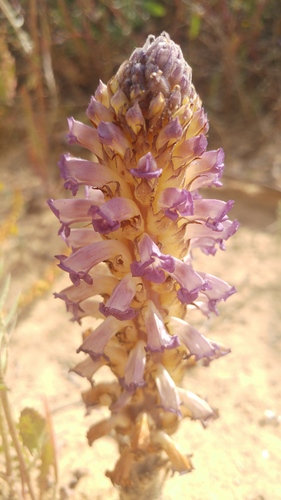
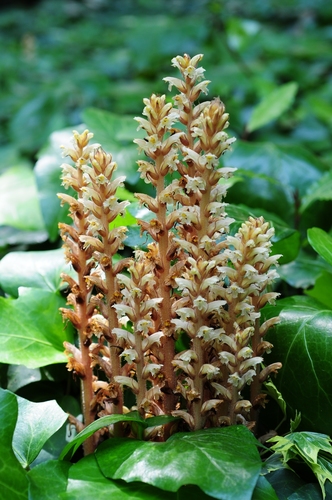
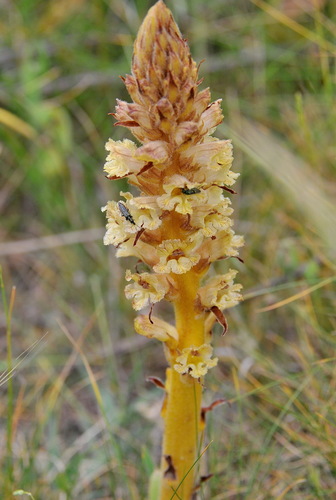
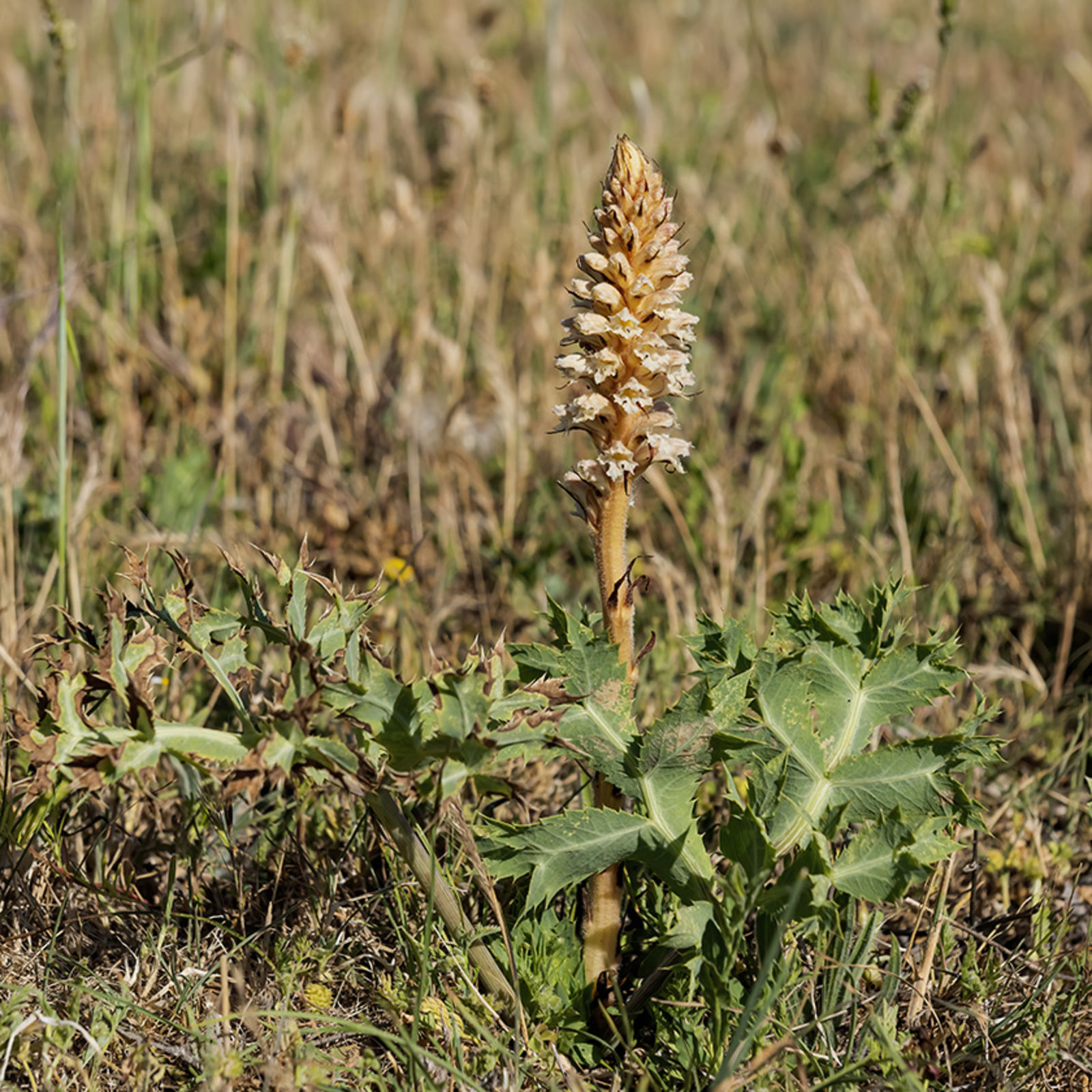
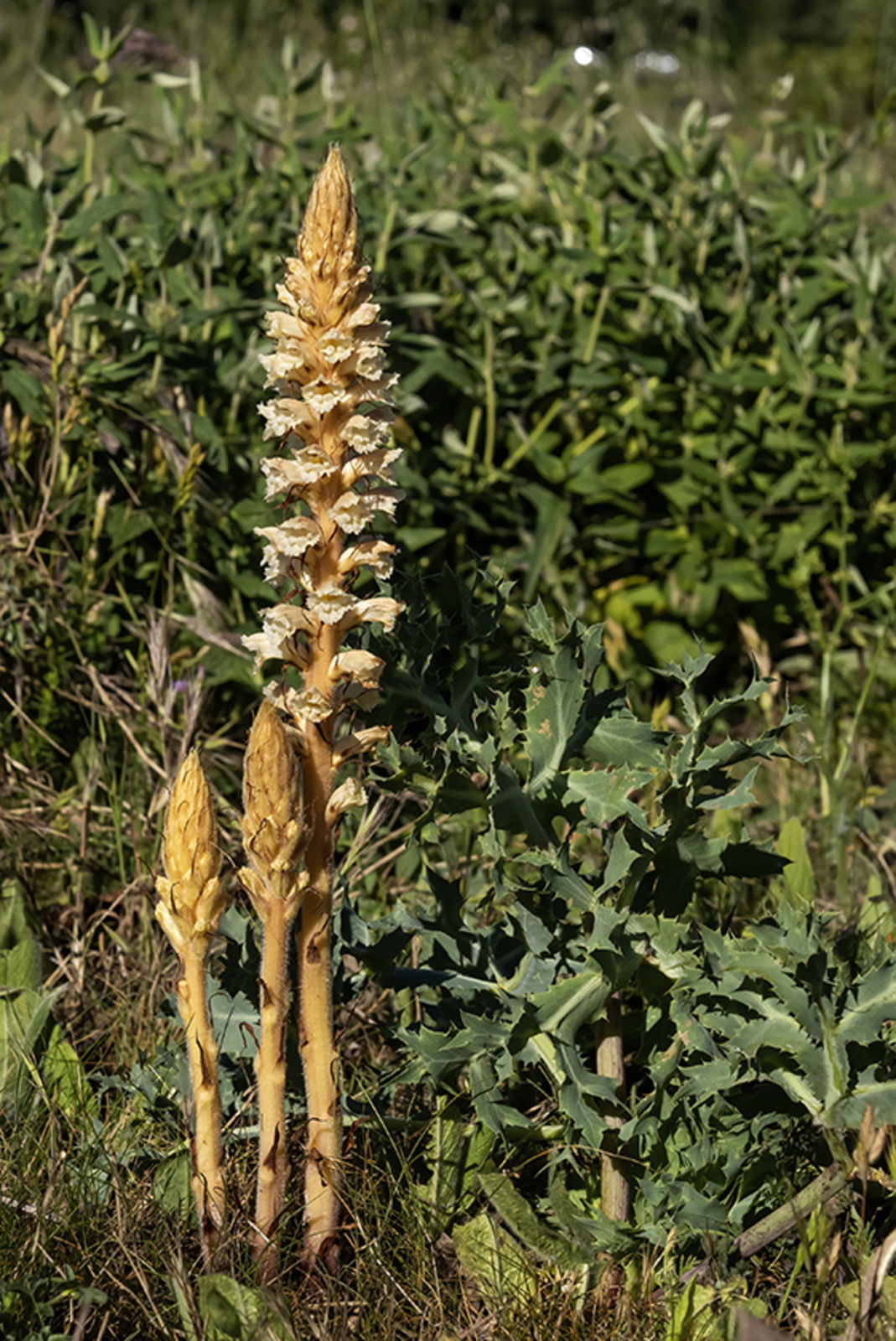
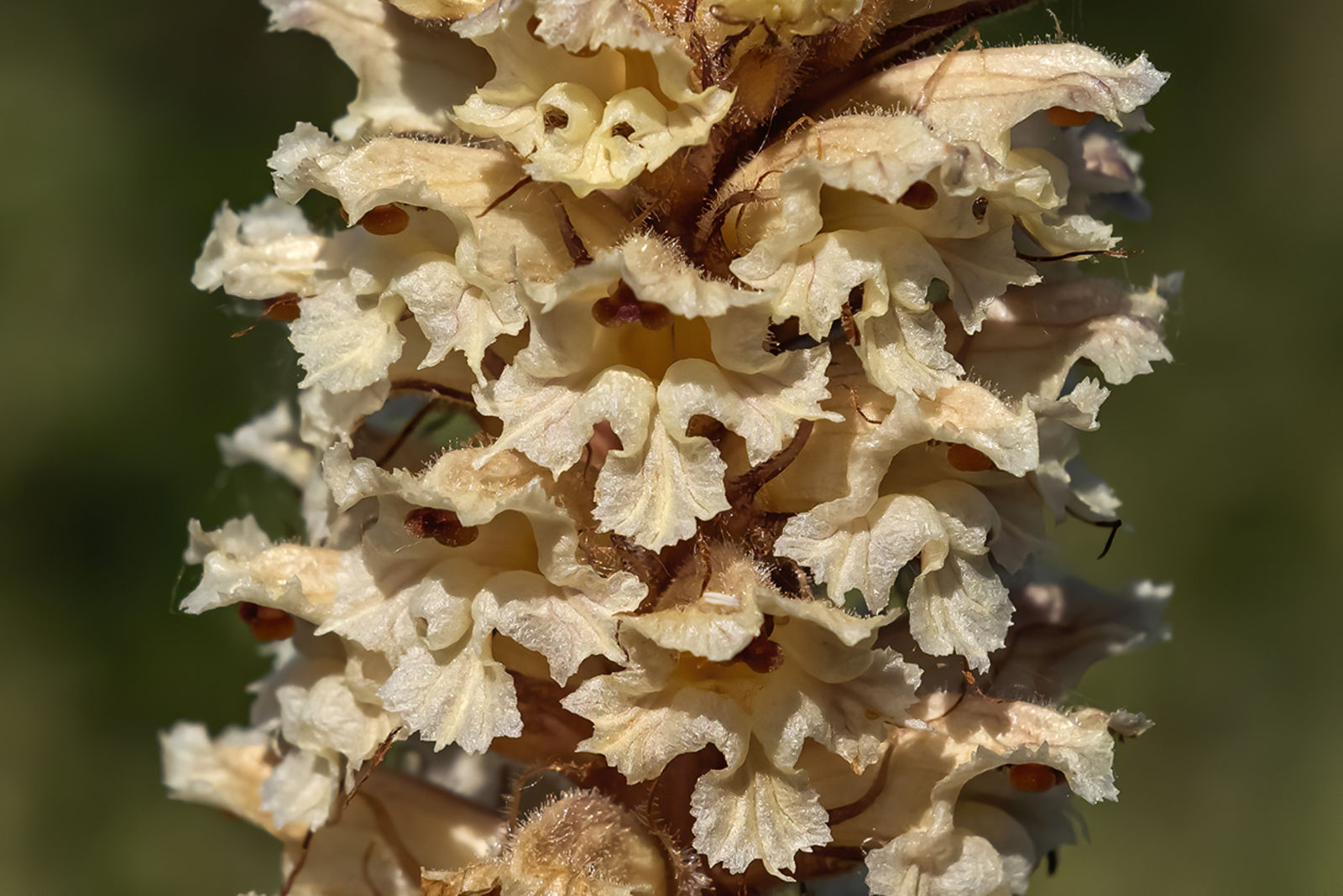
A parasitic herbaceous plant with no chlorophyll, relying on host plants for nutrients. It produces small, amethyst-colored flowers.
Benefits & Perks
["rare/collector’s item"]
Botanical Classification
| Phylum: | Magnoliophyta |
| Class: | Magnoliopsida |
| Order: | Lamiales |
| Family: | Orobanchaceae |
| Genus: | Orobanche |
| Botanical Name: | Orobanche amethystea |
Plant Characteristics
Basic Information
- Category: Herbs & Weeds
- Suitable Location: under the canopy of host plants in natural settings
- Suitable For:
- Is Weed: No
- Allergenicity: low
Environmental Needs
- Climate: {"temperatureRange":"10–30°C"}
- Hardiness: {"zones":"5–9"}
- Misting: not required
- Drainage: Fast-draining
- Soil Type: Well-draining soil mix for host plant (e.g., cactus mix with organic matter)
Maintenance Level
- Maintenance Level: very low
- Toughness Level: very low
- Pruning Frequency: As needed for host plant maintenance
- Pruning Intensity: Moderate to heavy, depending on host plant species
Care Details
Ideal Sunlight Coverage:
Host plant requires bright indirect light for 6–8 hours; Orobanche benefits indirectly from host’s light conditions.
Sunlight Tolerance Tips:
Acclimate host plant gradually to light changes; avoid direct sunlight to prevent scorching; adjust indoor/outdoor placement based on host needs.
Care Requirements
Care Difficulty
expert onlychallenging
Sunlight
partial shade to full shade
Host plant needs bright indirect light; Orobanche relies on host; avoid direct sun for host
Watering
rarely required, only when soil is completely dry
Water only the host plant, ensure host plant is well-hydrated, avoid overwatering the Orobanche itself.
Soil
well-drained, sandy or gravelly soil
pH: Slightly acidic to neutral (6.0–7.0)
Ensure good drainage, maintain pH balance, refresh soil periodically
Temperature
Host plant typically prefers 60–75°F (15–24°C); Orobanche adapts to host’s temperature range.
Monitor host plant’s temperature needs; protect from extremes; adjust care seasonally.
Fertilizing
not required
Use balanced fertilizer for host; dilute to half strength; apply every 4–6 weeks.
Propagation
Methods
Seed propagation on host plant roots or stem cuttings with host association.
Step-by-Step Propagation Guide
- Prepare host root section, place Orobanche seed or cutting near host, maintain humidity, monitor growth.
Best Time: Spring or early summer when host plant is actively growing.
Environment
Warm, humid conditions with indirect light near host plant
Medium
Host root medium with sterile soil mix
Hormone
Not typically required for parasitic association
Timeline
Several weeks to months for establishment, dependent on host health
Tools Needed
Sterile knife, rooting medium, humidity dome
Quick Tips
Ensure host is healthy, maintain high humidity, be patient with growth
Pruning & Repotting
Pruning Guide
Method
Standard pruning techniques for host plant
Pruning Plan
Not applicable to Orobanche; focus on host plant pruning to maintain health.
Tools
Pruning shears, sterilized knife
Checklist
Prune host, sterilize tools, avoid Orobanche
Repotting Guide
Best Season
Spring, when host plant is entering active growth
Pot Size
One size up from current pot
Method
Carefully remove host plant, trim roots if needed, repot in fresh soil with good drainage
Suggestions
Repot host plant every 2–3 years to refresh soil and accommodate growth.
Checklist
Repot host, check Orobanche association, use fresh soil, ensure drainage
Advanced Care Tips
Watering Mastery
Watering Checklist
Water host plant, check host soil moisture, avoid Orobanche direct watering
How to Apply Water Properly
Water the host plant thoroughly at the root zone, ensuring even moisture distribution. Allow excess water to drain away to prevent waterlogging.
Watering Schedule Tips
Water sparingly, as Orobanche amethystea is a parasitic plant and relies on host plants for moisture. Avoid direct watering unless cultivating the host plant.
Soil Improvement
Add perlite or sand for drainage; incorporate compost for fertility
Temperature Stress Management
Signs of Temperature Issues
Host plant may show wilting, leaf drop, or chlorosis; Orobanche may fail to parasitize if host is stressed.
Cold Stress
Low temperatures can slow host plant growth, reducing Orobanche’s parasitic success.
Solution: Protect host plant from frost; use frost cloth or move indoors in cold climates.
Hot Stress
Excessive heat can stress the host plant, leading to dehydration and reduced Orobanche viability.
Solution: Provide shade for host plant; increase humidity; water host more frequently in heat.
Fertilizing Guide
Fertilizing Checklist
Fertilize host, avoid Orobanche, dilute properly, follow schedule
Fertilizing Method
Fertilize the host plant lightly during growing season; avoid fertilizing Orobanche directly.
Common Problems & Solutions
Toxicity Warning
Cats
Slightly ToxicCats may experience mild gastrointestinal discomfort if they consume Orobanche amethystea. The plant's toxicity is generally low, but individual sensitivities can vary.
⚠️ Symptoms:
🌿 Toxic Parts:
⚡ Toxic If:
if eaten
Dogs
Slightly ToxicIn dogs, ingestion of Orobanche amethystea may lead to mild gastrointestinal upset due to its non-nutritive compounds. The plant's parasitic nature does not typically result in severe toxicity.
⚠️ Symptoms:
🌿 Toxic Parts:
⚡ Toxic If:
if eaten
Humans
Slightly ToxicOrobanche amethystea contains compounds that can cause mild gastrointestinal distress and allergic reactions in humans. The plant lacks chlorophyll and derives nutrients from host plants, which may contribute to its limited toxicity profile.
⚠️ Symptoms:
🌿 Toxic Parts:
⚡ Toxic If:
if eaten
Frequently Asked Questions
Q: Is Orobanche amethystea a flowering plant?
A: Yes, it produces small, amethyst-colored flowers, though it lacks chlorophyll.
Q: How does Orobanche amethystea obtain nutrients?
A: It is a parasitic plant that relies entirely on host plants for nutrients.
Q: Is Orobanche amethystea toxic to pets?
A: There is insufficient data to determine its toxicity to pets.
Quick Reference

| Family: | Orobanchaceae |
| Care: | expert only |
| Light: | partial shade to full shade |
| Water: | rarely required, only when soi |
Get Expert Care Tips
Download the Plantious app for personalized care reminders and plant identification!
Google Play App Store