Giant Air Plant
tillandsia utriculata
Also known as: ["Giant Spanish Moss","Giant Tunbergia"]
Overview
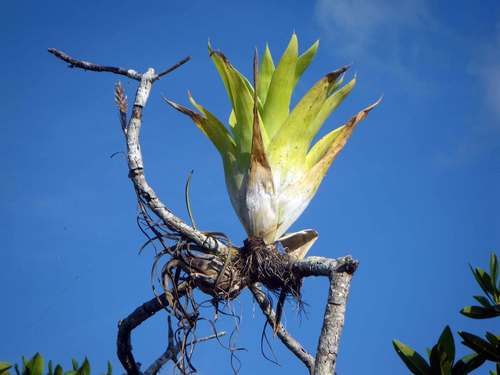
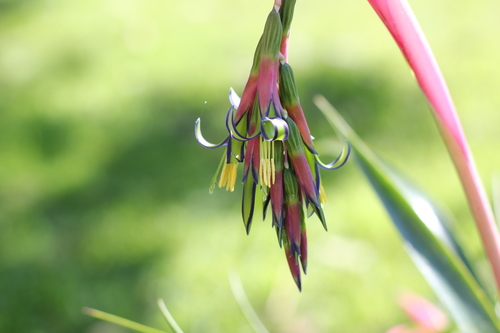
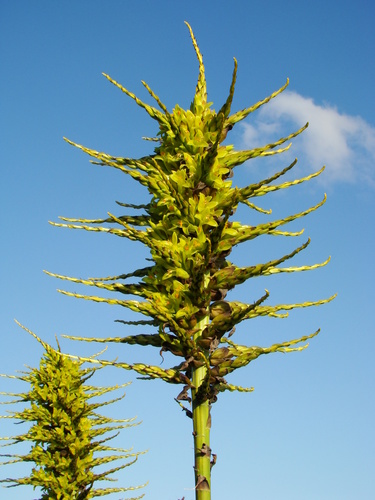
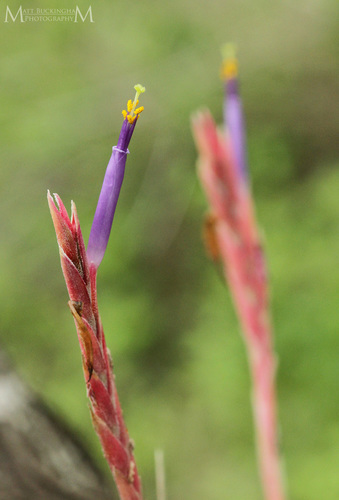
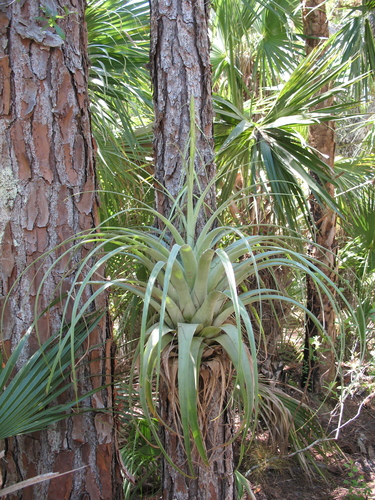
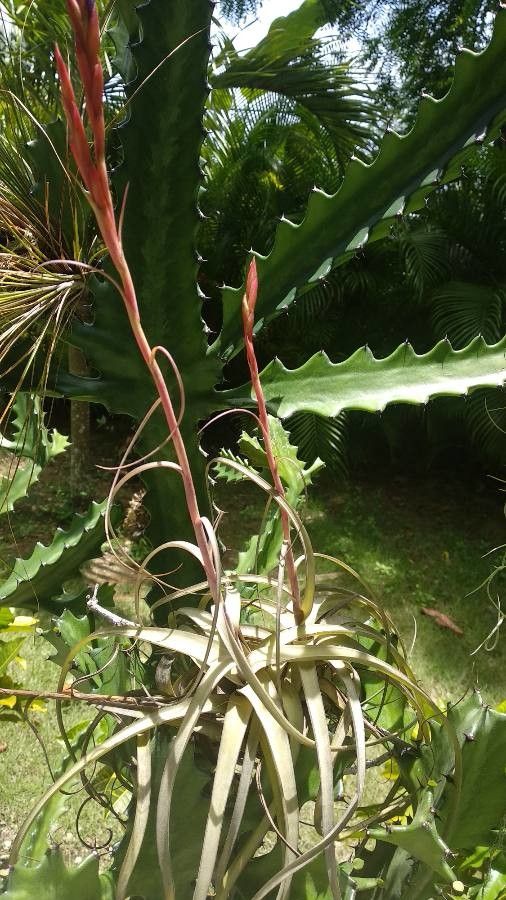
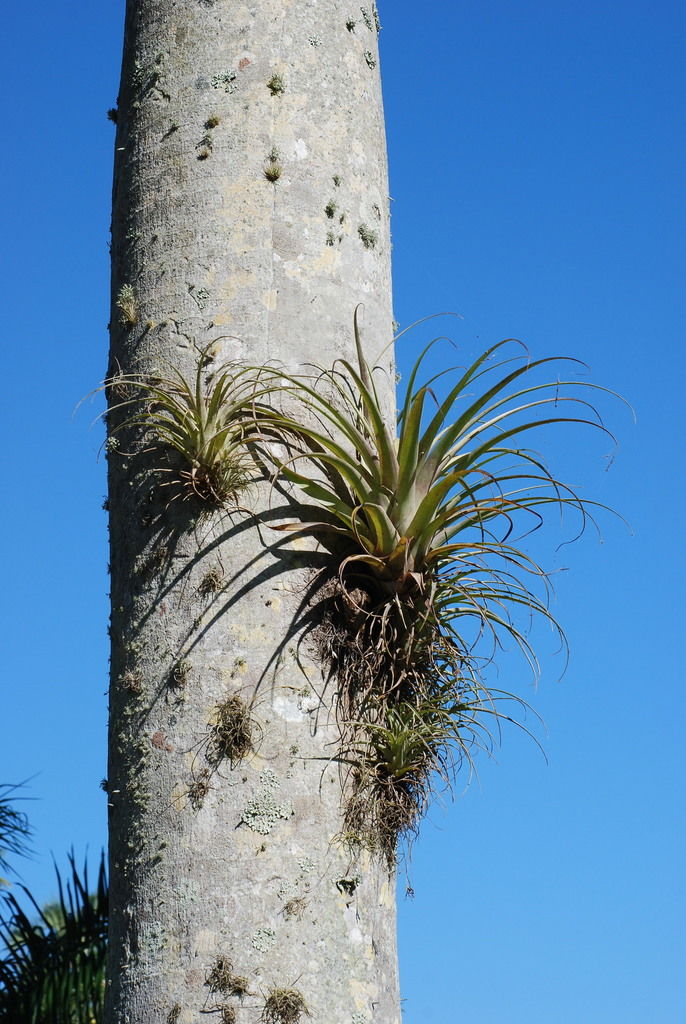
A large, epiphytic bromeliad native to the southeastern United States and the Caribbean, known for its rosette of silvery leaves and tall, showy inflorescence.
Benefits & Perks
["air purifying","low maintenance","wildlife attractant (bees, butterflies, birds)"]
Botanical Classification
| Phylum: | Magnoliophyta |
| Class: | Liliopsida |
| Order: | Poales |
| Family: | Bromeliaceae |
| Genus: | Tillandsia |
| Botanical Name: | Tillandsia utriculata |
Plant Characteristics
Basic Information
- Category: Flowers
- Suitable Location: mounted on a piece of wood or placed in a hanging container
- Suitable For:
- Is Weed: No
- Allergenicity: low
Environmental Needs
- Climate: {"temperatureRange":"10–30°C"}
- Hardiness: {"zones":"9–11"}
- Misting: every 1–2 weeks, or as needed to maintain humidity
- Drainage: Excellent drainage; no standing water tolerated.
- Soil Type: No traditional soil needed; mounts on cork, wood, or grows in orchid bark/perlite mix.
Maintenance Level
- Maintenance Level: very low
- Toughness Level: moderate
- Pruning Frequency: As needed, typically annually or when dead leaves accumulate.
- Pruning Intensity: Light pruning; remove only dead or discolored leaves.
Care Details
Ideal Sunlight Coverage:
Bright indirect light 4–6 hours/day; tolerates morning sun but avoid harsh afternoon sun, especially in summer.
Sunlight Tolerance Tips:
Acclimate gradually to direct sun; protect from intense midday sun; indoors, place near an east or north window.
Care Requirements
Care Difficulty
easyeasy
Sunlight
bright, indirect light
Rotate plant weekly for even growth; use sheer curtains to filter strong light; avoid direct afternoon sun.
Watering
every 1–2 weeks, or when the plant feels dry
Soak thoroughly rather than mist; allow to dry completely between waterings; avoid water in the center rosette.
Soil
no soil required, epiphytic
pH: Not applicable for mounted plants; for potting mix, pH 5.5–6.5 is ideal.
Ensure rapid drainage; use epiphytic-friendly media; avoid waterlogged conditions.
Temperature
Ideal range 50–90°F (10–32°C); prefers warm, humid conditions but tolerates mild cold.
Avoid drafts; maintain stable temperatures; protect from sudden temperature swings.
Fertilizing
every 2–3 months during active growth
Dilute fertilizer to prevent burning; apply during watering; flush periodically to prevent salt buildup.
Propagation
Methods
By offsets (pups) or seeds; pups are the most reliable method for home growers.
Step-by-Step Propagation Guide
- Separate pup from parent with a clean knife.
- Allow to callous for a day.
- Plant in well-draining medium.
- Water sparingly until established.
Best Time: After the parent plant blooms or when pups reach 1/3–1/2 the parent's size, typically in spring or summer.
Environment
Bright indirect light, high humidity (60–70%), and warm temperatures (70–80°F).
Medium
Well-draining mix like orchid bark or perlite with minimal organic matter; can also propagate aerially.
Hormone
Not necessary for pups; optional for seeds to improve germination rates.
Timeline
Pups may be removed after 6–12 months; seeds take 2–3 years to mature.
Tools Needed
Clean knife or scissors, well-draining medium, humidity dome (optional).
Quick Tips
Allow pups to callous before planting; maintain high humidity; avoid overwatering.
Pruning & Repotting
Pruning Guide
Method
Snip leaves at the base with clean, sharp scissors; avoid cutting into healthy tissue.
Pruning Plan
Minimal pruning; focus on removing dead or damaged leaves to maintain aesthetics and health.
Tools
Clean, sharp scissors or pruning shears.
Checklist
Use clean tools; remove only dead/damaged leaves; avoid over-pruning.
Repotting Guide
Best Season
Spring or early summer when the plant is actively growing.
Pot Size
Use a pot one size larger than the current container, ensuring good drainage.
Method
Gently remove the pup; plant in a well-draining mix; ensure no water collects in the center rosette.
Suggestions
Not required for mature plants; pups can be repotted when they outgrow their current space.
Checklist
Use well-draining soil; ensure pot has drainage holes; avoid compacting soil.
Advanced Care Tips
Watering Mastery
Watering Checklist
Soak duration 2–4 hours; dry completely between waterings; avoid center rosette; check for dehydration signs.
How to Apply Water Properly
Submerge the entire plant in room-temperature water, ensuring water reaches the base but not the center; shake off excess water and place in a well-ventilated area to dry completely within 4 hours.
Watering Schedule Tips
Water once every 7–14 days by soaking in water for 2–4 hours, depending on humidity and season; adjust frequency in dry or hot conditions.
Soil Improvement
Add perlite or orchid bark to improve aeration; avoid heavy, water-retentive soils.
Temperature Stress Management
Signs of Temperature Issues
Chlorosis or browning in extreme heat; stunted growth or leaf curl in cold stress.
Cold Stress
Slows metabolism, causes leaf discoloration, and may lead to rot if combined with moisture.
Solution: Move to a warmer location; reduce watering; provide frost protection in cold climates.
Hot Stress
Leaf scorch, dehydration, and reduced vigor in prolonged high heat.
Solution: Increase humidity; water more frequently; provide shade during peak heat.
Fertilizing Guide
Fertilizing Checklist
Use diluted fertilizer; apply during active growth; avoid winter feeding; rinse soil occasionally.
Fertilizing Method
Use a bromeliad-specific fertilizer or diluted orchid fertilizer (¼ strength) every 4–6 weeks during growing season (spring–summer); avoid winter fertilization.
Common Problems & Solutions
Toxicity Warning
Cats
Non-toxicTillandsia utriculata is not known to be toxic to cats. There are no documented cases of toxicity in felines from ingestion of this plant.
🌿 Toxic Parts:
⚡ Toxic If:
if eaten
Dogs
Non-toxicTillandsia utriculata is not known to be toxic to dogs. There are no documented cases of toxicity in canines from ingestion of this plant.
🌿 Toxic Parts:
⚡ Toxic If:
if eaten
Humans
Non-toxicTillandsia utriculata is not known to be toxic to humans. It is an epiphytic bromeliad that does not produce any known toxic compounds harmful to humans.
🌿 Toxic Parts:
⚡ Toxic If:
if eaten
Frequently Asked Questions
Q: How often should I water Tillandsia utriculata?
A: Mist or soak the plant in water for 20–30 minutes every 1–2 weeks, depending on humidity and temperature.
Q: Can Tillandsia utriculata grow indoors?
A: Yes, it thrives indoors with bright, indirect light and good air circulation.
Q: Does this plant require soil?
A: No, it is an epiphyte and grows without soil, attaching to surfaces or hanging in the air.
Quick Reference

| Family: | Bromeliaceae |
| Care: | easy |
| Light: | bright, indirect light |
| Water: | every 1–2 weeks, or when the |
Get Expert Care Tips
Download the Plantious app for personalized care reminders and plant identification!
Google Play App Store