Yellow Garlic
allium flavum
Also known as: ["Yellow Onion","Tall Garlic"]
Overview
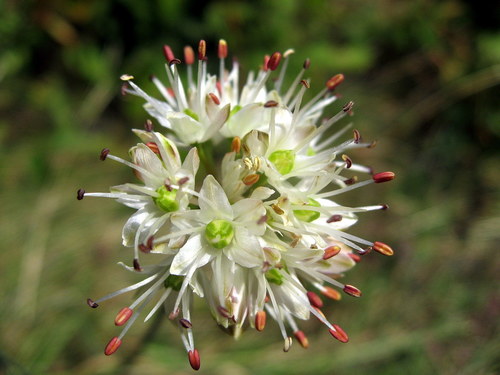
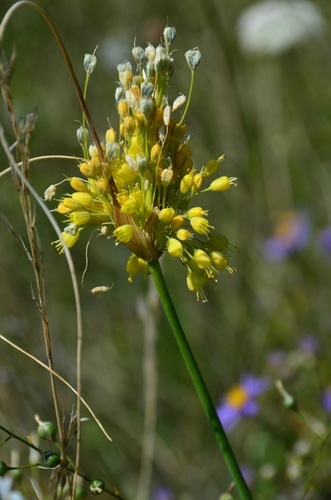
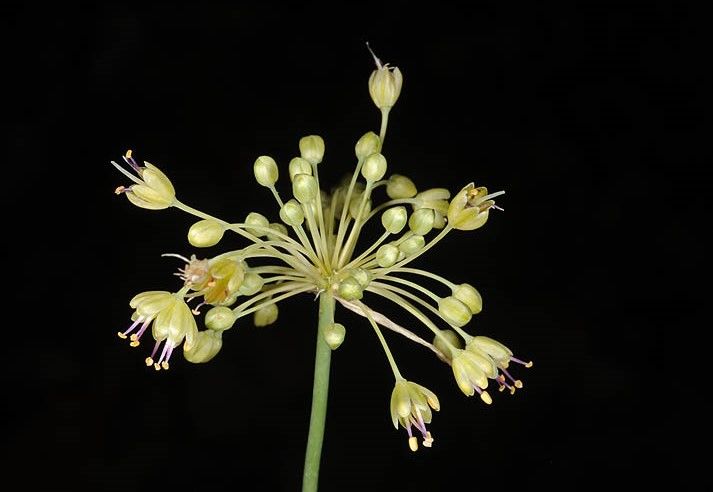
A bulbous perennial with small, bell-shaped yellow flowers in summer.
Benefits & Perks
["long-flowering","deer resistant","wildlife attractant (bees, butterflies, birds)","drought tolerant","low maintenance"]
Botanical Classification
| Phylum: | Magnoliophyta |
| Class: | Liliopsida |
| Order: | Asparagales |
| Family: | Amaryllidaceae |
| Genus: | Allium |
| Botanical Name: | Allium flavum |
Plant Characteristics
Basic Information
- Category: Flowers
- Suitable Location: garden bed or container in a sunny spot
- Suitable For:
- Is Weed: No
- Allergenicity: low
Environmental Needs
- Climate: {"temperatureRange":"–15–35°C"}
- Hardiness: {"zones":"4–9"}
- Misting: rarely required
- Drainage: Fast-draining
- Soil Type: Well-draining, sandy loam with some organic matter.
Maintenance Level
- Maintenance Level: low
- Toughness Level: moderate
- Pruning Frequency: After flowering; as needed to tidy the plant.
- Pruning Intensity: Light
Care Details
Ideal Sunlight Coverage:
Full sun (6–8 hours/day) or bright indirect light. Adjust for intense summer sun to prevent scorching.
Sunlight Tolerance Tips:
Acclimate plants gradually to intense sunlight. Provide partial shade during peak summer heat. Indoors, place near a south-facing window with sheer curtains.
Care Requirements
Care Difficulty
easymoderate
Sunlight
full sun to partial shade
Rotate pot for even light exposure; use reflective surfaces to boost light; avoid direct midday sun in summer.
Watering
every 7–10 days during active growth, reduce in winter
Water deeply but infrequently; avoid waterlogged soil; adjust based on dormancy.
Soil
well-drained, sandy or loamy soil
pH: Slightly acidic to neutral (pH 6.0–7.0).
Avoid heavy clay soils; ensure pots have drainage holes; top-dress with compost annually.
Temperature
Hardy in USDA zones 4–9. Prefers cool to moderate temperatures (50–75°F or 10–24°C). Dormant in winter.
Avoid sudden temperature shifts; protect from frost; ensure good air circulation in heat.
Fertilizing
every 4–6 weeks during spring and summer
Fertilize sparingly; avoid high-nitrogen formulas; stop in late summer.
Propagation
Methods
Division of bulbs or seed propagation.
Step-by-Step Propagation Guide
- Divide offsets from parent bulb.
- Replant at same depth.
- Water lightly. For seeds, sow shallowly and keep moist.
Best Time: Divide bulbs in late summer after foliage dies back. Sow seeds in fall or early spring.
Environment
Warm, bright, and dry conditions for bulbs; cool, moist conditions for seeds.
Medium
Well-draining bulb mix or sandy loam for seeds.
Hormone
Not required for bulb division; optional for seeds to encourage germination.
Timeline
Bulbs establish in 1 season; seeds may take 1–2 years to germinate and flower.
Tools Needed
Garden trowel, sharp knife, bulb separator, seed trays.
Quick Tips
Divide only when clumps are overcrowded; store seeds in a cool, dry place; mark seedlings.
Pruning & Repotting
Pruning Guide
Method
Snip flower stalks at the base. Allow foliage to yellow and die back naturally.
Pruning Plan
Minimal pruning needed. Remove spent flower stalks to encourage bulb development.
Tools
Hand pruners or sharp scissors.
Checklist
Remove dead flowers; do not cut green foliage; clean tools after use.
Repotting Guide
Best Season
Late summer after foliage dies back.
Pot Size
Use a pot 2–3 inches wider than the current one.
Method
Gently lift bulbs, remove old soil, and replant at the same depth in fresh, well-draining mix.
Suggestions
Repot only when bulbs become overcrowded or every 3–4 years.
Checklist
Check for overcrowding; use fresh soil; ensure good drainage; water lightly after repotting.
Advanced Care Tips
Watering Mastery
Watering Checklist
Check soil moisture before watering; water deeply; ensure drainage; reduce in dormancy.
How to Apply Water Properly
Water at the base of the plant, ensuring moisture reaches the root zone. Allow excess water to drain away completely. Water in the morning to minimize evaporation and fungal risk.
Watering Schedule Tips
Water sparingly, allowing soil to dry out between waterings. Reduce watering significantly during dormancy (late summer to early spring).
Soil Improvement
Add perlite or coarse sand to improve drainage; incorporate compost for fertility.
Temperature Stress Management
Signs of Temperature Issues
Yellowing leaves (cold stress); wilting or leaf burn (heat stress); delayed flowering.
Cold Stress
Low temperatures slow growth but are generally tolerated. Prolonged freezing may damage foliage.
Solution: Mulch around the base for insulation. Avoid watering frozen soil. Protect in pots during severe freezes.
Hot Stress
Excessive heat can cause foliage to scorch or wilt, especially if combined with drought.
Solution: Provide afternoon shade; increase watering during heatwaves; use mulch to retain soil moisture.
Fertilizing Guide
Fertilizing Checklist
Use diluted fertilizer; apply in spring; avoid dormant period; rinse soil occasionally.
Fertilizing Method
Use a balanced, water-soluble fertilizer diluted to half strength. Apply once in early spring as growth resumes. Avoid fertilizing during dormancy.
Common Problems & Solutions
Toxicity Warning
Cats
ToxicAllium flavum is toxic to cats, as the organosulfur compounds can induce oxidative damage to red blood cells, resulting in hemolytic anemia. Cats are particularly sensitive to these compounds, and even small amounts can cause significant health issues.
⚠️ Symptoms:
🌿 Toxic Parts:
⚡ Toxic If:
if eaten
Dogs
ToxicAllium flavum is toxic to dogs due to the presence of organosulfur compounds, which can cause oxidative damage to red blood cells, leading to hemolytic anemia. The toxicity is dose-dependent and can be severe, especially with repeated exposure.
⚠️ Symptoms:
🌿 Toxic Parts:
⚡ Toxic If:
if eaten
Humans
Slightly ToxicAllium flavum contains compounds similar to those found in onions and garlic, which can cause mild gastrointestinal irritation and discomfort in humans. The toxic effects are generally not severe but can be more pronounced in individuals with sensitivities.
⚠️ Symptoms:
🌿 Toxic Parts:
⚡ Toxic If:
if eaten
Frequently Asked Questions
Q: Is Allium flavum toxic to pets?
A: Yes, it is mildly toxic to dogs and cats if ingested.
Q: Does Allium flavum attract wildlife?
A: Yes, it attracts bees, butterflies, and birds.
Q: How often should I water Allium flavum?
A: Water sparingly, as it is drought tolerant and prefers well-drained soil.
Quick Reference
| Family: | Amaryllidaceae |
| Care: | easy |
| Light: | full sun to partial shade |
| Water: | every 7–10 days during activ |
Get Expert Care Tips
Download the Plantious app for personalized care reminders and plant identification!
Google Play App Store