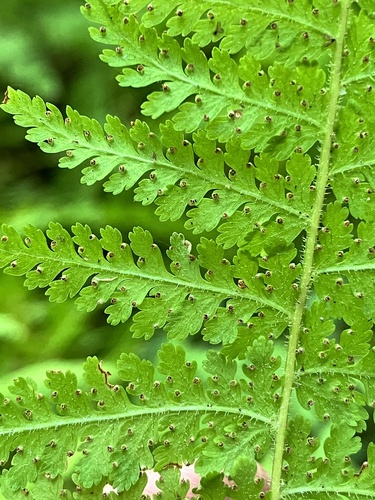
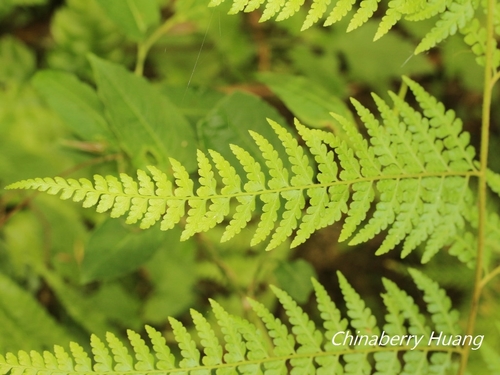
Bracken fern
pteridium aquilinum
Also known as: ["Bracken","Common bracken","Eagle fern","Fern bracken"]
Overview
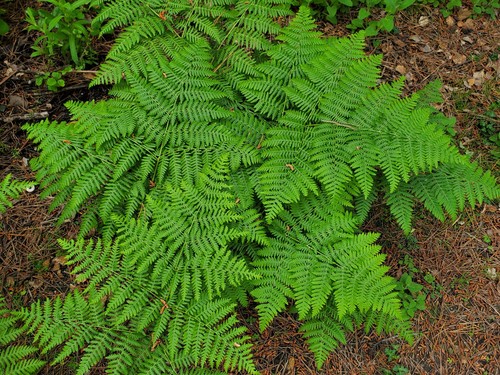
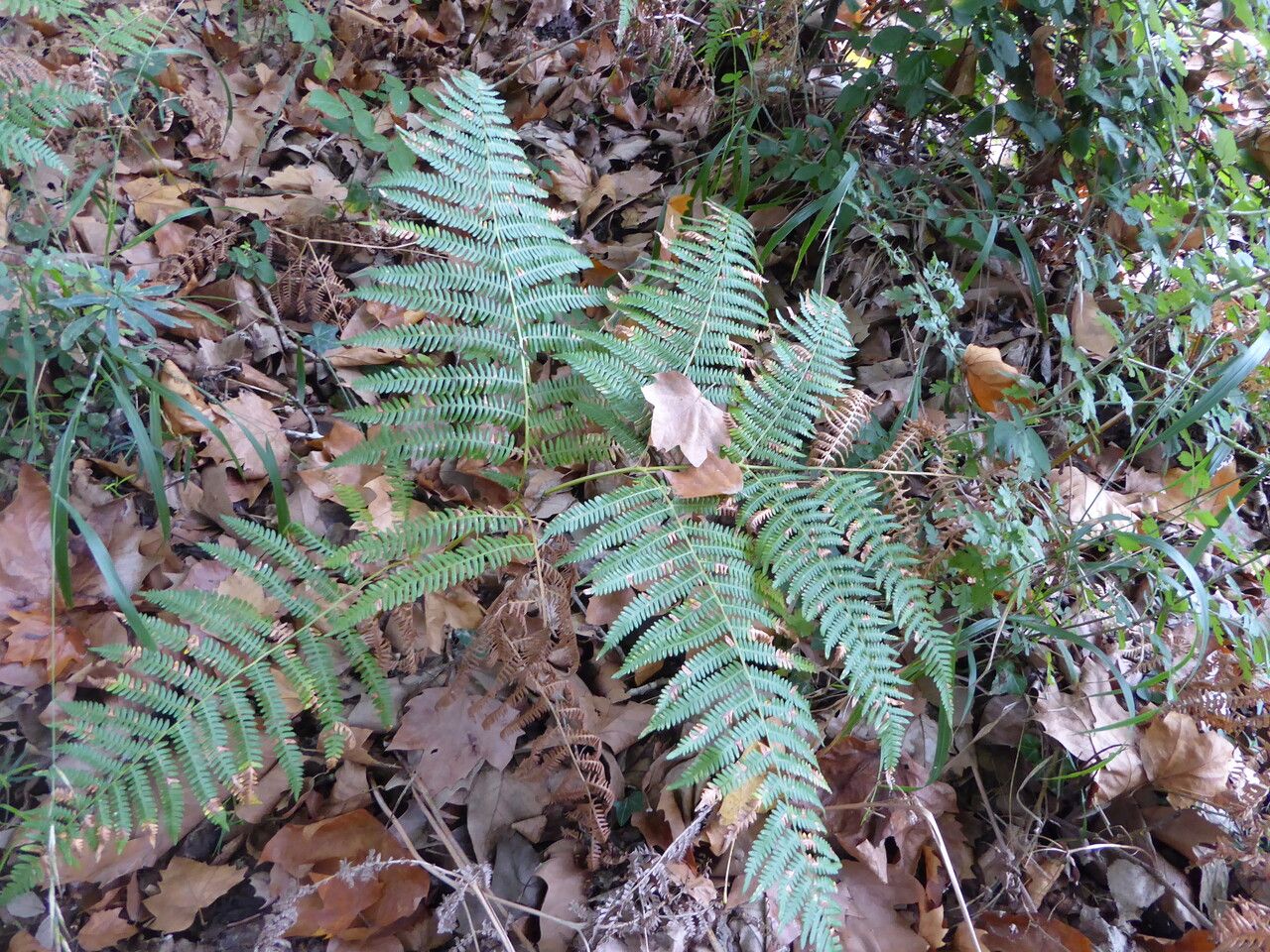
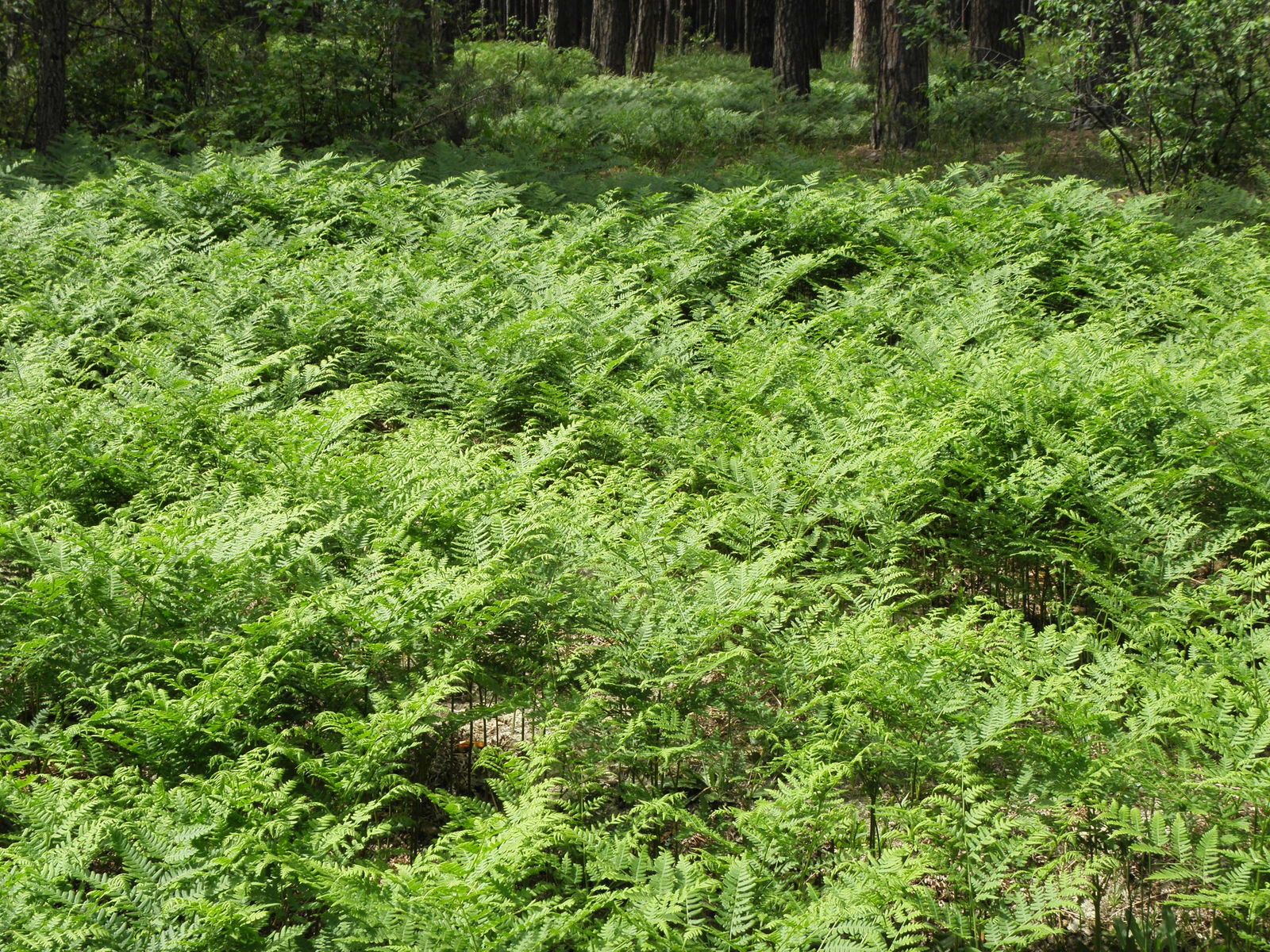
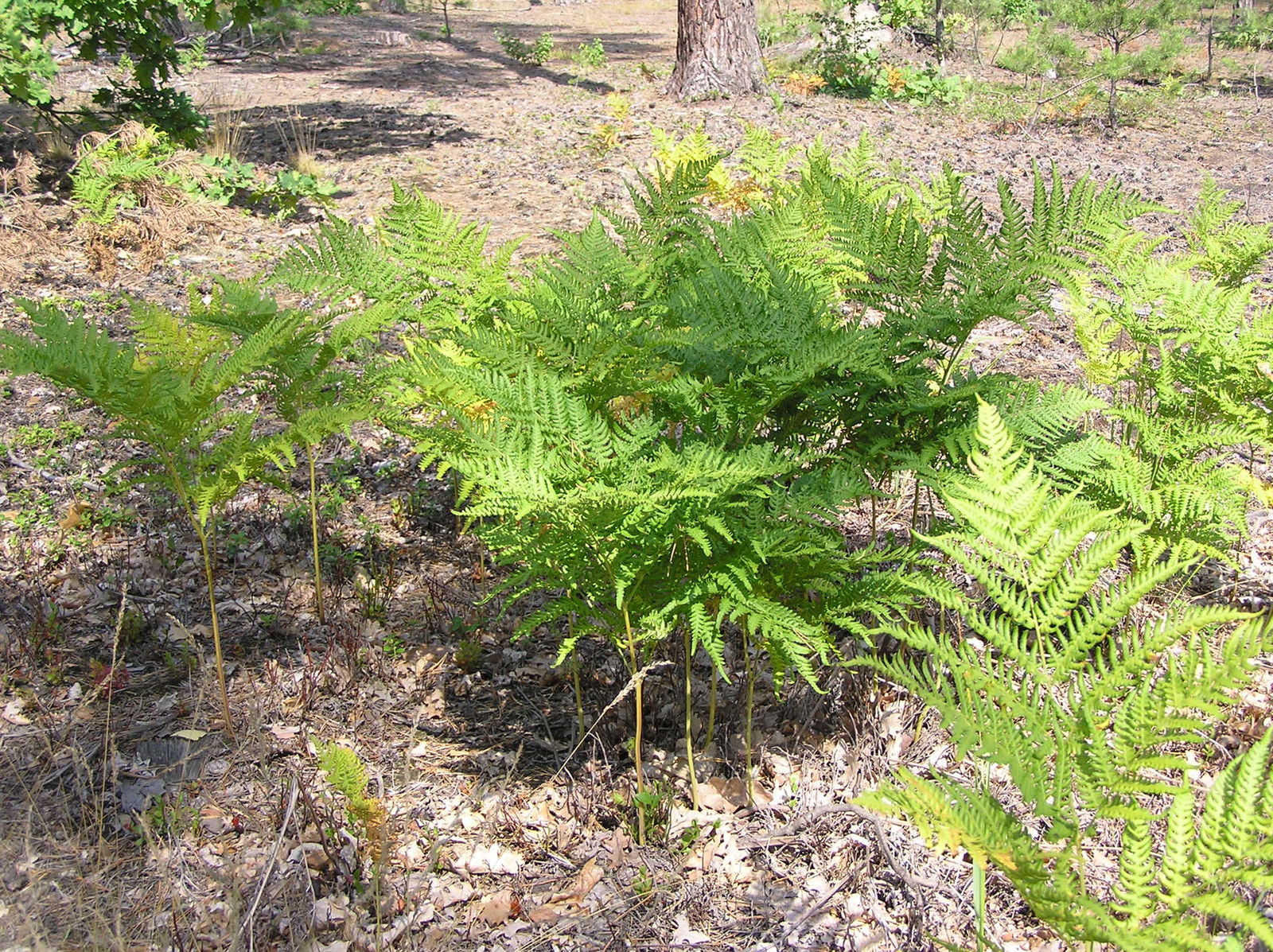
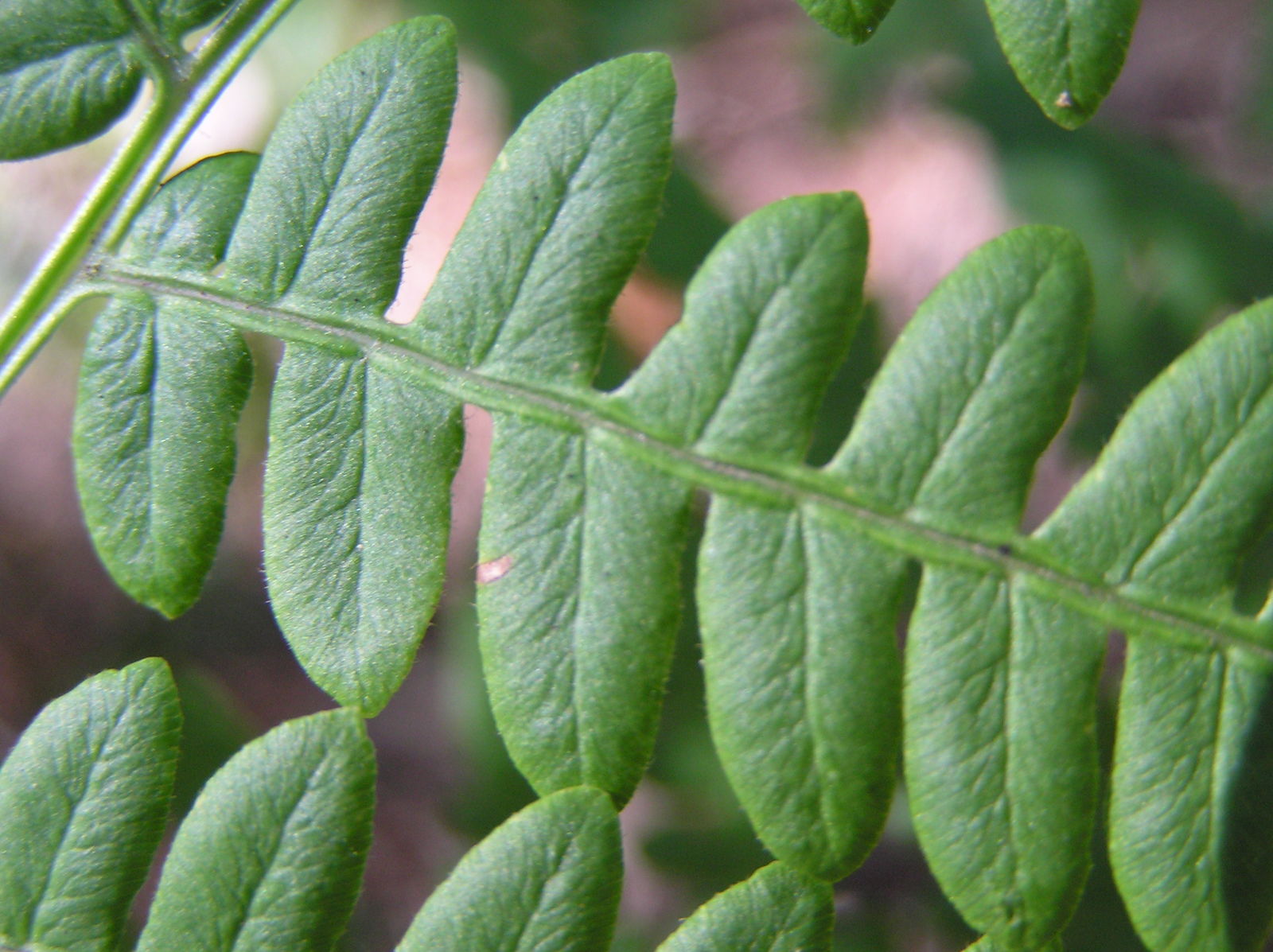
A large, coarse, deciduous fern with triangular fronds that can grow up to 2 meters tall. It is widely distributed in temperate and subtropical regions.
Benefits & Perks
["shade tolerant","wildlife attractant (bees, butterflies, birds)"]
Botanical Classification
| Phylum: | Tracheophyta |
| Class: | Polypodiopsida |
| Order: | Polypodiales |
| Family: | Dennstaedtiaceae |
| Genus: | Pteridium |
| Botanical Name: | Pteridium aquilinum |
Plant Characteristics
Basic Information
- Category: Leaf Plants
- Suitable Location: shady garden bed or woodland setting
- Suitable For:
- Is Weed: No
- Allergenicity: low
Environmental Needs
- Climate: {"temperatureRange":"0–30°C"}
- Hardiness: {"zones":"3–8"}
- Misting: rarely required, only if ambient humidity is very low
- Drainage: Fast-draining to prevent waterlogging.
- Soil Type: Well-draining, slightly acidic soil with organic matter such as peat moss or leaf litter.
Maintenance Level
- Maintenance Level: very low
- Toughness Level: high
- Pruning Frequency: As needed, typically in late winter or early spring before new growth begins.
- Pruning Intensity: Light pruning; only remove dead or yellowing fronds.
Care Details
Ideal Sunlight Coverage:
Prefers partial shade to full shade; tolerates low light conditions. In natural habitats, it thrives under forest canopies with dappled sunlight.
Sunlight Tolerance Tips:
Acclimate gradually to brighter light if moving from shade; avoid direct sunlight which can scorch fronds; maintain consistent light levels to prevent etiolation.
Care Requirements
Care Difficulty
easymoderate
Sunlight
partial shade to full shade
Avoid direct sun; provide shade during peak hours; adjust light based on season.
Watering
every 7–10 days, allowing soil to dry slightly between waterings
Water deeply to encourage deep roots; avoid waterlogging; adjust frequency based on season and growth stage.
Soil
well-draining, slightly acidic soil with organic matter
pH: Slightly acidic to neutral (pH 5.5–7.0).
Ensure good drainage; maintain slightly acidic pH; enrich with organic matter.
Temperature
Adaptable to a wide range, typically 50–75°F (10–24°C). Can tolerate cooler temperatures but prefers moderate conditions.
Protect from extreme cold; avoid direct sun in heat; maintain moderate temperatures.
Fertilizing
every 2–3 months during active growth with a balanced, diluted fertilizer
Dilute fertilizer to prevent burn; fertilize during active growth; stop in winter.
Propagation
Methods
Spores or rhizome division. Spore propagation is more common for home growers.
Step-by-Step Propagation Guide
- Collect mature spores.
- Prepare sterile medium.
- Scatter spores.
- Maintain high humidity.
- Wait for germination.
Best Time: Spring or early summer when the plant is actively growing.
Environment
High humidity (70–90%), warm temperatures (65–75°F), and indirect light.
Medium
A mix of peat moss and sand or specialized spore propagation medium.
Hormone
Not required for spore propagation; rooting hormone may aid rhizome division.
Timeline
Spores may take several weeks to germinate and months to develop into mature fronds.
Tools Needed
Spore collection kit, sterile medium, humidity dome, misting bottle.
Quick Tips
Use sterile tools; maintain high humidity; be patient with spore germination.
Pruning & Repotting
Pruning Guide
Method
Cut fronds at the base using clean, sharp tools to avoid damaging the rhizome.
Pruning Plan
Remove dead or damaged fronds to maintain appearance and prevent disease spread. No heavy pruning is needed.
Tools
Pruning shears, sterilized knife.
Checklist
Identify dead/damaged fronds; sterilize tools; cut cleanly at base; dispose of removed fronds.
Repotting Guide
Best Season
Early spring before the growing season begins.
Pot Size
One size larger pot; ensure good drainage holes.
Method
Gently remove the plant, trim any dead roots, place in a slightly larger pot with fresh, well-draining soil, and water lightly.
Suggestions
Repot only when the plant becomes root-bound or every 2–3 years to refresh the soil.
Checklist
Check root-bound status; prepare new pot; trim roots if needed; use fresh soil; water lightly.
Advanced Care Tips
Watering Mastery
Watering Checklist
Check soil moisture; water deeply; ensure drainage; adjust for season.
How to Apply Water Properly
Water at the base of the plant, ensuring even moisture distribution without wetting foliage. Water until it drains from the bottom, then allow the soil to dry slightly before the next watering.
Watering Schedule Tips
Water moderately during active growth, reducing frequency in winter dormancy. Allow soil to dry slightly between waterings to prevent root rot.
Soil Improvement
Add peat moss, perlite, or coarse sand to improve drainage and aeration.
Temperature Stress Management
Signs of Temperature Issues
Wilting, browning or yellowing fronds, stunted growth, or premature frond death.
Cold Stress
Slows growth and may cause fronds to turn brown or die back in prolonged cold.
Solution: Provide a protective layer of mulch around the base; move potted specimens to a sheltered location; avoid overwatering in cold conditions.
Hot Stress
Can lead to dehydration, wilting, and scorching of fronds if exposed to excessive heat and direct sun.
Solution: Increase humidity, provide shade during peak heat, and water more frequently to prevent drying out.
Fertilizing Guide
Fertilizing Checklist
Use balanced fertilizer; dilute properly; apply during growing season; avoid winter.
Fertilizing Method
Use a balanced, water-soluble fertilizer diluted to half strength every 4–6 weeks during the growing season (spring to early autumn). Avoid fertilizing in winter.
Common Problems & Solutions
Toxicity Warning
Cats
ToxicCats are susceptible to the toxic effects of Pteridium aquilinum, which can cause severe gastrointestinal distress and may pose long-term health risks due to carcinogenic compounds. The rhizomes are particularly dangerous.
⚠️ Symptoms:
🌿 Toxic Parts:
⚡ Toxic If:
if eaten
Dogs
ToxicIngestion of Pteridium aquilinum by dogs can lead to gastrointestinal upset and potential long-term health risks due to the presence of carcinogenic compounds. The rhizomes are especially hazardous.
⚠️ Symptoms:
🌿 Toxic Parts:
⚡ Toxic If:
if eaten
Humans
ToxicPteridium aquilinum contains carcinogenic compounds, including ptaquiloside, which can cause gastrointestinal distress and has been linked to esophageal cancer in populations with high consumption of ferns. The rhizomes are particularly concentrated in these toxins.
⚠️ Symptoms:
🌿 Toxic Parts:
⚡ Toxic If:
if eaten
Frequently Asked Questions
Q: Is bracken fern edible?
A: No, bracken fern is toxic to humans and animals if ingested.
Q: Does bracken fern require much care?
A: No, it is very low maintenance and can thrive in shaded areas with minimal attention.
Q: Is bracken fern considered a weed?
A: Yes, it is often considered an invasive weed due to its rapid spread and ability to outcompete other plants.
Quick Reference
| Family: | Dennstaedtiaceae |
| Care: | easy |
| Light: | partial shade to full shade |
| Water: | every 7–10 days, allowing so |
Get Expert Care Tips
Download the Plantious app for personalized care reminders and plant identification!
Google Play App Store