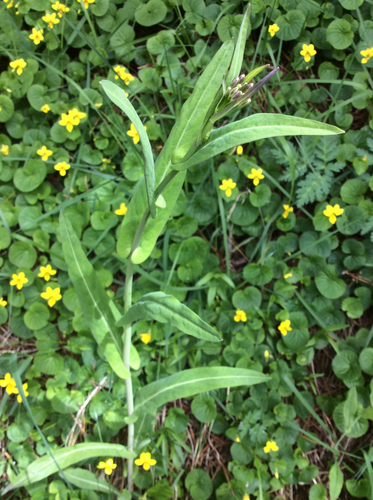
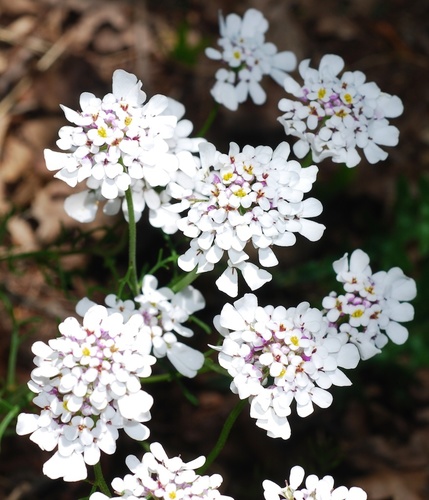
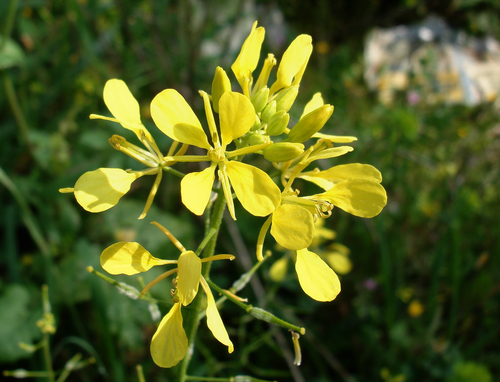
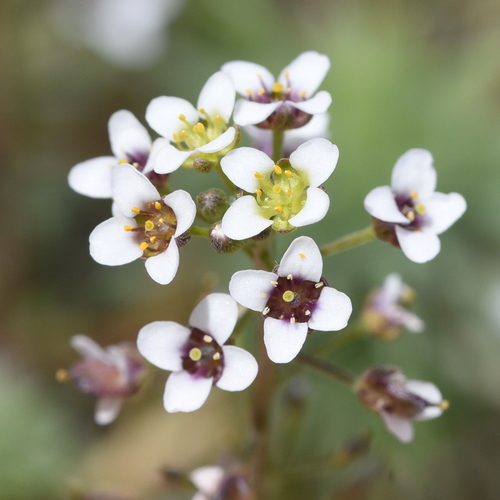
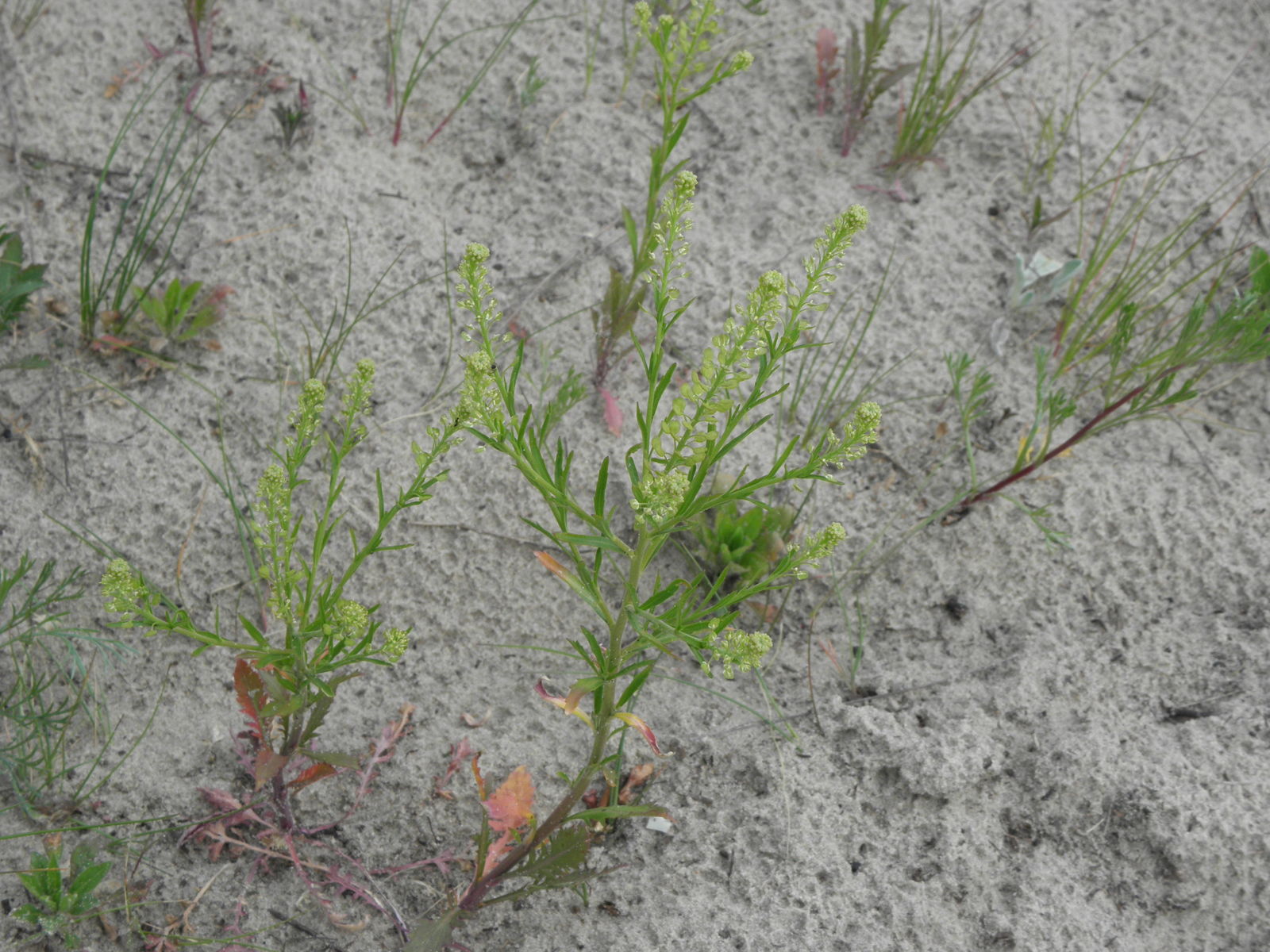
Field Pepperwort
lepidium ruderale
Also known as: ["Rough Pepperwort","Garlic Mustard"]
Overview
A small annual herbaceous plant in the Brassicaceae family, often found in disturbed soils and waste areas.
Benefits & Perks
["drought tolerant","shade tolerant","wildlife attractant (bees, butterflies, birds)"]
Botanical Classification
| Phylum: | Magnoliophyta |
| Class: | Magnoliopsida |
| Order: | Brassicales |
| Family: | Brassicaceae |
| Genus: | Lepidium |
| Botanical Name: | Lepidium ruderale |
Plant Characteristics
Basic Information
- Category: Herbs & Weeds
- Suitable Location: garden bed or container in open, sunny area
- Suitable For:
- Is Weed: No
- Allergenicity: low
Environmental Needs
- Climate: {"temperatureRange":"5–30°C"}
- Hardiness: {"zones":"7–10"}
- Misting: rarely required
- Drainage: Fast-draining to prevent waterlogging.
- Soil Type: Well-draining, sandy loam with some organic matter; tolerates poor soils.
Maintenance Level
- Maintenance Level: very low
- Toughness Level: very high
- Pruning Frequency: As needed; remove spent flowers or damaged leaves throughout the growing season.
- Pruning Intensity: Light pruning; avoid heavy cuts unless removing dead growth.
Care Details
Ideal Sunlight Coverage:
Full sun (6–8 hours/day); tolerates partial shade but may become leggy.
Sunlight Tolerance Tips:
Acclimate plants gradually to intense sunlight; protect from harsh afternoon sun in hot climates; ensure adequate light indoors to prevent etiolation.
Care Requirements
Care Difficulty
very easyeasy
Sunlight
full sun to partial shade
Rotate plant for even light exposure; use sheer curtains to filter intense sun; supplement with grow lights if indoors.
Watering
every 7–10 days during active growth, reduce in winter
Water deeply but infrequently; ensure soil dries between waterings; avoid overwatering to prevent fungal issues.
Soil
well-drained, sandy loam
pH: Slightly acidic to neutral (pH 6.0–7.0).
Avoid heavy clay soils; use raised beds for better drainage; amend with organic matter for nutrients.
Temperature
Prefers moderate temperatures (60–75°F/15–24°C); tolerates cooler conditions but may bolt in excessive heat.
Avoid sudden temperature fluctuations; protect from drafts; maintain consistent temperatures for optimal growth.
Fertilizing
every 4–6 weeks during growing season
Apply fertilizer after watering to prevent root burn; use organic options like compost tea for gentle feeding; stop fertilizing when plant is dormant.
Propagation
Methods
Seed propagation is most common; stem cuttings can also be used for some varieties.
Step-by-Step Propagation Guide
- Sow seeds shallowly or take stem cuttings.
- Keep moist and warm.
- Transplant once established.
Best Time: Spring or early summer when temperatures are mild and growth is active.
Environment
Warm (70–75°F/21–24°C), high humidity (60–70%), and bright indirect light.
Medium
Well-draining seed starting mix or cactus mix with perlite.
Hormone
Not typically required for seeds; rooting hormone may aid stem cuttings.
Timeline
Seeds germinate in 1–3 weeks; stem cuttings root in 2–4 weeks and establish in 1–2 months.
Tools Needed
Seed trays, pots, rooting hormone (optional), misting spray bottle, heat mat (optional).
Quick Tips
Use fresh seeds for best germination; maintain consistent moisture; provide gentle warmth for faster rooting.
Pruning & Repotting
Pruning Guide
Method
Snip off dead or yellowing leaves at the base; deadhead flowers to encourage further blooming.
Pruning Plan
Minimal pruning needed; focus on removing dead or diseased foliage to maintain plant health.
Tools
Clean scissors or pruning shears, gloves.
Checklist
Disinfect tools before use; prune dead or diseased parts; remove spent flowers; avoid over-pruning.
Repotting Guide
Best Season
Spring, before the active growing season begins.
Pot Size
One size larger pot (e.g., +2 inches in diameter); ensure good drainage.
Method
Remove plant gently, trim roots if necessary, place in a slightly larger pot with fresh soil, water lightly.
Suggestions
Repot only when root-bound or soil is depleted; typically every 2–3 years.
Checklist
Choose appropriate pot size; use fresh, well-draining soil; trim roots if crowded; water after repotting.
Advanced Care Tips
Watering Mastery
Watering Checklist
Check soil moisture before watering; water deeply at the base; ensure proper drainage; reduce frequency in cooler months.
How to Apply Water Properly
Water at the base of the plant, ensuring moisture reaches the root zone; avoid wetting foliage to reduce disease risk; allow excess water to drain away.
Watering Schedule Tips
Water lightly and infrequently, allowing soil to dry between waterings; reduce watering in winter to prevent root rot.
Soil Improvement
Add perlite or sand for drainage; incorporate compost for fertility; ensure soil is loose and airy.
Temperature Stress Management
Signs of Temperature Issues
Yellowing leaves (cold stress), wilting or bolting (heat stress), reduced flowering.
Cold Stress
Slows growth, may cause leaf yellowing or stunted development; susceptible to frost damage.
Solution: Provide frost protection in cold climates; move containers indoors during freezes; use row covers for garden plants.
Hot Stress
Leaves may wilt, flower buds drop, or plant may bolt prematurely; growth may become sparse.
Solution: Provide afternoon shade; increase watering frequency; use mulch to retain soil moisture; ensure good air circulation.
Fertilizing Guide
Fertilizing Checklist
Use diluted fertilizer; apply during growing season; avoid winter feeding; monitor for nutrient burn.
Fertilizing Method
Use a balanced, water-soluble fertilizer diluted to half strength; fertilize every 4–6 weeks during active growth; avoid fertilizing in winter.
Common Problems & Solutions
Toxicity Warning
Cats
Slightly ToxicCats may experience mild gastrointestinal irritation if they consume significant amounts of Lepidium ruderale. The glucosinolates present can cause digestive upset and, in rare cases, thyroid issues.
⚠️ Symptoms:
🌿 Toxic Parts:
⚡ Toxic If:
if eaten in large quantities
Dogs
Slightly ToxicIn dogs, ingestion of large quantities of Lepidium ruderale may lead to mild gastrointestinal upset due to the presence of glucosinolates. Chronic exposure could potentially affect thyroid function.
⚠️ Symptoms:
🌿 Toxic Parts:
⚡ Toxic If:
if eaten in large quantities
Humans
Slightly ToxicLepidium ruderale contains glucosinolates, which can cause mild gastrointestinal distress and potential goiter development if consumed in excessive amounts over time. The physiological impact is primarily related to thyroid function disruption and digestive irritation.
⚠️ Symptoms:
🌿 Toxic Parts:
⚡ Toxic If:
if eaten in large quantities
Frequently Asked Questions
Q: Is Field Pepperwort edible?
A: While some Lepidium species are edible, L. ruderale is not commonly consumed and its edibility is uncertain.
Q: Does Field Pepperwort spread easily?
A: Yes, it is known for its rapid spread in disturbed areas, often acting as a weed.
Q: How can I control Field Pepperwort in my garden?
A: Hand-pulling or using herbicides can help manage its spread.
Quick Reference
| Family: | Brassicaceae |
| Care: | very easy |
| Light: | full sun to partial shade |
| Water: | every 7–10 days during activ |
Get Expert Care Tips
Download the Plantious app for personalized care reminders and plant identification!
Google Play App Store