Starbur
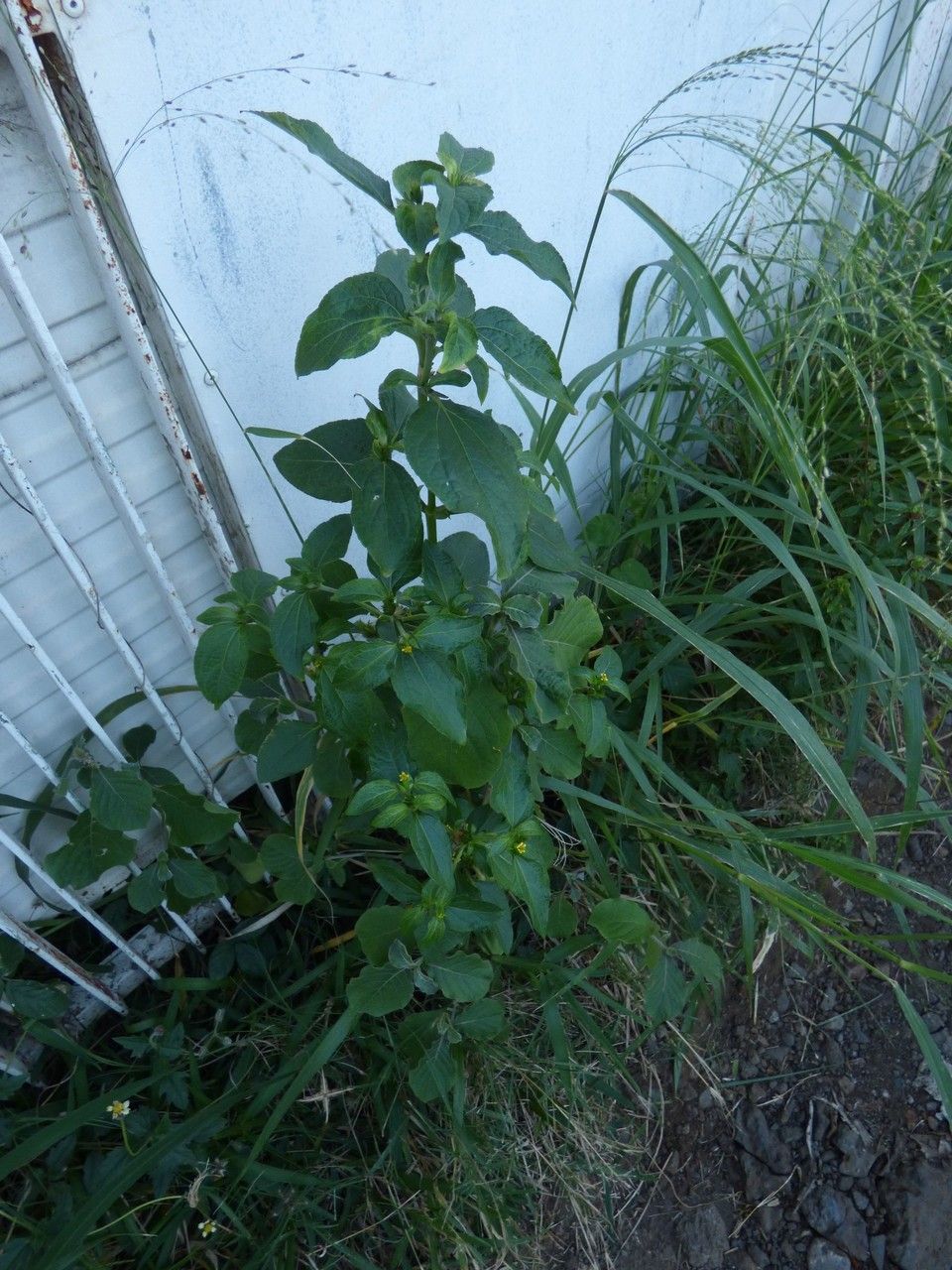
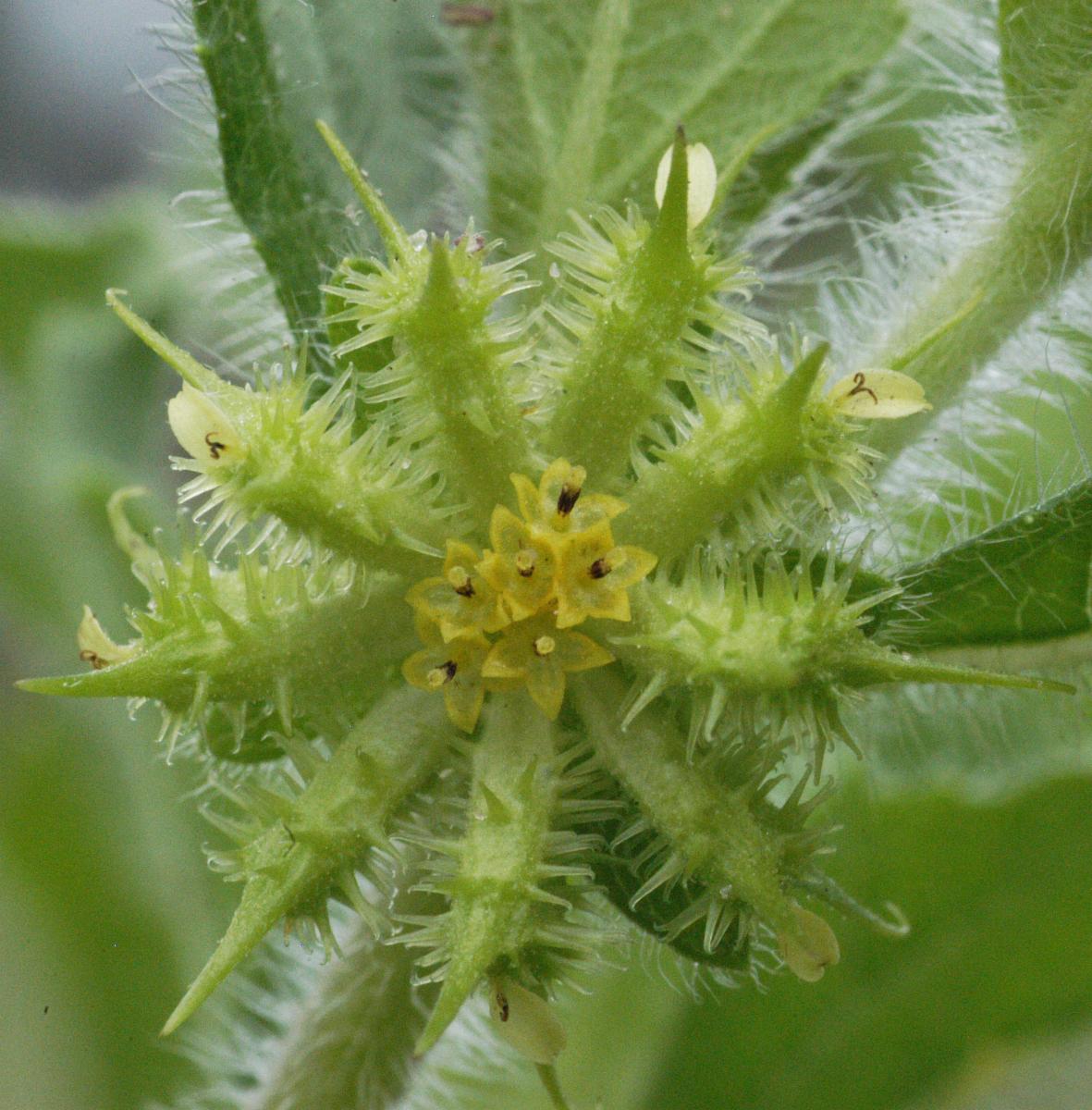
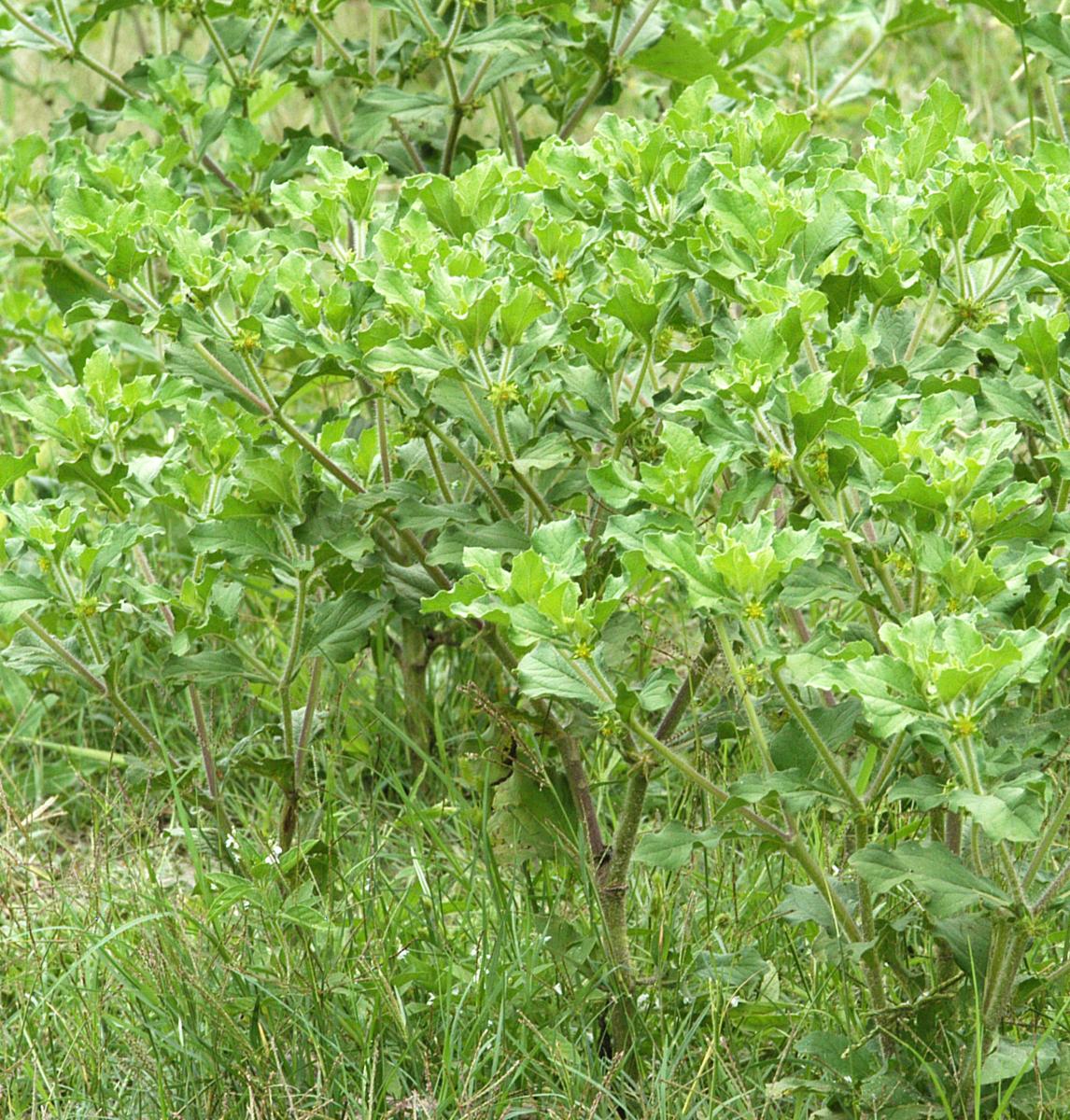
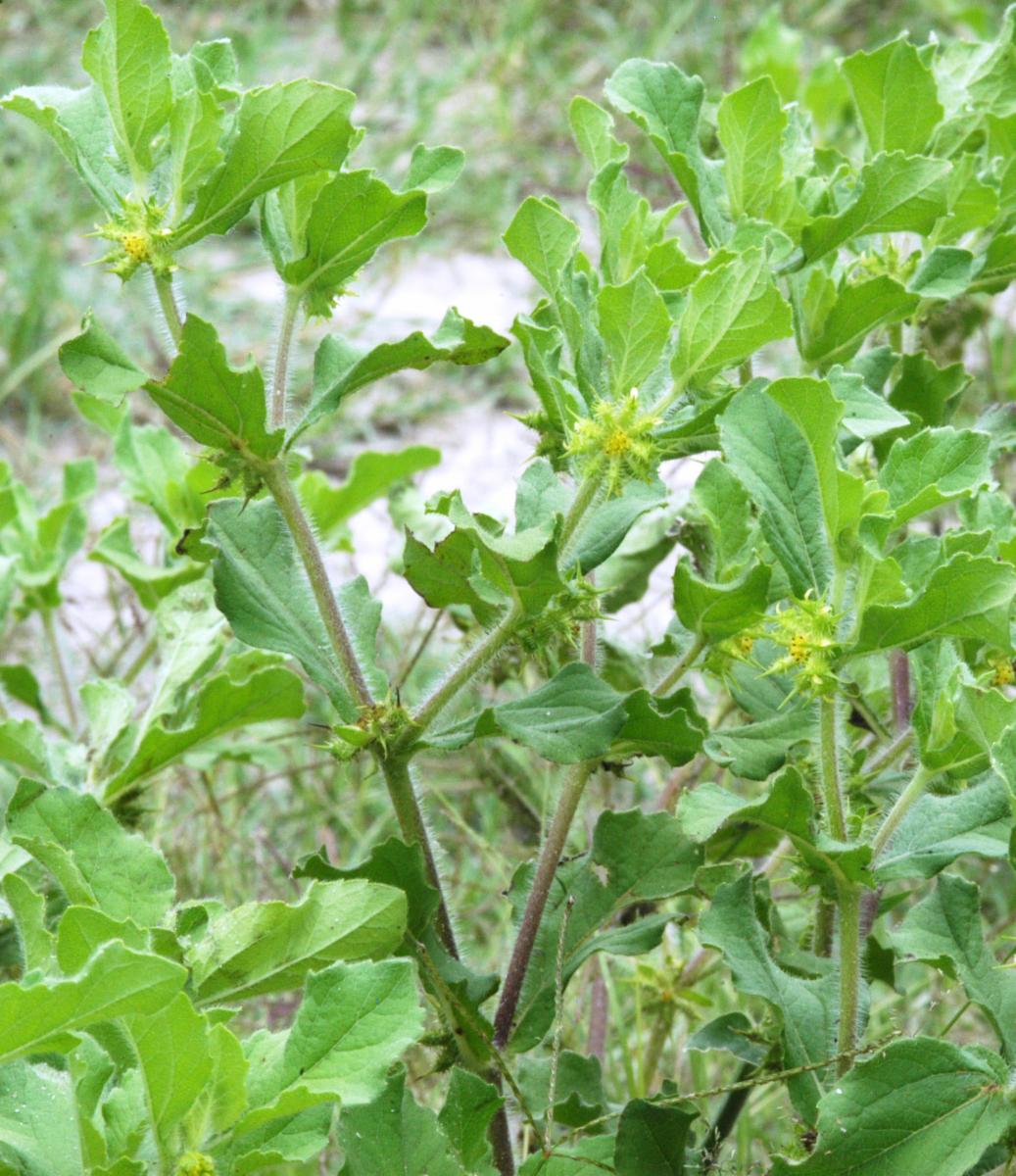
acanthospermum hispidum
Also known as: ["Prickly Starbur","Hispid Starbur"]
Overview
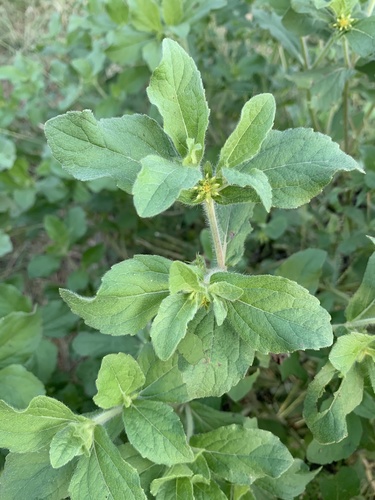
A herbaceous annual plant native to tropical and subtropical regions, known for its spiny fruits and yellow flowers.
Benefits & Perks
["drought tolerant","wildlife attractant (bees, butterflies, birds)"]
Botanical Classification
| Phylum: | Magnoliophyta |
| Class: | Magnoliopsida |
| Order: | Asterales |
| Family: | Asteraceae |
| Genus: | Acanthospermum |
| Botanical Name: | Acanthospermum hispidum |
Plant Characteristics
Basic Information
- Category: Herbs & Weeds
- Suitable Location: outdoor garden bed in warm, sunny area
- Suitable For:
- Is Weed: No
- Allergenicity: low
Environmental Needs
- Climate: {"temperatureRange":"15–35°C"}
- Hardiness: {"zones":"9–11"}
- Misting: rarely required, only if ambient humidity is very low
- Drainage: Fast-draining to prevent waterlogging.
- Soil Type: Well-draining, loamy soil with added organic matter; cactus or succulent mix works well.
Maintenance Level
- Maintenance Level: very low
- Toughness Level: very high
- Pruning Frequency: Light pruning every 2–3 months; heavy pruning annually or after flowering.
- Pruning Intensity: Moderate to heavy, depending on desired shape and growth habit.
Care Details
Ideal Sunlight Coverage:
Full sun to partial shade (4–6 hours of direct sunlight daily); tolerates some shade in hot climates.
Sunlight Tolerance Tips:
Acclimate plants gradually to intense sunlight; protect from harsh midday sun; adjust placement based on seasonal light intensity.
Care Requirements
Care Difficulty
very easymoderate
Sunlight
full sun to partial shade
Rotate plant for even growth; use sheer curtains to filter intense light; avoid sudden light changes.
Watering
every 7–10 days during active growth, reduce in winter
Water thoroughly but infrequently; ensure soil dries between waterings; avoid wetting foliage.
Soil
well-draining, sandy loam with moderate organic content
pH: Slightly acidic to neutral (pH 6.0–7.0).
Use a mix that doesn’t retain excess moisture; avoid heavy clay soils; ensure pots have drainage holes.
Temperature
Prefers warm temperatures (65–85°F or 18–29°C); thrives in tropical to subtropical climates.
Monitor temperature fluctuations; protect from drafts; adjust care based on seasonal changes.
Fertilizing
every 4–6 weeks during growing season with balanced liquid fertilizer
Apply fertilizer after watering; flush soil occasionally to prevent salt buildup; reduce frequency in dormant periods.
Propagation
Methods
Stem cuttings or seeds; stem cuttings are more reliable for home growers.
Step-by-Step Propagation Guide
- Take a 4–6 inch cutting.
- Remove lower leaves.
- Dip in rooting hormone.
- Plant in medium.
- Keep moist and warm.
Best Time: Spring or early summer when the plant is actively growing.
Environment
Warm (70–75°F or 21–24°C), humid, and bright indirect light with some shade.
Medium
Well-draining mix of perlite and peat moss or cactus potting mix.
Hormone
Rooting hormone is recommended to speed up root development.
Timeline
Roots may develop in 2–4 weeks; establish in new pot within 2–3 months.
Tools Needed
Pruning shears, rooting hormone, small pots, well-draining medium.
Quick Tips
Use healthy, non-flowering stems; maintain consistent moisture; provide bottom heat if possible.
Pruning & Repotting
Pruning Guide
Method
Pinch back tips for bushiness; cut back stems to encourage new growth; remove leggy or overgrown branches.
Pruning Plan
Prune to maintain shape, encourage bushier growth, and remove dead or diseased parts.
Tools
Clean, sharp pruning shears or scissors.
Checklist
Sanitize tools; prune during active growth; remove dead or crossing branches; shape as desired.
Repotting Guide
Best Season
Spring, before the active growing season begins.
Pot Size
Increase pot size by 1–2 inches in diameter; ensure good drainage.
Method
Remove plant gently; trim roots if necessary; place in a new pot with fresh soil; water lightly.
Suggestions
Repot every 1–2 years or when roots outgrow the pot; beneficial for growth and health.
Checklist
Choose appropriate pot; prepare new soil mix; handle roots carefully; water after repotting.
Advanced Care Tips
Watering Mastery
Watering Checklist
Check soil moisture; water deeply; ensure drainage; avoid wetting leaves.
How to Apply Water Properly
Water at the base of the plant, ensuring moisture reaches the root zone; allow excess water to drain freely; water in the morning to reduce evaporation and fungal risk.
Watering Schedule Tips
Water deeply once the top inch of soil feels dry; reduce frequency in winter to prevent root rot.
Soil Improvement
Add perlite or coarse sand for drainage; incorporate compost for fertility; ensure aeration with organic matter.
Temperature Stress Management
Signs of Temperature Issues
Wilting, leaf drop, or stunted growth in cold; scorching or leaf burn in excessive heat.
Cold Stress
Growth slows or halts; leaves may turn yellow or brown; risk of frost damage in temperatures below 50°F (10°C).
Solution: Move to a warmer location; provide frost protection; reduce watering in cool conditions.
Hot Stress
Leaves may wilt, curl, or scorch; growth may slow; increased water demand.
Solution: Provide shade during peak heat; increase watering frequency; ensure good air circulation.
Fertilizing Guide
Fertilizing Checklist
Check fertilizer type; dilute correctly; apply during active growth; avoid over-fertilization.
Fertilizing Method
Use a balanced liquid fertilizer diluted to half strength every 4–6 weeks during growing season (spring to summer); avoid fertilizing in winter.
Common Problems & Solutions
Toxicity Warning
Cats
Slightly ToxicCats may experience mild gastrointestinal distress if they ingest Acanthospermum hispidum, primarily due to the plant's saponins and the mechanical irritation caused by its barbed hairs.
⚠️ Symptoms:
🌿 Toxic Parts:
⚡ Toxic If:
if ingested
Dogs
Slightly ToxicIngestion of Acanthospermum hispidum by dogs may cause mild gastrointestinal upset due to the plant's saponins and mechanical irritation from its barbed hairs.
⚠️ Symptoms:
🌿 Toxic Parts:
⚡ Toxic If:
if ingested
Humans
Slightly ToxicAcanthospermum hispidum contains small, barbed hairs that can cause mechanical irritation upon contact. Ingestion may lead to mild gastrointestinal discomfort due to the presence of saponins and other secondary metabolites.
⚠️ Symptoms:
🌿 Toxic Parts:
⚡ Toxic If:
if touched or ingested
Frequently Asked Questions
Q: Is Acanthospermum hispidum invasive?
A: Yes, it can be invasive in some regions due to its rapid growth and seed dispersal.
Q: Does it have any medicinal uses?
A: Limited traditional uses are reported, but no significant medicinal properties are scientifically validated.
Q: How does it spread?
A: It spreads primarily through its spiny fruits that attach to animals and clothing, aiding dispersal.
Quick Reference
| Family: | Asteraceae |
| Care: | very easy |
| Light: | full sun to partial shade |
| Water: | every 7–10 days during activ |
Get Expert Care Tips
Download the Plantious app for personalized care reminders and plant identification!
Google Play App Store