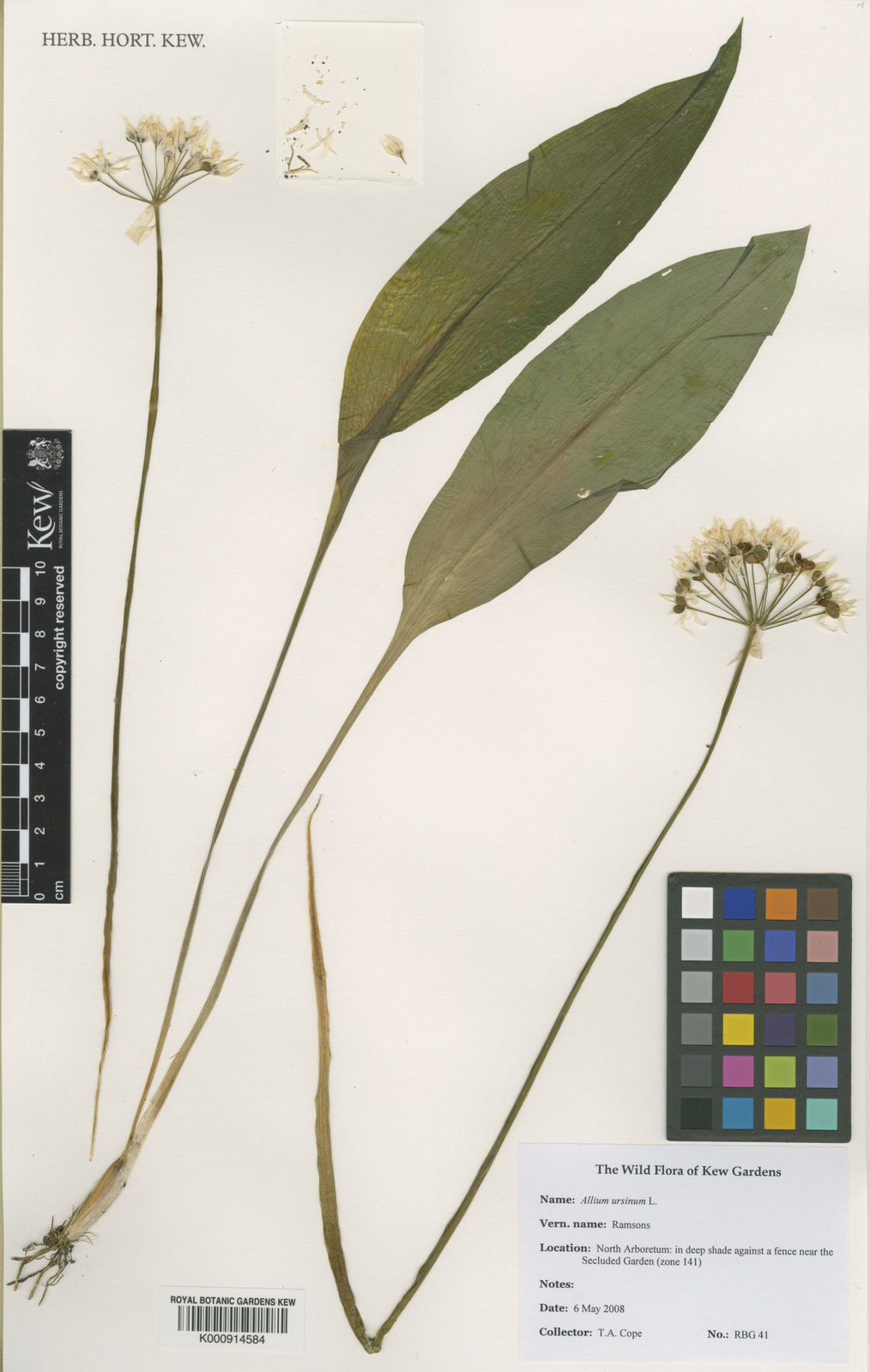
Wild Garlic, Ramsons
allium ursinum
Also known as: ["Bear Garlic","Wild Leek"]
Overview
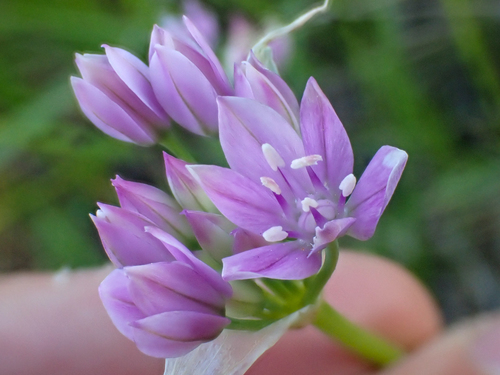
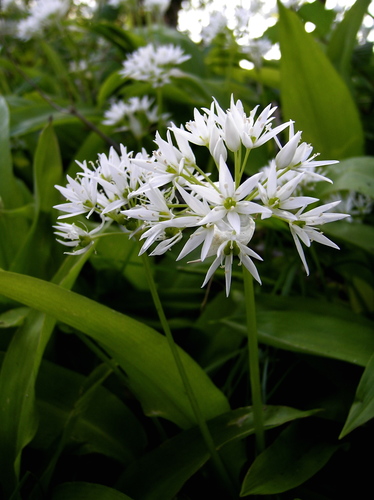
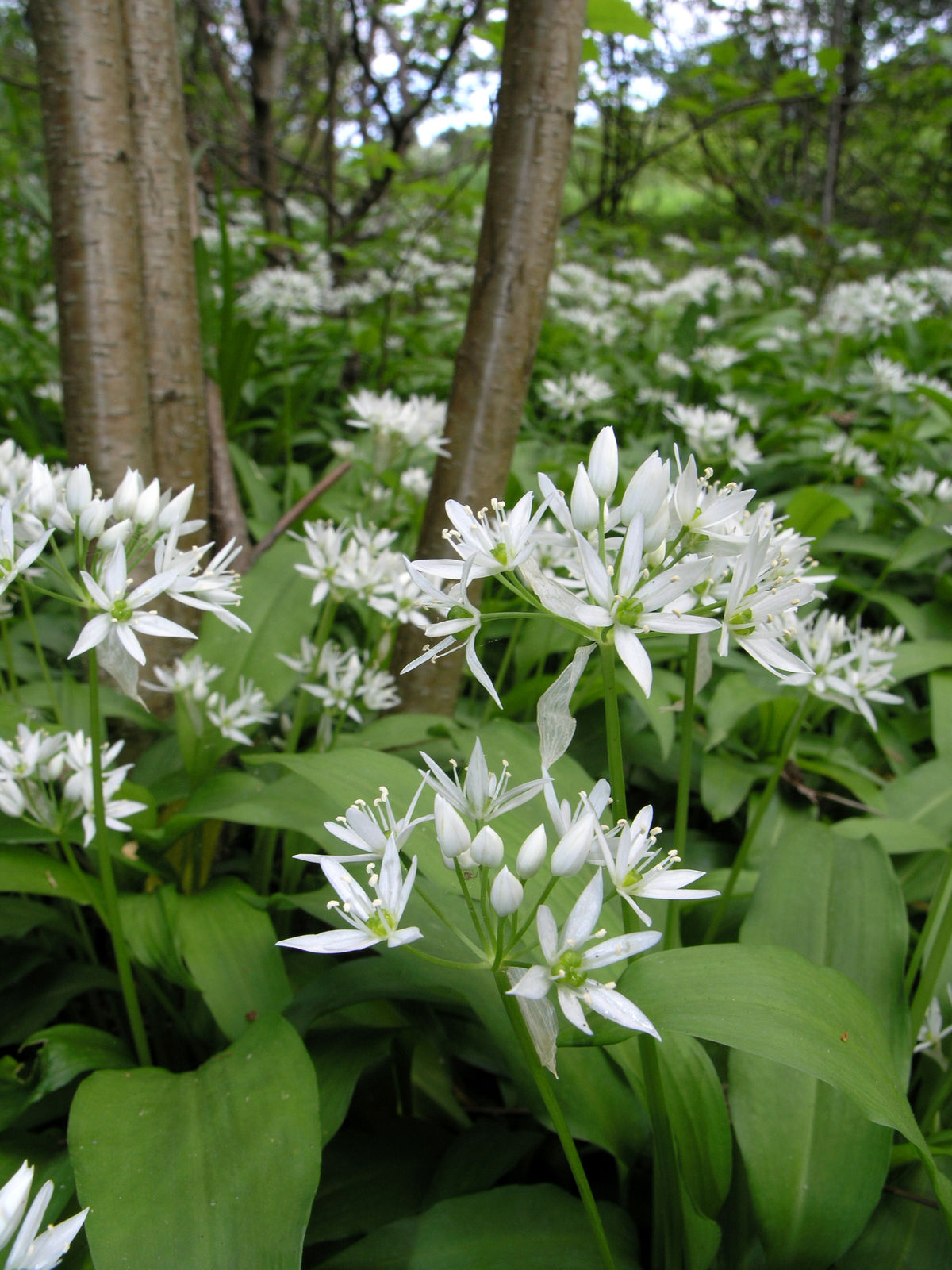
A bulbous perennial herb native to Europe and Asia, known for its garlic-scented leaves and white flowers.
Benefits & Perks
["culinary herb","medicinal use","wildlife attractant (bees, butterflies, birds)","shade tolerant"]
Botanical Classification
| Phylum: | Magnoliophyta |
| Class: | Liliopsida |
| Order: | Asparagales |
| Family: | Amaryllidaceae |
| Genus: | Allium |
| Botanical Name: | Allium ursinum |
Plant Characteristics
Basic Information
- Category: Herbs & Weeds
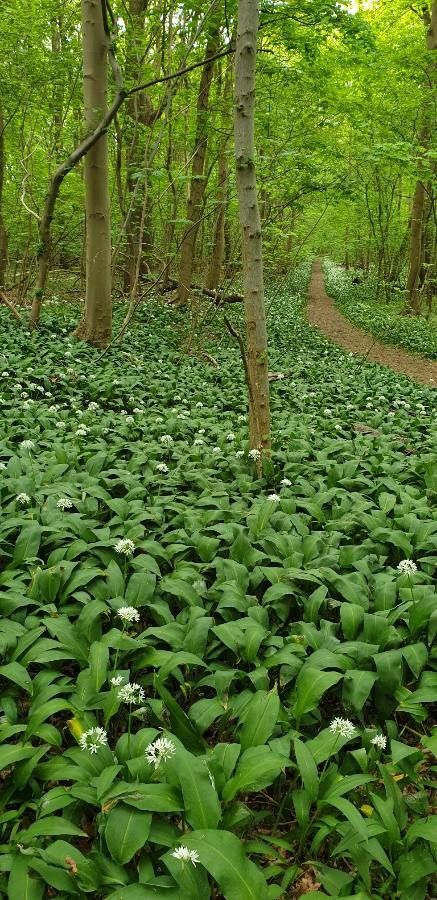
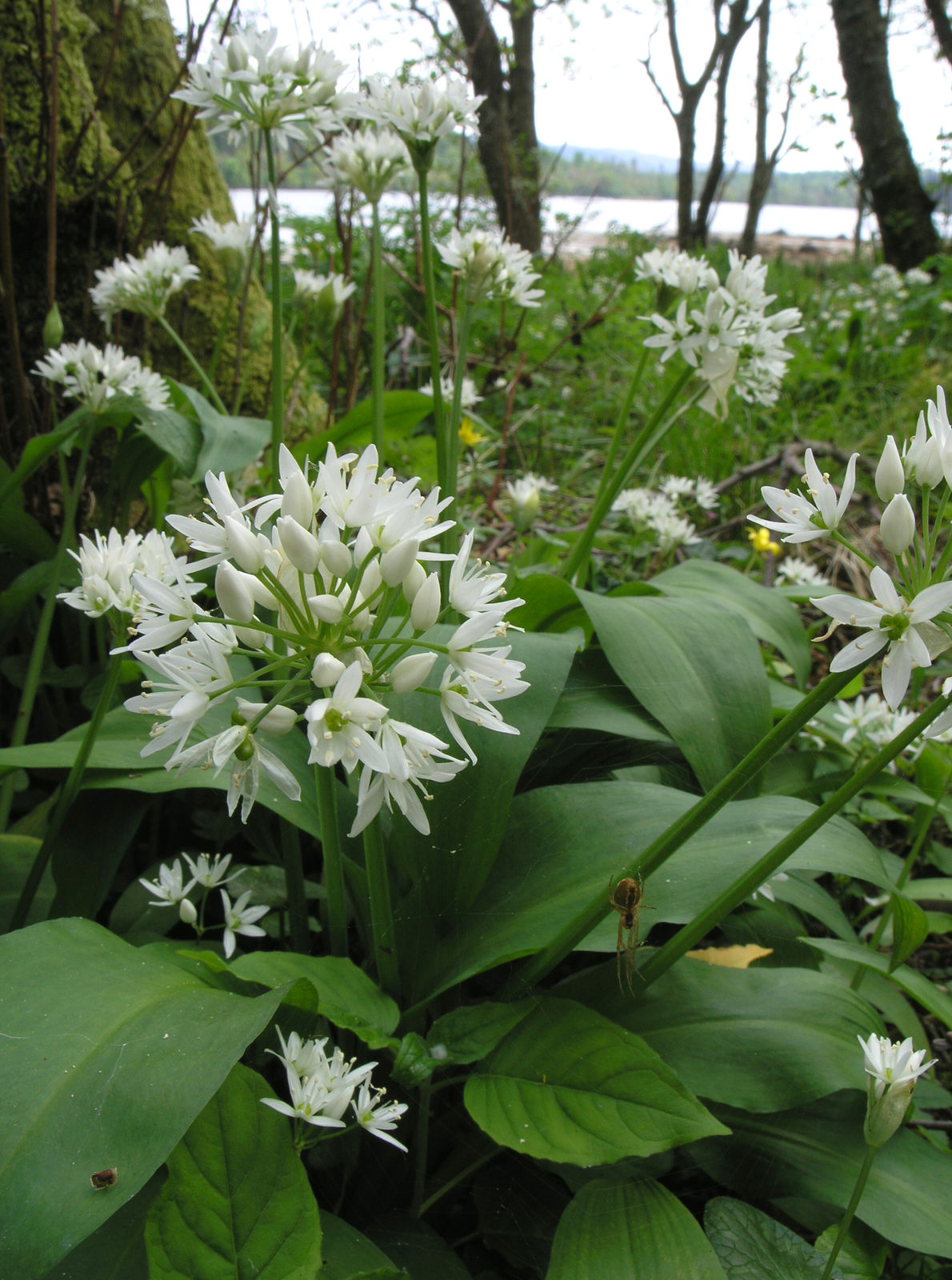
- Suitable Location: woodland garden or shaded border
- Suitable For:
- Is Weed: No
- Allergenicity: low
Environmental Needs
- Climate: {"temperatureRange":"0–30°C"}
- Hardiness: {"zones":"3–7"}
- Misting: rarely required, only if ambient humidity is very low
- Drainage: Well-draining to moist but not waterlogged.
- Soil Type: Rich, moist, well-drained loamy soil with plenty of organic matter.
Maintenance Level
- Maintenance Level: moderate
- Toughness Level: moderate
- Pruning Frequency: As needed after flowering; remove yellowing leaves in late summer.
- Pruning Intensity: Light
Care Details
Ideal Sunlight Coverage:
Partial shade to full shade; 3–4 hours of morning sunlight or dappled light is ideal, especially in cooler climates.
Sunlight Tolerance Tips:
Acclimate gradually to brighter light if moving from deep shade; protect from intense afternoon sun to prevent leaf scorch; ideal for woodland or shaded garden beds.
Care Requirements
Care Difficulty
easymoderate
Sunlight
partial shade to full shade
Plant under deciduous trees for dappled light; avoid direct midday sun; adjust placement based on seasonal light changes.
Watering
every 7–10 days during active growth, reduce in winter
Water thoroughly but infrequently to encourage deep roots; avoid waterlogging, especially during dormancy; adjust frequency based on rainfall and soil moisture retention.
Soil
rich, moist, well-drained loamy soil
pH: Slightly acidic to neutral (pH 6.0–7.0).
Ensure consistent moisture retention; avoid compacted soil; enrich with organic matter annually.
Temperature
Cool to moderate temperatures, ideally 50–70°F (10–21°C); thrives in spring and early summer, becoming dormant in hot summers.
Mulch to regulate soil temperature; water deeply during heatwaves; plant in a location with natural cooling (e.g., near water or trees).
Fertilizing
every 4–6 weeks during spring and summer
Fertilize sparingly; apply before active growth starts; discontinue after foliage begins to die back.
Propagation
Methods
Division of bulbs or seed propagation.
Step-by-Step Propagation Guide
- Divide bulbs by carefully lifting clumps and separating healthy bulbs.
- Sow seeds thinly in a prepared bed and cover lightly.
Best Time: Divide bulbs in late summer or early fall after dormancy; sow seeds in autumn for natural stratification.
Environment
Cool, shaded conditions with consistent moisture for seeds; bulbs prefer well-drained soil and partial shade.
Medium
Well-drained, humus-rich soil for bulbs; seedlings prefer a mix of peat and sand.
Hormone
Not required for bulb division; optional for seeds to encourage germination.
Timeline
Bulbs establish quickly in the first season; seeds may take 1–2 years to germinate and several years to flower.
Tools Needed
Garden fork, sharp knife, seed trays, labels.
Quick Tips
Divide only when clumps become overcrowded; protect seedlings from slugs and snails; be patient with seed germination.
Pruning & Repotting
Pruning Guide
Method
Snip flower stalks at the base after blooming; trim dead leaves carefully to avoid damaging emerging bulbs.
Pruning Plan
Minimal pruning needed; focus on removing spent flower stalks and dead foliage to maintain tidiness and bulb health.
Tools
Hand pruners, scissors.
Checklist
Remove spent flowers; trim yellowing leaves; avoid cutting into bulb necks; clean tools after use.
Repotting Guide
Best Season
Late summer or early fall, when bulbs are dormant.
Pot Size
Increase pot size by 2–3 inches if repotting in containers.
Method
Gently lift bulbs, remove old soil, and replant at the same depth in fresh, well-drained soil with adequate spacing.
Suggestions
Not typically required for outdoor cultivation; container-grown bulbs may need repotting every 2–3 years if overcrowded.
Checklist
Check for overcrowding; use fresh soil mix; replant at original depth; water lightly after repotting.
Advanced Care Tips
Watering Mastery
Watering Checklist
Check soil moisture before watering; water early in the day; avoid overhead watering; ensure proper drainage.
How to Apply Water Properly
Water at the base of the plant, ensuring moisture reaches the root zone without wetting foliage; allow excess water to drain freely; water in the morning to minimize evaporation and fungal risk.
Watering Schedule Tips
Water deeply once the top inch of soil feels dry, typically every 7–10 days in spring and early summer, reducing frequency to every 2–3 weeks in late summer and fall as growth slows.
Soil Improvement
Add compost or well-rotted manure to enhance fertility and structure; incorporate perlite or sand for drainage if needed.
Temperature Stress Management
Signs of Temperature Issues
Yellowing or wilting leaves in excessive heat; delayed growth or poor bulb development in overly cold conditions.
Cold Stress
Prolonged cold can inhibit bulb development and flowering; frost may damage tender foliage if not protected.
Solution: Plant in well-drained soil to prevent frost heave; apply a thick mulch layer in late fall for insulation; avoid planting in exposed, windy sites.
Hot Stress
Excessive heat can cause foliage to yellow and wither prematurely, reducing bulb vigor for the next season.
Solution: Ensure consistent moisture during dry spells; provide shade during peak heat; allow foliage to die back naturally before dormancy.
Fertilizing Guide
Fertilizing Checklist
Use balanced fertilizer; apply in early spring; avoid over-fertilization; water after application.
Fertilizing Method
Use a balanced, slow-release fertilizer in early spring as growth begins; avoid high-nitrogen formulas to prevent excessive leaf growth at the expense of bulbs.
Common Problems & Solutions
Toxicity Warning
Cats
ToxicSimilar to dogs, cats are susceptible to the toxic effects of Allium ursinum, which can cause oxidative damage to red blood cells, leading to hemolytic anemia.
⚠️ Symptoms:
🌿 Toxic Parts:
⚡ Toxic If:
if eaten
Dogs
ToxicAllium ursinum is toxic to dogs due to the presence of organosulfur compounds that can lead to hemolytic anemia, damaging red blood cells and impairing oxygen transport.
⚠️ Symptoms:
🌿 Toxic Parts:
⚡ Toxic If:
if eaten
Humans
Slightly ToxicAllium ursinum contains compounds similar to those in onions, which can cause oxidative damage to red blood cells if ingested in significant amounts. The toxicity is generally mild in humans but can be more pronounced in individuals with pre-existing health conditions.
⚠️ Symptoms:
🌿 Toxic Parts:
⚡ Toxic If:
if eaten in large quantities
Frequently Asked Questions
Q: Is Wild Garlic safe to eat?
A: Yes, but in moderation due to its mild toxicity; excessive consumption may cause gastrointestinal discomfort.
Q: How do I grow Wild Garlic?
A: Plant bulbs in autumn in moist, shaded woodland areas with well-drained soil.
Q: Does Wild Garlic attract wildlife?
A: Yes, it attracts bees, butterflies, and other pollinators with its fragrant flowers.
Quick Reference
| Family: | Amaryllidaceae |
| Care: | easy |
| Light: | partial shade to full shade |
| Water: | every 7–10 days during activ |
Get Expert Care Tips
Download the Plantious app for personalized care reminders and plant identification!
Google Play App Store