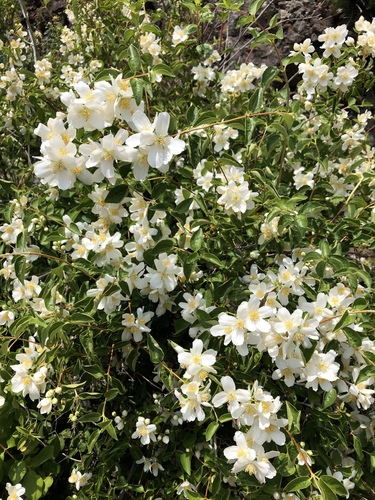
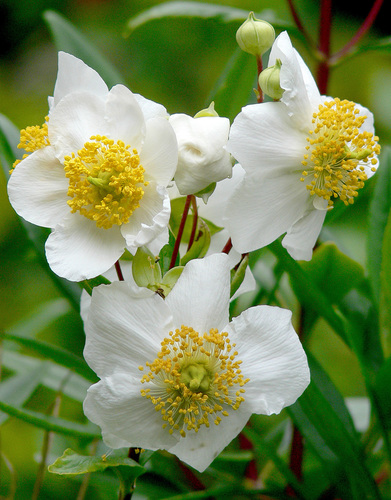
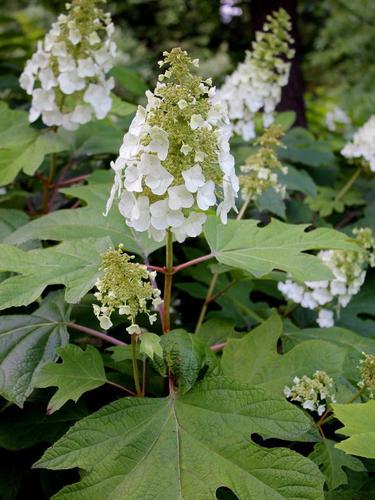
Smooth Hydrangea
hydrangea arborescens
Also known as: ["Annabelle Hydrangea","Sevenbark"]
Overview
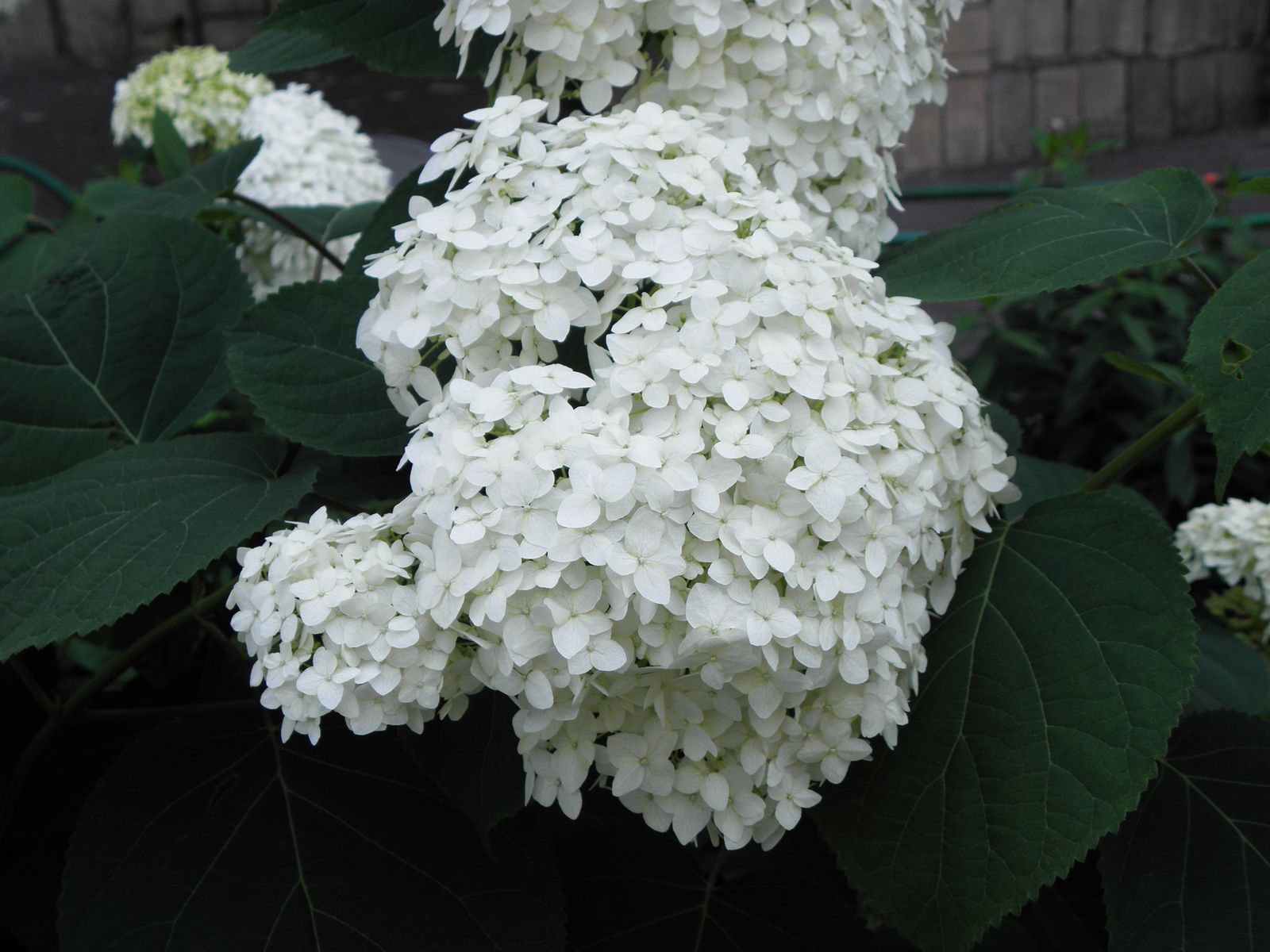
A deciduous shrub native to eastern North America, known for its large, rounded clusters of white flowers.
Benefits & Perks
["long-flowering","deer resistant","wildlife attractant (bees, butterflies, birds)","shade tolerant"]
Botanical Classification
| Phylum: | Magnoliophyta |
| Class: | Magnoliopsida |
| Order: | Cornales |
| Family: | Hydrangeaceae |
| Genus: | Hydrangea |
| Botanical Name: | Hydrangea arborescens |
Plant Characteristics
Basic Information
- Category: Flowers
- Suitable Location: garden beds in partial shade, especially in warmer climates
- Suitable For:
- Is Weed: No
- Allergenicity: low
Environmental Needs
- Climate: {"temperatureRange":"–34–43°C"}
- Hardiness: {"zones":"3–9"}
- Misting: rarely required, only if grown in very dry indoor environments
- Drainage: Well-draining to moist but not waterlogged.
- Soil Type: Rich, moist, well-draining loam with organic matter.
Maintenance Level
- Maintenance Level: moderate
- Toughness Level: moderate
- Pruning Frequency: Annually in late winter or early spring before new growth begins.
- Pruning Intensity: Moderate to heavy; can be cut back to 6–12 inches from the ground for vigorous regrowth.
Care Details
Ideal Sunlight Coverage:
Partial shade to full sun (4–6 hours of morning sun with afternoon shade, especially in hot climates).
Sunlight Tolerance Tips:
Acclimate plants gradually to direct sun if moving from shade; protect from harsh afternoon sun to prevent leaf scorch; adjust placement based on seasonal light intensity.
Care Requirements
Care Difficulty
moderatemoderate
Sunlight
partial shade to full sun
Morning sun is ideal; provide afternoon shade in hot regions; avoid direct afternoon sun in summer.
Watering
every 7–10 days during active growth, more frequently in dry conditions
Water at the base of the plant to avoid foliage wetting; ensure soil is moist but not saturated; adjust frequency based on weather and soil moisture.
Soil
rich, moist, well-drained soil with high organic matter
pH: Slightly acidic to neutral (pH 5.5–7.0).
Ensure good drainage; amend with organic matter; maintain consistent moisture; avoid compacted soil.
Temperature
Prefers 60–75°F (15–24°C); tolerates cooler temperatures but requires protection below 20°F (-7°C).
Protect from frost; provide shade in summer; maintain consistent temperatures for optimal flowering.
Fertilizing
every 4–6 weeks during spring and summer with balanced, slow-release fertilizer
Fertilize once in spring; avoid over-fertilizing; use a balanced formula for healthy growth and blooms.
Propagation
Methods
Softwood or semi-hardwood cuttings in late spring or early summer.
Step-by-Step Propagation Guide
- Take 4–6 inch cuttings.
- Remove lower leaves.
- Dip in rooting hormone.
- Plant in medium.
- Maintain humidity.
- Transplant when rooted.
Best Time: Late spring to early summer when new growth is firm but not woody.
Environment
High humidity (70–90%), warm temperatures (70–75°F), and indirect light.
Medium
Peat-based mix with perlite or sand for good drainage.
Hormone
Rooting hormone is recommended for faster and more reliable rooting.
Timeline
Roots develop in 4–8 weeks; establish in pots or ground within 1–2 growing seasons.
Tools Needed
Pruning shears, rooting hormone, small pots, misting spray bottle, plastic bags or propagation dome.
Quick Tips
Use healthy, non-flowering stems; maintain consistent moisture; provide bottom heat for faster rooting.
Pruning & Repotting
Pruning Guide
Method
Selective removal of old stems at the base; thinning of crowded branches; shaping cuts to maintain form.
Pruning Plan
Prune to shape the plant, encourage bushier growth, and remove dead or weak stems to improve air circulation and flowering.
Tools
Sharp bypass pruners, loppers (for thicker stems), pruning saw (for large stems), disinfectant.
Checklist
Disinfect tools; prune before new growth; remove dead/diseased wood; shape evenly; clean up debris.
Repotting Guide
Best Season
Early spring before active growth starts.
Pot Size
Increase pot size by 2–3 inches in diameter; ensure drainage holes are clear.
Method
Remove plant gently; trim any circling roots; place in a slightly larger pot with fresh soil mix; water thoroughly.
Suggestions
Repot every 2–3 years or when roots fill the container; beneficial for container-grown plants to refresh soil and space.
Checklist
Choose appropriate pot size; prepare fresh soil mix; trim roots if necessary; water after repotting; place in shade for a few days.
Advanced Care Tips
Watering Mastery
Watering Checklist
Check soil moisture before watering; water deeply at the base; avoid overhead watering; ensure proper drainage.
How to Apply Water Properly
Water slowly at the root zone to allow deep penetration, ensuring moisture reaches the root ball. Water early in the morning to minimize evaporation and fungal issues. Stop when water drains from the bottom but avoid pooling.
Watering Schedule Tips
Water deeply once a week during spring and summer, increasing to twice weekly during hot, dry periods. Reduce frequency in fall and winter to once every 2–3 weeks, ensuring soil is not waterlogged.
Soil Improvement
Add compost or well-rotted manure to enhance fertility and structure; incorporate perlite or sand for drainage in heavy soils.
Temperature Stress Management
Signs of Temperature Issues
Leaf scorch (brown edges) in excessive heat; wilting or leaf drop in cold stress; delayed bud development in temperature fluctuations.
Cold Stress
Stunted growth, bud damage, or dieback in temperatures below freezing; reduced flowering in subsequent seasons.
Solution: Mulch heavily around the base; cover with frost cloth during freezes; plant in sheltered locations; avoid pruning before winter.
Hot Stress
Wilting, leaf scorch, reduced flowering, and increased susceptibility to pests in prolonged heat.
Solution: Provide afternoon shade; increase watering frequency; use mulch to retain soil moisture; ensure good air circulation.
Fertilizing Guide
Fertilizing Checklist
Apply fertilizer in early spring; use balanced formula; water after fertilizing; avoid contact with stems.
Fertilizing Method
Use a balanced, slow-release fertilizer in early spring before new growth; avoid high-nitrogen formulas to prevent reduced blooms.
Common Problems & Solutions
Toxicity Warning
Cats
Slightly ToxicCats are also sensitive to the cyanogenic glycosides in Hydrangea arborescens. Ingestion can cause gastrointestinal irritation and potential cyanide toxicity, though cats may be more susceptible to smaller amounts compared to dogs.
⚠️ Symptoms:
🌿 Toxic Parts:
⚡ Toxic If:
if eaten
Dogs
Slightly ToxicDogs are susceptible to the cyanogenic glycosides present in Hydrangea arborescens. Ingestion can lead to mild to moderate gastrointestinal upset and, in rare cases, more severe symptoms due to cyanide release.
⚠️ Symptoms:
🌿 Toxic Parts:
⚡ Toxic If:
if eaten
Humans
Slightly ToxicHydrangea arborescens contains cyanogenic glycosides, particularly in its flowers, leaves, and stems. When ingested, these compounds can release cyanide, leading to mild to moderate toxicity. The physiological impact includes gastrointestinal distress and potential neurological effects in severe cases.
⚠️ Symptoms:
🌿 Toxic Parts:
⚡ Toxic If:
if eaten
Frequently Asked Questions
Q: How do I prune Hydrangea arborescens?
A: Prune in late winter or early spring, cutting back to about 12 inches from the ground to encourage larger blooms.
Q: Why are my hydrangea leaves turning yellow?
A: Yellow leaves can indicate nutrient deficiency, overwatering, or poor drainage. Adjust watering and soil conditions accordingly.
Q: Can I change the flower color of Hydrangea arborescens?
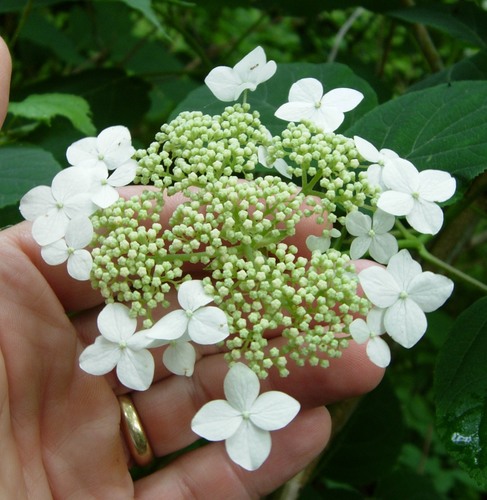
A: Unlike some hydrangea species, Hydrangea arborescens typically produces white flowers that do not change color.
Quick Reference
| Family: | Hydrangeaceae |
| Care: | moderate |
| Light: | partial shade to full sun |
| Water: | every 7–10 days during activ |
Get Expert Care Tips
Download the Plantious app for personalized care reminders and plant identification!
Google Play App Store