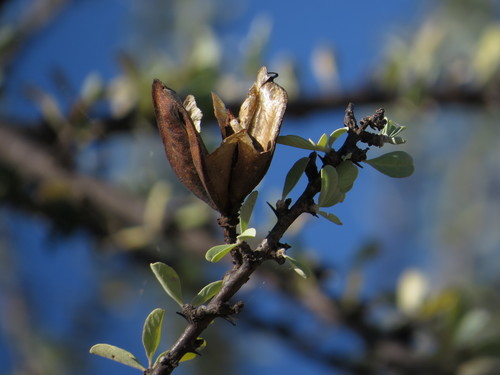
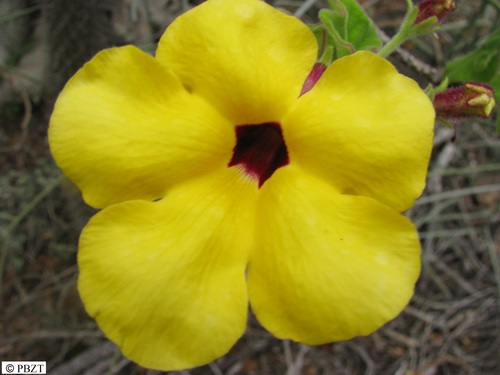
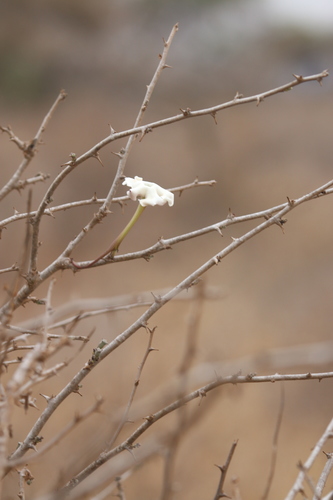
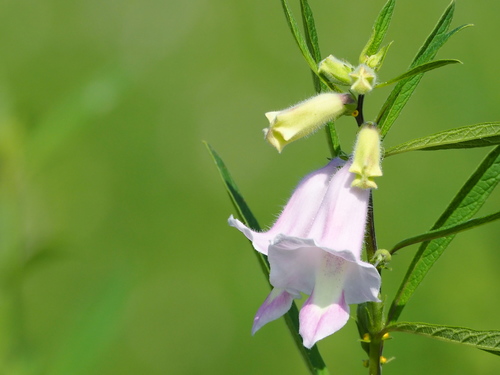
Sesame
sesamum indicum
Also known as: ["benne","gingelly","til"]
Overview
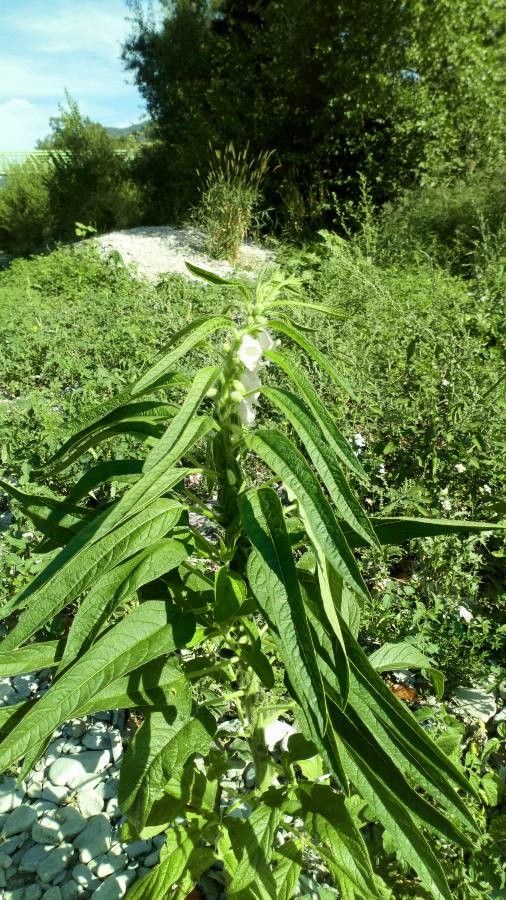
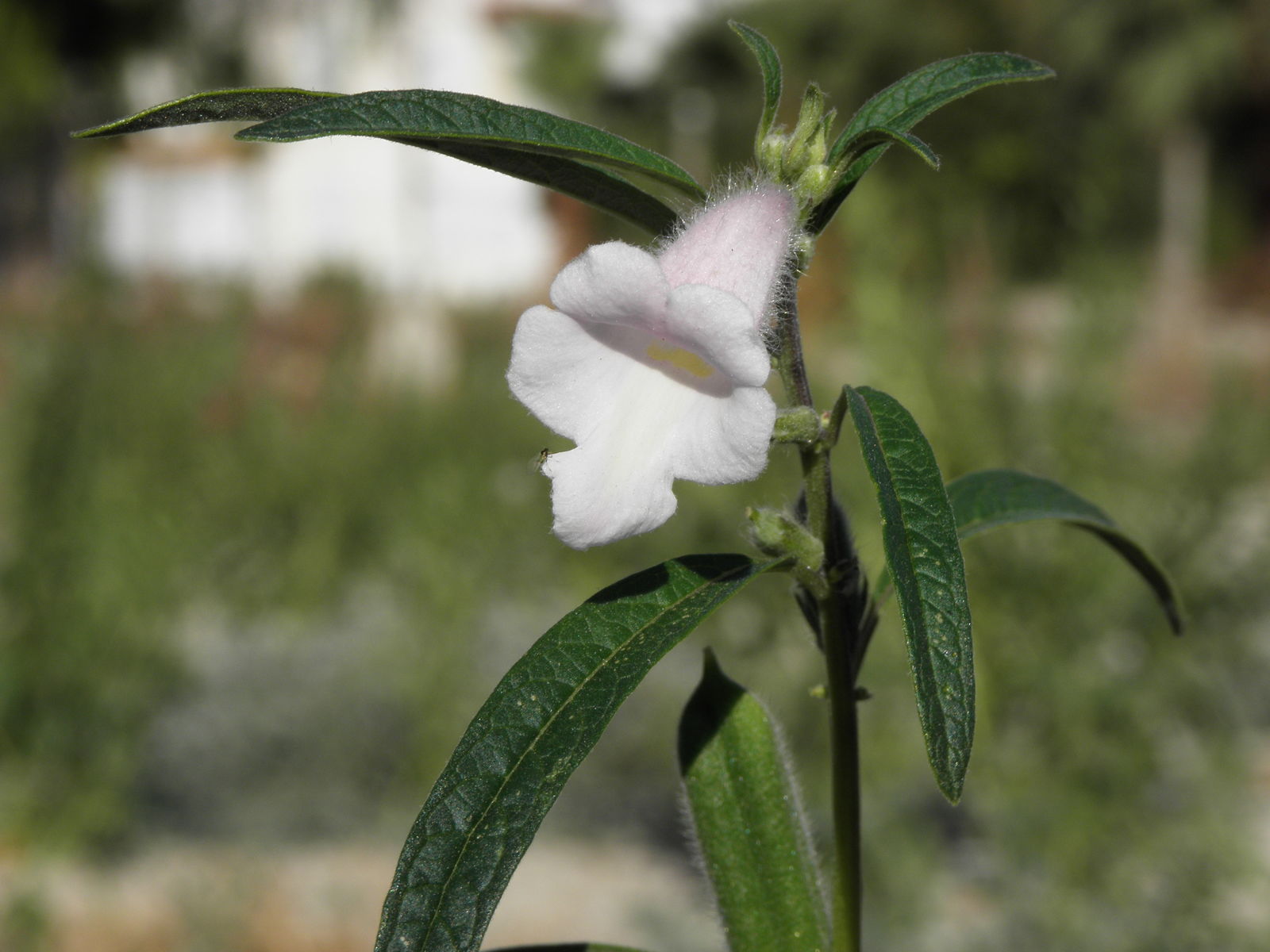
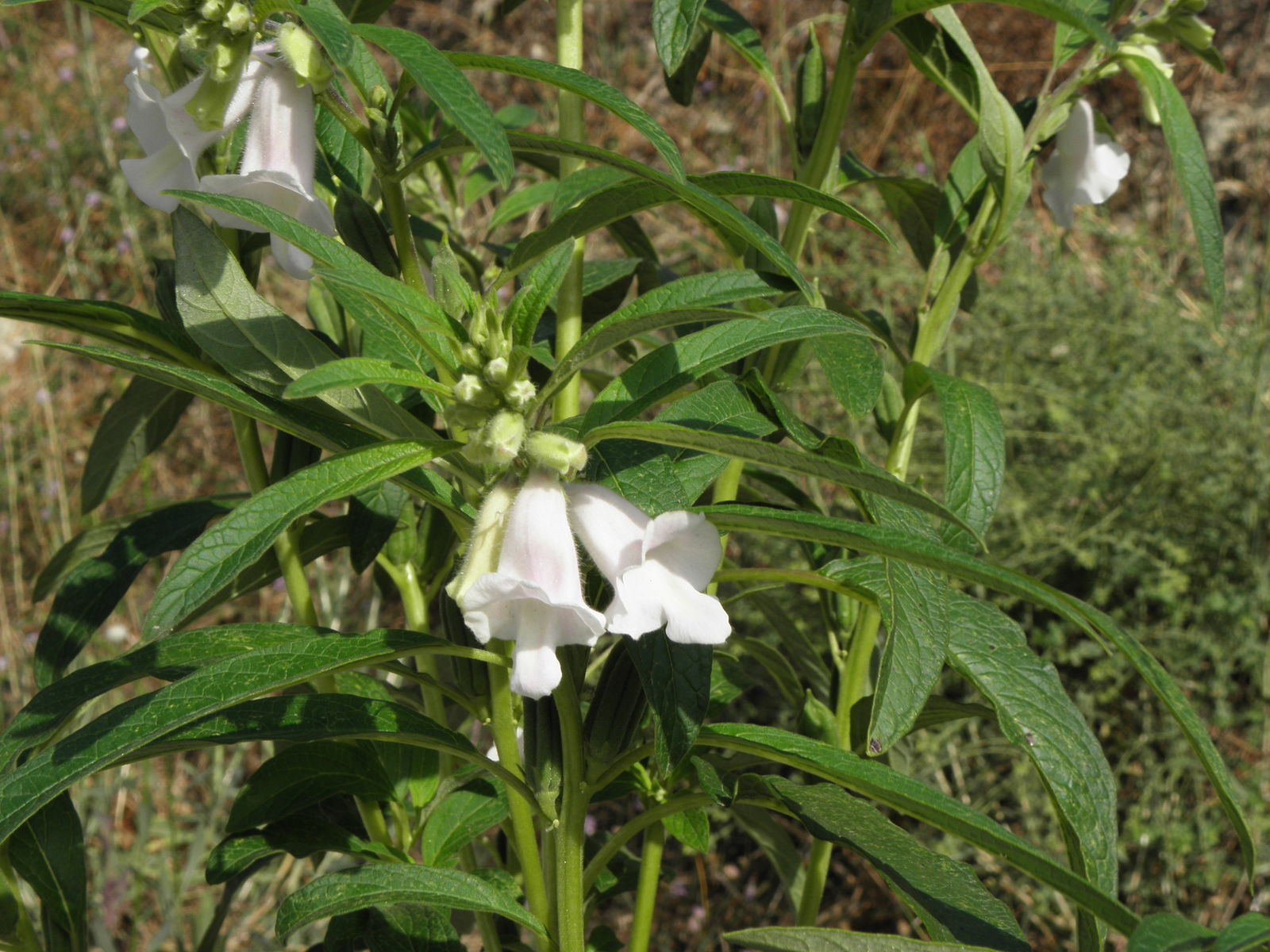
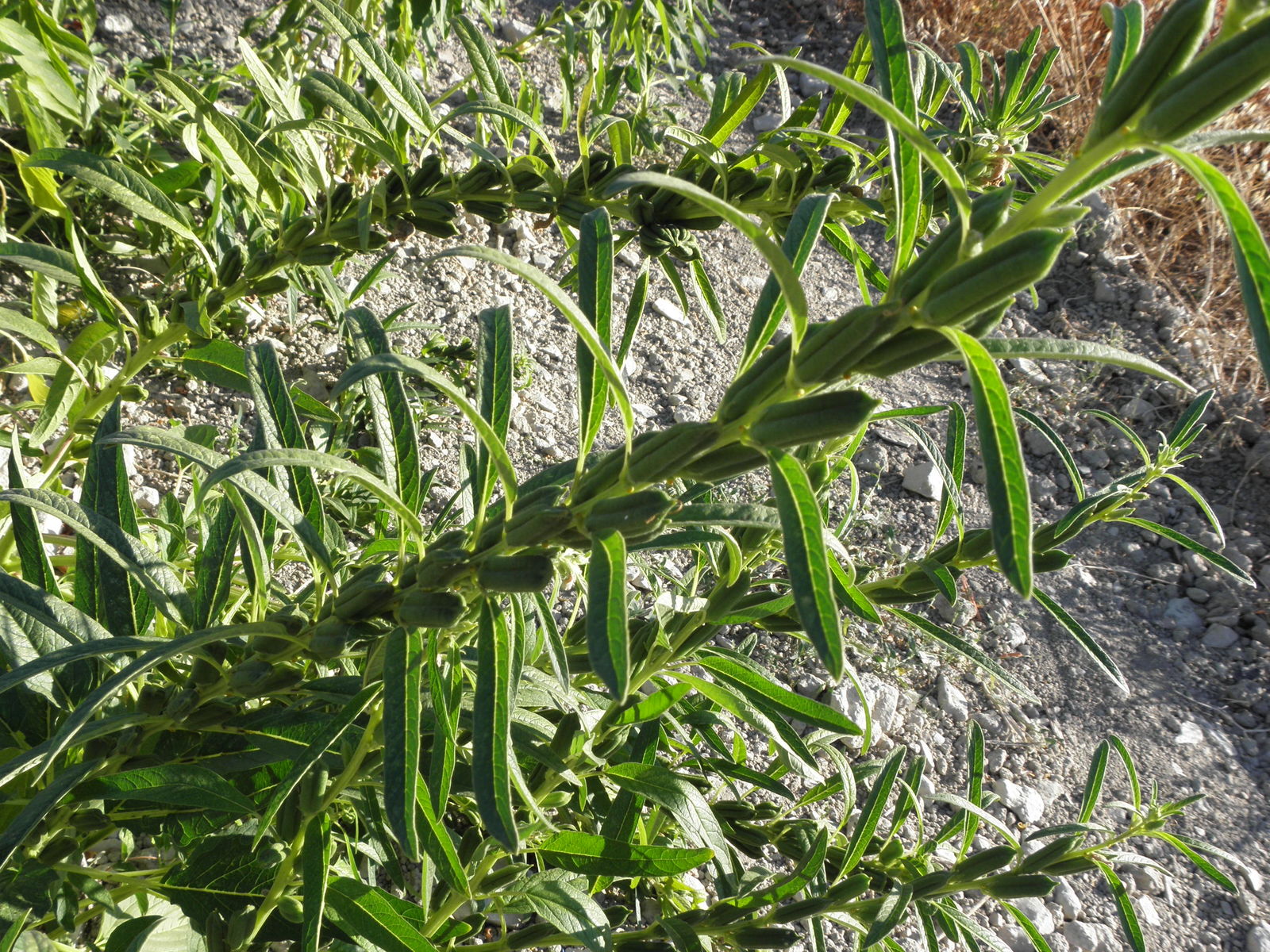
An annual flowering plant cultivated for its edible seeds, which are used in culinary and medicinal applications.
Benefits & Perks
["edible fruits","medicinal use","culinary herb","fragrant flowers"]
Botanical Classification
| Phylum: | Magnoliophyta |
| Class: | Magnoliopsida |
| Order: | Lamiales |
| Family: | Pedaliaceae |
| Genus: | Sesamum |
| Botanical Name: | Sesamum indicum |
Plant Characteristics
Basic Information
- Category: Herbs & Weeds
- Suitable Location: outdoor garden bed in full sun exposure
- Suitable For:
- Is Weed: No
- Allergenicity: low
Environmental Needs
- Climate: {"temperatureRange":"20–35°C"}
- Hardiness: {"zones":"8–11"}
- Misting: rarely required, only if ambient humidity is very low
- Drainage: Fast-draining to prevent waterlogging.
- Soil Type: Well-draining, loamy soil with added organic matter; tolerates poor soils but yields better in fertile conditions.
Maintenance Level
- Maintenance Level: moderate
- Toughness Level: moderate
- Pruning Frequency: As needed; typically light pruning after flowering or seed harvest.
- Pruning Intensity: Light to moderate; remove only damaged or non-productive stems.
Care Details
Ideal Sunlight Coverage:
Full sun (6–8 hours of direct sunlight daily); tolerates partial shade but may produce fewer seeds.
Sunlight Tolerance Tips:
Acclimate seedlings gradually to direct sun to avoid scorching; place in the sunniest spot possible for optimal flowering and seed production; protect from intense midday sun in hot climates.
Care Requirements
Care Difficulty
easyeasy
Sunlight
full sun
Rotate plants weekly for even growth; use shade cloth in extreme heat; maximize light exposure during flowering.
Watering
every 7–10 days during active growth, reducing to every 14–21 days in dormancy
Water thoroughly but infrequently; ensure soil dries between waterings; avoid overhead watering to prevent fungal issues.
Soil
well-draining, loamy soil with moderate organic matter
pH: Slightly acidic to neutral (pH 6.0–7.5).
Mulch to retain moisture; avoid compacting soil; test pH if yields are poor.
Temperature
Warm temperatures (70–85°F or 21–29°C); thrives in hot climates; sensitive to frost.
Plant in warm soil; avoid transplanting in cold weather; monitor nighttime temperatures for frost risk.
Fertilizing
every 4–6 weeks during growing season with balanced liquid fertilizer
Fertilize lightly and frequently during flowering; avoid fertilizing dry soil to prevent root burn; flush soil occasionally to prevent salt buildup.
Propagation
Methods
Seed propagation; direct sowing after last frost or indoor starting 4–6 weeks before transplanting.
Step-by-Step Propagation Guide
- Sow seeds 1/4–1/2 inch deep.
- Thin seedlings to 6–12 inches apart.
- Water gently after planting.
Best Time: Spring, after soil temperatures reach 70°F (21°C) for optimal germination.
Environment
Warm, sunny location with good air circulation; keep soil consistently moist but not waterlogged.
Medium
Well-draining seed-starting mix or garden soil with compost.
Hormone
Not required for seeds.
Timeline
Germination in 7–14 days; plants reach maturity in 100–120 days.
Tools Needed
Seed trays or garden space, soil, water, labels.
Quick Tips
Sow seeds in clusters and thin later to ensure germination; keep soil warm for faster sprouting; avoid overcrowding to prevent damping off.
Pruning & Repotting
Pruning Guide
Method
Snip stems just above a leaf node or lateral branch; avoid cutting into the main stem unless necessary.
Pruning Plan
Minimal pruning needed; focus on removing dead or diseased stems to improve air circulation.
Tools
Pruning shears, sharp knife.
Checklist
Sterilize tools; prune dead or diseased growth; improve air circulation; avoid over-pruning.
Repotting Guide
Best Season
Spring, before active growth begins.
Pot Size
One size larger pot (e.g., +2 inches in diameter).
Method
Gently remove plant; trim any circling roots; place in a slightly larger pot with fresh, well-draining soil.
Suggestions
Not typically required for outdoor-grown plants; container-grown plants may need repotting every 1–2 years if root-bound.
Checklist
Choose appropriate pot size; use fresh soil mix; water after repotting; place in appropriate light.
Advanced Care Tips
Watering Mastery
Watering Checklist
Check soil moisture before watering; water deeply at the base; ensure proper drainage; adjust frequency based on season.
How to Apply Water Properly
Water directly at the base of the plant, ensuring moisture reaches the root zone; allow excess water to drain freely; water in the morning to minimize evaporation and fungal growth.
Watering Schedule Tips
Water deeply once the top inch of soil is dry; reduce frequency during winter dormancy to prevent root rot.
Soil Improvement
Add compost or well-rotted manure for fertility; incorporate sand or perlite for drainage; avoid heavy clay soils.
Temperature Stress Management
Signs of Temperature Issues
Chlorosis or wilting in extreme heat; stunted growth or bud drop in cold conditions; leaf necrosis in frost.
Cold Stress
Growth slows or halts; flowers and seeds may abort; prolonged cold can lead to plant death.
Solution: Plant in spring after last frost; protect with row covers or mulch in cooler nights; avoid planting in frost-prone areas.
Hot Stress
Wilting despite moist soil; reduced seed yield; potential for heat-induced bolting.
Solution: Provide afternoon shade in extreme heat; mulch to retain soil moisture; water deeply in the morning.
Fertilizing Guide
Fertilizing Checklist
Use balanced fertilizer; dilute to half strength; apply during active growth; avoid over-fertilizing.
Fertilizing Method
Use balanced, water-soluble fertilizer every 4–6 weeks during active growth; reduce or stop in winter; avoid high-nitrogen fertilizers to prevent excessive foliage at the expense of seeds.
Common Problems & Solutions
Toxicity Warning
Cats
Non-toxicSesame seeds and oil are not considered toxic to cats. They can be included in cat diets in moderation, providing nutritional benefits.
⚡ Toxic If:
Generally non-toxic
Dogs
Non-toxicSesame seeds and oil are not considered toxic to dogs. They can be included in dog diets in moderation, providing nutritional benefits.
⚡ Toxic If:
Generally non-toxic
Humans
Non-toxicSesamum indicum, commonly known as sesame, is generally considered non-toxic to humans. The seeds and oil derived from the plant are widely consumed as food and are recognized for their nutritional benefits.
⚡ Toxic If:
Generally non-toxic
Frequently Asked Questions
Q: Is sesame easy to grow?
A: Yes, sesame is relatively easy to grow, requiring full sun and well-drained soil.
Q: Are sesame seeds edible?
A: Yes, sesame seeds are widely used in cooking and baking.
Q: Does sesame attract wildlife?
A: Sesame flowers can attract pollinators like bees, but it is not a primary wildlife attractant.
Quick Reference
| Family: | Pedaliaceae |
| Care: | easy |
| Light: | full sun |
| Water: | every 7–10 days during activ |
Get Expert Care Tips
Download the Plantious app for personalized care reminders and plant identification!
Google Play App Store