Tasmanian Tree Fern
dicksonia antarctica
Also known as: ["Antarctic Tree Fern","Soft Tree Fern"]
Overview
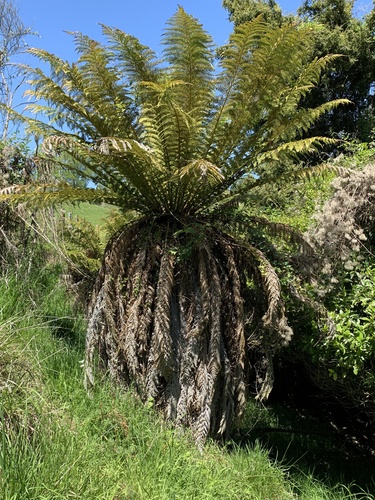
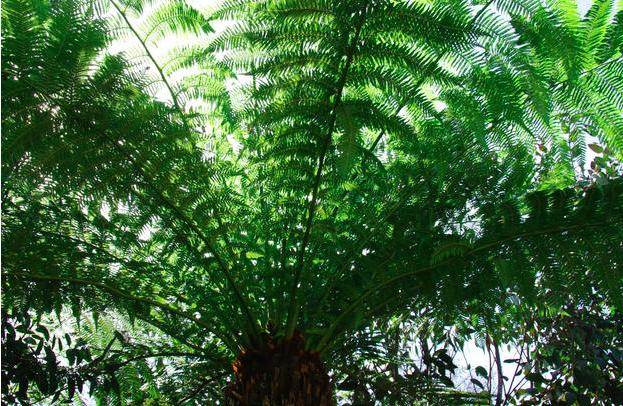
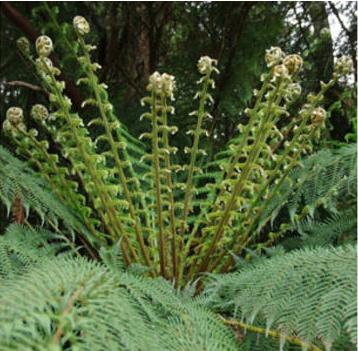
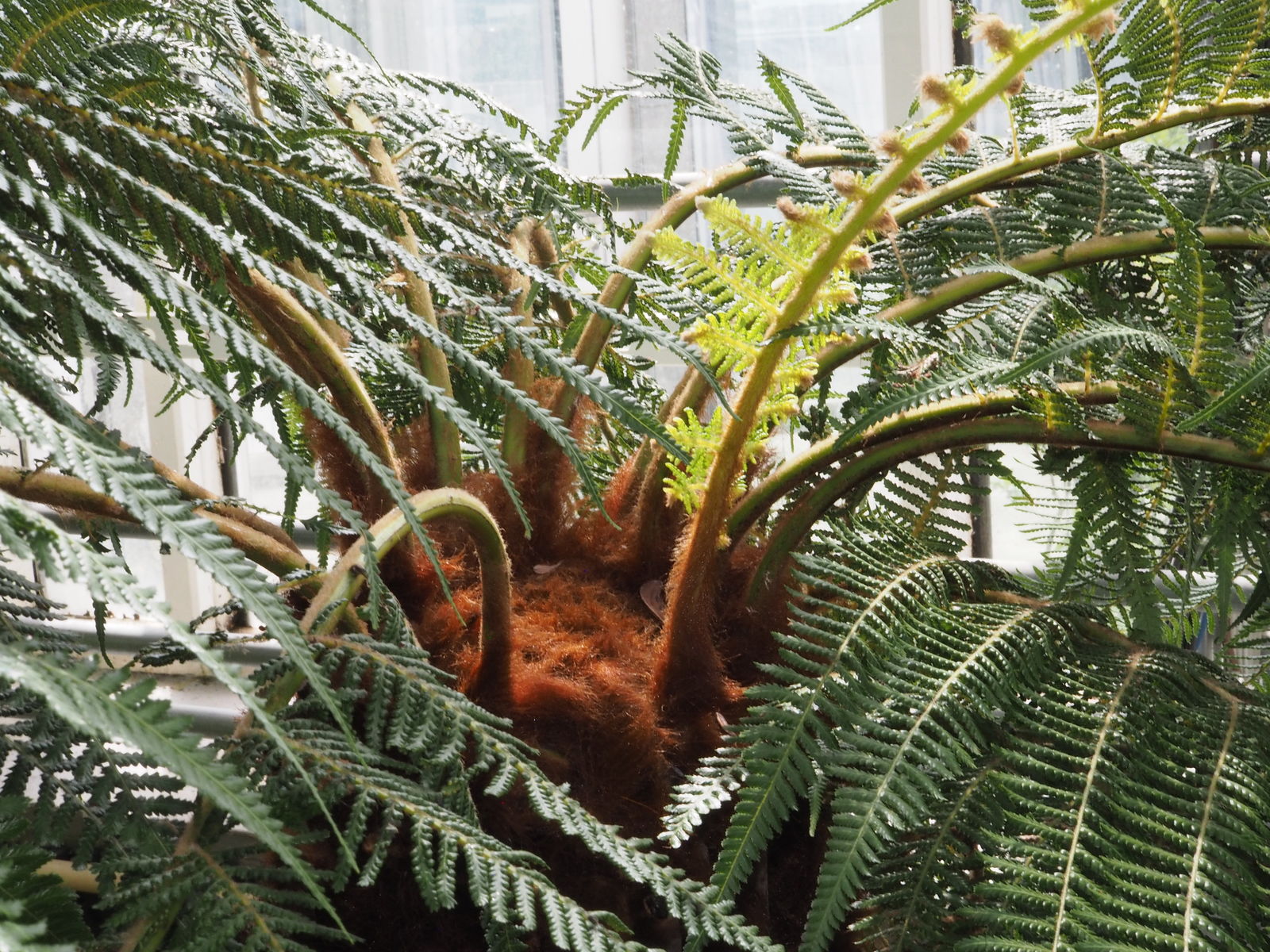
A large, evergreen tree fern native to the temperate rainforests of Tasmania and southeastern Australia, valued for its elegant, arching fronds and trunk-like stem.
Benefits & Perks
["shade tolerant","aesthetic foliage","wildlife attractant (bees, butterflies, birds)"]
Botanical Classification
| Phylum: | Tracheophyta |
| Class: | Polypodiopsida |
| Order: | Cyatheales |
| Family: | Dicksoniaceae |
| Genus: | Dicksonia |
| Botanical Name: | Dicksonia antarctica |
Plant Characteristics
Basic Information
- Category: Trees
- Suitable Location: shaded garden bed or container in a humid environment
- Suitable For:
- Is Weed: No
- Allergenicity: low
Environmental Needs
- Climate: {"temperatureRange":"0–25°C"}
- Hardiness: {"zones":"8–11"}
- Misting: every 2–3 days to maintain humidity
- Drainage: Fast-draining to prevent waterlogging.
- Soil Type: Well-draining, acidic soil with organic matter like peat moss or compost.
Maintenance Level
- Maintenance Level: moderate
- Toughness Level: moderate
- Pruning Frequency: As needed; typically annually or when fronds decline.
- Pruning Intensity: Light pruning; remove only dead or yellowing fronds.
Care Details
Ideal Sunlight Coverage:
Bright indirect light or partial shade; 4–6 hours of filtered sunlight daily; adjust for stronger summer light.
Sunlight Tolerance Tips:
Acclimate gradually to brighter light; protect from direct sun to avoid scorching; place in a sheltered spot outdoors.
Care Requirements
Care Difficulty
moderatemoderate
Sunlight
partial shade to full shade
Avoid direct sunlight; provide dappled light; rotate regularly for even growth.
Watering
every 7–10 days, more frequently in dry conditions
Keep soil consistently moist but not waterlogged; water less in winter; ensure good drainage.
Soil
moist, well-draining, acidic soil with high organic content
pH: Acidic to slightly acidic (pH 5.5–6.5).
Ensure good drainage; maintain acidity; avoid compacted soil.
Temperature
Prefers 50–75°F (10–24°C); tolerates cooler temperatures but avoid frost; prefers stable conditions.
Avoid sudden temperature changes; protect from frost; maintain moderate humidity.
Fertilizing
every 2–3 months during growing season
Dilute fertilizer to prevent burn; fertilize only when actively growing; flush soil occasionally to prevent salt buildup.
Propagation
Methods
Spores or division of rhizomes; spore propagation is more common for home growers.
Step-by-Step Propagation Guide
- Collect spores.
- Scatter on sterile medium.
- Keep moist and warm.
- Or divide rhizome.
- Plant in new pot.
Best Time: Spring or early summer when the plant is actively growing.
Environment
High humidity (80–90%); warm temperatures (65–75°F); indirect light.
Medium
Sphagnum moss or sterile seed-starting mix with good drainage.
Hormone
Not required for spore propagation; rooting hormone may help if using rhizome division.
Timeline
Spores may take 1–2 years to develop into mature plants; rhizome division roots in 4–6 weeks.
Tools Needed
Spore collection kit, sterile knife, pots, humidity dome, misting bottle.
Quick Tips
Use sterile tools to prevent disease; maintain high humidity for spores; be patient with growth.
Pruning & Repotting
Pruning Guide
Method
Cut fronds at the base with clean, sharp tools; avoid cutting into the trunk.
Pruning Plan
Remove dead or damaged fronds to improve appearance and health; minimal pruning needed.
Tools
Pruning shears, sterilizing solution, gloves.
Checklist
Identify dead/damaged fronds; sterilize tools; cut cleanly at base; dispose of debris.
Repotting Guide
Best Season
Spring, before the growing season begins.
Pot Size
One size larger pot; ensure it has drainage holes.
Method
Use a well-draining mix; gently tease out roots; place in a slightly larger pot with fresh soil.
Suggestions
Repot every 2–3 years or when roots fill the pot; may outgrow containers over time.
Checklist
Check root bound status; prepare new pot; use fresh soil; water after repotting.
Advanced Care Tips
Watering Mastery
Watering Checklist
Check soil moisture; water thoroughly; ensure drainage; adjust for season.
How to Apply Water Properly
Water slowly at the base to saturate the root zone; allow excess to drain; avoid wetting the fronds to prevent fungal issues.
Watering Schedule Tips
Water thoroughly when the top 1–2 inches of soil are dry; reduce frequency in winter to prevent root rot.
Soil Improvement
Add perlite or sand for drainage; incorporate peat moss for acidity; use organic matter for fertility.
Temperature Stress Management
Signs of Temperature Issues
Yellowing fronds (cold stress); browning tips (heat stress); stunted growth.
Cold Stress
Slows growth; may cause fronds to wilt or turn yellow; vulnerable to frost damage.
Solution: Protect from frost with a frost cloth; move indoors in winter; maintain consistent temperatures.
Hot Stress
Leaves may brown or curl; growth may slow; increased water demand to prevent wilting.
Solution: Provide shade during peak heat; increase humidity; water more frequently but avoid waterlogging.
Fertilizing Guide
Fertilizing Checklist
Check growth phase; dilute fertilizer; apply to moist soil; avoid winter feeding.
Fertilizing Method
Use a balanced liquid fertilizer diluted to half strength; apply monthly during growing season (spring/summer); avoid winter feeding.
Common Problems & Solutions
Toxicity Warning
Cats
Non-toxicDicksonia antarctica is not toxic to cats. There are no known adverse effects on feline health from ingestion of any part of this plant.
⚡ Toxic If:
if eaten
Dogs
Non-toxicDicksonia antarctica is not toxic to dogs. There are no known adverse effects on canine health from ingestion of any part of this plant.
⚡ Toxic If:
if eaten
Humans
Non-toxicDicksonia antarctica, commonly known as the soft tree fern, is not considered toxic to humans. There are no known toxic compounds or physiological effects associated with ingestion of any part of this plant.
⚡ Toxic If:
if eaten
Frequently Asked Questions
Q: How do I care for a Dicksonia antarctica?
A: Provide partial to full shade, keep the soil consistently moist but well-drained, and protect from strong winds and frost.
Q: Can Dicksonia antarctica grow indoors?
A: It is not suitable for indoor growth as it requires high humidity and ample space.
Q: Is Dicksonia antarctica toxic to pets?
A: No, it is non-toxic to dogs and cats.
Quick Reference
| Family: | Dicksoniaceae |
| Care: | moderate |
| Light: | partial shade to full shade |
| Water: | every 7–10 days, more freque |
Get Expert Care Tips
Download the Plantious app for personalized care reminders and plant identification!
Google Play App Store