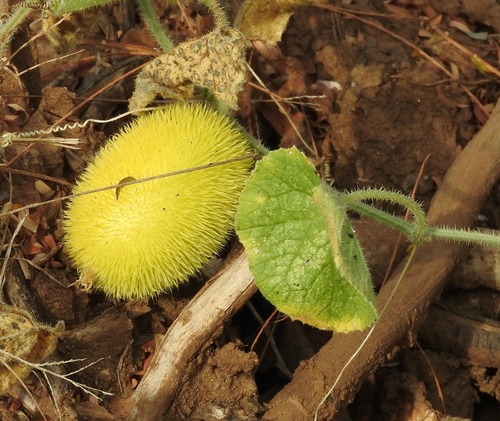
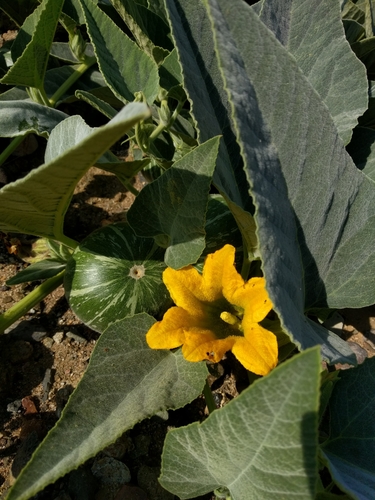
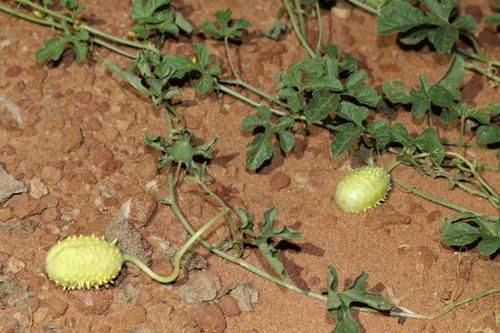
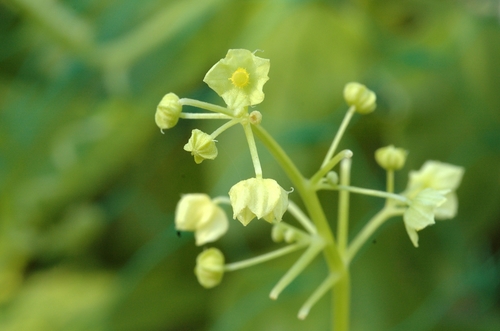
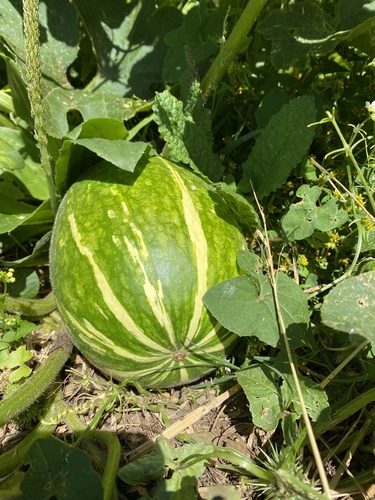
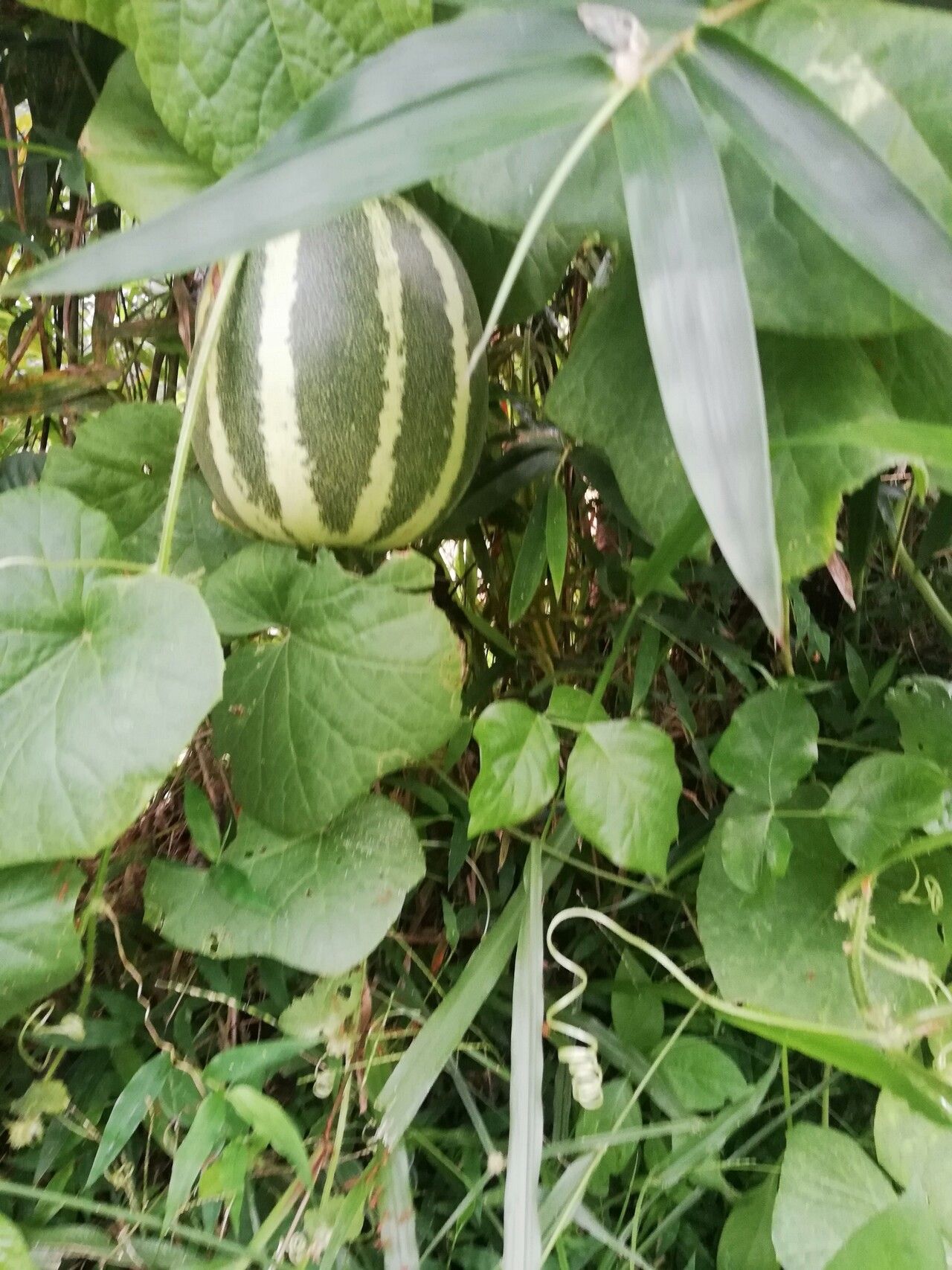
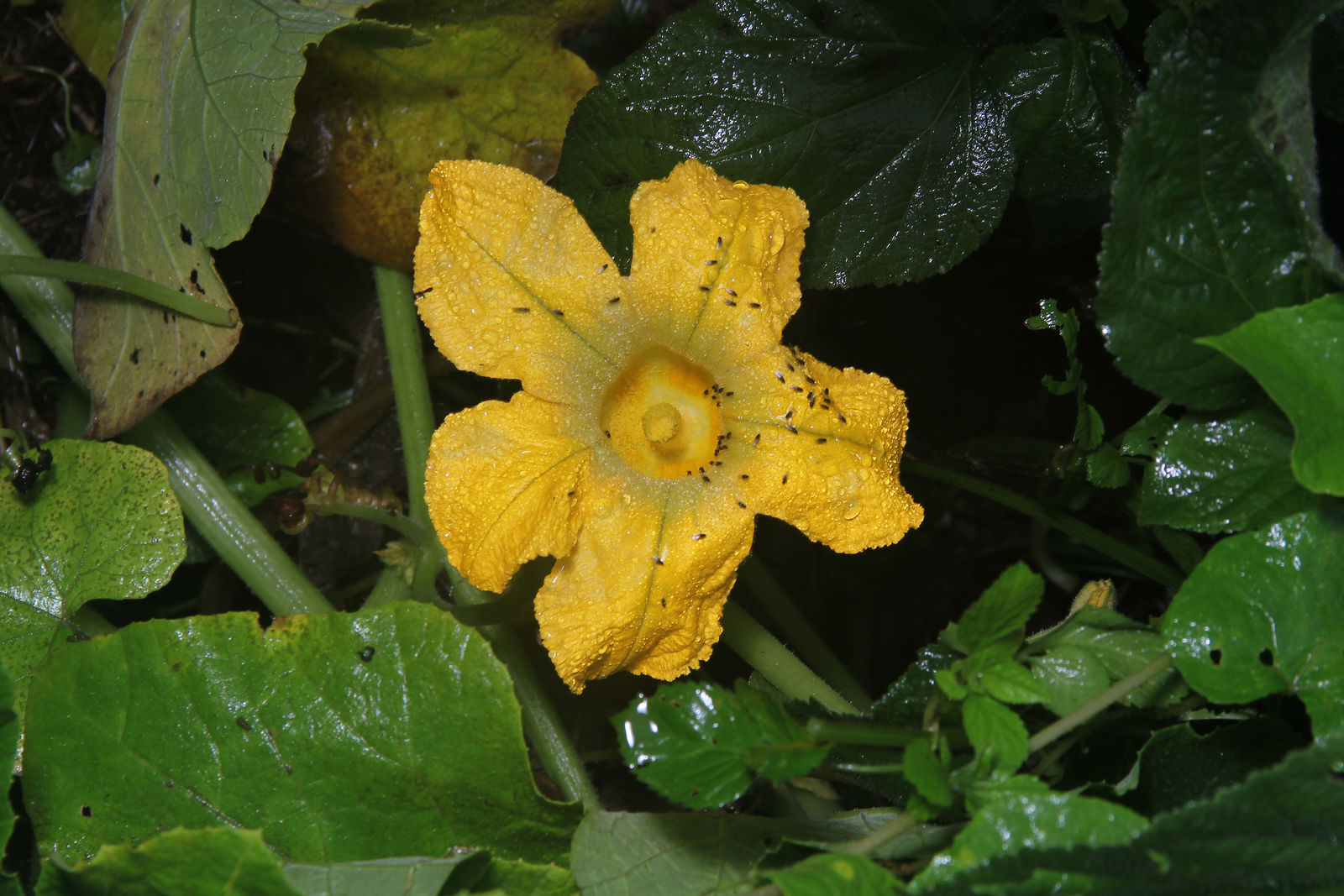
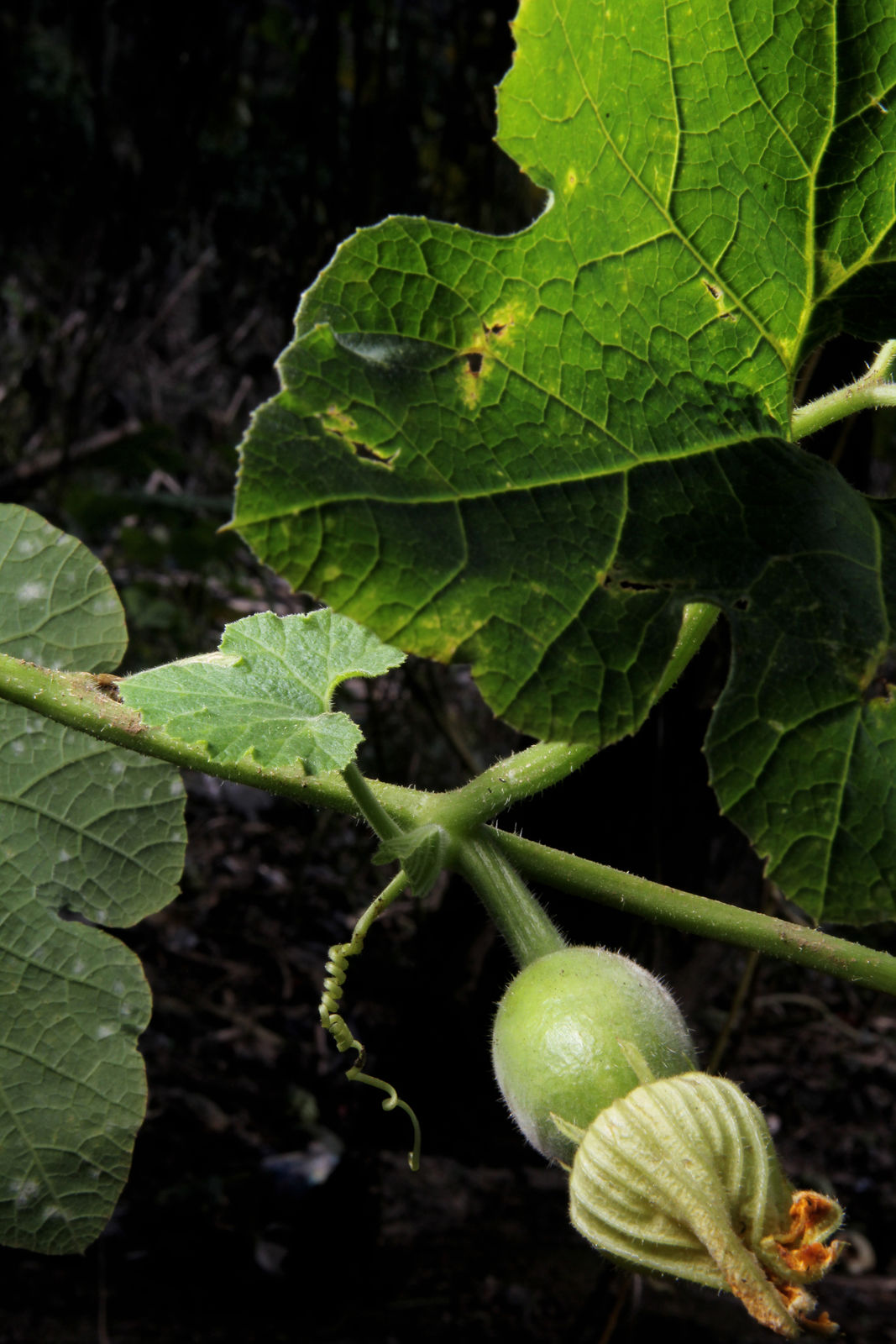
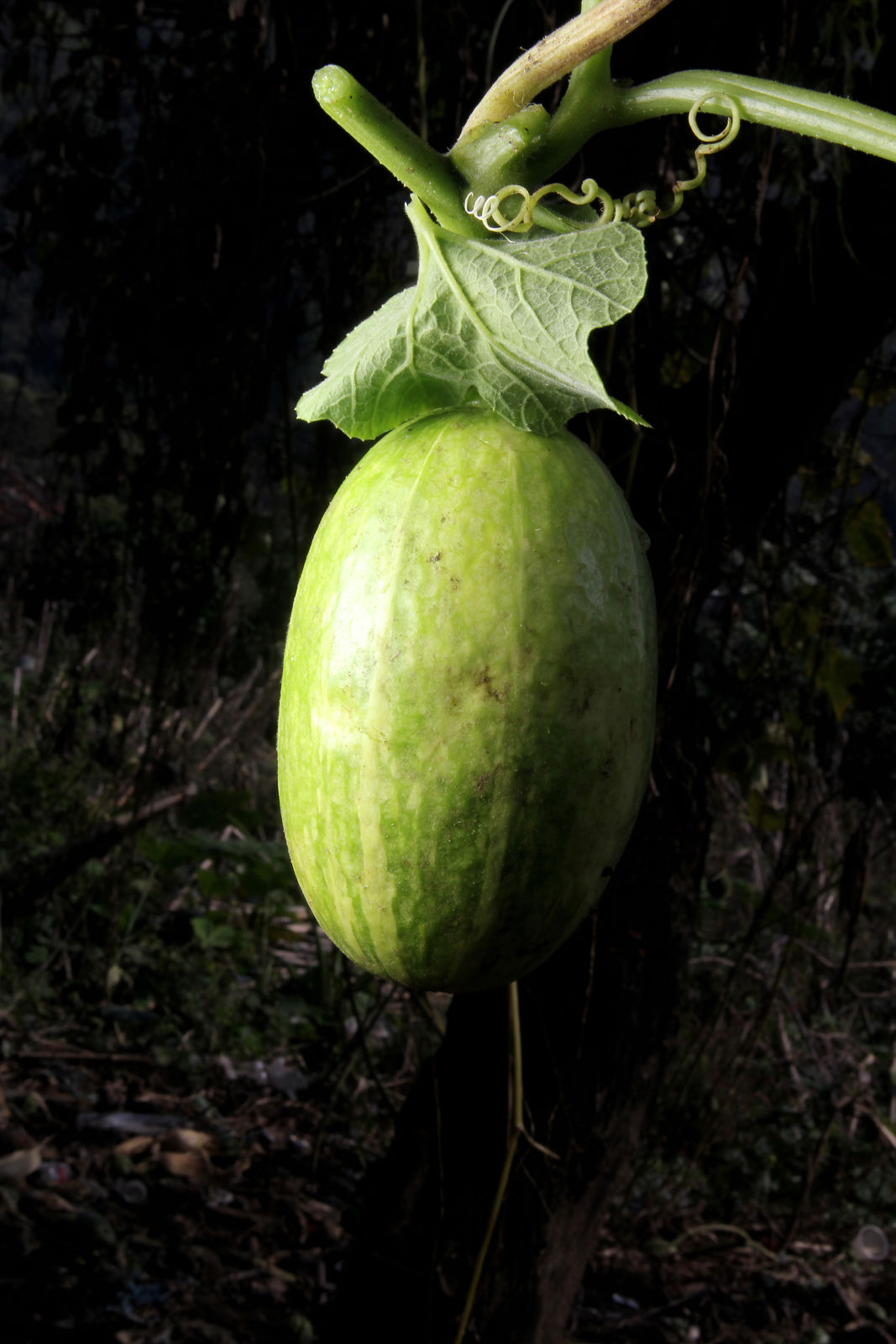
Fig-leaf gourd, Chilacayote
cucurbita ficifolia
Also known as: ["Malabar gourd","Cidra","Sugar gourd"]
Overview
A vigorous, climbing vine in the Cucurbitaceae family, known for its fig-like leaves and edible fruits used in traditional medicine and culinary practices.
Benefits & Perks
["edible fruits","medicinal use","fast growing"]
Botanical Classification
| Phylum: | Magnoliophyta |
| Class: | Magnoliopsida |
| Order: | Cucurbitales |
| Family: | Cucurbitaceae |
| Genus: | Cucurbita |
| Botanical Name: | Cucurbita ficifolia |
Plant Characteristics
Basic Information
- Category: Vegetables
- Suitable Location: outdoor garden in full sun with ample space for vine spread
- Suitable For:
- Is Weed: No
- Allergenicity: low
Environmental Needs
- Climate: {"temperatureRange":"15–35°C"}
- Hardiness: {"zones":"8–11"}
- Misting: rarely required
- Drainage: Well-draining to prevent waterlogging.
- Soil Type: Rich, loamy soil with good organic matter content.
Maintenance Level
- Maintenance Level: moderate
- Toughness Level: moderate
- Pruning Frequency: As needed, typically during early growth stages or after fruit set.
- Pruning Intensity: Light to moderate, focusing on selective removal rather than heavy cutting.
Care Details
Ideal Sunlight Coverage:
Full sun (6–8 hours/day) is ideal. Adjust for partial shade in extreme heat to prevent leaf scorch.
Sunlight Tolerance Tips:
Acclimate plants gradually to intense sunlight; provide shade during peak afternoon heat in hot climates; ensure good air circulation to prevent sunburn.
Care Requirements
Care Difficulty
moderatemoderate
Sunlight
full sun
Rotate plants for even light exposure; use shade cloth in excessive heat; avoid sudden light changes.
Watering
every 7–10 days, more frequently during fruiting
Water at the base to avoid foliage wetting; ensure soil dries slightly between waterings; prioritize consistent moisture during fruit development.
Soil
well-draining, loamy soil with moderate organic matter
pH: Slightly acidic to neutral (6.0–7.0).
Test soil pH annually; amend with organic matter before planting; ensure proper drainage to avoid root rot.
Temperature
Prefers warm conditions (70–85°F or 21–29°C). Tolerates mild frost but thrives in heat.
Monitor nighttime temperatures; use frost protection in cooler climates; adjust watering with temperature fluctuations.
Fertilizing
every 4–6 weeks during growing season with balanced fertilizer
Apply fertilizer to moist soil to prevent root burn; avoid over-fertilizing to prevent salt buildup; side-dress with compost for organic nutrients.
Propagation
Methods
Stem cuttings or seeds. Seeds are the most common method for Cucurbita ficifolia.
Step-by-Step Propagation Guide
- Prepare medium.
- Plant seeds 1 inch deep or cuttings 3–4 inches.
- Maintain moisture.
- Provide warmth and light.
- Transplant once rooted.
Best Time: Spring or early summer when temperatures are warm and growth is vigorous.
Environment
Warm (75–85°F or 24–29°C), humid (60–70%), and bright but indirect light.
Medium
Well-draining seed starting mix or perlite/vermiculite mix for cuttings.
Hormone
Rooting hormone is optional but recommended for cuttings to improve success rates.
Timeline
Seeds germinate in 7–14 days; cuttings root in 2–4 weeks and establish in 2–3 months.
Tools Needed
Seed trays, pruners, rooting hormone, heat mat, humidity dome.
Quick Tips
Use bottom heat for faster germination; keep soil consistently moist but not waterlogged; thin seedlings to prevent overcrowding.
Pruning & Repotting
Pruning Guide
Method
Pinch back tips to encourage bushier growth; remove yellow or damaged leaves; trim runners to manage spread.
Pruning Plan
Minimal pruning needed. Focus on removing dead or diseased foliage and occasional shaping to improve air circulation.
Tools
Pruning shears, gloves, disinfectant for tools.
Checklist
Disinfect tools; prune during dry conditions; remove only necessary parts; avoid over-pruning.
Repotting Guide
Best Season
Spring, before the active growing season begins.
Pot Size
One size up (e.g., from 6-inch to 8-inch pot); ensure adequate root space without excessive empty soil.
Method
Gently remove the plant; trim any circling roots; place in a slightly larger pot with fresh, well-draining soil; water thoroughly.
Suggestions
Repot only if the plant becomes root-bound or outgrows its container. Generally, Cucurbita ficifolia is grown as an annual and not repotted frequently.
Checklist
Choose appropriate pot size; use fresh soil mix; handle roots carefully; water after repotting.
Advanced Care Tips
Watering Mastery
Watering Checklist
Check soil moisture before watering; water early morning or late evening; avoid wetting leaves; ensure proper drainage.
How to Apply Water Properly
Water directly at the root zone until the soil is evenly moist but not waterlogged. Ensure water penetrates deeply to encourage root growth, and avoid overhead watering to prevent fungal issues.
Watering Schedule Tips
Water deeply once or twice a week during active growth, reducing frequency in winter. Adjust based on rainfall and soil moisture retention.
Soil Improvement
Add compost or well-rotted manure for fertility; incorporate perlite or sand for drainage; use mulch to retain moisture and suppress weeds.
Temperature Stress Management
Signs of Temperature Issues
Chlorosis or wilting in excessive heat; stunted growth or bud drop in cold stress.
Cold Stress
Low temperatures slow growth, reduce fruit set, and may cause tissue damage if below 50°F (10°C).
Solution: Use row covers or cloches for protection; plant in sheltered locations; avoid planting too early in cold regions.
Hot Stress
Excessive heat (above 95°F or 35°C) can cause leaf scorch, flower abortion, and reduced fruit quality.
Solution: Provide afternoon shade; increase watering frequency; mulch to retain soil moisture; use reflective mulch to reduce heat absorption.
Fertilizing Guide
Fertilizing Checklist
Use diluted fertilizer; apply during active growth; avoid contact with roots; flush soil occasionally to prevent salt accumulation.
Fertilizing Method
Use balanced, water-soluble fertilizer (e.g., 10-10-10) every 4–6 weeks during active growth. Reduce or stop in winter.
Common Problems & Solutions
Toxicity Warning
Cats
Slightly ToxicCucurbita ficifolia poses a slight risk to cats if ingested in large amounts. The seeds and rind may cause mild gastrointestinal irritation, but severe toxicity is unlikely. Cats should not be encouraged to consume large portions of this plant.
⚠️ Symptoms:
🌿 Toxic Parts:
⚡ Toxic If:
if eaten in large quantities
Dogs
Slightly ToxicWhile Cucurbita ficifolia is not highly toxic to dogs, ingestion of large quantities of seeds or rind may cause mild gastrointestinal upset due to the presence of certain compounds. The plant is not considered a significant threat to canine health.
⚠️ Symptoms:
🌿 Toxic Parts:
⚡ Toxic If:
if eaten in large quantities
Humans
Non-toxicCucurbita ficifolia, commonly known as fig-leaf gourd or chilacayote, is generally considered non-toxic to humans. However, improper preparation, such as consuming unripe or improperly cooked fruits, may lead to mild gastrointestinal discomfort. The seeds and rind contain compounds that can cause mild irritation if consumed in large amounts.
⚠️ Symptoms:
🌿 Toxic Parts:
⚡ Toxic If:
Generally non-toxic unless improperly prepared or consumed in excessive quantities
Frequently Asked Questions
Q: Is Cucurbita ficifolia safe for pets?
A: Yes, it is non-toxic to dogs and cats.
Q: What are the uses of Cucurbita ficifolia?
A: It is used for its edible fruits, which are also employed in traditional medicine.
Q: How should I care for Cucurbita ficifolia?
A: Provide full sun, well-drained soil, and regular watering for optimal growth.
Quick Reference
| Family: | Cucurbitaceae |
| Care: | moderate |
| Light: | full sun |
| Water: | every 7–10 days, more freque |
Get Expert Care Tips
Download the Plantious app for personalized care reminders and plant identification!
Google Play App Store