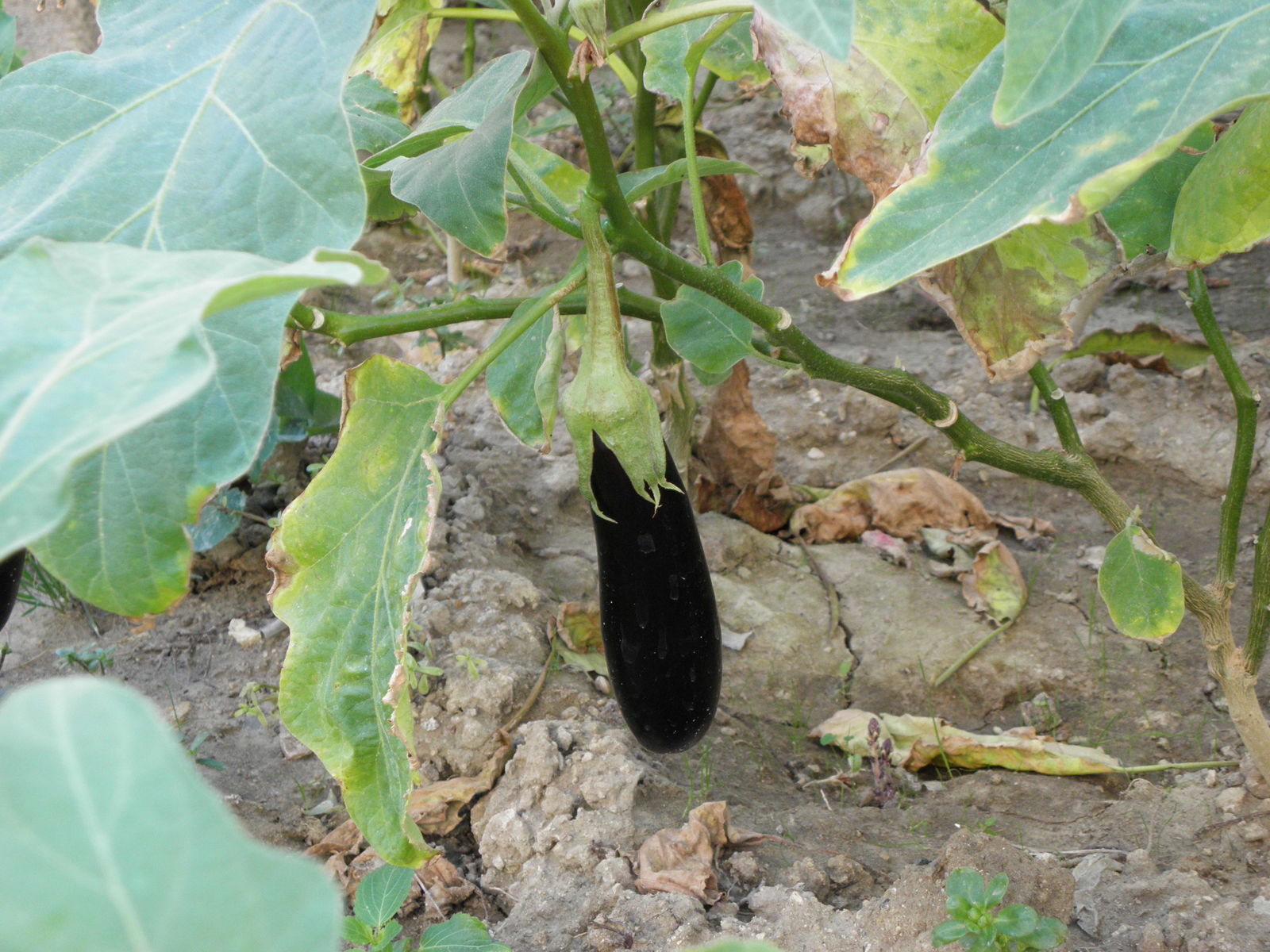
Eggplant
solanum melongena
Also known as: ["Brinjal","Aubergine"]
Overview
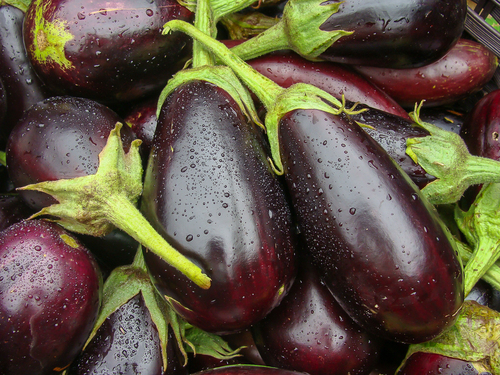
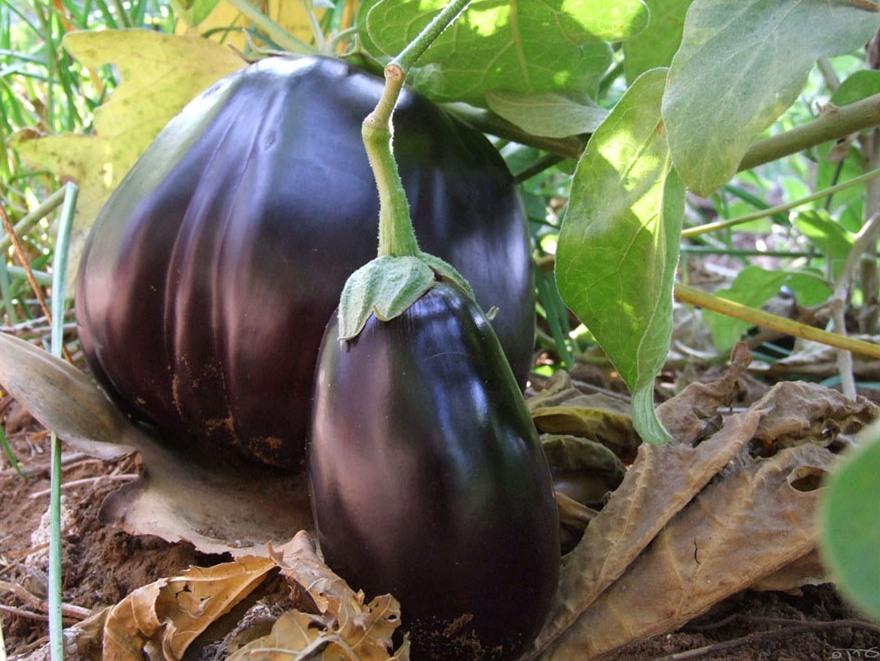
A tropical and subtropical plant cultivated for its edible fruit, which is widely used in culinary dishes.
Benefits & Perks
["edible fruits","culinary herb"]
Botanical Classification
| Phylum: | Magnoliophyta |
| Class: | Magnoliopsida |
| Order: | Solanales |
| Family: | Solanaceae |
| Genus: | Solanum |
| Botanical Name: | Solanum melongena |
Plant Characteristics
Basic Information
- Category: Fruits
- Suitable Location: outdoor garden bed or large container in a sunny spot
- Suitable For:
- Is Weed: No
- Allergenicity: low
Environmental Needs
- Climate: {"temperatureRange":"15–35°C"}
- Hardiness: {"zones":"9–11"}
- Misting: rarely required unless in very dry indoor conditions
- Drainage: Fast-draining to prevent waterlogging.
- Soil Type: Rich, well-draining loam with organic matter.
Maintenance Level
- Maintenance Level: moderate
- Toughness Level: moderate
- Pruning Frequency: Throughout the growing season as needed; major pruning in late winter or early spring.
- Pruning Intensity: Moderate to heavy, depending on plant size and growth habit.
Care Details
Ideal Sunlight Coverage:
Full sun (6–8 hours/day); adjust for intense summer heat by providing partial shade.
Sunlight Tolerance Tips:
Acclimate plants gradually to full sun; avoid sudden exposure to intense light; provide shade during peak summer hours.
Care Requirements
Care Difficulty
moderatemoderate
Sunlight
full sun to partial shade
Rotate plants for even light exposure; use shade cloth in extreme heat; avoid direct midday sun in summer.
Watering
every 5–7 days, allowing soil to dry slightly between waterings
Water evenly, avoid wetting foliage, and ensure proper drainage to prevent fungal diseases.
Soil
well-draining, fertile, loamy soil with added organic matter
pH: Slightly acidic to neutral (6.0–7.0).
Ensure good drainage; enrich with compost; maintain consistent moisture.
Temperature
Warm temperatures (70–85°F or 21–29°C); prefers stable conditions, sensitive to frost.
Protect from frost; avoid sudden temperature swings; maintain consistent warmth for fruiting.
Fertilizing
every 2 weeks during active growth with balanced liquid fertilizer, reducing in winter
Apply fertilizer after watering to prevent root burn; avoid over-fertilizing to prevent salt buildup.
Propagation
Methods
Stem cuttings or seeds.
Step-by-Step Propagation Guide
- Take 4–6 inch cuttings, remove lower leaves, dip in hormone, plant in medium, keep moist and warm.
Best Time: Spring or early summer for optimal root development.
Environment
Warm (70–75°F or 21–24°C), high humidity (70–80%), and indirect light.
Medium
Well-draining potting mix with perlite or sand.
Hormone
Rooting hormone recommended for faster root development.
Timeline
Roots in 2–4 weeks; establish in 8–12 weeks.
Tools Needed
Pruning shears, rooting hormone, small pots, misting spray bottle.
Quick Tips
Use healthy parent plants; maintain consistent moisture; provide bottom heat for faster rooting.
Pruning & Repotting
Pruning Guide
Method
Pinch or snip off suckers, trim back overgrown branches, remove dead or diseased foliage.
Pruning Plan
Remove suckers and lower leaves to improve airflow and fruit production; prune to shape and encourage branching.
Tools
Pruning shears, gloves, disinfectant for tools.
Checklist
Sterilize tools, prune during dry weather, remove dead/diseased parts, shape for airflow, clean up debris.
Repotting Guide
Best Season
Early spring before active growth begins.
Pot Size
One size larger pot (2–3 inches wider in diameter).
Method
Gently remove plant, trim roots if needed, place in new pot with fresh soil, water thoroughly.
Suggestions
Repot annually or when roots outgrow the container; essential for continued growth and fruiting.
Checklist
Choose appropriate pot, prepare new soil, handle roots carefully, water after repotting, place in suitable light.
Advanced Care Tips
Watering Mastery
Watering Checklist
Check soil moisture, water deeply, ensure drainage, avoid wetting leaves, adjust for season.
How to Apply Water Properly
Water at the base of the plant, ensuring moisture reaches the root zone without saturating the soil; water early in the morning to minimize evaporation and fungal growth.
Watering Schedule Tips
Water deeply once the top inch of soil is dry; reduce frequency in winter to prevent root rot.
Soil Improvement
Add compost, perlite, or sand to improve drainage and aeration; use organic matter to boost fertility.
Temperature Stress Management
Signs of Temperature Issues
Wilting, leaf drop, stunted growth, or blossom end rot in extreme heat or cold.
Cold Stress
Slows growth, reduces flowering/fruiting, and can cause leaf damage or death in frost.
Solution: Use row covers or cloches; plant in protected areas; avoid planting too early in spring.
Hot Stress
Leaf scorch, reduced fruit set, and wilting due to excessive transpiration.
Solution: Provide shade, increase watering, mulch to retain soil moisture, and plant in well-ventilated areas.
Fertilizing Guide
Fertilizing Checklist
Use balanced fertilizer, dilute as directed, apply to moist soil, avoid foliage contact, adjust for season.
Fertilizing Method
Balanced liquid fertilizer (10-10-10) every 4–6 weeks during growing season; reduce in winter.
Common Problems & Solutions
Toxicity Warning
Cats
Slightly ToxicCats may experience mild to moderate toxicity if they ingest large quantities of the leaves, stems, or unripe fruits of Solanum melongena. The solanine content can cause gastrointestinal upset and mild neurological effects in cats.
⚠️ Symptoms:
🌿 Toxic Parts:
⚡ Toxic If:
if eaten in large quantities
Dogs
Slightly ToxicDogs may experience mild to moderate toxicity if they ingest large quantities of the leaves, stems, or unripe fruits of Solanum melongena. The solanine content can cause gastrointestinal upset and mild neurological effects in dogs.
⚠️ Symptoms:
🌿 Toxic Parts:
⚡ Toxic If:
if eaten in large quantities
Humans
Slightly ToxicSolanum melongena, commonly known as eggplant or aubergine, contains solanine, a glycoalkaloid toxin. While the ripe fruit is generally safe for consumption, the leaves, stems, and unripe fruits can cause mild to moderate toxicity due to higher solanine concentrations. The toxin interferes with acetylcholinesterase, leading to neurological and gastrointestinal disturbances.
⚠️ Symptoms:
🌿 Toxic Parts:
⚡ Toxic If:
if eaten in large quantities
Frequently Asked Questions
Q: Is eggplant toxic to humans?
A: Eggplant is mildly toxic if consumed in large quantities due to solanine content, but it is generally safe when cooked.
Q: How often should I water eggplant?
A: Water eggplant deeply once or twice a week, ensuring the soil remains moist but not waterlogged.
Q: What are common pests for eggplant?
A: Common pests include aphids, spider mites, and flea beetles, which can be managed with insecticidal soap or neem oil.
Quick Reference
| Family: | Solanaceae |
| Care: | moderate |
| Light: | full sun to partial shade |
| Water: | every 5–7 days, allowing soi |
Get Expert Care Tips
Download the Plantious app for personalized care reminders and plant identification!
Google Play App Store