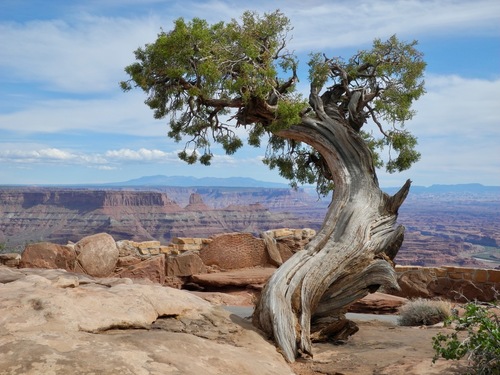
Utah Juniper
juniperus osteosperma
Also known as: ["Desert Juniper","Utah Cedar"]
Overview
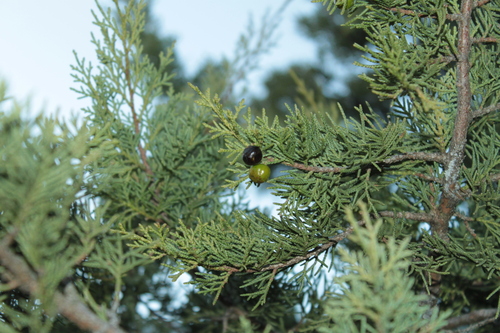
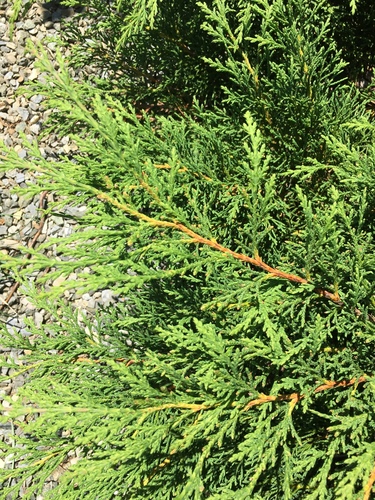
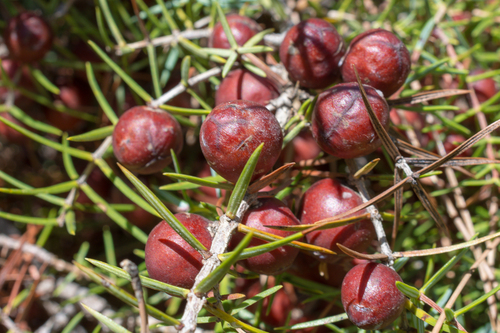
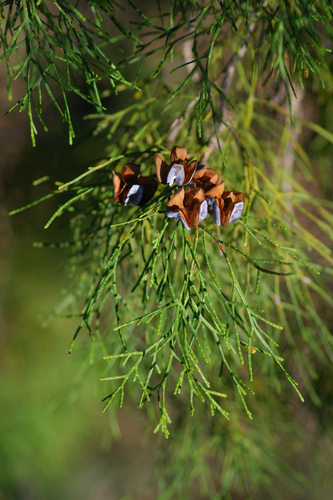
A small to medium-sized evergreen tree or shrub native to the southwestern United States, characterized by its scale-like leaves and small, berry-like cones.
Benefits & Perks
["drought tolerant","shade tolerant","wildlife attractant (bees, butterflies, birds)"]
Botanical Classification
| Phylum: | Pinophyta |
| Class: | Pinopsida |
| Order: | Pinales |
| Family: | Cupressaceae |
| Genus: | Juniperus |
| Botanical Name: | Juniperus osteosperma |
Plant Characteristics
Basic Information
- Category: Trees
- Suitable Location: rock garden or xeriscaped landscape
- Suitable For:
- Is Weed: No
- Allergenicity: low
Environmental Needs
- Climate: {"temperatureRange":"–18–38°C"}
- Hardiness: {"zones":"3–8"}
- Misting: rarely required
- Drainage: Fast-draining to prevent root rot.
- Soil Type: Well-draining, slightly sandy or gritty soil with organic matter.
Maintenance Level
- Maintenance Level: very low
- Toughness Level: very high
- Pruning Frequency: Annually in late winter or early spring; light shaping as needed year-round.
- Pruning Intensity: Light to moderate; avoid heavy pruning which can stress the plant.
Care Details
Ideal Sunlight Coverage:
Full sun (6–8 hours of direct sunlight daily). Tolerates partial shade but may become leggy.
Sunlight Tolerance Tips:
Acclimate plants gradually to intense sunlight to avoid scorching. Place in a location with unobstructed sun exposure. Indoors, use a south-facing window or supplemental grow lights.
Care Requirements
Care Difficulty
easymoderate
Sunlight
full sun
Rotate plant weekly for even growth; use shade cloth if outdoors in extreme heat; avoid sudden light changes.
Watering
every 2–3 weeks, less in winter
Water thoroughly but infrequently; ensure soil dries between waterings; avoid overwatering to prevent root rot.
Soil
well-drained, sandy or rocky soil
pH: Slightly acidic to neutral (pH 6.0–7.0).
Ensure pots have drainage holes; avoid heavy clay soils; test soil pH periodically.
Temperature
Hardy in USDA zones 4–9. Prefers temperatures between 60–75°F (15–24°C). Tolerates winter lows to -30°F (-34°C) and summer highs to 100°F (38°C).
Protect from late spring frosts; avoid placing near heat sources indoors; monitor for signs of stress in extreme conditions.
Fertilizing
every 3 months with slow-release fertilizer
Fertilize only during active growth; avoid over-fertilization which can burn roots; flush soil occasionally to prevent salt buildup.
Propagation
Methods
Stem cuttings taken in late spring or early summer.
Step-by-Step Propagation Guide
- Take 4–6 inch cuttings.
- Remove lower needles.
- Dip in rooting hormone.
- Plant in medium.
- Maintain humidity.
- Keep warm and bright.
Best Time: Late spring to early summer when new growth is firm but not woody.
Environment
High humidity (70–90%), indirect light, and consistent warmth (65–75°F).
Medium
Well-draining mix of perlite and peat moss or cactus mix.
Hormone
Rooting hormone is recommended to improve success rates.
Timeline
Roots may develop in 4–8 weeks; establishment can take several months.
Tools Needed
Pruning shears, rooting hormone, propagation tray, humidity dome, heat mat.
Quick Tips
Use healthy, non-flowering stems; maintain consistent moisture; avoid direct sunlight during rooting.
Pruning & Repotting
Pruning Guide
Method
Use clean, sharp tools; cut just above a bud or branch junction; remove crossing or inward-growing branches.
Pruning Plan
Prune to maintain shape, remove dead/diseased wood, and encourage denser growth. Prune lightly in spring and after flowering if needed.
Tools
Hand pruners, loppers, pruning saw (for larger branches), sterilizing solution.
Checklist
Sterilize tools; prune dead/diseased wood first; shape evenly; avoid over-pruning.
Repotting Guide
Best Season
Early spring before new growth begins.
Pot Size
Use a pot one size larger (1–2 inches wider in diameter) than the current one.
Method
Remove plant gently; trim roots if necessary; repot in fresh, well-draining soil; ensure good drainage holes.
Suggestions
Repot only when root-bound or soil is depleted, typically every 2–3 years. Junipers prefer being slightly root-bound.
Checklist
Check root boundness; trim roots if needed; use fresh soil; ensure drainage; water lightly after repotting.
Advanced Care Tips
Watering Mastery
Watering Checklist
Check soil moisture before watering; water deeply; ensure drainage; adjust frequency seasonally.
How to Apply Water Properly
Water at the base of the plant, ensuring moisture reaches the root zone. Water early in the day to minimize evaporation and allow foliage to dry. Ensure excess water drains away to prevent waterlogging.
Watering Schedule Tips
Water deeply every 7–14 days during active growth, reducing frequency to monthly in winter. Adjust based on rainfall and soil moisture retention.
Soil Improvement
Add perlite, coarse sand, or pumice to improve drainage; incorporate compost for fertility.
Temperature Stress Management
Signs of Temperature Issues
Chlorosis or browning of needles in extreme heat; needle drop or dieback in prolonged cold or frost.
Cold Stress
Leaves may turn purplish or brown; growth slows or halts; potential dieback in severe cases.
Solution: Mulch heavily around the base; protect from harsh winds; use frost cloth in extreme cold; ensure good air circulation to prevent fungal issues.
Hot Stress
Needles may wilt, scorch, or drop; growth may slow; increased susceptibility to pests.
Solution: Provide partial shade during peak heat; increase watering frequency; use mulch to retain soil moisture; ensure good air circulation.
Fertilizing Guide
Fertilizing Checklist
Use balanced fertilizer; apply in spring; dilute if liquid; avoid winter feeding.
Fertilizing Method
Use a balanced, slow-release fertilizer in early spring. Dilute liquid fertilizer to half-strength if used monthly during growing season. Avoid fertilizing in winter.
Common Problems & Solutions
Toxicity Warning
Cats
Slightly ToxicCats may experience mild gastrointestinal upset if they ingest parts of Juniperus osteosperma. The berries and seeds are the most likely to cause issues, while the needles can cause irritation.
⚠️ Symptoms:
🌿 Toxic Parts:
⚡ Toxic If:
if eaten
Dogs
Slightly ToxicIngestion of Juniperus osteosperma by dogs can lead to mild gastrointestinal upset. The berries and seeds are particularly problematic, while the needles may cause mechanical irritation.
⚠️ Symptoms:
🌿 Toxic Parts:
⚡ Toxic If:
if eaten
Humans
Slightly ToxicJuniperus osteosperma contains compounds that can cause mild gastrointestinal distress and allergic reactions in some individuals. The berries and seeds are the most commonly ingested parts, while the needles may cause irritation upon contact.
⚠️ Symptoms:
🌿 Toxic Parts:
⚡ Toxic If:
if eaten
Frequently Asked Questions
Q: Is Utah Juniper suitable for xeriscaping?
A: Yes, it is highly drought-tolerant and well-suited for xeriscaping.
Q: Does Juniperus osteosperma attract wildlife?
A: Yes, it provides food and shelter for birds and other wildlife.
Q: How fast does Utah Juniper grow?
A: It is a slow-growing plant, typically adding only a few inches per year.
Quick Reference

| Family: | Cupressaceae |
| Care: | easy |
| Light: | full sun |
| Water: | every 2–3 weeks, less in win |
Get Expert Care Tips
Download the Plantious app for personalized care reminders and plant identification!
Google Play App Store