Field Dodder
cuscuta campestris
Also known as: ["Field Dodder","Yellow Dodder"]
Overview
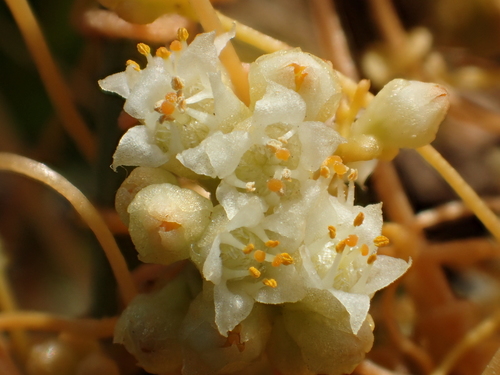
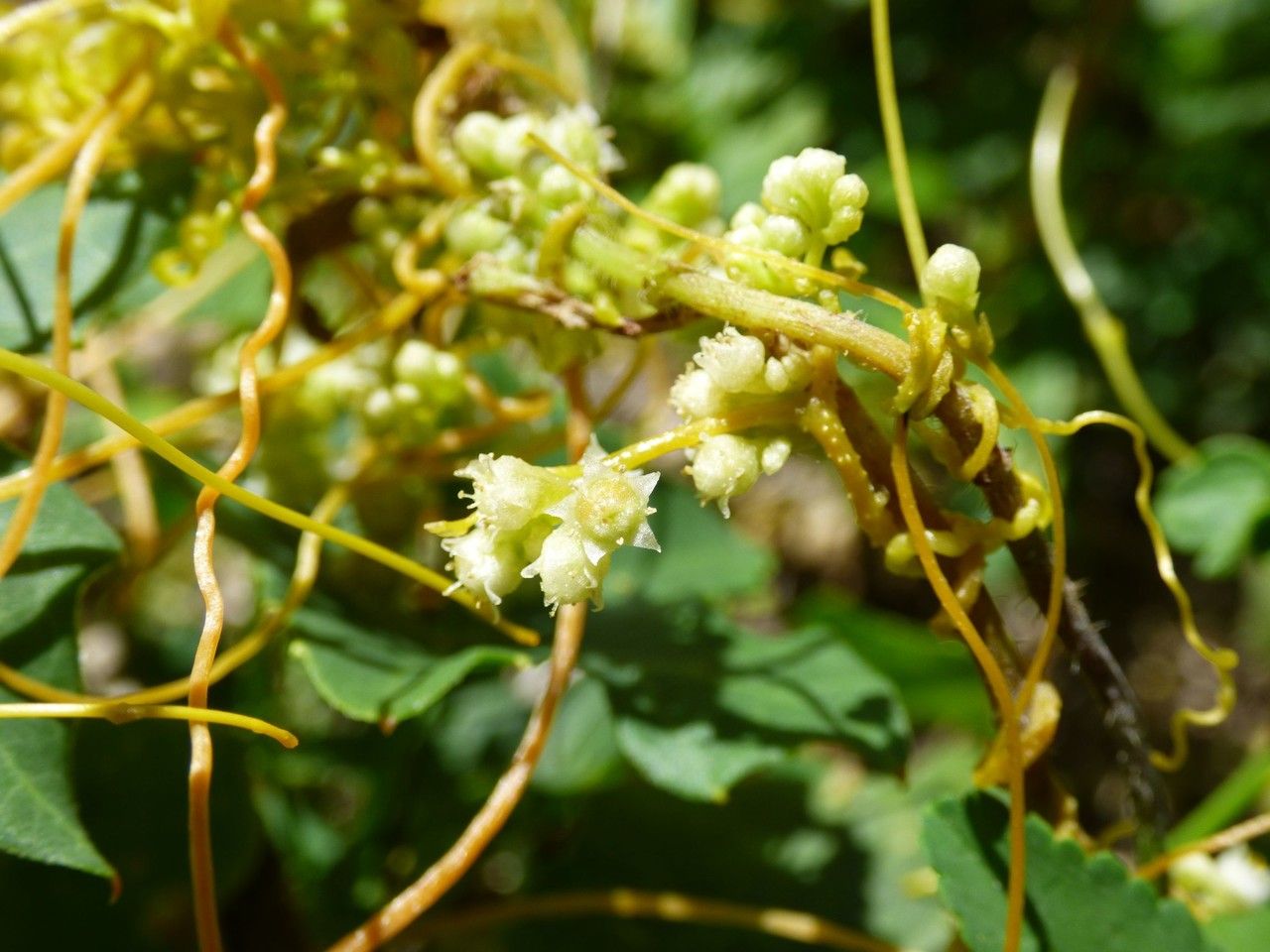
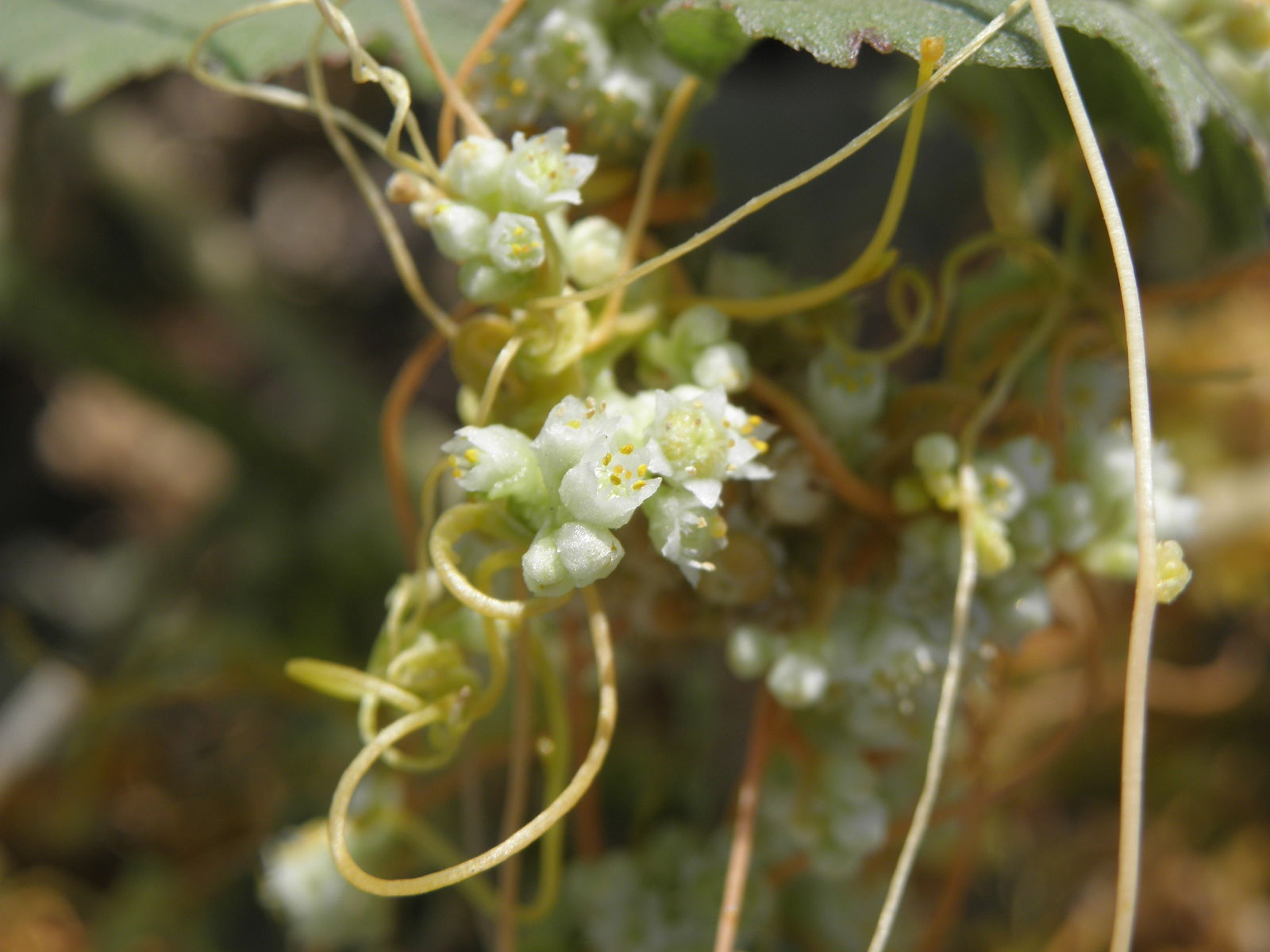
A parasitic vine with yellow-orange stems that lacks chlorophyll and relies on host plants for nutrients.
Benefits & Perks
["rare/collector’s item"]
Botanical Classification
| Phylum: | Magnoliophyta |
| Class: | Magnoliopsida |
| Order: | Solanales |
| Family: | Convolvulaceae |
| Genus: | Cuscuta |
| Botanical Name: | Cuscuta campestris |
Plant Characteristics
Basic Information
- Category: Herbs & Weeds
- Suitable Location: on host plants in open fields or disturbed areas
- Suitable For:
- Is Weed: No
- Allergenicity: low
Environmental Needs
- Climate: {"temperatureRange":"10–35°C"}
- Hardiness: {"zones":"3–9"}
- Misting: not required
- Drainage: N/A
- Soil Type: Not applicable; grows on host plants.
Maintenance Level
- Maintenance Level: very low
- Toughness Level: very low
- Pruning Frequency: N/A
- Pruning Intensity: N/A
Care Details
Ideal Sunlight Coverage:
No specific sunlight needs; relies on host plant for light exposure.
Sunlight Tolerance Tips:
No direct sunlight tolerance; depends entirely on host plant's location.
Care Requirements
Care Difficulty
expert onlymoderate
Sunlight
full sun to partial shade
Host plant placement determines light; no direct sun needed for Cuscuta.
Watering
rarely required, as it is a parasitic plant
Avoid overwatering; ensure host plant is adequately hydrated; monitor host plant's water needs.
Soil
not required, as it grows on host plants
pH: N/A
N/A
Temperature
Depends on host plant; generally tolerates a wide range but thrives in warm conditions.
Monitor host plant's temperature; protect from extremes; adjust care seasonally.
Fertilizing
not applicable, as it derives nutrients from host plants
Focus fertilization on host plant; no direct feeding needed for Cuscuta.
Propagation
Methods
Seed propagation or by connecting to a host plant via stem cuttings.
Step-by-Step Propagation Guide
- Select healthy host.
- Prepare Cuscuta cutting.
- Gently attach to host.
- Secure connection.
Best Time: Spring or early summer when host plants are actively growing.
Environment
Warm, humid conditions; requires a healthy host plant nearby.
Medium
Not applicable; requires a host plant for propagation.
Hormone
Not required; relies on host connection.
Timeline
Several weeks to establish connection with host; dependent on host health.
Tools Needed
Scissors, twine or clips, host plant access.
Quick Tips
Ensure host is healthy; secure attachment; monitor for successful connection.
Pruning & Repotting
Pruning Guide
Method
N/A
Pruning Plan
Not applicable; Cuscuta does not require pruning.
Tools
N/A
Checklist
N/A
Repotting Guide
Best Season
N/A
Pot Size
N/A
Method
N/A
Suggestions
Not applicable; Cuscuta is not potted.
Checklist
N/A
Advanced Care Tips
Watering Mastery
Watering Checklist
Check host plant moisture; water host deeply; avoid Cuscuta direct watering.
How to Apply Water Properly
Water the host plant thoroughly, ensuring moisture reaches the roots. Avoid direct watering of Cuscuta unless necessary.
Watering Schedule Tips
Water sparingly, as Cuscuta campestris is a parasitic plant that derives moisture from its host. Only water if the host plant shows signs of stress or during prolonged drought.
Soil Improvement
N/A
Temperature Stress Management
Signs of Temperature Issues
Host plant stress; wilting; reduced growth.
Cold Stress
Can lead to host plant decline, affecting Cuscuta's survival.
Solution: Ensure host plant is protected from frost; provide adequate warmth if needed.
Hot Stress
Excessive heat can stress the host, indirectly affecting Cuscuta.
Solution: Provide shade for the host plant during extreme heat; ensure adequate hydration.
Fertilizing Guide
Fertilizing Checklist
Fertilize host plant; monitor host growth; no Cuscuta fertilization.
Fertilizing Method
Not applicable; derives nutrients from the host plant.
Common Problems & Solutions
Toxicity Warning
Cats
Slightly ToxicCats that ingest Cuscuta campestris may experience mild gastrointestinal irritation. The plant's parasitic nature and low nutrient content contribute to its limited toxicity.
⚠️ Symptoms:
🌿 Toxic Parts:
⚡ Toxic If:
if eaten
Dogs
Slightly ToxicIngestion of Cuscuta campestris by dogs may lead to mild gastrointestinal upset. The plant's parasitic nature and lack of chlorophyll suggest limited toxicity, but caution is advised.
⚠️ Symptoms:
🌿 Toxic Parts:
⚡ Toxic If:
if eaten
Humans
Slightly ToxicCuscuta campestris, commonly known as field dodder, is a parasitic plant that can cause mild gastrointestinal distress if ingested. The plant lacks chlorophyll and derives nutrients from host plants, which may contribute to its low toxicity profile.
⚠️ Symptoms:
🌿 Toxic Parts:
⚡ Toxic If:
if eaten
Frequently Asked Questions
Q: Is Cuscuta campestris harmful to other plants?
A: Yes, it is a parasitic weed that can severely damage or kill host plants by draining their nutrients.
Q: Can Cuscuta campestris be grown indoors?
A: It requires a host plant and is not typically grown as a decorative indoor plant.
Q: How does Cuscuta campestris reproduce?
A: It reproduces via seeds and can spread rapidly, forming dense mats over host vegetation.
Quick Reference

| Family: | Convolvulaceae |
| Care: | expert only |
| Light: | full sun to partial shade |
| Water: | rarely required, as it is a pa |
Get Expert Care Tips
Download the Plantious app for personalized care reminders and plant identification!
Google Play App Store