Handkerchief Tree, Dove Tree
davidia involucrata
Also known as: ["Pocket Handkerchief Tree","Ghost Tree"]
Overview
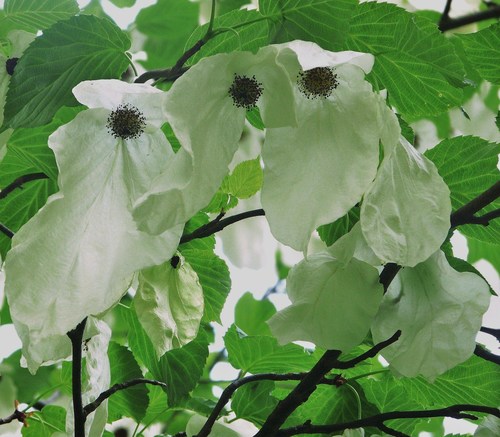
A deciduous tree known for its large, white bracts that resemble handkerchiefs or doves in spring.
Benefits & Perks
["long-flowering","aesthetic foliage","wildlife attractant (bees, butterflies, birds)"]
Botanical Classification
| Phylum: | Magnoliophyta |
| Class: | Magnoliopsida |
| Order: | Cornales |
| Family: | Cornaceae |
| Genus: | Davidia |
| Botanical Name: | Davidia involucrata |
Plant Characteristics
Basic Information
- Category: Trees
- Suitable Location: outdoor garden in a sheltered spot with protection from strong winds
- Suitable For:
- Is Weed: No
- Allergenicity: low
Environmental Needs
- Climate: {"temperatureRange":"–12–35°C"}
- Hardiness: {"zones":"6–8"}
- Misting: rarely required, only if ambient humidity is very low
- Drainage: Moderately well-draining; avoid waterlogged conditions.
- Soil Type: Rich, loamy soil with good organic matter; well-draining.
Maintenance Level
- Maintenance Level: moderate
- Toughness Level: moderate
- Pruning Frequency: Annually in late winter or early spring before new growth.
- Pruning Intensity: Moderate; remove up to one-third of old growth if needed.
Care Details
Ideal Sunlight Coverage:
Full sun to partial shade; 6–8 hours of direct or dappled sunlight per day; adjust for intense summer sun.
Sunlight Tolerance Tips:
Acclimate new plants to sunlight gradually; protect from harsh afternoon sun; provide shade during peak summer heat.
Care Requirements
Care Difficulty
moderatemoderate
Sunlight
partial shade to full sun
Morning sun is ideal; avoid direct midday sun in summer; rotate plant for even light exposure.
Watering
every 7–10 days during active growth, less frequently in winter
Water thoroughly until it drains from the bottom; allow soil to dry between waterings; avoid overwatering.
Soil
well-drained, loamy soil with added organic matter
pH: Slightly acidic to neutral (pH 6.0–7.0).
Ensure good drainage; enrich with organic matter; avoid compacted soil.
Temperature
Prefers temperate climates; ideal range 60–75°F (15–24°C); tolerates mild frosts but avoid extreme heat.
Protect from frost; water deeply in heat; adjust care for seasonal shifts.
Fertilizing
every 4–6 weeks during spring and summer with balanced liquid fertilizer
Fertilize in spring before new growth; dilute liquid fertilizer to half strength; avoid fertilizing stressed plants.
Propagation
Methods
Softwood cuttings in summer; seed propagation is possible but slower.
Step-by-Step Propagation Guide
- Take 4–6 inch cuttings.
- Remove lower leaves.
- Dip in rooting hormone.
- Plant in medium.
- Maintain humidity.
Best Time: Late spring to early summer when new growth is flexible.
Environment
High humidity (70–80%); warm temperatures (65–75°F); partial shade.
Medium
Peat-based mix with perlite or sand for drainage.
Hormone
Rooting hormone recommended for faster root development.
Timeline
Roots in 4–8 weeks; establish in 1–2 growing seasons.
Tools Needed
Pruners, rooting hormone, misting spray, propagation tray.
Quick Tips
Use healthy, disease-free cuttings; maintain consistent moisture; provide bottom heat for faster rooting.
Pruning & Repotting
Pruning Guide
Method
Thinning cuts to open canopy; heading cuts to shape; avoid excessive topping.
Pruning Plan
Shape plant; remove dead or crossing branches; encourage airflow and light penetration.
Tools
Pruning shears, loppers, saw for larger branches.
Checklist
Sterilize tools; prune dead/diseased wood; make clean cuts; dispose of pruned material.
Repotting Guide
Best Season
Early spring before active growth begins.
Pot Size
Increase pot size by 2–3 inches in diameter; avoid oversized pots.
Method
Remove plant gently; trim roots if pot-bound; use fresh soil mix; ensure good drainage.
Suggestions
Repot every 2–3 years or when roots fill container; beneficial for young plants.
Checklist
Prepare new pot; trim roots; add fresh soil; water thoroughly; place in shade for recovery.
Advanced Care Tips
Watering Mastery
Watering Checklist
Check soil moisture; water deeply; ensure drainage; adjust for season.
How to Apply Water Properly
Water at the base of the plant, ensuring moisture reaches the root zone; water early in the morning to minimize evaporation; ensure excess water drains away to prevent waterlogging.
Watering Schedule Tips
Water deeply once the top inch of soil feels dry; reduce frequency in winter to prevent root rot.
Soil Improvement
Add compost or well-rotted manure; incorporate perlite or sand for drainage; mulch surface to retain moisture.
Temperature Stress Management
Signs of Temperature Issues
Leaf scorch in excessive heat; leaf drop or browning in cold stress; stunted growth in temperature extremes.
Cold Stress
Slows growth; may cause leaf discoloration; vulnerable to frost damage in dormant periods.
Solution: Mulch heavily around the base; protect with burlap in severe cold; avoid planting in exposed, windy sites.
Hot Stress
Wilting; leaf scorch; reduced flowering; increased susceptibility to pests.
Solution: Provide shade during peak heat; increase watering; use mulch to retain soil moisture.
Fertilizing Guide
Fertilizing Checklist
Use balanced fertilizer; apply in spring; avoid over-fertilization; water before feeding.
Fertilizing Method
Use balanced, slow-release fertilizer in early spring; avoid high-nitrogen formulas; reduce or stop feeding in winter.
Common Problems & Solutions
Toxicity Warning
Cats
Non-toxicDavidia involucrata is not toxic to cats. There are no known adverse effects on feline health from ingestion of any part of this plant.
⚡ Toxic If:
if eaten
Dogs
Non-toxicDavidia involucrata is not toxic to dogs. There are no known adverse effects on canine health from ingestion of any part of this plant.
⚡ Toxic If:
if eaten
Humans
Non-toxicDavidia involucrata, commonly known as the dove tree or handkerchief tree, is not considered toxic to humans. There are no known toxic compounds or physiological effects associated with ingestion of any part of this plant.
⚡ Toxic If:
if eaten
Frequently Asked Questions
Q: Why are the flowers called handkerchiefs?
A: The large, white bracts that surround the small flowers resemble handkerchiefs or doves, giving the tree its common name.
Q: Is this tree suitable for small gardens?
A: Due to its size, it is best suited for larger landscapes or parks.
Q: Does it require full sun?
A: It thrives in partial shade to full sun, making it adaptable to various light conditions.
Quick Reference



| Family: | Cornaceae |
| Care: | moderate |
| Light: | partial shade to full sun |
| Water: | every 7–10 days during activ |
Get Expert Care Tips
Download the Plantious app for personalized care reminders and plant identification!
Google Play App Store