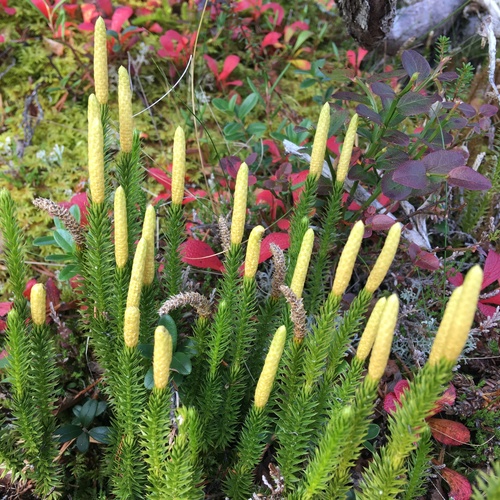
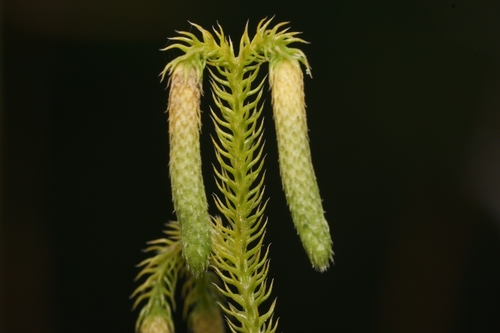
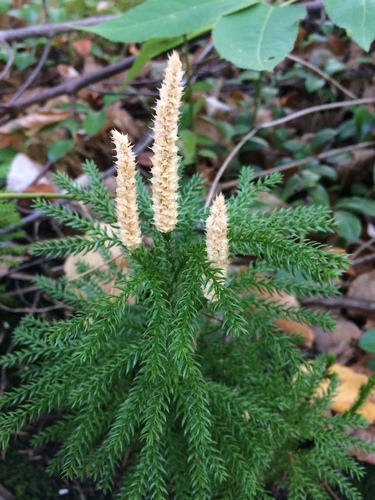
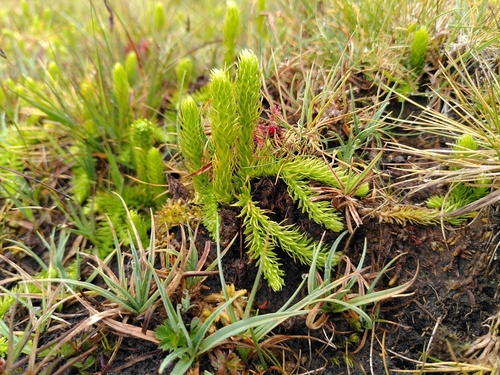
Fern-leaf fir moss
huperzia selago
Also known as: [" Fir clubmoss ","Lycopodium selago"]
Overview
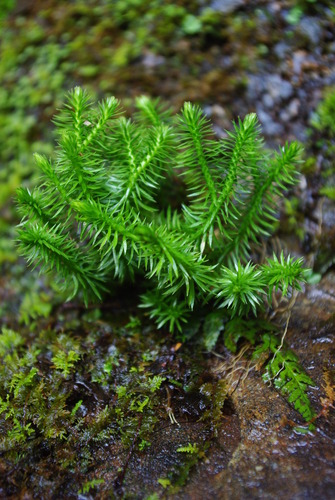
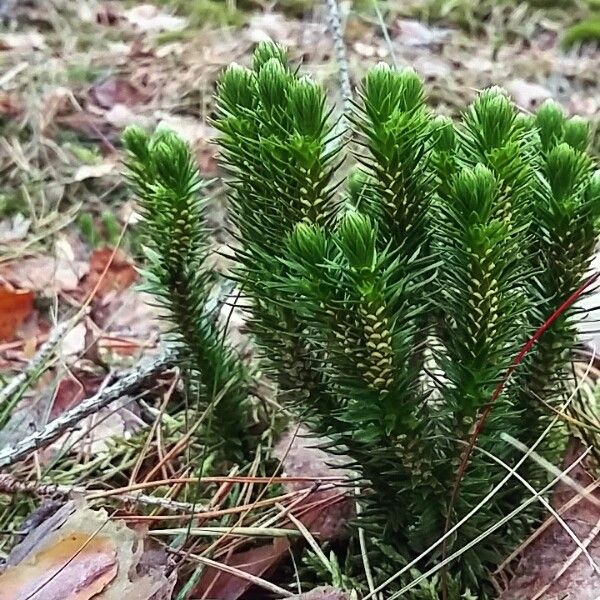
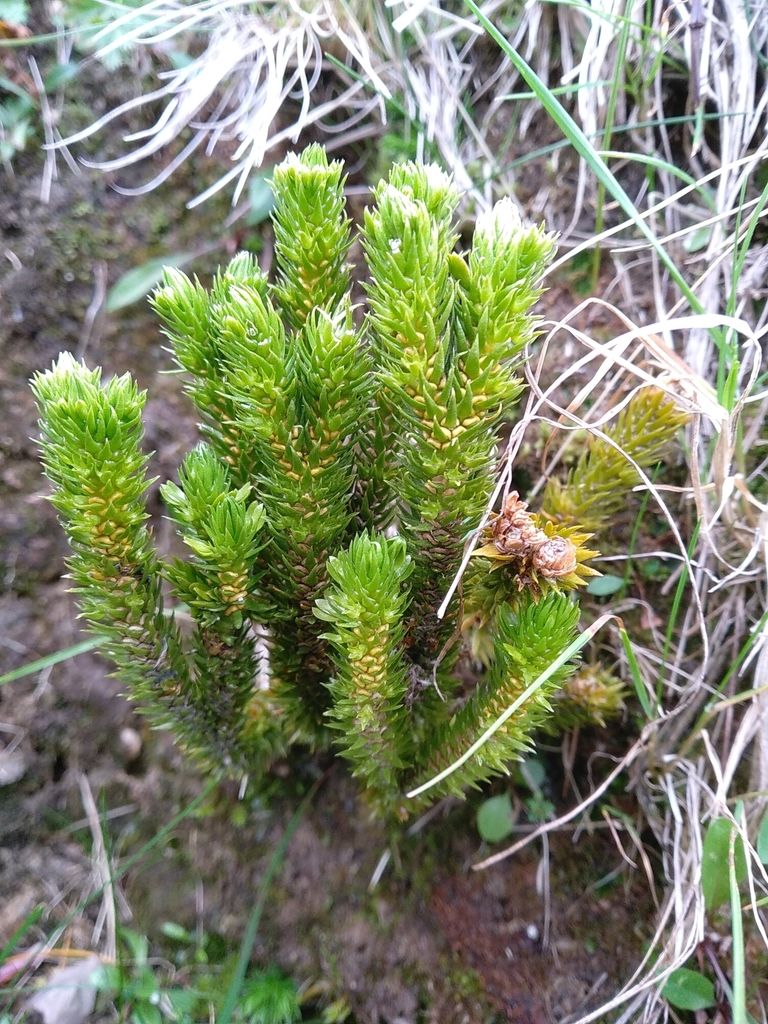
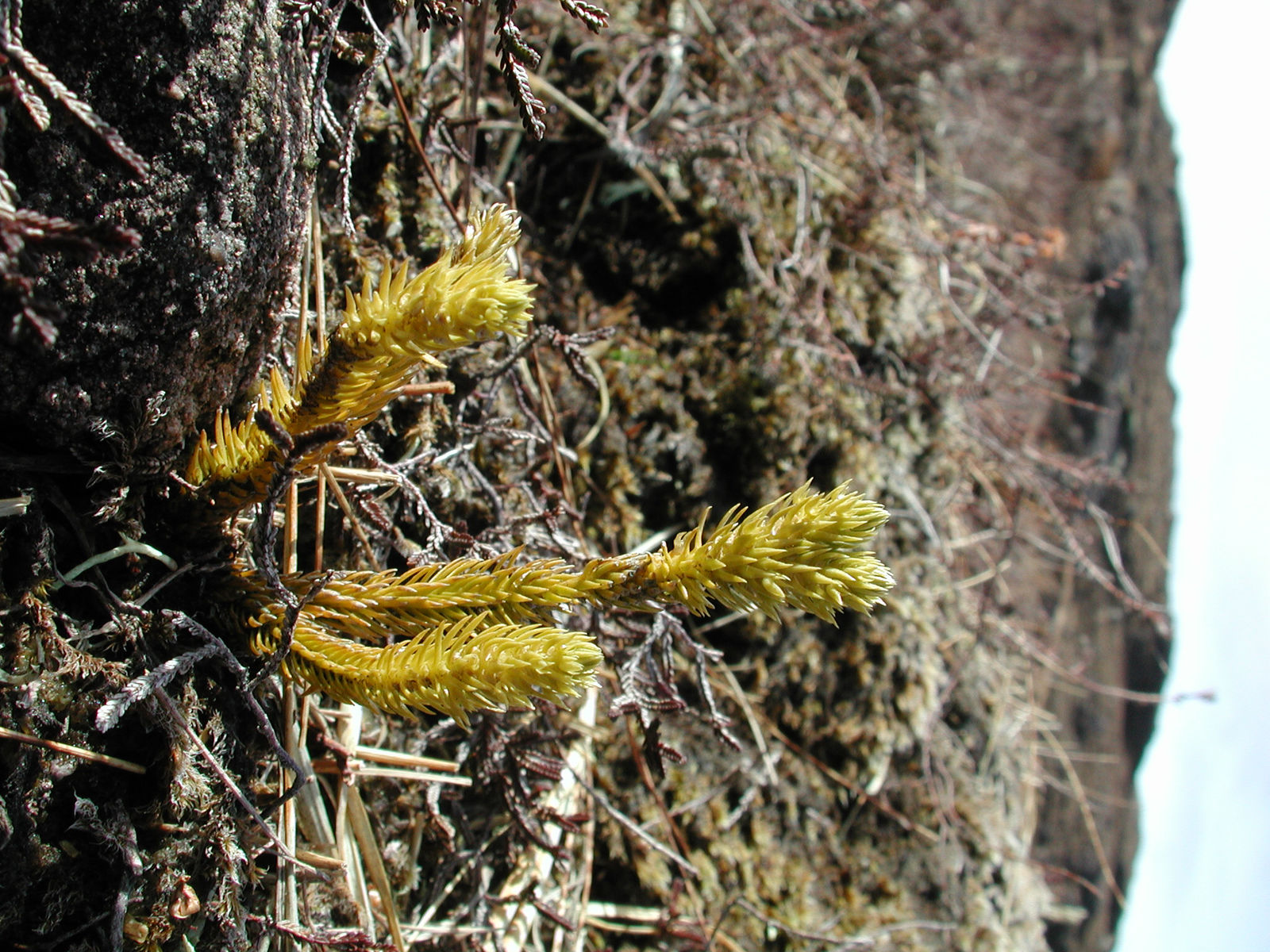
A perennial evergreen plant with creeping stems and small, scale-like leaves arranged in spirals. It is a primitive vascular plant with spore reproduction.
Benefits & Perks
["shade tolerant","rare/collector’s item"]
Botanical Classification
| Phylum: | Lycopodiophyta |
| Class: | Lycopodiopsida |
| Order: | Lycopodiales |
| Family: | Lycopodiaceae |
| Genus: | Huperzia |
| Botanical Name: | Huperzia selago |
Plant Characteristics
Basic Information
- Category: Herbs & Weeds
- Suitable Location: moist, shaded woodland areas or cool, humid indoor settings
- Suitable For:
- Is Weed: No
- Allergenicity: low
Environmental Needs
- Climate: {"temperatureRange":"0–20°C"}
- Hardiness: {"zones":"3–7"}
- Misting: every 2–3 days to maintain high humidity
- Drainage: Fast-draining to prevent waterlogging.
- Soil Type: Acidic, well-draining, and rich in organic matter, such as a mix of peat, sand, and leaf mold.
Maintenance Level
- Maintenance Level: very low
- Toughness Level: very high
- Pruning Frequency: As needed, typically once or twice a year, or when dead fronds are present.
- Pruning Intensity: Light pruning only, removing individual fronds without altering the plant's shape.
Care Details
Ideal Sunlight Coverage:
Bright, indirect light for 4–6 hours daily. Tolerates partial shade, especially in warmer months.
Sunlight Tolerance Tips:
Acclimate slowly to brighter light to prevent scorching. Place in filtered light outdoors or near an east-facing window indoors.
Care Requirements
Care Difficulty
expert onlymoderate
Sunlight
partial to full shade
Avoid direct sun; rotate plant for even light; adjust for seasonal light changes.
Watering
every 7–10 days, allowing soil to dry slightly between waterings
Water thoroughly but infrequently; ensure excellent drainage; avoid waterlogged soil.
Soil
moist, acidic, peaty soil
pH: Acidic, ideally between 4.5 and 6.0.
Use acidic soil mix; ensure excellent drainage; avoid heavy, clay-based soils.
Temperature
Cool to cold temperatures, ideally 5–15°C (41–59°F). Prefers cooler conditions year-round.
Keep in cool, draft-free areas; avoid heat sources; monitor for signs of heat stress.
Fertilizing
rarely required, if at all, as it is a slow-growing plant
Dilute fertilizer to half strength; fertilize only when actively growing; skip winter feedings.
Propagation
Methods
Spores or division of rhizomes. Spore propagation is more common for this species.
Step-by-Step Propagation Guide
- Collect mature spores.
- Surface sow on sterile medium.
- Keep moist and humid.
- Or divide rhizomes carefully and replant.
Best Time: Spring or early summer when the plant is actively growing.
Environment
High humidity (70–90%), indirect light, and consistent cool temperatures (10–15°C or 50–59°F).
Medium
Moist, sterile peat-based medium with good drainage, such as peat and perlite mix.
Hormone
Not typically required for spore propagation; division may benefit from rooting hormone.
Timeline
Spores may take several months to germinate and establish; division can establish in 1–2 months.
Tools Needed
Spore collection kit, sterile medium, humidity dome, sharp knife (for division).
Quick Tips
Use sterile tools to prevent disease; maintain high humidity for spores; divide only when necessary.
Pruning & Repotting
Pruning Guide
Method
Snip dead or yellowing fronds at the base using clean, sharp scissors or pruners.
Pruning Plan
Minimal pruning required. Focus on removing dead or damaged fronds to maintain appearance and health.
Tools
Sharp, clean scissors or small pruning shears.
Checklist
Use clean tools; prune dead/damaged fronds; avoid over-pruning; dispose of clippings properly.
Repotting Guide
Best Season
Early spring, before the active growing season begins.
Pot Size
Increase pot size by only 2–5 cm (1–2 inches) to avoid excessive soil moisture retention.
Method
Use a well-draining, acidic soil mix. Gently tease out roots if compacted, and place in a pot with drainage holes.
Suggestions
Repot only when the plant becomes root-bound or the soil degrades. Huperzia selago prefers being slightly root-bound.
Checklist
Choose appropriate pot size; use well-draining soil; handle roots gently; water lightly after repotting.
Advanced Care Tips
Watering Mastery
Watering Checklist
Check soil moisture before watering; water early in the day; ensure proper drainage; reduce winter watering.
How to Apply Water Properly
Water directly at the root zone until water drains from the bottom, ensuring even moisture without saturation. Water in the morning to allow foliage to dry.
Watering Schedule Tips
Water sparingly, allowing the soil to dry out between waterings. Reduce frequency in winter to prevent root rot.
Soil Improvement
Add perlite or coarse sand for drainage; incorporate peat moss for acidity and organic content.
Temperature Stress Management
Signs of Temperature Issues
Wilting, yellowing, or browning of foliage; stunted growth; mold or mildew in overly warm conditions.
Cold Stress
Huperzia selago thrives in cold and can tolerate freezing temperatures, but sudden drops may cause shock.
Solution: Ensure gradual temperature changes; protect from frost if grown in containers; maintain consistent cool temperatures.
Hot Stress
Excessive heat can cause dehydration, leaf burn, and reduced vigor, even if not lethal.
Solution: Provide shade during peak heat; increase humidity; water more frequently but carefully in hot spells.
Fertilizing Guide
Fertilizing Checklist
Use balanced fertilizer; dilute properly; fertilize during growing season only; avoid contact with roots.
Fertilizing Method
Use a diluted, balanced liquid fertilizer monthly during active growth (spring and summer). Avoid fertilizing in winter.
Common Problems & Solutions
Toxicity Warning
Cats
ToxicCats are also susceptible to the toxic effects of Huperzia selago, with ingestion leading to cholinergic overstimulation. The compound's effects can be particularly severe in small animals due to their lower body weight.
⚠️ Symptoms:
🌿 Toxic Parts:
⚡ Toxic If:
if eaten
Dogs
ToxicIn dogs, ingestion of Huperzia selago can lead to cholinergic crisis due to the inhibition of acetylcholinesterase, similar to effects in humans. The compound can cause severe neurological and gastrointestinal disturbances.
⚠️ Symptoms:
🌿 Toxic Parts:
⚡ Toxic If:
if eaten
Humans
ToxicHuperzia selago contains huperzine A, a compound that inhibits acetylcholinesterase, leading to an accumulation of acetylcholine in the synaptic cleft. This can result in overstimulation of the parasympathetic nervous system, causing a range of physiological effects.
⚠️ Symptoms:
🌿 Toxic Parts:
⚡ Toxic If:
if eaten
Frequently Asked Questions
Q: Is Huperzia selago commonly used in gardens?
A: No, it is rare and typically found in specialized collections or natural habitats.
Q: Does Huperzia selago require special care?
A: It is challenging to cultivate and requires specific conditions, including cool, moist, and shaded environments.
Q: Is Huperzia selago toxic to pets?
A: There is insufficient data on its toxicity to pets.
Quick Reference
| Family: | Lycopodiaceae |
| Care: | expert only |
| Light: | partial to full shade |
| Water: | every 7–10 days, allowing so |
Get Expert Care Tips
Download the Plantious app for personalized care reminders and plant identification!
Google Play App Store