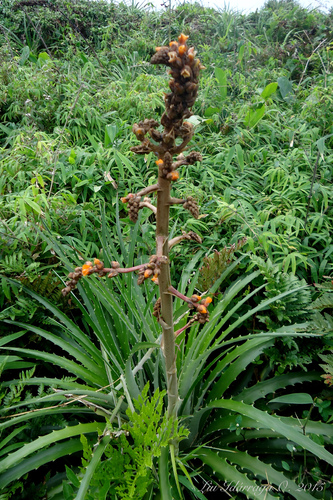
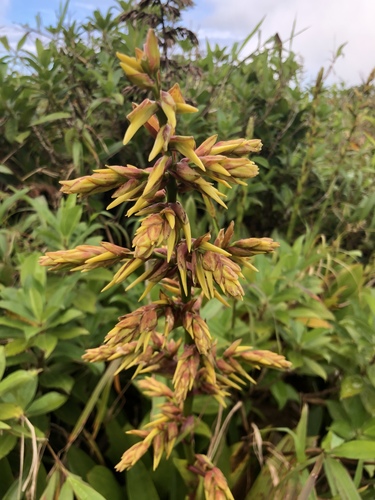
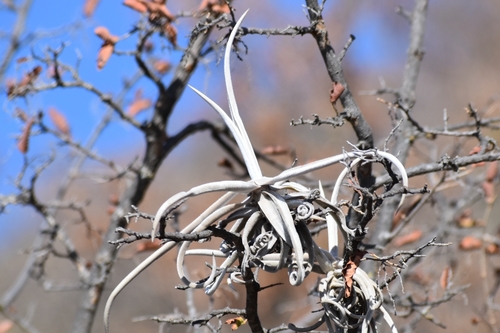
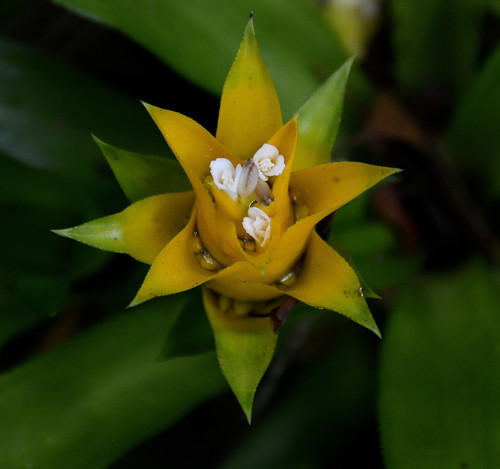
Bulbous Air Plant
tillandsia bulbosa
Also known as: ["Bulbous Air Plant","Tillandsia bulbosa"]
Overview
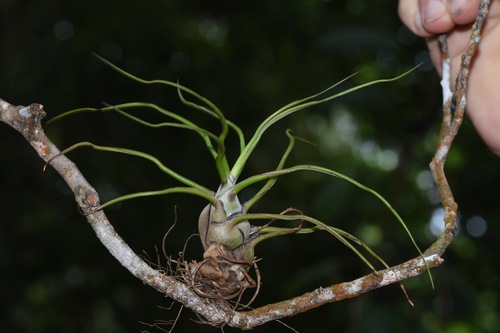
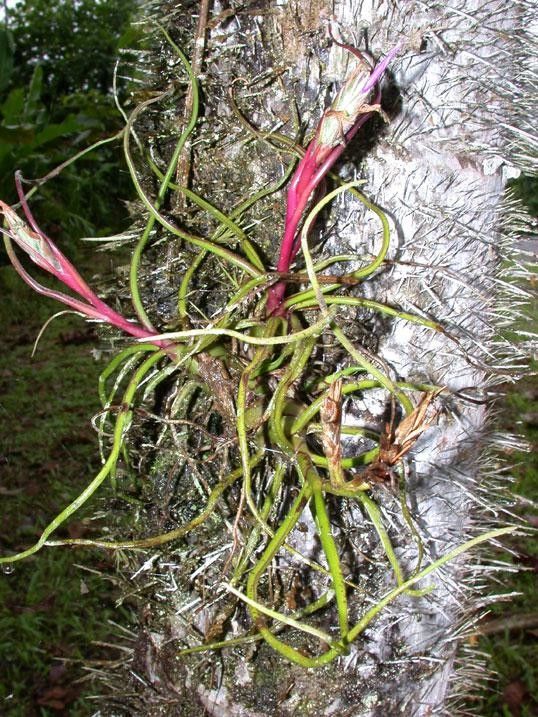
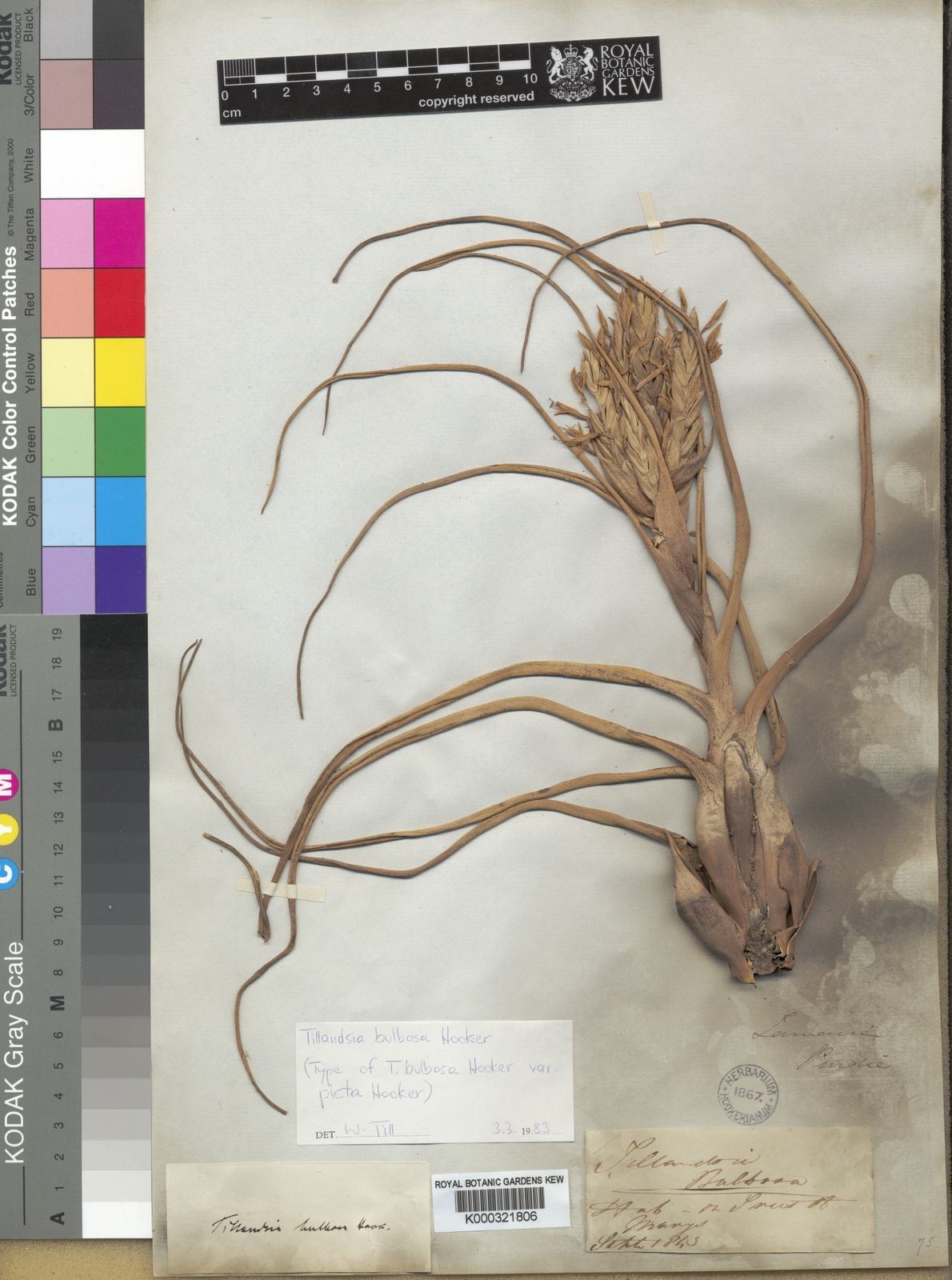
An epiphytic bromeliad with bulbous base and slender, twisted leaves, native to Central and South America.
Benefits & Perks
["low maintenance","aesthetic foliage","rare/collector’s item"]
Botanical Classification
| Phylum: | Magnoliophyta |
| Class: | Liliopsida |
| Order: | Poales |
| Family: | Bromeliaceae |
| Genus: | Tillandsia |
| Botanical Name: | Tillandsia bulbosa |
Plant Characteristics
Basic Information
- Category: Succulents & Cacti
- Suitable Location: indoor terrarium or mounted on decorative objects in bright, humid areas
- Suitable For:
- Is Weed: No
- Allergenicity: low
Environmental Needs
- Climate: {"temperatureRange":"10–30°C"}
- Hardiness: {"zones":"9–11"}
- Misting: every 2–3 days, or more frequently in dry climates
- Drainage: Excellent drainage; no standing water tolerated.
- Soil Type: No traditional soil needed; can be mounted on cork, bark, or grown in a very well-draining epiphytic mix (e.g., orchid bark, perlite, charcoal).
Maintenance Level
- Maintenance Level: low
- Toughness Level: moderate
- Pruning Frequency: As needed, typically every 6–12 months or when dead foliage accumulates.
- Pruning Intensity: Light to moderate; remove only dead or yellowing leaves.
Care Details
Ideal Sunlight Coverage:
Bright indirect light 6–8 hours/day. Tolerates some direct morning sun but avoid harsh afternoon rays, especially in summer.
Sunlight Tolerance Tips:
Acclimate gradually to direct light; protect from intense sun to prevent scorching; indoors, place near an east or north window.
Care Requirements
Care Difficulty
moderateeasy
Sunlight
bright, indirect light
Rotate plant weekly for even growth; use sheer curtains to filter strong light; avoid direct afternoon sun.
Watering
every 1–2 weeks, or when the bulbous base feels dry
Soak thoroughly rather than mist; ensure complete drying between waterings; adjust frequency with seasons.
Soil
no soil required; mounted on bark or placed in a terrarium
pH: Slightly acidic to neutral (pH 5.5–6.5).
Avoid waterlogged conditions; provide air circulation around roots; use a mix with organic matter for epiphytic growth.
Temperature
Ideal range 60–80°F (15–27°C). Prefers warm, humid conditions year-round, with slight cooling in winter but avoiding frost.
Avoid drafty areas; maintain stable temperatures; protect from sudden temperature swings.
Fertilizing
every 4–6 weeks during active growth, diluted to 1/4 strength
Fertilize after watering to prevent burning; use a bromeliad-specific formula for best results; flush with plain water occasionally.
Propagation
Methods
By offsets (pups) that form at the base of the mother plant.
Step-by-Step Propagation Guide
- Allow pups to grow to a suitable size.
- Carefully separate with a clean knife.
- Plant in well-draining medium.
- Water sparingly until established.
Best Time: After the mother plant has flowered or when pups are at least 1/3 the size of the parent (usually spring/summer).
Environment
Bright indirect light, high humidity (50–60%), and warm temperatures (70–80°F).
Medium
Well-draining mix of orchid bark, perlite, and coarse sand, or mounted on cork/bark.
Hormone
Not required for pups, but can be used for stem cuttings if attempting alternative methods.
Timeline
Pups can be separated and will mature in 6–12 months; flowering may take 1–3 years.
Tools Needed
Clean knife or scissors, mounting material (if applicable), well-draining medium.
Quick Tips
Do not overwater new pups; provide gentle air circulation; ensure pups are firmly attached if mounted.
Pruning & Repotting
Pruning Guide
Method
Snip individual leaves at the base with clean, sharp scissors; avoid cutting into the bulbous base.
Pruning Plan
Minimal pruning needed; focus on removing dead or damaged leaves and occasional shaping.
Tools
Clean, sharp scissors or pruning shears.
Checklist
Clean tools; target only dead/damaged leaves; avoid over-pruning.
Repotting Guide
Best Season
Spring or early summer, during active growth.
Pot Size
One size up from current pot; ensure it allows for 1–2 years of growth.
Method
Gently remove the plant; trim any dead roots; plant in a well-draining mix, ensuring the bulbous base is above the soil line.
Suggestions
Repot only when pups are large enough to be separated or if the plant becomes root-bound.
Checklist
Clean pot; fresh soil mix; proper drainage; correct planting depth.
Advanced Care Tips
Watering Mastery
Watering Checklist
Soak duration; drying time; water temperature; ventilation.
How to Apply Water Properly
Submerge the entire plant in room-temperature water, ensuring the bulbous base is fully hydrated. Shake gently to remove excess water, then place in a well-ventilated area to dry completely within 4 hours.
Watering Schedule Tips
Water 2–3 times per week during active growth (spring/summer), reducing to every 1–2 weeks in winter. Soak in water for 20–30 minutes, then shake off excess and dry completely.
Soil Improvement
For mounted plants, ensure secure attachment; for potted plants, use a mix with large particles for aeration.
Temperature Stress Management
Signs of Temperature Issues
Chlorosis (yellowing) in excessive heat; brown, mushy base in cold stress; stunted growth in temperature extremes.
Cold Stress
Below 50°F (10°C) can cause root and leaf damage, leading to rot or death, especially if combined with moisture.
Solution: Move to a warmer location; reduce watering in cool conditions; provide a heat source if necessary.
Hot Stress
Above 90°F (32°C) with poor air circulation can cause dehydration, browning, or wilting, even with adequate water.
Solution: Increase humidity; provide gentle air circulation; water more frequently but ensure drying between sessions.
Fertilizing Guide
Fertilizing Checklist
Dilution ratio; frequency; season; type of fertilizer.
Fertilizing Method
Use a balanced, water-soluble fertilizer diluted to ¼ strength every 4–6 weeks during growing season (spring/summer). Avoid fertilizing in winter.
Common Problems & Solutions
Toxicity Warning
Cats
Slightly ToxicCats that ingest Tillandsia bulbosa may experience mild gastrointestinal irritation. The plant is not highly toxic to felines but can cause mild symptoms if consumed.
⚠️ Symptoms:
🌿 Toxic Parts:
⚡ Toxic If:
if ingested
Dogs
Slightly ToxicIngestion of Tillandsia bulbosa by dogs may result in mild gastrointestinal upset. The plant is not considered highly toxic to canines but can cause discomfort if consumed.
⚠️ Symptoms:
🌿 Toxic Parts:
⚡ Toxic If:
if ingested
Humans
Slightly ToxicTillandsia bulbosa contains compounds that can cause mild gastrointestinal distress when ingested by humans. The plant is not highly toxic but can lead to discomfort if consumed in significant quantities.
⚠️ Symptoms:
🌿 Toxic Parts:
⚡ Toxic If:
if ingested
Frequently Asked Questions
Q: How often should I water Tillandsia bulbosa?
A: Mist it 2-3 times per week or soak it in water for 30 minutes every 1-2 weeks.
Q: Does Tillandsia bulbosa need soil?
A: No, it is an epiphyte and grows without soil, attaching to surfaces or in containers.
Q: Can Tillandsia bulbosa survive in low light?
A: It prefers bright, indirect light but can tolerate lower light conditions.
Quick Reference
| Family: | Bromeliaceae |
| Care: | moderate |
| Light: | bright, indirect light |
| Water: | every 1–2 weeks, or when the |
Get Expert Care Tips
Download the Plantious app for personalized care reminders and plant identification!
Google Play App Store