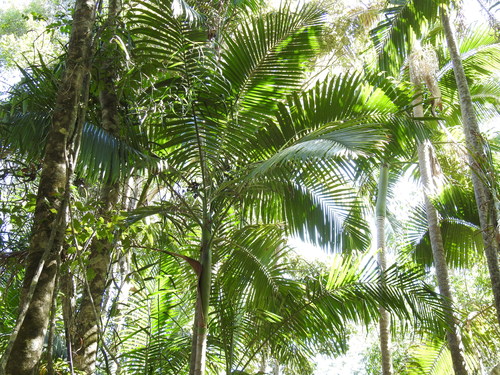
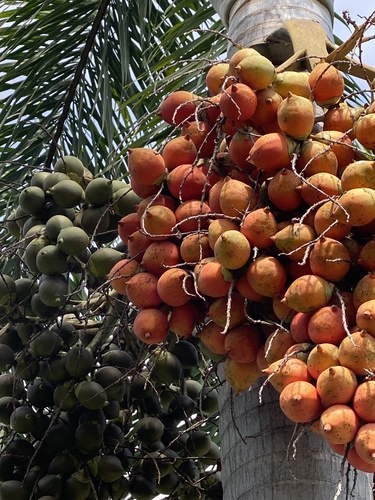
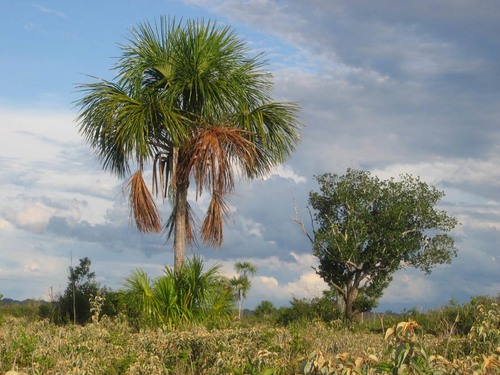
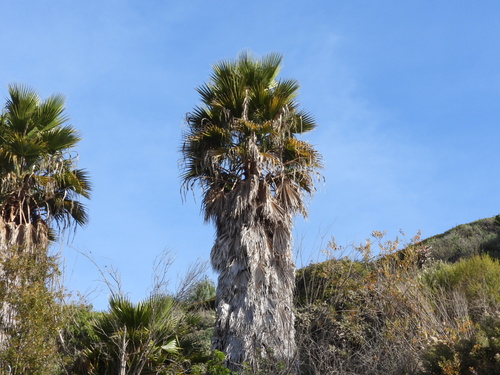
Dwarf Palmetto
sabal minor
Also known as: ["Blue Stem Palm","Palmetto Palm"]
Overview
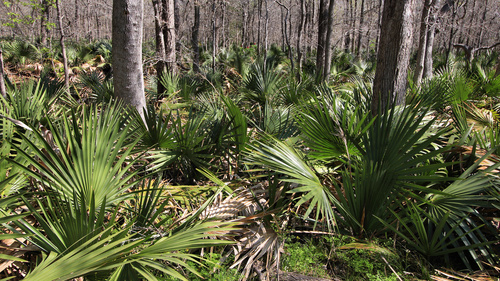
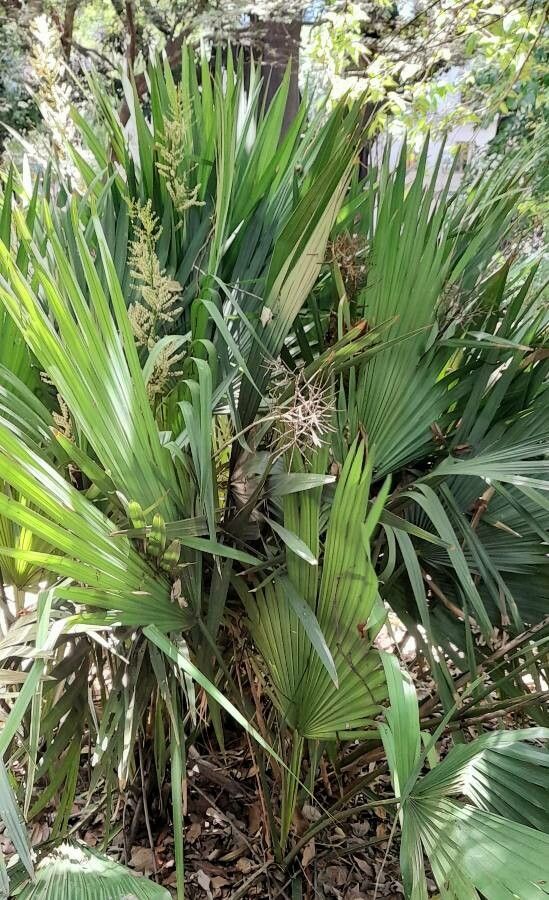
A small, clump-forming palm native to the southeastern United States, known for its hardiness and adaptability to various soil conditions.
Benefits & Perks
["cold hardy","low maintenance","shade tolerant","wildlife attractant (bees, butterflies, birds)"]
Botanical Classification
| Phylum: | Magnoliophyta |
| Class: | Liliopsida |
| Order: | Arecales |
| Family: | Arecaceae |
| Genus: | Sabal |
| Botanical Name: | Sabal minor |
Plant Characteristics
Basic Information
- Category: Trees
- Suitable Location: ground planting in temperate to subtropical gardens, or in a large container
- Suitable For:
- Is Weed: No
- Allergenicity: low
Environmental Needs
- Climate: {"temperatureRange":"−12–38°C"}
- Hardiness: {"zones":"7–11"}
- Misting: rarely required, only if ambient humidity is very low
- Drainage: Fast-draining to prevent root rot.
- Soil Type: Well-draining, sandy loam with organic matter. Cactus or palm-specific mixes work well.
Maintenance Level
- Maintenance Level: low
- Toughness Level: high
- Pruning Frequency: As needed, typically annually or after winter damage.
- Pruning Intensity: Light to moderate, focusing on removal of dead or diseased foliage.
Care Details
Ideal Sunlight Coverage:
Full sun to partial shade (4–6 hours of direct sunlight daily). Tolerates shade but may grow slower.
Sunlight Tolerance Tips:
Acclimate gradually to intense sunlight to prevent scorching. Protect from harsh afternoon sun in hot climates. Indoors, place near a south-facing window with filtered light.
Care Requirements
Care Difficulty
easymoderate
Sunlight
partial shade to full sun
Rotate plant for even growth; use sheer curtains in intense sun; monitor for leaf burn.
Watering
every 7–10 days during active growth, less frequently in winter
Water thoroughly until runoff, allow soil to dry slightly between waterings, and avoid waterlogging.
Soil
well-draining, sandy loam with some organic matter
pH: Slightly acidic to neutral (pH 6.0–7.0).
Use raised beds in heavy soils; avoid compacted soil; amend with organic matter for fertility.
Temperature
Hardy to USDA zones 6–10, tolerating temperatures down to -10°C (14°F). Prefers 15–30°C (60–86°F) for optimal growth.
Protect from frost; avoid sudden temperature swings; ensure good air circulation.
Fertilizing
every 2–3 months during spring and summer
Avoid over-fertilizing; fertilize only during active growth; flush soil occasionally to prevent salt buildup.
Propagation
Methods
Seed or division of suckers. Seeds may take 1–2 years to germinate.
Step-by-Step Propagation Guide
- Clean seeds or divide suckers.
- Plant in medium.
- Maintain moisture and warmth.
- Transplant when rooted.
Best Time: Spring or early summer when the plant is actively growing.
Environment
Warm (21–27°C), high humidity, and partial shade.
Medium
Well-draining mix of sand, peat, and perlite.
Hormone
Not typically required for seeds; rooting hormone may aid sucker division.
Timeline
Seeds: 1–2 years to germinate; suckers: roots in 1–3 months.
Tools Needed
Pruners, sharp knife, rooting hormone (optional), pots, well-draining medium.
Quick Tips
Keep seeds warm and moist; divide suckers carefully to avoid damage; use bottom heat for faster rooting.
Pruning & Repotting
Pruning Guide
Method
Cut fronds at the base using clean, sharp tools. Avoid cutting into the crown.
Pruning Plan
Minimal pruning needed. Remove dead or damaged fronds to maintain appearance and health.
Tools
Pruning shears, loppers (for larger fronds), gloves.
Checklist
Disinfect tools; cut dead fronds at base; avoid crown damage; clean up debris.
Repotting Guide
Best Season
Spring, before the active growth period begins.
Pot Size
One size up from current pot (e.g., +2–3 cm in diameter).
Method
Remove plant gently; trim any dead roots; repot in a slightly larger container with fresh, well-draining soil; water thoroughly.
Suggestions
Repot only when the plant becomes root-bound or every 3–5 years. Sabal minor is slow-growing and may not need frequent repotting.
Checklist
Choose appropriate pot; prepare fresh soil; handle roots carefully; water after repotting.
Advanced Care Tips
Watering Mastery
Watering Checklist
Check soil moisture with finger; water deeply; ensure drainage; adjust seasonally.
How to Apply Water Properly
Water directly at the root zone, ensuring even saturation to a depth of 6–8 inches. Ensure excess water drains away to prevent root rot. Water early in the morning to minimize evaporation.
Watering Schedule Tips
Water deeply once a week during active growth, reducing frequency in winter to every 2–3 weeks. Adjust based on rainfall and soil moisture retention.
Soil Improvement
Add perlite or coarse sand for drainage; incorporate compost for fertility; ensure good aeration.
Temperature Stress Management
Signs of Temperature Issues
Chlorosis or necrosis in extreme cold; wilting or stunted growth in excessive heat.
Cold Stress
Leaves may turn brown or black, and growth may halt. Roots can suffer damage in prolonged freezing conditions.
Solution: Mulch heavily around the base; cover with frost cloth during freezes; ensure good drainage to prevent root rot.
Hot Stress
Leaf edges may scorch, and the plant may show signs of dehydration despite watering.
Solution: Provide partial shade during peak heat; increase watering frequency; use mulch to retain soil moisture.
Fertilizing Guide
Fertilizing Checklist
Use balanced fertilizer; apply in spring/summer; avoid winter feeding.
Fertilizing Method
Use a balanced, slow-release fertilizer in spring and early summer. Dilute liquid fertilizer to half-strength if used monthly during growing season.
Common Problems & Solutions
Toxicity Warning
Cats
Slightly ToxicThe fruits of Sabal minor may cause mild gastrointestinal discomfort in cats if consumed. The toxic compounds can irritate the digestive system, leading to mild symptoms.
⚠️ Symptoms:
🌿 Toxic Parts:
⚡ Toxic If:
if eaten
Dogs
Slightly ToxicThe fruits of Sabal minor can cause mild gastrointestinal upset in dogs if ingested. The compounds present may lead to irritation of the stomach and intestines.
⚠️ Symptoms:
🌿 Toxic Parts:
⚡ Toxic If:
if eaten
Humans
Slightly ToxicThe fruits of Sabal minor contain compounds that can cause mild gastrointestinal distress when ingested in significant quantities. The physiological impact is generally limited to irritation of the digestive tract.
⚠️ Symptoms:
🌿 Toxic Parts:
⚡ Toxic If:
if eaten
Frequently Asked Questions
Q: How tall does Sabal minor grow?
A: It typically reaches 3–6 feet in height, with a spread of 6–10 feet.
Q: Is Sabal minor suitable for cold climates?
A: Yes, it is cold-hardy and can tolerate temperatures down to -10°C (14°F).
Q: Does Sabal minor require full sun?
A: It can grow in partial shade to full sun, but prefers partial shade in hotter climates.
Quick Reference
| Family: | Arecaceae |
| Care: | easy |
| Light: | partial shade to full sun |
| Water: | every 7–10 days during activ |
Get Expert Care Tips
Download the Plantious app for personalized care reminders and plant identification!
Google Play App Store