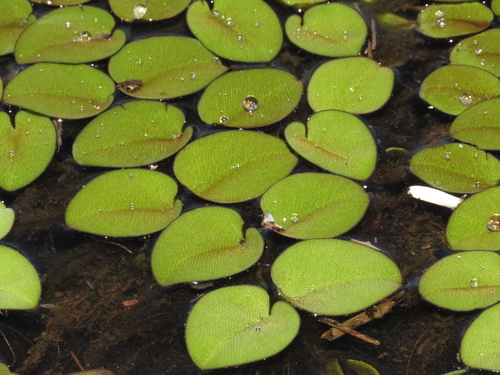
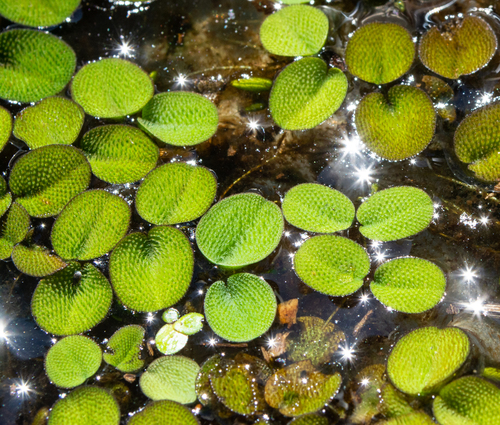
Floating Fern
salvinia natans
Also known as: ["Water Spangles","Floating Moss"]
Overview
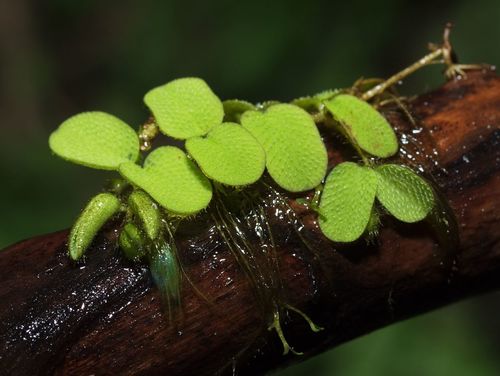
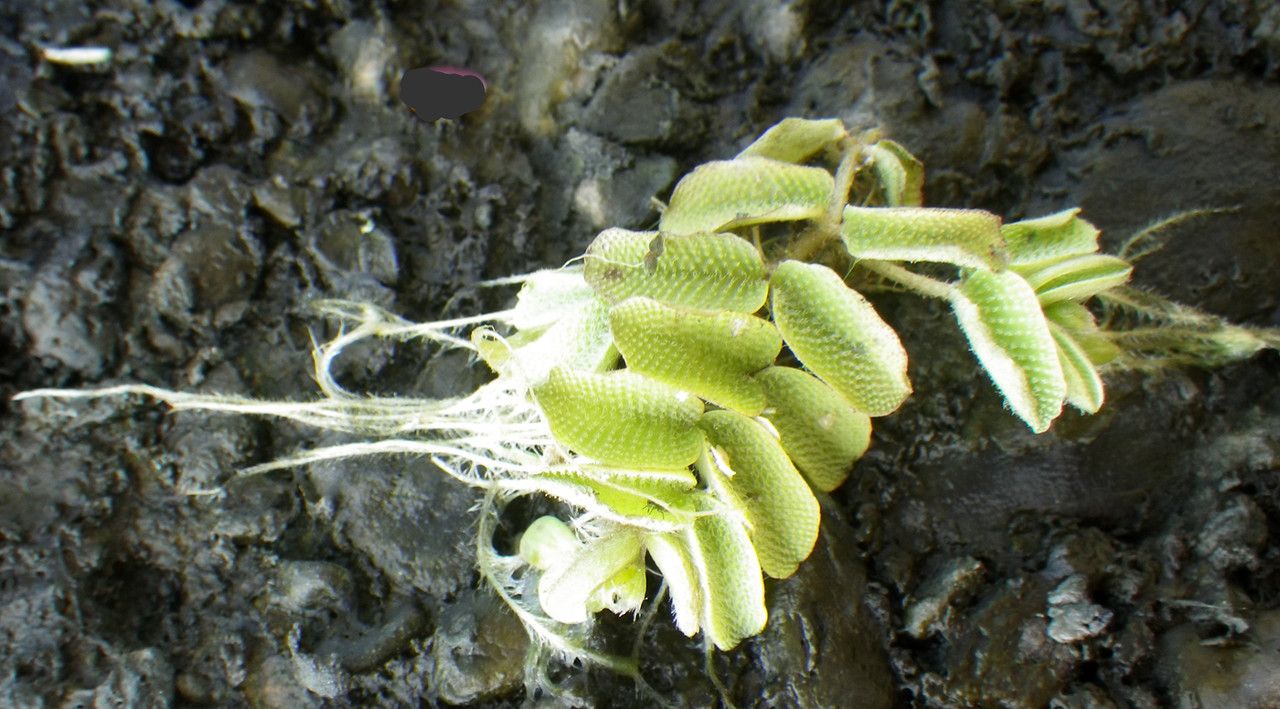
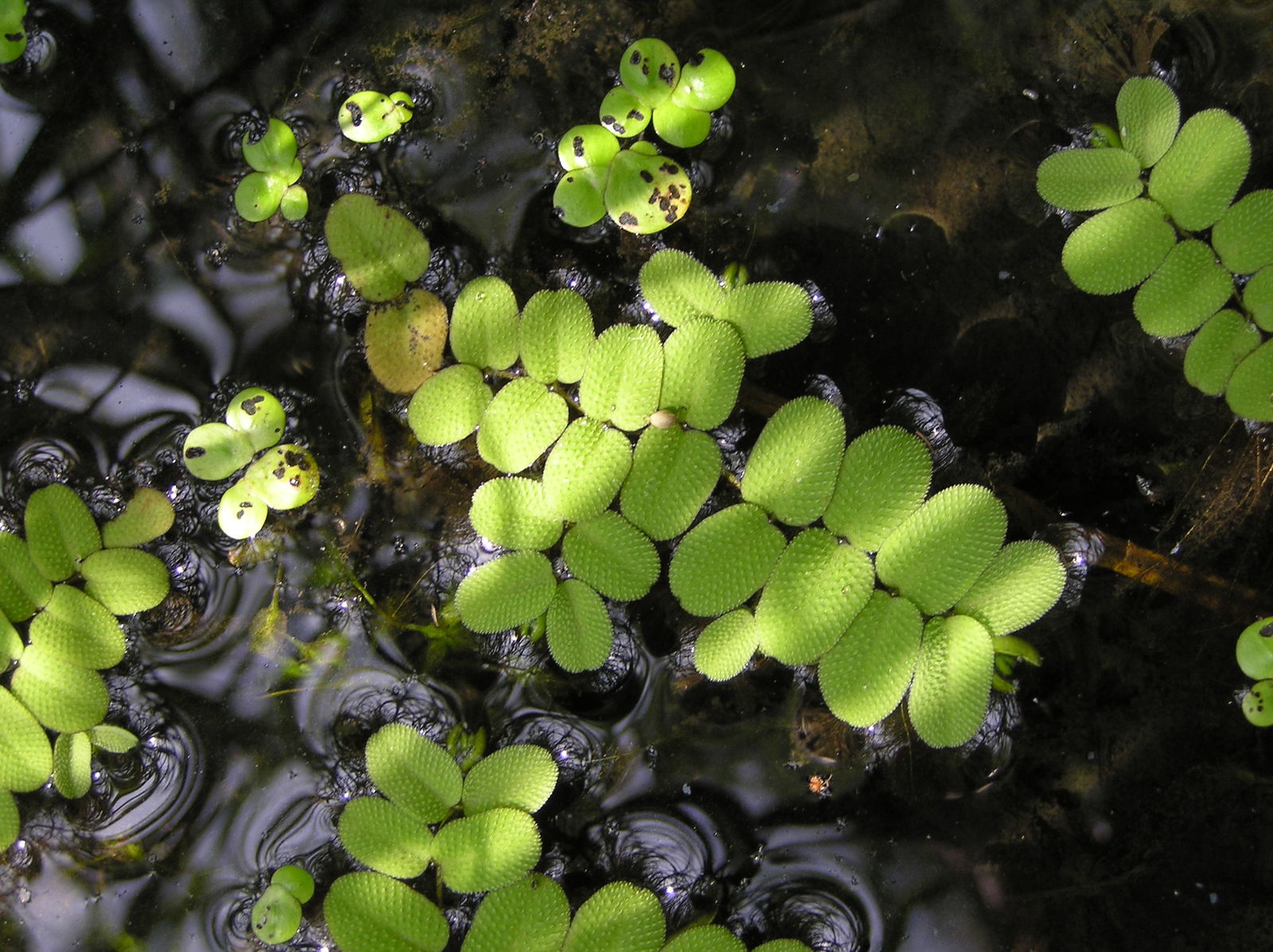
A small, free-floating aquatic plant with distinctive leaf pairs, one of which is submerged and feathery, while the other floats on the water surface.
Benefits & Perks
["low maintenance","wildlife attractant (bees, butterflies, birds)","shade tolerant"]
Botanical Classification
| Phylum: | Tracheophyta |
| Class: | Polypodiopsida |
| Order: | Salviniales |
| Family: | Salviniaceae |
| Genus: | Salvinia |
| Botanical Name: | Salvinia natans |
Plant Characteristics
Basic Information
- Category: Leaf Plants
- Suitable Location: still or slow-moving freshwater ponds, aquariums, or garden water features
- Suitable For:
- Is Weed: No
- Allergenicity: low
Environmental Needs
- Climate: {"temperatureRange":"15–30°C"}
- Hardiness: {"zones":"8–11"}
- Misting: not required
- Drainage: Not applicable; prefers still water with gentle circulation.
- Soil Type: Not required; thrives in still or slow-moving freshwater.
Maintenance Level
- Maintenance Level: low
- Toughness Level: moderate
- Pruning Frequency: As needed; typically every 1–2 weeks during active growth.
- Pruning Intensity: Light pruning; remove only dead or damaged leaves.
Care Details
Ideal Sunlight Coverage:
Bright indirect light for 6–8 hours/day; adjust for seasonal changes to prevent scorching.
Sunlight Tolerance Tips:
Acclimate gradually to intense light; avoid direct sunlight to prevent leaf burn; place in shaded areas during peak sun hours.
Care Requirements
Care Difficulty
easyeasy
Sunlight
full sun to partial shade
Rotate container for even light exposure; use sheer curtains to filter intense light; monitor for signs of sunburn.
Watering
daily in extreme heat, otherwise as needed to maintain water level
Maintain water level to keep leaves submerged; avoid stagnant water; provide gentle water circulation.
Soil
not applicable, floats on water surface
pH: Neutral to slightly acidic (6.0–7.5).
Maintain clean water; avoid pollutants; ensure gentle water movement.
Temperature
Optimal range 20–28°C (68–82°F); cooler temperatures may induce dormancy; avoid extreme fluctuations.
Monitor temperature daily; adjust placement based on seasonal changes; avoid drafts or sudden temperature shifts.
Fertilizing
rarely required, monthly if in nutrient-poor water
Dilute fertilizer to prevent burn; fertilize during active growth; stop in winter.
Propagation
Methods
Stem cuttings or division of floating mats; easily propagated from runners or fragments.
Step-by-Step Propagation Guide
- Select healthy stems.
- Cut below nodes.
- Place in water or rooting medium.
- Monitor for root development.
Best Time: Spring or early summer when growth is active; avoid propagation during dormancy.
Environment
Warm, humid environment with indirect light; gentle water movement.
Medium
Water with added rooting hormone or simply floating in nutrient-rich water.
Hormone
Optional but recommended for faster rooting.
Timeline
Roots develop within 1–2 weeks; new plants establish in 3–4 weeks.
Tools Needed
Sharp scissors, rooting hormone (optional), container with water.
Quick Tips
Use clean tools to prevent disease; change water weekly; ensure gentle light exposure.
Pruning & Repotting
Pruning Guide
Method
Gently remove decaying leaves by hand or with fine scissors; avoid disturbing healthy growth.
Pruning Plan
Minimal pruning needed; remove dead or decaying leaves to maintain water quality.
Tools
Fine-tipped scissors, gloves (optional).
Checklist
Inspect for dead leaves; remove gently; avoid over-pruning.
Repotting Guide
Best Season
N/A
Pot Size
N/A
Method
N/A
Suggestions
Not applicable; Salvinia natans is a floating plant and does not require repotting.
Checklist
N/A
Advanced Care Tips
Watering Mastery
Watering Checklist
Check water level daily; ensure leaves are floating; avoid direct water jets; maintain water circulation.
How to Apply Water Properly
Water gently to avoid dislodging the floating leaves; ensure the water surface is calm to support the plant's buoyancy; maintain a stable water level to prevent stress.
Watering Schedule Tips
Water daily to maintain a consistent water level, ensuring the floating leaves remain submerged; adjust frequency based on evaporation rates and temperature.
Soil Improvement
N/A; focus on water quality and circulation instead.
Temperature Stress Management
Signs of Temperature Issues
Leaf curling, browning edges, reduced growth, or dormancy in cold conditions; wilting or bleaching in excessive heat.
Cold Stress
Low temperatures slow metabolism, causing dormancy or leaf dieback; prolonged cold can lead to plant death.
Solution: Move to a warmer location; provide a heat source if necessary; reduce water during dormancy.
Hot Stress
Excessive heat increases evaporation, leading to dehydration; may cause leaf scorch or wilting.
Solution: Increase humidity; provide shade during peak heat; ensure adequate water circulation.
Fertilizing Guide
Fertilizing Checklist
Check fertilizer concentration; apply during growing season; avoid over-fertilization.
Fertilizing Method
Use liquid fertilizer diluted to half strength every 2–4 weeks during growing season; avoid fertilizing during dormancy.
Common Problems & Solutions
Toxicity Warning
Cats
Non-toxicSalvinia natans is not considered toxic to cats. It does not produce harmful physiological effects when ingested in small amounts.
🌿 Toxic Parts:
⚡ Toxic If:
if eaten
Dogs
Non-toxicSalvinia natans is not considered toxic to dogs. It poses no significant health risks when ingested in small quantities.
🌿 Toxic Parts:
⚡ Toxic If:
if eaten
Humans
Non-toxicSalvinia natans is not considered toxic to humans. It has no known adverse physiological effects when ingested in small quantities.
🌿 Toxic Parts:
⚡ Toxic If:
if eaten
Frequently Asked Questions
Q: How do I propagate Salvinia natans?
A: It propagates easily through fragmentation; simply break off pieces and let them float freely.
Q: Can Salvinia natans survive in cold climates?
A: It is not frost-tolerant and will die back in cold temperatures, but may re-emerge in warmer seasons.
Q: Does Salvinia natans require soil?
A: No, it is a free-floating plant and does not need soil; it thrives in still or slow-moving water.
Quick Reference


| Family: | Salviniaceae |
| Care: | easy |
| Light: | full sun to partial shade |
| Water: | daily in extreme heat, otherwi |
Get Expert Care Tips
Download the Plantious app for personalized care reminders and plant identification!
Google Play App Store