Poison Hemlock
conium maculatum
Also known as: ["Poison Parsley","Spotted Coriander","Beach Hemlock"]
Overview
A highly toxic biennial herb with finely divided leaves and small white flowers, native to Europe and North Africa.
Benefits & Perks
["wildlife attractant (bees, butterflies, birds)"]
Botanical Classification
| Phylum: | Magnoliophyta |
| Class: | Magnoliopsida |
| Order: | Apiales |
| Family: | Apiaceae |
| Genus: | Conium |
| Botanical Name: | Conium maculatum |
Plant Characteristics
Basic Information
- Category: Herbs & Weeds
- Suitable Location: garden bed in a location with good air circulation
- Suitable For:
- Is Weed: No
- Allergenicity: low
Environmental Needs
- Climate: {"temperatureRange":"5–30°C"}
- Hardiness: {"zones":"4–9"}
- Misting: rarely required, only if ambient humidity is very low
- Drainage: Moderately well-draining; avoid waterlogged conditions.
- Soil Type: Rich, moist but well-draining soil; prefers loamy or sandy soil with organic matter.
Maintenance Level
- Maintenance Level: moderate
- Toughness Level: moderate
- Pruning Frequency: As needed; remove spent flower stalks after flowering to encourage new growth.
- Pruning Intensity: Light pruning; avoid heavy cuts unless removing dead or diseased parts.
Care Details
Ideal Sunlight Coverage:
Full sun to partial shade; 6–8 hours of direct sunlight per day, with some afternoon shade in hot climates.
Sunlight Tolerance Tips:
Acclimate plants gradually to direct sunlight; protect from intense midday sun to prevent scorching; adjust placement based on indoor/outdoor conditions.
Care Requirements
Care Difficulty
expert onlymoderate
Sunlight
full sun to partial shade
Rotate plant for even light exposure; use sheer curtains to filter intense sunlight; avoid placing in drafty areas.
Watering
every 7–10 days, allowing soil to dry slightly between waterings
Water thoroughly but infrequently; ensure soil dries between waterings; avoid waterlogging.
Soil
well-drained, fertile loam
pH: Slightly acidic to neutral (pH 6.0–7.0).
Ensure soil is not compacted; avoid heavy clay soils; maintain consistent moisture.
Temperature
Prefers cool to moderate temperatures (60–75°F or 15–24°C); tolerates cooler nights but avoids extreme heat.
Monitor temperature fluctuations; adjust watering in extreme heat or cold; protect from drafts.
Fertilizing
every 4–6 weeks during active growth with a balanced liquid fertilizer
Apply fertilizer after watering to prevent root burn; flush soil occasionally to prevent salt buildup; reduce feeding in dormancy.
Propagation
Methods
Seed or root division; stem cuttings can also be used but are less common.
Step-by-Step Propagation Guide
- Prepare medium.
- Sow seeds or take cuttings.
- Provide warmth and humidity.
- Transplant once rooted.
Best Time: Spring or early summer when the plant is actively growing.
Environment
Warm, humid environment with indirect light; maintain consistent moisture.
Medium
Well-draining seed starting mix or a mix of peat and perlite for cuttings.
Hormone
Rooting hormone is optional but can improve success rates for cuttings.
Timeline
Seeds germinate in 2–4 weeks; cuttings root in 3–6 weeks and may take several months to establish.
Tools Needed
Pruning shears, rooting hormone, pots, misting spray bottle.
Quick Tips
Use fresh seeds for best germination; keep cuttings out of direct sun; maintain consistent moisture.
Pruning & Repotting
Pruning Guide
Method
Snip off dead or yellowing leaves; trim back overgrown stems to maintain shape.
Pruning Plan
Minimal pruning needed; focus on removing dead or damaged foliage to maintain plant health.
Tools
Pruning shears, gloves.
Checklist
Wear gloves; sterilize tools; remove dead/damaged parts; avoid over-pruning.
Repotting Guide
Best Season
Early spring before new growth begins.
Pot Size
Increase pot size by 1–2 inches in diameter; ensure good drainage holes.
Method
Remove plant gently; trim roots if necessary; repot in fresh, well-draining soil with a slightly larger pot.
Suggestions
Repot every 2–3 years or when roots fill the container; beneficial for container-grown plants to refresh soil.
Checklist
Choose appropriate pot; prepare new soil; handle roots carefully; water after repotting.
Advanced Care Tips
Watering Mastery
Watering Checklist
Check soil moisture; water deeply; ensure drainage; avoid wetting leaves.
How to Apply Water Properly
Water at the base of the plant, ensuring moisture reaches the root zone; allow excess water to drain away; water in the morning to reduce evaporation.
Watering Schedule Tips
Water deeply once the top inch of soil is dry; reduce frequency in winter to prevent root rot.
Soil Improvement
Add compost or well-rotted manure to enhance fertility; mix in perlite or sand to improve drainage.
Temperature Stress Management
Signs of Temperature Issues
Wilting, yellowing leaves, or stunted growth in excessive heat; leaf drop or browning in cold stress.
Cold Stress
Low temperatures slow growth and can cause leaf damage or dieback; frost can be lethal.
Solution: Provide frost protection in cold climates; move potted plants indoors during freezes; use mulch to insulate roots.
Hot Stress
Excessive heat leads to wilting, leaf scorch, and reduced vigor; may cease flowering.
Solution: Provide shade during peak heat; increase watering; use mulch to retain soil moisture.
Fertilizing Guide
Fertilizing Checklist
Check fertilizer type; dilute correctly; apply during active growth; avoid winter feeding.
Fertilizing Method
Use a balanced liquid fertilizer diluted to half strength every 4–6 weeks during the growing season (spring to early fall); avoid fertilizing in winter.
Common Problems & Solutions
Toxicity Warning
Cats
Highly ToxicCats are extremely sensitive to the toxins in Conium maculatum. Even small amounts can cause severe neurological and muscular effects, leading to respiratory failure and death. The plant poses a significant risk to feline health.
⚠️ Symptoms:
🌿 Toxic Parts:
⚡ Toxic If:
if eaten
Dogs
Highly ToxicDogs are highly susceptible to the neurotoxins in Conium maculatum. Ingestion causes rapid onset of neurological and muscular symptoms, leading to respiratory paralysis and death if untreated. The toxins act similarly in dogs as in humans, with lethal potential.
⚠️ Symptoms:
🌿 Toxic Parts:
⚡ Toxic If:
if eaten
Humans
Highly ToxicConium maculatum, commonly known as hemlock, contains potent neurotoxins, primarily coniine, which disrupt the central nervous system by inhibiting acetylcholine receptors. Ingestion leads to progressive muscle paralysis, respiratory failure, and potentially death. The effects are systemic and can be fatal even in small quantities.
⚠️ Symptoms:
🌿 Toxic Parts:
⚡ Toxic If:
if eaten
Frequently Asked Questions
Q: Is Poison Hemlock edible?
A: No, all parts of Poison Hemlock are highly toxic and should not be ingested.
Q: How can Poison Hemlock be identified?
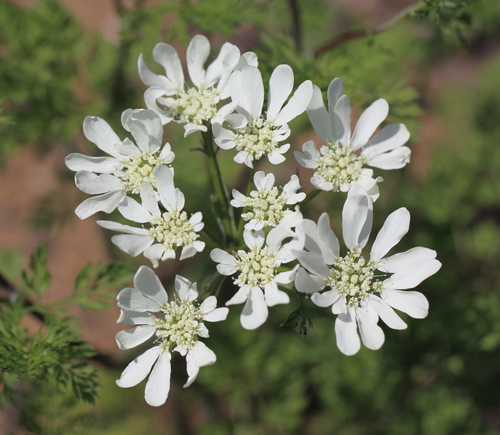
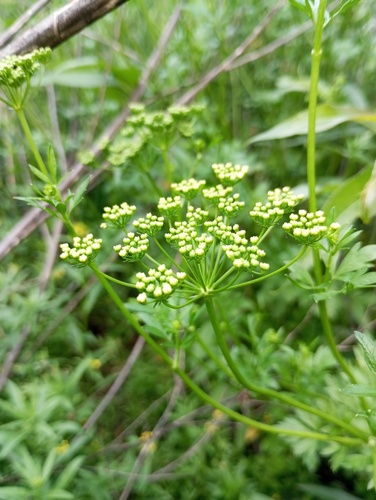
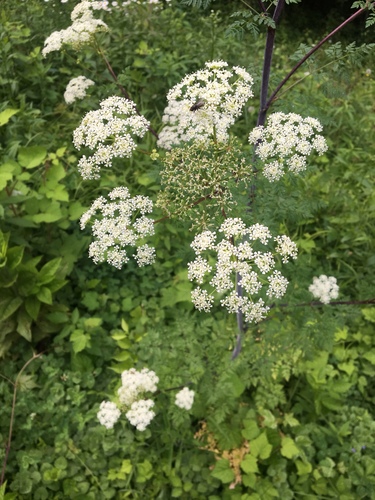
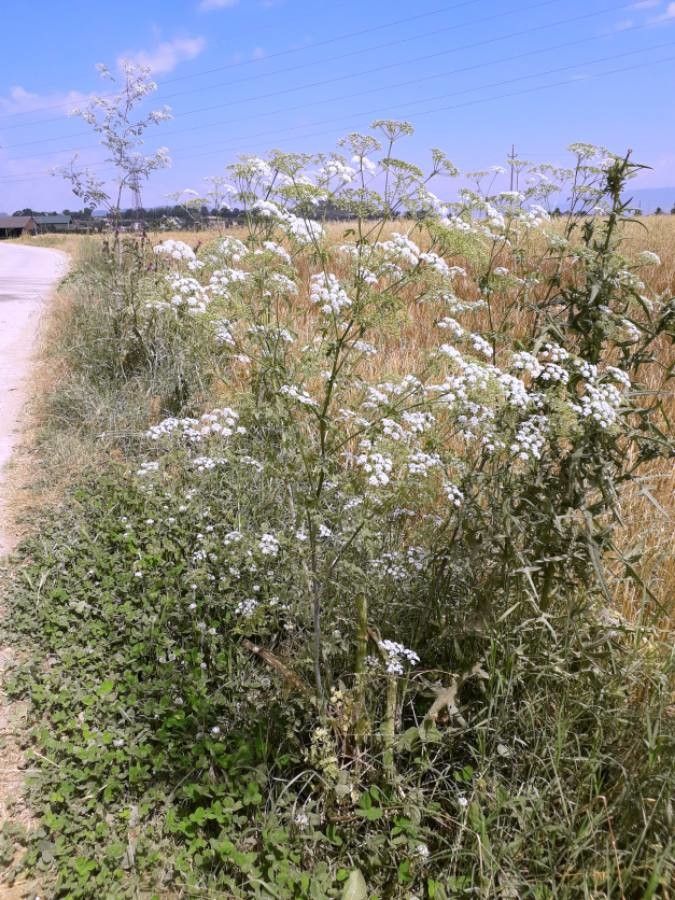
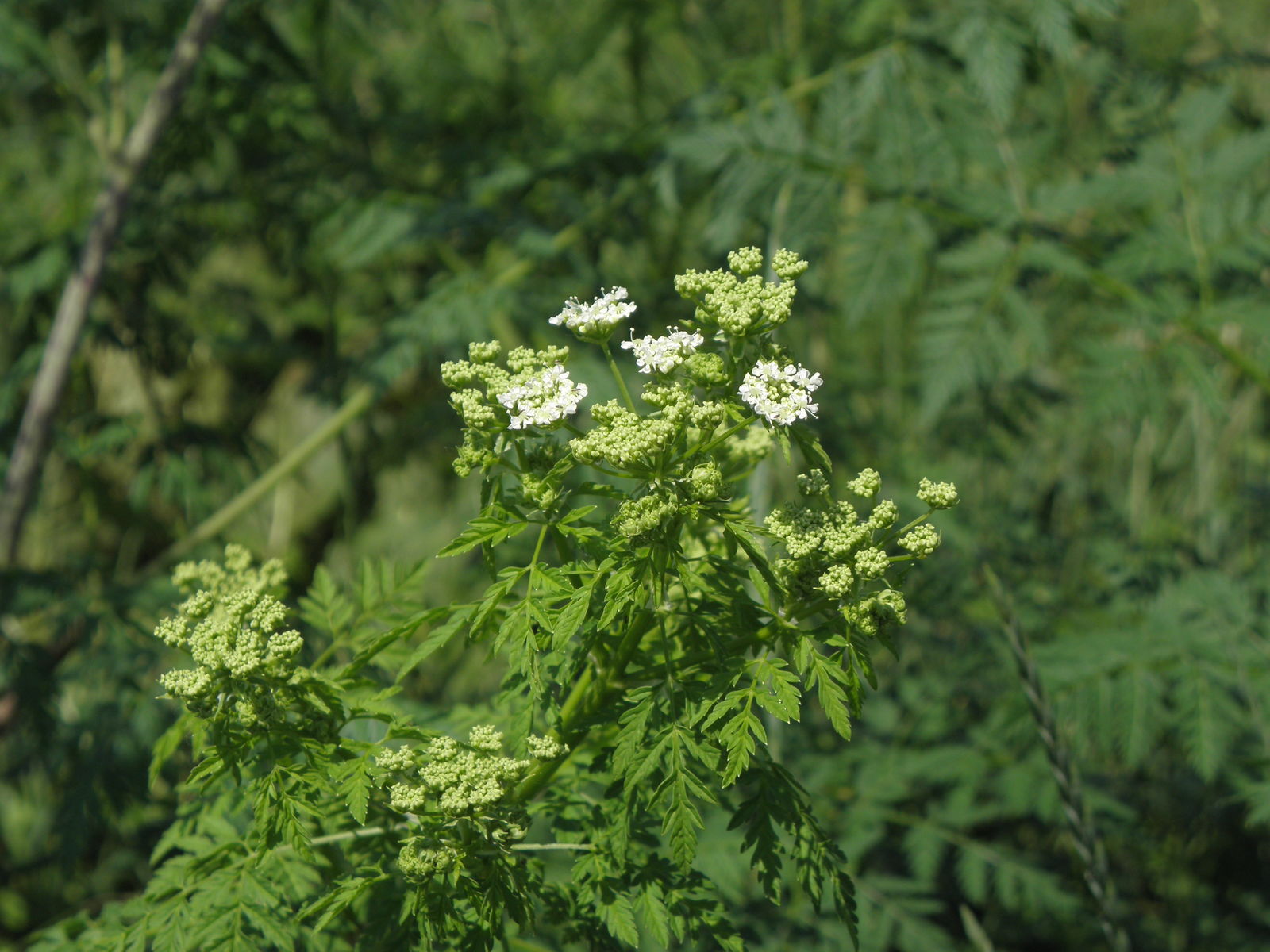
A: It has purple spots on the stem, finely divided leaves resembling parsley, and small white flowers in umbrella-shaped clusters.
Q: What are the symptoms of Poison Hemlock poisoning?
A: Symptoms include nausea, muscle paralysis, respiratory failure, and in severe cases, death.
Quick Reference


| Family: | Apiaceae |
| Care: | expert only |
| Light: | full sun to partial shade |
| Water: | every 7–10 days, allowing so |
Get Expert Care Tips
Download the Plantious app for personalized care reminders and plant identification!
Google Play App Store