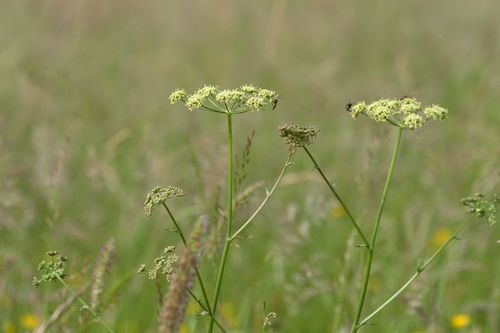
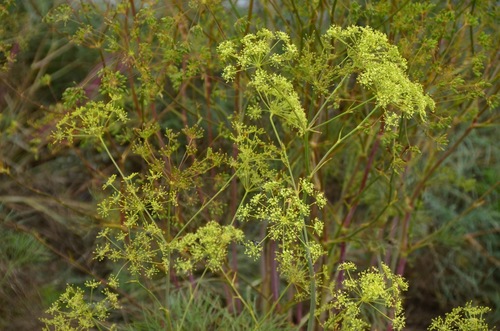
Carrot
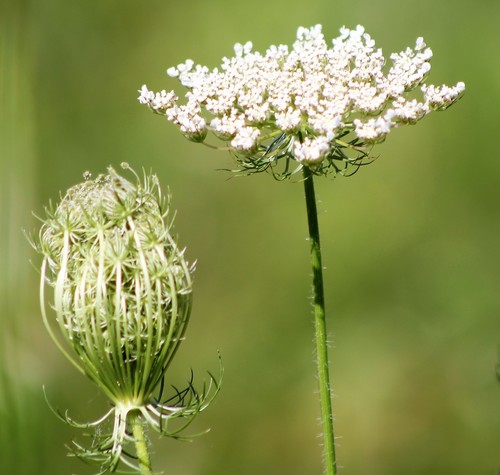
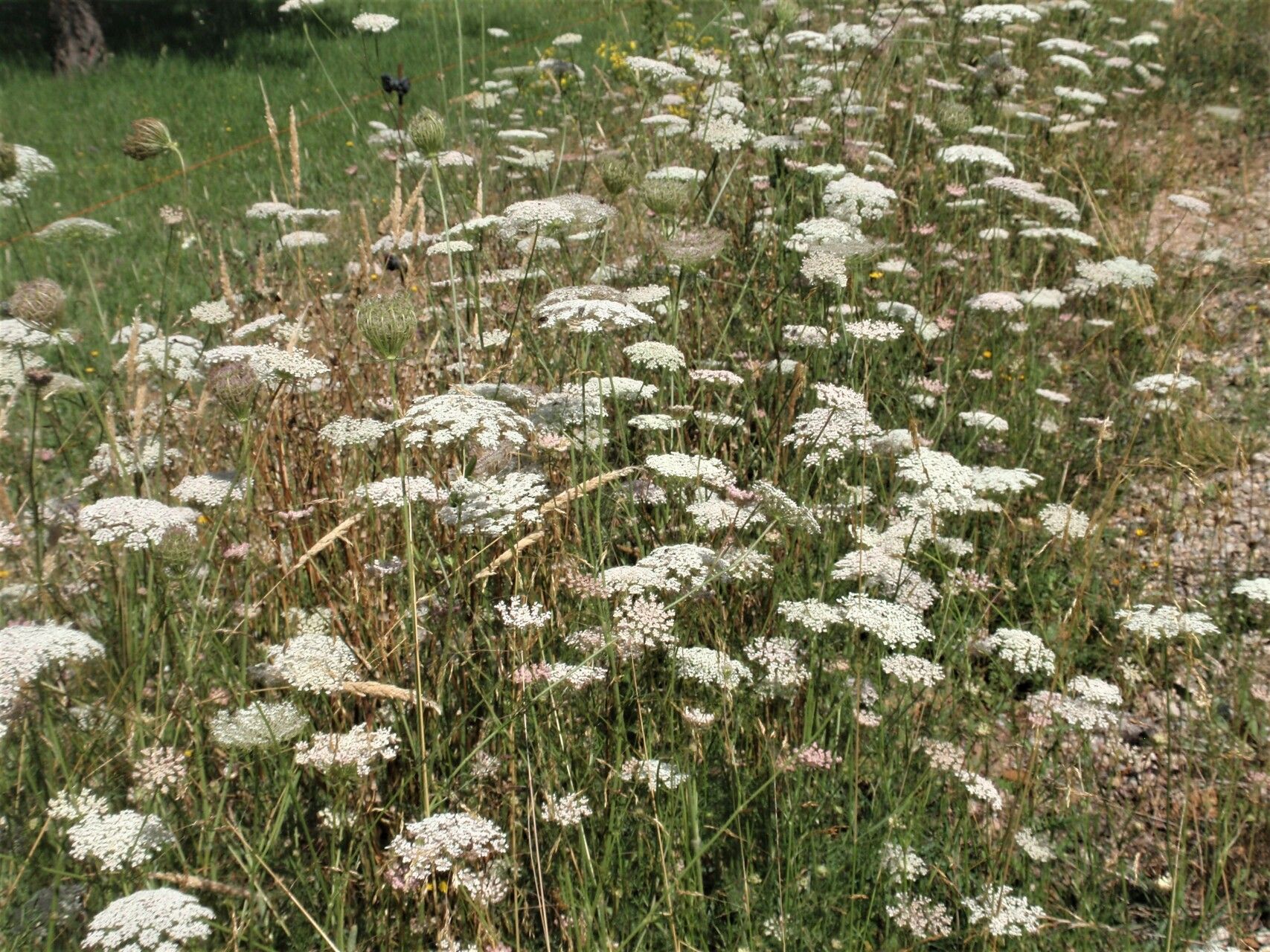
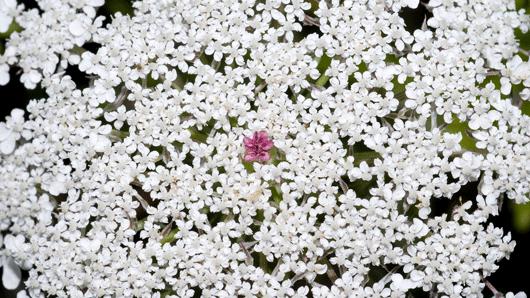
daucus carota
Also known as: ["Queen Anne's lace","wild carrot"]
Overview
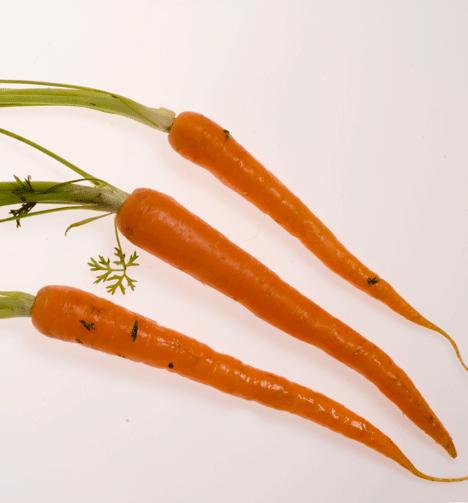
A biennial herbaceous plant cultivated for its edible taproot, native to Europe and southwestern Asia.
Benefits & Perks
["edible fruits","culinary herb","wildlife attractant (bees, butterflies, birds)"]
Botanical Classification
| Phylum: | Magnoliophyta |
| Class: | Magnoliopsida |
| Order: | Apiales |
| Family: | Apiaceae |
| Genus: | Daucus |
| Botanical Name: | Daucus carota |
Plant Characteristics
Basic Information
- Category: Vegetables
- Suitable Location: garden bed with deep, loose soil, or container with adequate depth
- Suitable For:
- Is Weed: No
- Allergenicity: low
Environmental Needs
- Climate: {"temperatureRange":"5–30°C"}
- Hardiness: {"zones":"3–11"}
- Misting: rarely required, only if grown in very dry conditions
- Drainage: Fast-draining to prevent waterlogging and root rot.
- Soil Type: Loose, sandy loam with high organic matter; avoid heavy clay soils that cause forked roots.
Maintenance Level
- Maintenance Level: moderate
- Toughness Level: moderate
- Pruning Frequency: As needed; typically after flowering or if foliage becomes overcrowded.
- Pruning Intensity: Light; remove only dead or yellowing leaves to avoid stressing the plant.
Care Details
Ideal Sunlight Coverage:
Full sun (6–8 hours/day) in spring and summer; partial shade in hot climates or intense summer months.
Sunlight Tolerance Tips:
Acclimate seedlings gradually to outdoor light; protect from harsh midday sun to prevent scorching; provide shade during extreme heat.
Care Requirements
Care Difficulty
easymoderate
Sunlight
full sun
Rotate plants for even growth; use shade cloth in intense sun; avoid direct afternoon sun in summer.
Watering
every 7–10 days, allowing soil to dry slightly between waterings
Water at the base, avoid wetting foliage, and ensure proper drainage to prevent fungal diseases.
Soil
well-drained, sandy loam with moderate fertility
pH: Slightly acidic to neutral (6.0–7.0).
Loosen soil deeply before planting; add aged compost for fertility; keep soil consistently moist but not waterlogged.
Temperature
Prefers cool to moderate temperatures (60–75°F or 15–24°C); tolerates light frost but not prolonged cold.
Protect from frost; provide shade in summer; maintain consistent soil moisture.
Fertilizing
every 4–6 weeks during active growth with a balanced liquid fertilizer
Apply fertilizer to moist soil to prevent root burn; stop fertilizing before flowering to avoid stunted root development.
Propagation
Methods
Seeds; direct sowing is preferred as carrot seedlings do not transplant well.
Step-by-Step Propagation Guide
- Prepare soil, sow seeds ¼–½ inch deep, thin seedlings to 2–3 inches apart, keep soil moist until germination.
Best Time: Early spring or late summer for cooler temperatures; avoid midsummer heat.
Environment
Full sun, consistent moisture, and loose, stone-free soil for straight root development.
Medium
Well-draining soil mix with fine sand or vermiculite; no transplanting needed if direct sown.
Hormone
Not applicable for seeds.
Timeline
Germination in 1–3 weeks; harvest in 70–80 days for baby carrots or 90–120 days for mature carrots.
Tools Needed
Garden trowel, seed spreader, water can, soil rake.
Quick Tips
Sow thickly to ensure germination; use row covers to deter pests; thin seedlings early to prevent crowding.
Pruning & Repotting
Pruning Guide
Method
Snip off dead leaves at the base with clean shears; avoid cutting into healthy growth.
Pruning Plan
Minimal pruning needed; focus on removing dead or damaged foliage to improve air circulation.
Tools
Pruning shears, gloves.
Checklist
Sanitize tools, remove dead foliage, avoid over-pruning, clean up debris.
Repotting Guide
Best Season
Early spring before active growth begins.
Pot Size
Choose a container at least 12 inches deep and 8–10 inches wide for mature carrots.
Method
Use a deep container to accommodate root growth; use loose, well-draining soil; gently tease out tangled roots.
Suggestions
Not applicable for carrots grown in-ground; container-grown carrots may need repotting if roots become crowded.
Checklist
Select appropriate container, prepare soil mix, handle roots carefully, water thoroughly after repotting.
Advanced Care Tips
Watering Mastery
Watering Checklist
Check soil moisture, water deeply, ensure drainage, avoid wetting leaves, adjust for season.
How to Apply Water Properly
Water thoroughly until it drains from the bottom, ensuring the root zone is moist but not waterlogged; water in the morning to allow foliage to dry.
Watering Schedule Tips
Water deeply once the top inch of soil is dry; reduce frequency in winter to prevent root rot.
Soil Improvement
Amend heavy soil with sand, compost, and gypsum; remove stones and debris to ensure smooth root growth.
Temperature Stress Management
Signs of Temperature Issues
Wilting, yellowing leaves, stunted growth, or bolting (premature flowering) in extreme heat or cold.
Cold Stress
Slows growth, may cause leaf discoloration, and can lead to root damage if temperatures drop below 50°F (10°C).
Solution: Use row covers or cloches for protection; plant in a sheltered location; avoid overwatering in cold conditions.
Hot Stress
Leaves may wilt, turn yellow, or develop brown edges; may bolt prematurely if temperatures exceed 80°F (27°C).
Solution: Provide shade during peak heat, increase watering, mulch to retain soil moisture, and plant in well-draining soil.
Fertilizing Guide
Fertilizing Checklist
Use balanced fertilizer, dilute properly, apply during growing season, avoid over-fertilization.
Fertilizing Method
Use a balanced, water-soluble fertilizer diluted to half strength every 4–6 weeks during active growth; avoid fertilizing in winter.
Common Problems & Solutions
Toxicity Warning
Cats
Non-toxicDaucus carota is generally non-toxic to cats. The seeds and leaves may cause mild gastrointestinal upset if ingested in large quantities, but the plant is not considered harmful. The taproot is safe for cats to consume in moderation.
⚠️ Symptoms:
🌿 Toxic Parts:
⚡ Toxic If:
if eaten
Dogs
Non-toxicDaucus carota is generally non-toxic to dogs. The seeds and leaves may cause mild gastrointestinal upset if ingested in large amounts, but the plant is not considered harmful. The taproot is safe for dogs to consume in moderation.
⚠️ Symptoms:
🌿 Toxic Parts:
⚡ Toxic If:
if eaten
Humans
Non-toxicDaucus carota, commonly known as wild carrot or Queen Anne's lace, is generally non-toxic to humans. However, the seeds and leaves can cause mild gastrointestinal discomfort if consumed in large quantities due to their high fiber content and essential oils. The plant is widely cultivated for its edible taproot, which is nutritious and safe for consumption.
⚠️ Symptoms:
🌿 Toxic Parts:
⚡ Toxic If:
if eaten in large quantities
Frequently Asked Questions
Q: Are carrots easy to grow?
A: Yes, carrots are relatively easy to grow, especially for beginners, provided they are planted in loose, well-drained soil.
Q: Can I eat the leaves of a carrot plant?
A: While the leaves are edible, they can be slightly bitter and are not commonly consumed.
Q: Do carrots attract wildlife?
A: Yes, carrots can attract beneficial wildlife such as bees and butterflies, which help with pollination.
Quick Reference

| Family: | Apiaceae |
| Care: | easy |
| Light: | full sun |
| Water: | every 7–10 days, allowing so |
Get Expert Care Tips
Download the Plantious app for personalized care reminders and plant identification!
Google Play App Store