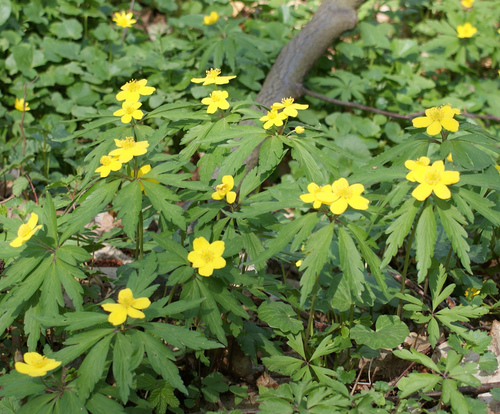
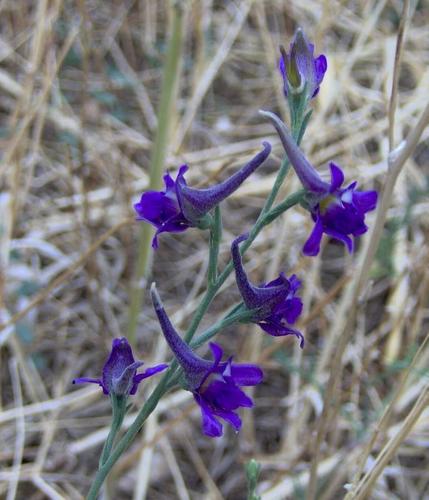
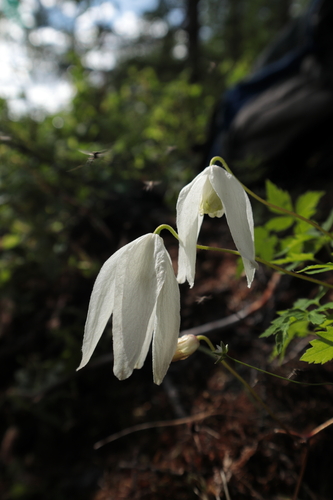
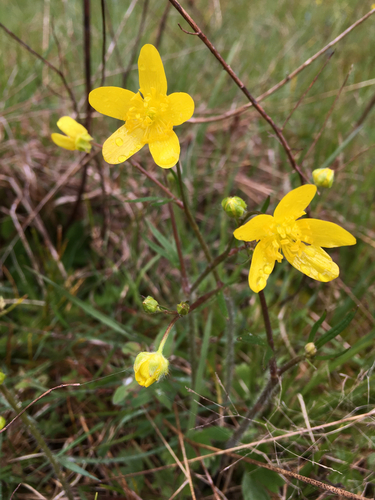
River Buttercup
ranunculus fluitans
Also known as: ["Floating Buttercup","Stream Buttercup"]
Overview
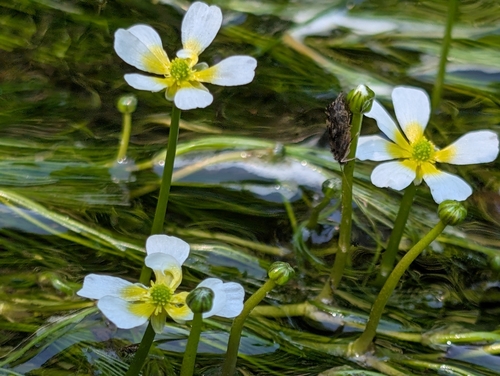
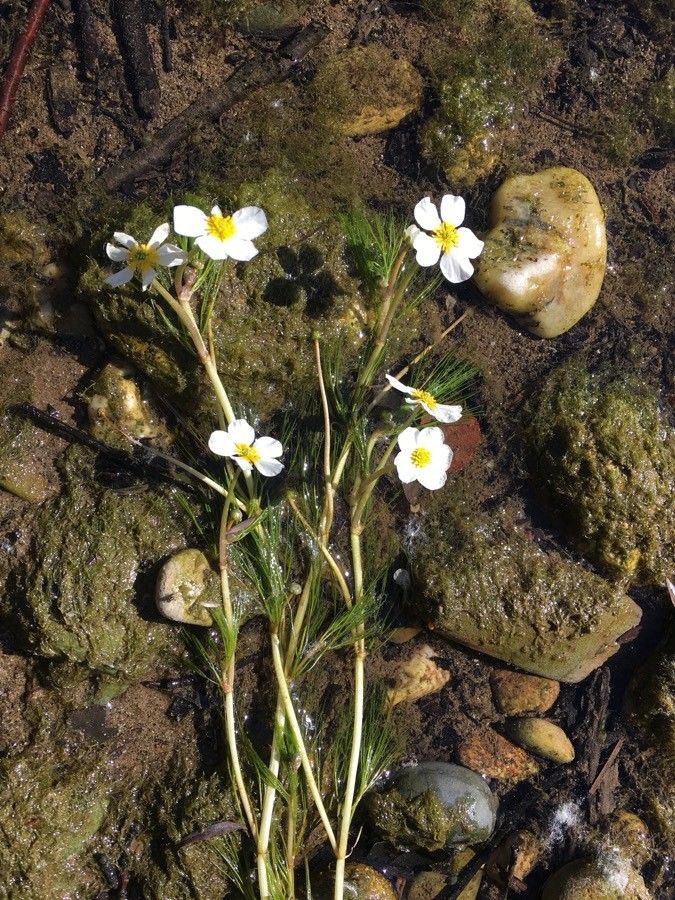
A submerged aquatic plant with delicate yellow flowers, native to freshwater streams and rivers in Europe.
Benefits & Perks
["wildlife attractant (bees, butterflies, birds)","shade tolerant"]
Botanical Classification
| Phylum: | Magnoliophyta |
| Class: | Magnoliopsida |
| Order: | Ranunculales |
| Family: | Ranunculaceae |
| Genus: | Ranunculus |
| Botanical Name: | Ranunculus fluitans |
Plant Characteristics
Basic Information
- Category: Flowers
- Suitable Location: submerged in flowing freshwater streams
- Suitable For:
- Is Weed: No
- Allergenicity: low
Environmental Needs
- Climate: {"temperatureRange":"5–25°C"}
- Hardiness: {"zones":"5–9"}
- Misting: rarely required
- Drainage: Fast-draining.
- Soil Type: Nutrient-rich, sandy substrate with organic matter.
Maintenance Level
- Maintenance Level: moderate
- Toughness Level: moderate
- Pruning Frequency: As needed; annually or biannually.
- Pruning Intensity: Light.
Care Details
Ideal Sunlight Coverage:
Full sun in flowing water; adjust for seasonal light intensity.
Sunlight Tolerance Tips:
Acclimate to sunlight gradually; avoid direct scorch in shallow water; adjust placement for depth.
Care Requirements
Care Difficulty
moderatemoderate
Sunlight
partial shade
Full sun exposure; adjust depth for light intensity; monitor for scorch.
Watering
daily in extreme heat
Ensure water is moving; avoid stagnant conditions; monitor flow rate.
Soil
silty, nutrient-rich substrate
pH: Slightly acidic to neutral (6.0–7.0).
Use sandy substrate; add compost; ensure water flow.
Temperature
Cool to moderate temperatures; 10–20°C (50–68°F) preferred.
Monitor water temperature; avoid extreme fluctuations; ensure flow.
Fertilizing
every 2–3 months
Use liquid fertilizer sparingly; avoid over-fertilization; apply during active growth.
Propagation
Methods
Vegetative propagation via rhizome division.
Step-by-Step Propagation Guide
- Divide rhizome.
- Plant in flowing water.
- Ensure water movement.
Best Time: Spring or early summer when water temperatures rise.
Environment
Warm, flowing water with moderate sunlight.
Medium
Flowing water with nutrient-rich substrate.
Hormone
Not required.
Timeline
2–4 weeks for rhizome establishment.
Tools Needed
Sharp knife, gloves, nutrient-rich substrate.
Quick Tips
Divide rhizome carefully; ensure water flow; monitor for establishment.
Pruning & Repotting
Pruning Guide
Method
Trim dead foliage; maintain natural growth habit.
Pruning Plan
Minimal pruning; remove dead or damaged foliage to maintain water flow.
Tools
Sharp scissors, gloves.
Checklist
Check for dead foliage; trim carefully; maintain water flow.
Repotting Guide
Best Season
Spring or early summer.
Pot Size
No pot needed; ensure substrate depth of 5–10 cm.
Method
Gently replant rhizome in nutrient-rich substrate; ensure water flow.
Suggestions
Not typically required; ensure substrate is nutrient-rich.
Checklist
Check substrate; replant rhizome; ensure water movement.
Advanced Care Tips
Watering Mastery
Watering Checklist
Check flow rate; ensure water movement; avoid stagnation.
How to Apply Water Properly
Water should be in a flowing stream; ensure roots are submerged but not waterlogged; maintain oxygenation.
Watering Schedule Tips
Water consistently to maintain flowing conditions; adjust based on flow rate and season.
Soil Improvement
Add organic matter; ensure sandy texture for aeration.
Temperature Stress Management
Signs of Temperature Issues
Yellowing leaves; stunted growth; reduced flowering.
Cold Stress
Slows metabolic processes; may cause dormancy or dieback.
Solution: Ensure water movement; provide partial shade in extreme cold; avoid freezing conditions.
Hot Stress
Causes leaf burn; wilting; reduced photosynthesis.
Solution: Increase water flow; provide shade; maintain cooler water temperatures.
Fertilizing Guide
Fertilizing Checklist
Check water flow; dilute fertilizer; apply during growth phase.
Fertilizing Method
Not typically required in nutrient-rich flowing water; use liquid fertilizer if needed, diluted to 1/4 strength.
Common Problems & Solutions
Toxicity Warning
Cats
ToxicCats are highly sensitive to the toxic compounds in Ranunculus fluitans. Ingestion can lead to severe gastrointestinal upset and irritation. The plant's toxins can cause significant discomfort and may necessitate prompt medical attention.
⚠️ Symptoms:
🌿 Toxic Parts:
⚡ Toxic If:
if eaten
Dogs
ToxicThe toxic principles in Ranunculus fluitans can cause severe gastrointestinal distress in dogs. Protoanemonin is particularly irritating to the digestive system, leading to inflammation and discomfort. The effects can be rapid and may require veterinary intervention.
⚠️ Symptoms:
🌿 Toxic Parts:
⚡ Toxic If:
if eaten
Humans
ToxicRanunculus fluitans, like many members of the Ranunculaceae family, contains toxic compounds such as protoanemonin and ranunculin. Upon ingestion, these compounds can cause significant irritation to the gastrointestinal tract and other mucous membranes, leading to acute toxicity. The physiological impact includes inflammation and potential damage to internal tissues.
⚠️ Symptoms:
🌿 Toxic Parts:
⚡ Toxic If:
if eaten
Frequently Asked Questions
Q: Is Ranunculus fluitans suitable for aquariums?
A: Yes, it can be grown in aquariums or ponds with flowing water.
Q: Does River Buttercup require full sun?
A: It prefers partial shade, especially in flowing water environments.
Q: Is it toxic to pets?
A: Mildly toxic if ingested, so caution is advised with pets.
Quick Reference

| Family: | Ranunculaceae |
| Care: | moderate |
| Light: | partial shade |
| Water: | daily in extreme heat |
Get Expert Care Tips
Download the Plantious app for personalized care reminders and plant identification!
Google Play App Store