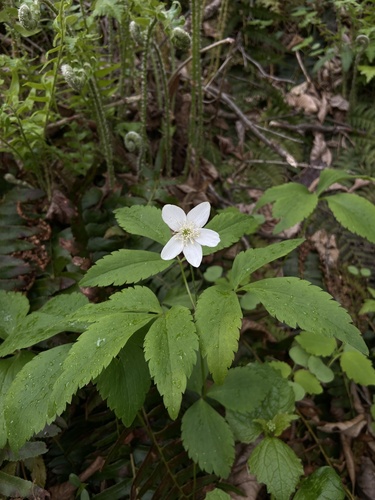
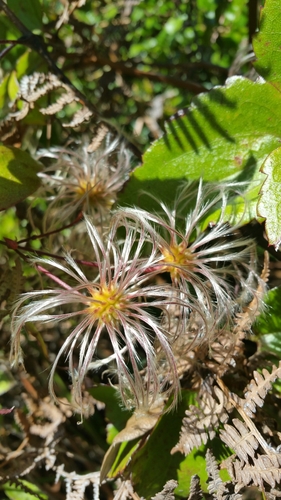
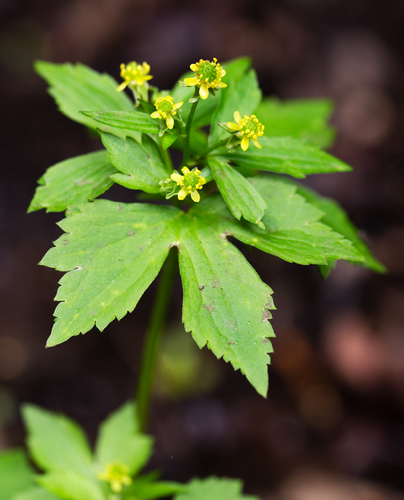
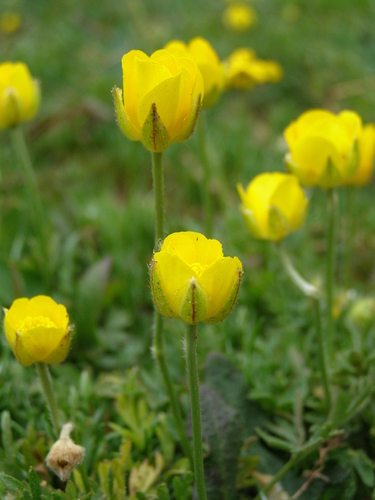
Love-in-a-Mist
nigella damascena
Also known as: ["Devil-in-a-Bush","Crowfoot"]
Overview
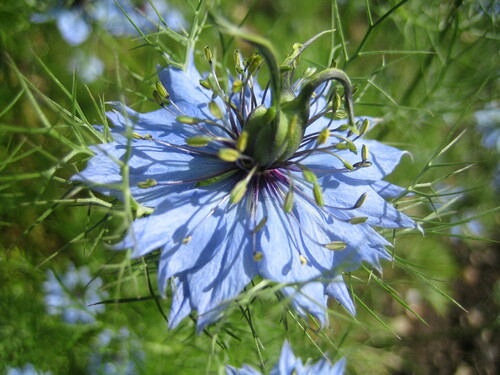
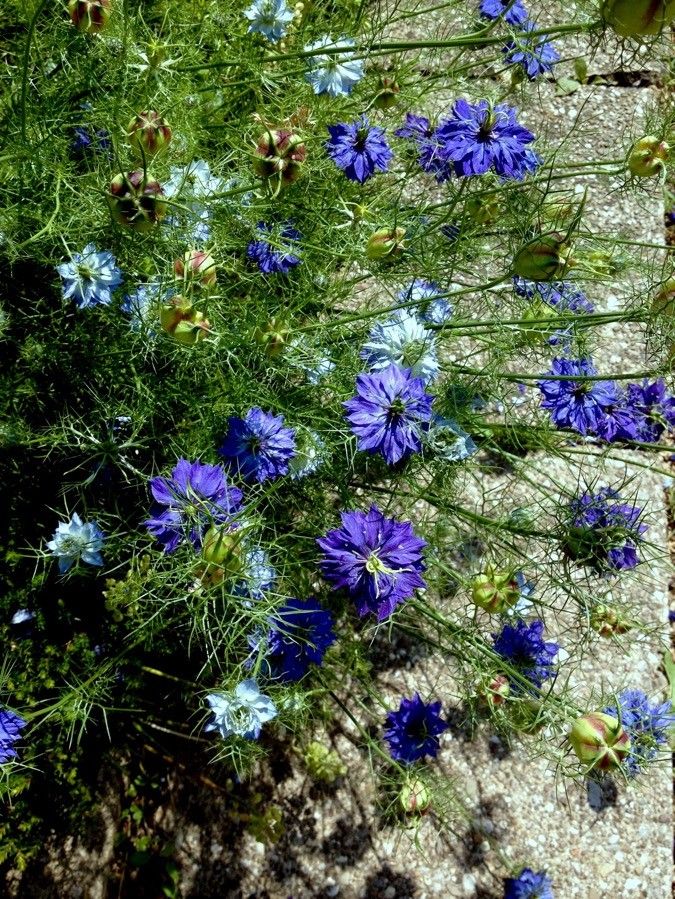
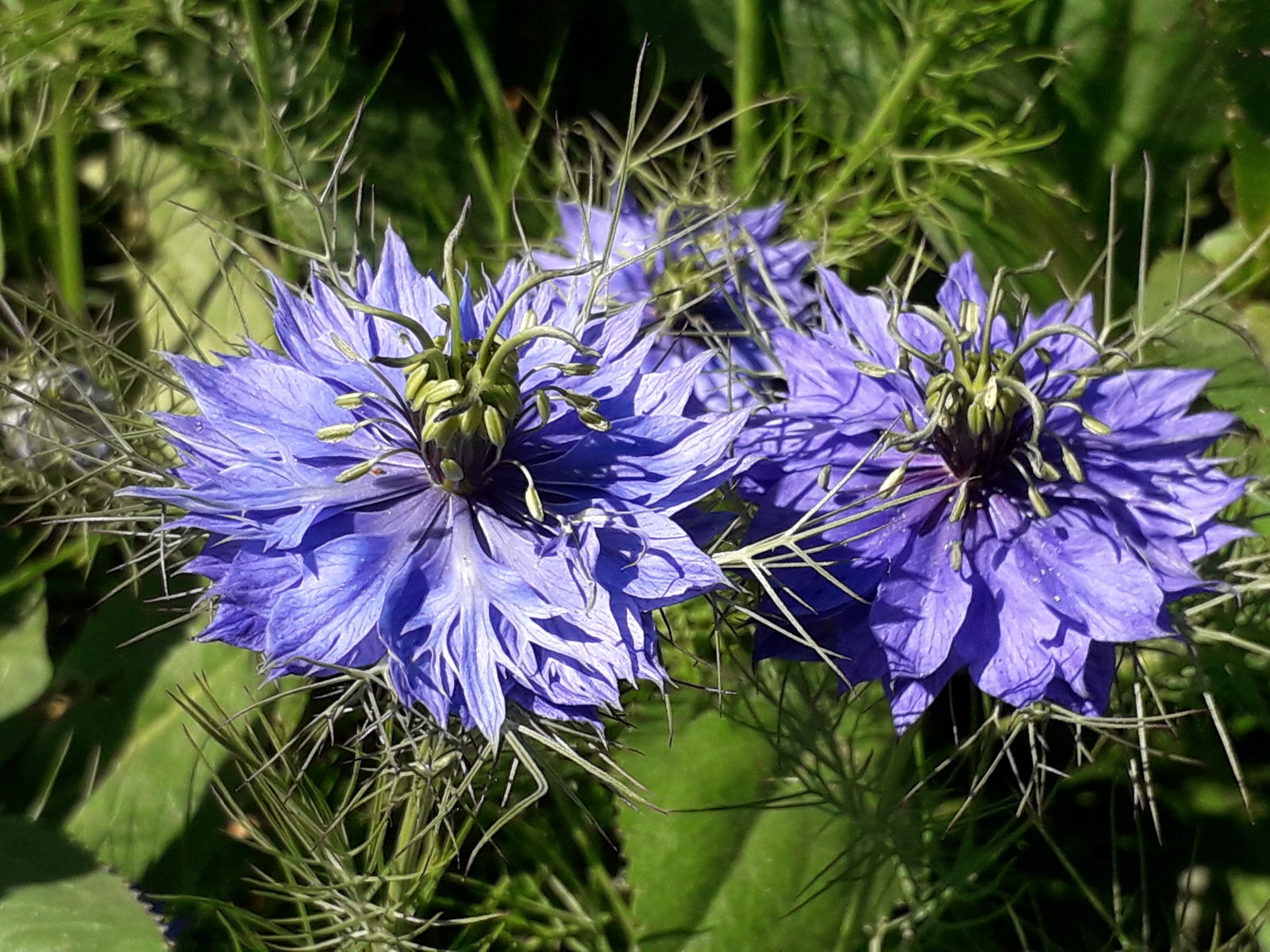
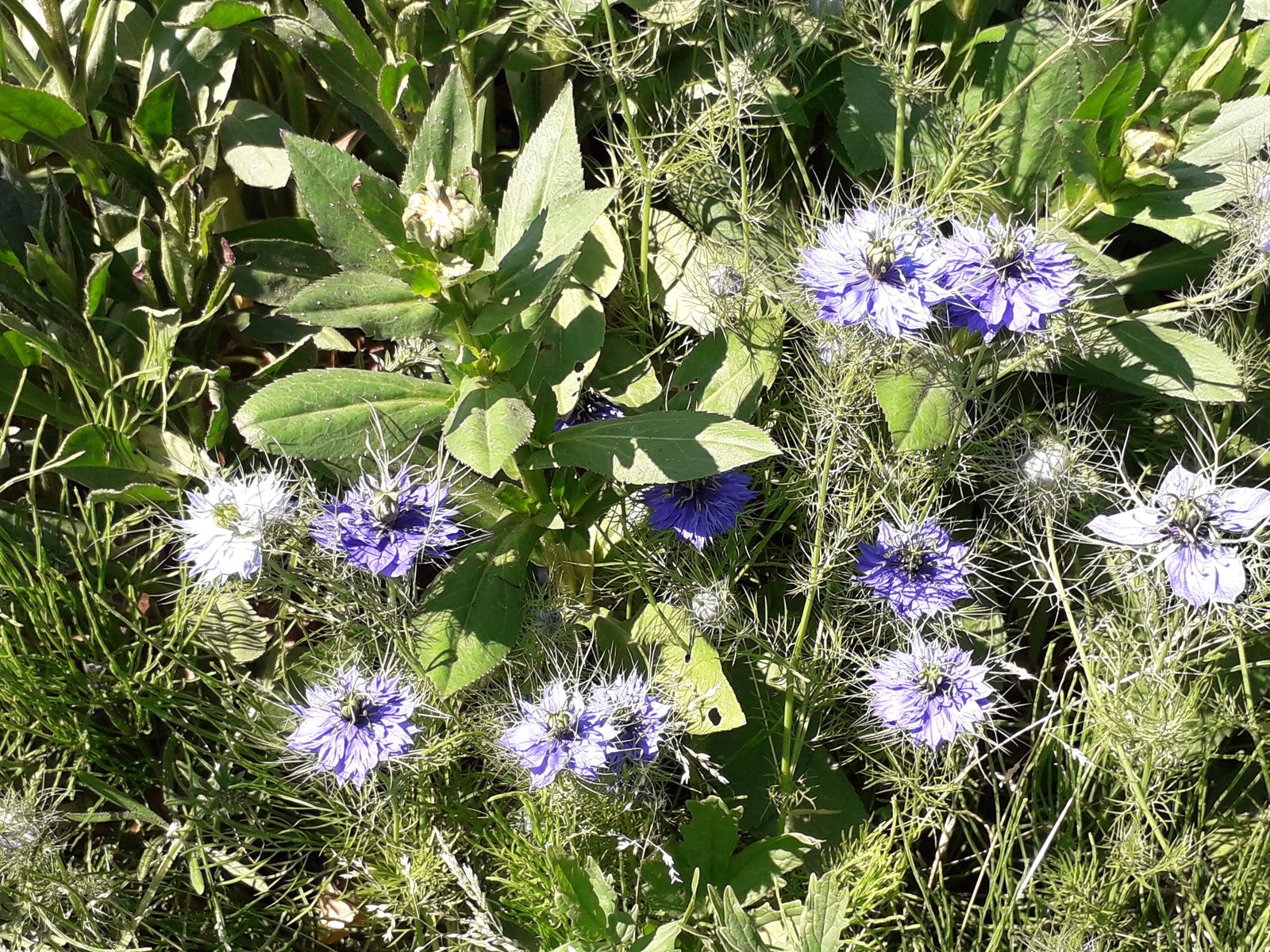
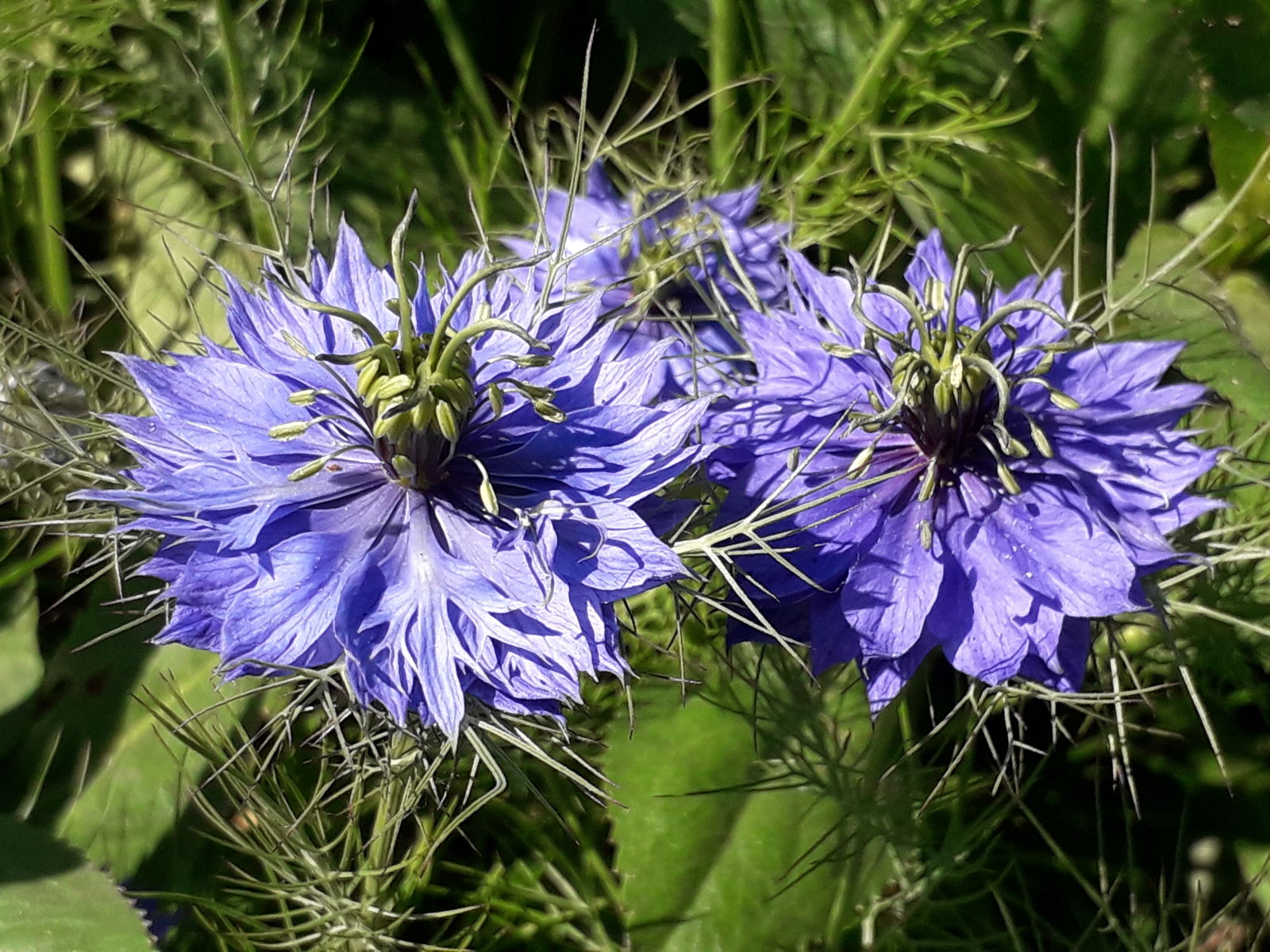
An annual flowering plant with delicate, fern-like foliage and unique, papery flowers surrounded by a ring of bracts.
Benefits & Perks
["long-flowering","deer resistant","wildlife attractant (bees, butterflies, birds)","low maintenance","aesthetic foliage"]
Botanical Classification
| Phylum: | Magnoliophyta |
| Class: | Magnoliopsida |
| Order: | Ranunculales |
| Family: | Ranunculaceae |
| Genus: | Nigella |
| Botanical Name: | Nigella damascena |
Plant Characteristics
Basic Information
- Category: Flowers
- Suitable Location: garden bed or container in a sunny spot
- Suitable For:
- Is Weed: No
- Allergenicity: low
Environmental Needs
- Climate: {"temperatureRange":"5–30°C"}
- Hardiness: {"zones":"4–8"}
- Misting: rarely required
- Drainage: Fast-draining to prevent root rot.
- Soil Type: Light, sandy, well-draining soil with some organic matter.
Maintenance Level
- Maintenance Level: low
- Toughness Level: moderate
- Pruning Frequency: As needed throughout the growing season, especially after flowering.
- Pruning Intensity: Light pruning only.
Care Details
Ideal Sunlight Coverage:
Full sun (6–8 hours/day) with well-drained soil. Adjust for extreme heat by providing partial afternoon shade.
Sunlight Tolerance Tips:
Acclimate plants gradually to full sun if moved from shade. Protect from intense midday sun in hot climates. Ensure good air circulation to prevent fungal issues.
Care Requirements
Care Difficulty
easyeasy
Sunlight
full sun to partial shade
Rotate pots for even growth; use sheer curtains to filter harsh light; avoid direct sun on leaves during peak hours.
Watering
every 7–10 days during active growth, reduce in winter
Water deeply but infrequently; avoid waterlogged soil; prioritize soil dryness over strict schedules.
Soil
well-draining, sandy loam with moderate fertility
pH: Slightly alkaline to neutral (pH 6.5–7.5).
Avoid heavy clay soils; ensure good aeration; use raised beds if drainage is poor.
Temperature
Prefers cool to moderate temperatures (60–75°F or 15–24°C). Tolerates mild frosts but may struggle in extreme heat.
Avoid sudden temperature shifts; protect from frost; ensure good air circulation in heat.
Fertilizing
every 4–6 weeks during spring and summer
Apply fertilizer to moist soil to prevent root burn; stop feeding during dormancy; use organic options like compost tea.
Propagation
Methods
Seed propagation is the most common and reliable method.
Step-by-Step Propagation Guide
- Sow seeds shallowly.
- Keep moist.
- Thin seedlings when true leaves appear.
- Transplant after hardening off.
Best Time: Spring, as soon as the last frost has passed.
Environment
Warm (65–70°F or 18–21°C), bright indirect light, and consistent moisture.
Medium
Well-draining seed starting mix or sandy loam.
Hormone
Not required for seeds.
Timeline
Germination in 10–21 days; plants reach flowering size in 2–3 months.
Tools Needed
Seed trays, sterile soil, watering can, labels.
Quick Tips
Sow seeds directly in garden for best results; keep soil consistently moist but not waterlogged.
Pruning & Repotting
Pruning Guide
Method
Deadheading spent flowers by pinching or cutting just above a leaf node.
Pruning Plan
Minimal pruning needed. Focus on removing spent flowers to encourage reblooming and tidying leggy growth.
Tools
Hand pruners or fingers for deadheading.
Checklist
Check for dead or spent flowers; prune selectively; avoid cutting healthy stems.
Repotting Guide
Best Season
Spring, at the start of the growing season.
Pot Size
One size up from current pot (e.g., +2 inches in diameter).
Method
Gently remove the plant, trim roots if necessary, place in a slightly larger pot with fresh, well-draining soil, and water lightly.
Suggestions
Generally not required as Nigella damascena is an annual. If grown in pots, repot annually in spring with fresh soil.
Checklist
Check root health; use fresh soil; ensure good drainage; water after repotting.
Advanced Care Tips
Watering Mastery
Watering Checklist
Check soil moisture before watering; water deeply; ensure drainage; avoid overhead watering.
How to Apply Water Properly
Water at the base of the plant, ensuring moisture reaches the root zone without wetting foliage. Water early in the day to minimize evaporation and fungal risk.
Watering Schedule Tips
Water lightly and infrequently, allowing soil to dry between waterings. Reduce watering in winter or during dormancy.
Soil Improvement
Add sand or perlite for drainage; incorporate compost for fertility; ensure soil is loose and airy.
Temperature Stress Management
Signs of Temperature Issues
Wilting, yellowing leaves, stunted growth, or flower bud drop in extreme heat or cold.
Cold Stress
Slows growth and may cause leaf damage or dieback in prolonged freezing temperatures.
Solution: Mulch around the base for insulation; move potted plants to sheltered locations; avoid overwatering in cold.
Hot Stress
Leaves may scorch, wilt, or drop; flowering may be reduced in excessive heat.
Solution: Provide afternoon shade; increase watering frequency; use mulch to retain soil moisture.
Fertilizing Guide
Fertilizing Checklist
Check soil moisture; dilute fertilizer correctly; apply to base; avoid foliage contact.
Fertilizing Method
Use a balanced, water-soluble fertilizer diluted to half strength every 4–6 weeks during active growth (spring/summer). Avoid fertilizing in fall/winter.
Common Problems & Solutions
Toxicity Warning
Cats
Non-toxicNigella damascena is not considered toxic to cats. There are no known adverse effects from ingestion or contact with this plant.
⚡ Toxic If:
Generally non-toxic
Dogs
Non-toxicNigella damascena is not considered toxic to dogs. There are no known adverse effects from ingestion or contact with this plant.
⚡ Toxic If:
Generally non-toxic
Humans
Non-toxicNigella damascena is not considered toxic to humans under normal circumstances. It is commonly used in gardens and does not pose significant health risks.
⚡ Toxic If:
Generally non-toxic
Frequently Asked Questions
Q: How tall does Nigella damascena grow?
A: It typically reaches 15–24 inches (38–61 cm) in height.
Q: Does Nigella damascena attract pollinators?
A: Yes, it is highly attractive to bees, butterflies, and other pollinators.
Q: Is Nigella damascena suitable for cutting?
A: Yes, its flowers and seed pods are often used in dried and fresh floral arrangements.
Quick Reference
| Family: | Ranunculaceae |
| Care: | easy |
| Light: | full sun to partial shade |
| Water: | every 7–10 days during activ |
Get Expert Care Tips
Download the Plantious app for personalized care reminders and plant identification!
Google Play App Store