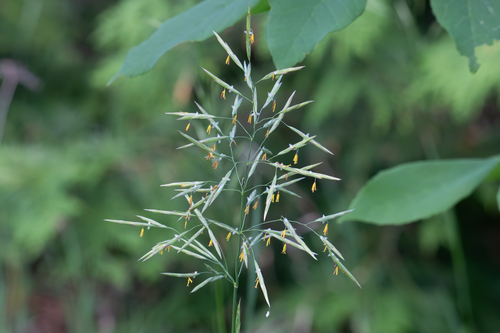
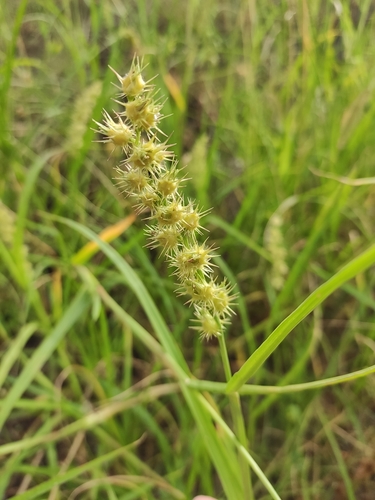
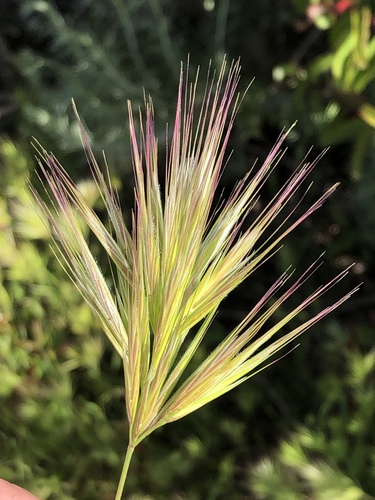
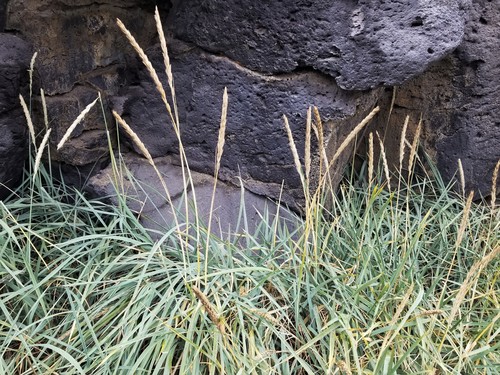
Junglerice
echinochloa colona
Also known as: ["African millet","Indian barnyard millet"]
Overview
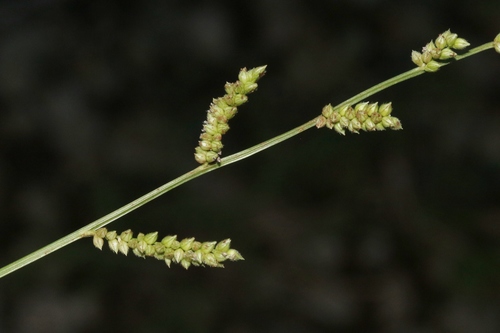
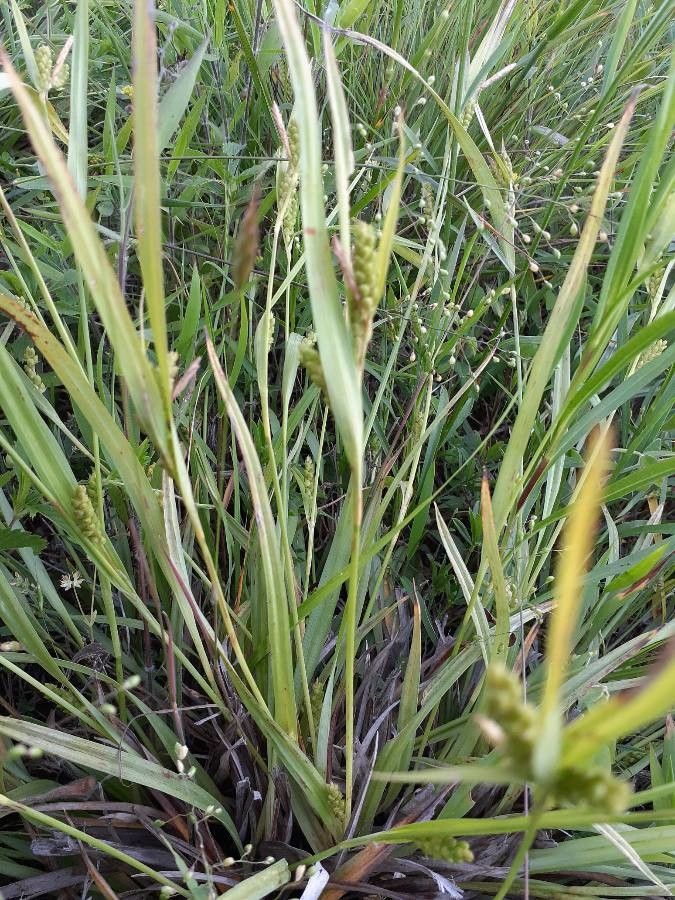
A fast-growing annual grass often considered a weed in agricultural settings, but also cultivated as a grain crop in some regions.
Benefits & Perks
["fast growing","drought tolerant","wildlife attractant (bees, butterflies, birds)"]
Botanical Classification
| Phylum: | Magnoliophyta |
| Class: | Liliopsida |
| Order: | Poales |
| Family: | Poaceae |
| Genus: | Echinochloa |
| Botanical Name: | Echinochloa colona |
Plant Characteristics
Basic Information
- Category: Grasses
- Suitable Location: outdoor garden bed or container in a warm, sunny area
- Suitable For:
- Is Weed: No
- Allergenicity: low
Environmental Needs
- Climate: {"temperatureRange":"15–40°C"}
- Hardiness: {"zones":"8–11"}
- Misting: rarely required
- Drainage: Fast-draining to prevent waterlogging.
- Soil Type: Well-draining loamy or sandy soil; tolerates poor soils but thrives with organic matter.
Maintenance Level
- Maintenance Level: very low
- Toughness Level: very high
- Pruning Frequency: As needed; typically once or twice a season for maintenance.
- Pruning Intensity: Light to moderate; focus on removing dead material and improving spacing.
Care Details
Ideal Sunlight Coverage:
Full sun (6–8 hours of direct sunlight daily); tolerates partial shade but may produce fewer seeds.
Sunlight Tolerance Tips:
Acclimate plants gradually if moving from shade to full sun; protect from intense midday sun in hot climates; ensure adequate airflow to prevent fungal growth in humid conditions.
Care Requirements
Care Difficulty
very easyeasy
Sunlight
full sun to partial shade
Rotate plants for even sun exposure; use shade cloth in extreme heat; avoid placing in drafty areas.
Watering
every 7–10 days, or when soil surface is dry
Water thoroughly until it drains from the bottom; allow soil to dry between waterings; avoid overhead watering to prevent fungal issues.
Soil
well-draining, loamy soil
pH: Slightly acidic to neutral (pH 6.0–7.0).
Ensure soil is loose and crumbly; avoid compacted soil; test pH if issues arise.
Temperature
Warm temperatures (20–30°C or 68–86°F); thrives in tropical and subtropical climates; sensitive to frost.
Monitor soil temperature for seed germination; avoid sudden temperature fluctuations; protect from frost if grown in marginal climates.
Fertilizing
every 4–6 weeks during active growth
Apply fertilizer before watering to prevent burning roots; avoid over-fertilizing, which can lead to weak growth; use organic options like compost for slow release.
Propagation
Methods
Seed propagation is most common; can also be propagated by root or stem cuttings in some cases.
Step-by-Step Propagation Guide
- Prepare medium.
- Sow seeds or take cuttings.
- Maintain moisture and warmth.
- Transplant once rooted or germinated.
Best Time: Spring or early summer when temperatures are warm and growth is active.
Environment
Warm, humid conditions with indirect light for cuttings; full sun for seedlings once established.
Medium
Well-draining soil mix or seed-starting medium; can also root in water for cuttings.
Hormone
Not typically required for seeds; rooting hormone may help for cuttings.
Timeline
Seeds germinate in 7–14 days under optimal conditions; cuttings root in 2–4 weeks.
Tools Needed
Seed trays, pots, watering can, labels, rooting hormone (optional).
Quick Tips
Keep soil consistently moist but not waterlogged; thin seedlings to prevent overcrowding; harden off seedlings before outdoor planting.
Pruning & Repotting
Pruning Guide
Method
Hand-pull or cut back unwanted growth; shear back to encourage bushier growth if desired.
Pruning Plan
Minimal pruning needed; remove dead or damaged foliage as needed; thin dense stands to improve airflow.
Tools
Hand pruners, garden shears, gloves.
Checklist
Wear gloves; sterilize tools; remove dead/damaged growth; improve spacing; dispose of clippings properly.
Repotting Guide
Best Season
Spring, before the active growing season begins.
Pot Size
One size larger pot (e.g., +2–3 cm in diameter); ensure good drainage.
Method
Gently remove plant; trim roots if necessary; place in a slightly larger pot with fresh soil; water thoroughly after repotting.
Suggestions
Not typically required for field-grown plants; container-grown plants may need repotting every 1–2 years if root-bound.
Checklist
Choose appropriate pot size; prepare fresh soil mix; handle roots carefully; water after repotting; place in appropriate light.
Advanced Care Tips
Watering Mastery
Watering Checklist
Check soil moisture before watering; water deeply; ensure proper drainage; adjust frequency based on season.
How to Apply Water Properly
Water directly at the base of the plant, ensuring moisture reaches the root zone; water early in the morning to minimize evaporation and fungal growth; ensure excess water drains away to prevent waterlogging.
Watering Schedule Tips
Water deeply once the top inch of soil feels dry; reduce frequency in winter to prevent root rot.
Soil Improvement
Add compost or well-rotted manure to enhance fertility; incorporate sand or perlite for drainage; mulch to retain moisture and suppress weeds.
Temperature Stress Management
Signs of Temperature Issues
Chlorosis or wilting in extreme heat; stunted growth or browning in cold stress; reduced seed production in suboptimal temperatures.
Cold Stress
Growth slows or halts below 10°C (50°F); prolonged exposure can cause tissue damage or death; seeds may fail to germinate in cold soil.
Solution: Provide frost protection in cooler climates; use row covers or mulch to insulate soil; avoid planting in late fall or early spring in cold regions.
Hot Stress
Wilting, leaf scorch, or reduced vigor in temperatures above 35°C (95°F); may bolt prematurely if stressed.
Solution: Provide partial shade during peak heat; water deeply and mulch to retain soil moisture; ensure good airflow to reduce heat buildup.
Fertilizing Guide
Fertilizing Checklist
Use balanced fertilizer; apply at planting; side-dress during growth; reduce in winter.
Fertilizing Method
Use a balanced, slow-release fertilizer at planting; side-dress with nitrogen-rich fertilizer during active growth; reduce or stop fertilizing in winter.
Common Problems & Solutions
Toxicity Warning
Cats
Non-toxicEchinochloa colona is not known to be toxic to cats. It is not typically associated with adverse effects when ingested by felines.
⚡ Toxic If:
Generally non-toxic
Dogs
Non-toxicEchinochloa colona is not known to be toxic to dogs. It is not typically associated with adverse effects when ingested by canines.
⚡ Toxic If:
Generally non-toxic
Humans
Non-toxicEchinochloa colona, commonly known as jungle rice, is generally considered non-toxic to humans. It is often used as a food source in various parts of the world.
⚡ Toxic If:
Generally non-toxic
Frequently Asked Questions
Q: Is Junglerice edible?
A: Yes, the grains are edible and can be cooked like other millets.
Q: Is Junglerice invasive?
A: Yes, it can be invasive in agricultural fields and is often controlled as a weed.
Q: Does Junglerice require much care?
A: No, it is very low maintenance and grows well in poor soils with minimal water.
Quick Reference
| Family: | Poaceae |
| Care: | very easy |
| Light: | full sun to partial shade |
| Water: | every 7–10 days, or when soi |
Get Expert Care Tips
Download the Plantious app for personalized care reminders and plant identification!
Google Play App Store