Air Plant
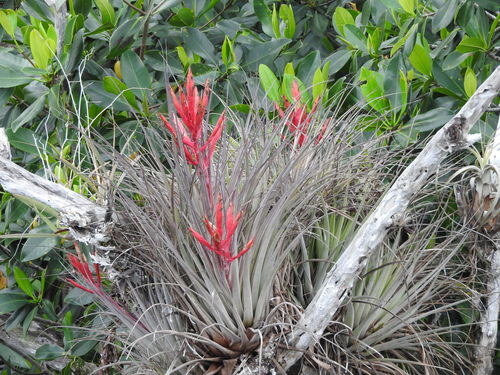
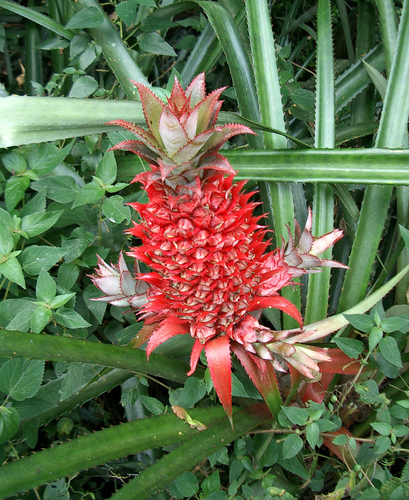
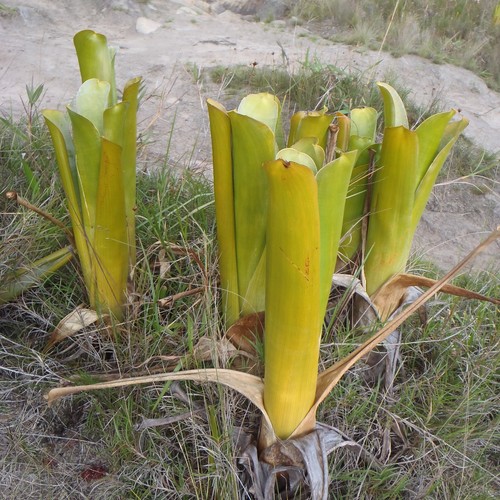
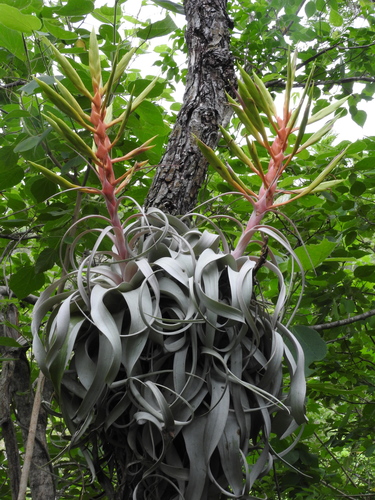
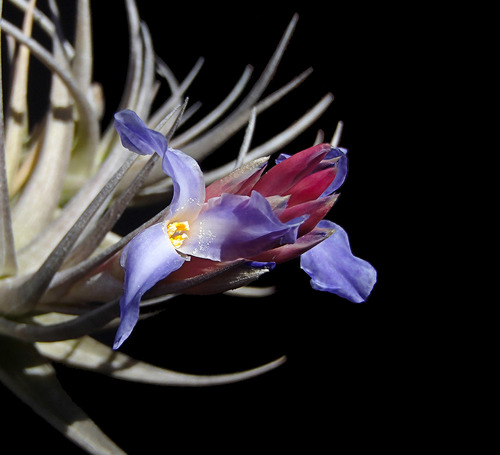
tillandsia bergeri
Also known as: ["Air Plant"]
Overview
A species of epiphytic bromeliad native to Central and South America, known for its unique ability to absorb moisture and nutrients through its leaves.
Benefits & Perks
["low maintenance","aesthetic foliage","wildlife attractant (bees, butterflies, birds)"]
Botanical Classification
| Phylum: | Magnoliophyta |
| Class: | Liliopsida |
| Order: | Poales |
| Family: | Bromeliaceae |
| Genus: | Tillandsia |
| Botanical Name: | Tillandsia bergeri |
Plant Characteristics
Basic Information
- Category: Flowers
- Suitable Location: indoor or sheltered outdoor location with high humidity
- Suitable For:
- Is Weed: No
- Allergenicity: low
Environmental Needs
- Climate: {"temperatureRange":"10–30°C"}
- Hardiness: {"zones":"9–11"}
- Misting: every 2–3 days to maintain humidity
- Drainage: Excellent drainage; no water retention required.
- Soil Type: No traditional soil needed; mounts on cork, wood, or placed in orchid bark/perlite mix for pups.
Maintenance Level
- Maintenance Level: moderate
- Toughness Level: moderate
- Pruning Frequency: As needed, typically every 6–12 months or when dead leaves accumulate.
- Pruning Intensity: Light; remove only dead, brown, or diseased parts.
Care Details
Ideal Sunlight Coverage:
Bright indirect light 4–6 hours/day; avoid direct sun to prevent scorching; adjust for seasonal light intensity.
Sunlight Tolerance Tips:
Acclimate gradually to new light conditions; provide shade during peak sun hours; rotate regularly for even exposure.
Care Requirements
Care Difficulty
moderateeasy
Sunlight
bright, indirect light
Avoid direct midday sun; rotate plant weekly; use sheer curtains for filtered light.
Watering
every 7–10 days by soaking in water for 20–30 minutes
Soak thoroughly rather than mist; ensure complete drying between waterings; adjust frequency with seasons.
Soil
no soil required; epiphytic mounting on bark or cork
pH: Not applicable for mounted plants; for pups, slightly acidic to neutral (pH 5.5–6.5).
Avoid waterlogged conditions; use well-aerated media; no soil for mounted plants.
Temperature
Ideal 60–80°F (15–27°C); tolerates 50–90°F (10–32°C) with protection from extremes.
Avoid sudden temperature shifts; protect from drafts; maintain stable conditions.
Fertilizing
every 4–6 weeks during active growth with a bromeliad-specific fertilizer
Dilute fertilizer well; apply during watering; stop in dormant periods.
Propagation
Methods
By offsets (pups) or seed; pups are the most reliable method for home growers.
Step-by-Step Propagation Guide
- Separate pup from parent.
- Allow callusing for 1–2 days.
- Plant in medium.
- Water lightly.
- Maintain humidity.
Best Time: After flowering or when pups are 1/3–1/2 the size of the parent plant, typically in spring–summer.
Environment
High humidity (60–80%), bright indirect light, warm temperatures (70–80°F/21–27°C).
Medium
Well-draining mix like orchid bark or specialized bromeliad mix with perlite.
Hormone
Not typically required for pups; optional for seeds to improve germination.
Timeline
Pups may root in 2–4 weeks; mature in 6–12 months; seeds take 2–3 years to mature.
Tools Needed
Clean knife or scissors, rooting hormone (optional), propagation case or plastic bag, well-draining medium.
Quick Tips
Use sterilized tools; avoid overwatering pups; provide consistent humidity.
Pruning & Repotting
Pruning Guide
Method
Gently pull dead leaves away or cut with clean, sharp scissors at the base.
Pruning Plan
Minimal pruning; focus on removing dead or damaged leaves to maintain appearance and health.
Tools
Clean scissors or pruning shears, gloves.
Checklist
Inspect for dead leaves; use clean tools; remove carefully; avoid over-pruning.
Repotting Guide
Best Season
Spring or early summer when the plant is actively growing.
Pot Size
Use a pot just slightly larger than the root ball (1–2 inches wider).
Method
Gently remove pup from parent; plant in well-draining medium; water lightly; place in bright indirect light.
Suggestions
Not required for mature plants; pups can be removed and potted separately when large enough.
Checklist
Prepare new pot with drainage; handle roots gently; water sparingly post-repotting; adjust care.
Advanced Care Tips
Watering Mastery
Watering Checklist
Soak duration; drying time; water temperature; frequency adjustment.
How to Apply Water Properly
Submerge the entire plant in room-temperature water, ensuring water reaches all parts; shake gently to remove excess; place in bright, airy area to dry completely within 4–6 hours.
Watering Schedule Tips
Water 2–3 times per week in summer, reducing to once every 1–2 weeks in winter; soak for 20–30 minutes in water, then shake off excess and dry completely.
Soil Improvement
For pups, use orchid bark, perlite, and charcoal mix; ensure no compacted soil.
Temperature Stress Management
Signs of Temperature Issues
Brown leaf tips (heat), pale or bleached leaves (cold), stunted growth, bud drop.
Cold Stress
Slows metabolism, halts growth, may cause leaf discoloration or necrosis in prolonged cold.
Solution: Move to warmer location, avoid drafts, provide gentle warmth (e.g., heat mat), reduce watering.
Hot Stress
Dehydration, sunburn, wilting, reduced vigor, potential for pest infestations.
Solution: Increase humidity, provide shade, water more frequently, ensure good air circulation.
Fertilizing Guide
Fertilizing Checklist
Dilution ratio; application frequency; seasonal adjustment; type of fertilizer.
Fertilizing Method
Use bromeliad fertilizer diluted to ¼ strength; apply monthly during growing season (spring–summer), avoid winter.
Common Problems & Solutions
Toxicity Warning
Cats
Non-toxicTillandsia bergeri is not known to be toxic to cats. It poses no significant health risks if ingested.
⚠️ Symptoms:
🌿 Toxic Parts:
⚡ Toxic If:
if eaten
Dogs
Non-toxicTillandsia bergeri is not known to be toxic to dogs. It poses no significant health risks if ingested.
⚠️ Symptoms:
🌿 Toxic Parts:
⚡ Toxic If:
if eaten
Humans
Non-toxicTillandsia bergeri is not known to have toxic effects on humans. It is generally considered safe for handling and consumption.
⚠️ Symptoms:
🌿 Toxic Parts:
⚡ Toxic If:
if eaten
Frequently Asked Questions
Q: How often should I water Tillandsia bergeri?
A: Water every 7-10 days by misting or soaking in water for 30 minutes.
Q: Can Tillandsia bergeri grow indoors?
A: Yes, it thrives in bright, indirect light indoors.
Q: Is Tillandsia bergeri toxic to pets?
A: No, it is non-toxic to dogs and cats.
Quick Reference
| Family: | Bromeliaceae |
| Care: | moderate |
| Light: | bright, indirect light |
| Water: | every 7–10 days by soaking i |
Get Expert Care Tips
Download the Plantious app for personalized care reminders and plant identification!
Google Play App Store