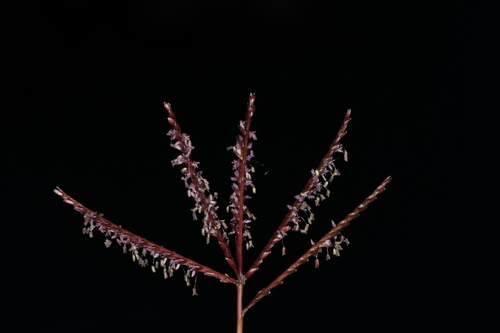
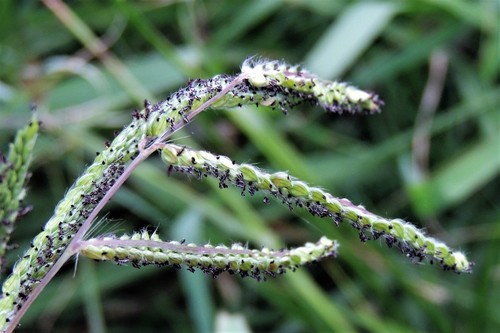
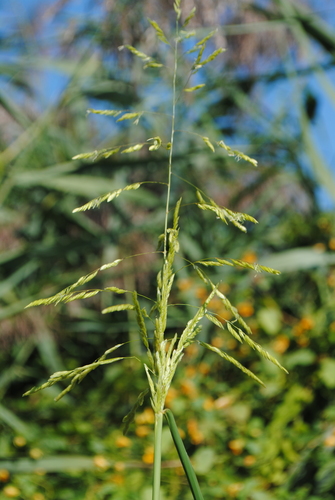
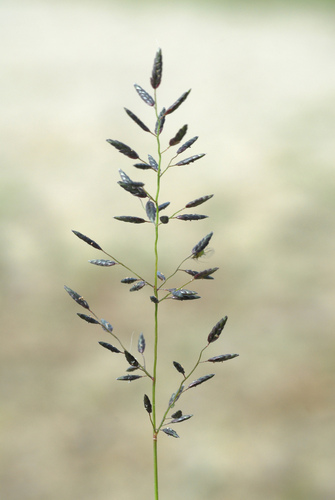
Canebrake Bamboo
arundinaria gigantea
Also known as: ["Cane","American River Cane","Giant Cane"]
Overview
A large, woody bamboo species native to the southeastern United States, known for its tall, cane-like stems and ecological importance.
Benefits & Perks
["fast growing","wildlife attractant (bees, butterflies, birds)","shade tolerant"]
Botanical Classification
| Phylum: | Magnoliophyta |
| Class: | Liliopsida |
| Order: | Poales |
| Family: | Poaceae |
| Genus: | Arundinaria |
| Botanical Name: | Arundinaria gigantea |
Plant Characteristics
Basic Information
- Category: Trees
- Suitable Location: outdoor garden in a partially shaded area with protection from strong winds
- Suitable For:
- Is Weed: No
- Allergenicity: low
Environmental Needs
- Climate: {"temperatureRange":"0–35°C"}
- Hardiness: {"zones":"6–9"}
- Misting: rarely required, only if ambient humidity is very low
- Drainage: Moderately well-draining; tolerates occasional wetness but not prolonged saturation.
- Soil Type: Rich, loamy soil with good organic matter content.
Maintenance Level
- Maintenance Level: moderate
- Toughness Level: high
- Pruning Frequency: Annually in late winter or early spring before new growth.
- Pruning Intensity: Moderate to heavy, depending on desired size and spread.
Care Details
Ideal Sunlight Coverage:
Full sun to partial shade (4–6 hours of direct sunlight daily). Tolerates dappled light but may become sparse in deep shade.
Sunlight Tolerance Tips:
Acclimate new plants gradually to direct sun to prevent scorching. In hot climates, provide afternoon shade to prevent leaf burn.
Care Requirements
Care Difficulty
moderatemoderate
Sunlight
partial shade to full sun
Morning sun is ideal; rotate pots for even growth; avoid harsh midday sun in summer.
Watering
every 7–10 days, allowing soil to dry slightly between waterings
Water thoroughly until runoff, allow soil to dry partially between waterings, and avoid waterlogging.
Soil
moist, well-draining loamy soil with organic matter
pH: Slightly acidic to neutral (pH 6.0–7.0).
Avoid heavy clay without amendments; ensure consistent moisture; enrich with organic matter annually.
Temperature
Thrives in 60–85°F (15–29°C). Tolerates winter lows to 0°F (-18°C) but prefers mild winters.
Protect from frost; water deeply before cold snaps; avoid sudden temperature shifts.
Fertilizing
every 4–6 weeks during active growth (spring and summer) with balanced liquid fertilizer
Fertilize only during active growth; dilute liquid fertilizer to half strength; avoid contact with rhizomes.
Propagation
Methods
Rhizome division or stem cuttings with nodes.
Step-by-Step Propagation Guide
- Dig up rhizomes.
- Cut into sections with at least one bud.
- Plant 2–3 inches deep.
- Water well.
Best Time: Early spring before new growth emerges.
Environment
Warm, humid conditions (70–80°F, 60–70% humidity); partial shade.
Medium
Peat-based mix with perlite or coarse sand for drainage.
Hormone
Optional, but rooting hormone can speed up rhizome establishment.
Timeline
Rhizomes may establish in 4–6 weeks; full growth takes one growing season.
Tools Needed
Sharp knife, pruning shears, trowel, rooting hormone (optional).
Quick Tips
Ensure each division has a viable bud; keep soil consistently moist but not waterlogged.
Pruning & Repotting
Pruning Guide
Method
Cut canes at the base; thin overcrowded areas; remove dead or weak stems.
Pruning Plan
Control spread and remove dead/damaged canes to maintain vigor and aesthetics.
Tools
Loppers, pruning saw, gloves, disinfectant.
Checklist
Disinfect tools; cut canes cleanly; remove debris; apply mulch after pruning.
Repotting Guide
Best Season
Early spring before active growth begins.
Pot Size
Increase pot size by 2–3 inches in diameter if repotting is necessary.
Method
Use well-draining soil mix; ensure container has drainage holes; space rhizomes adequately.
Suggestions
Not typically required unless grown in containers; division is more common for ground-grown plants.
Checklist
Check root bound status; use fresh soil; prune roots if crowded; water after repotting.
Advanced Care Tips
Watering Mastery
Watering Checklist
Check soil moisture with finger; water early morning; ensure drainage; adjust for season.
How to Apply Water Properly
Water directly at the root zone, ensuring even saturation to a depth of 6–8 inches. Allow excess water to drain freely and avoid wetting foliage.
Watering Schedule Tips
Water deeply once per week during active growth, reducing frequency to every 2–3 weeks in winter. Adjust based on rainfall and soil moisture retention.
Soil Improvement
Add compost or well-rotted manure; incorporate perlite or sand for drainage; mulch with organic material.
Temperature Stress Management
Signs of Temperature Issues
Chlorosis or browning of leaves in extreme heat; dieback or delayed growth in prolonged cold.
Cold Stress
Leaves may wilt or turn yellow; growth slows or halts; rhizomes can suffer frost damage in unprotected areas.
Solution: Mulch heavily around the base; provide wind protection; avoid planting in low-lying frost pockets.
Hot Stress
Leaf scorch, wilting, or premature drying; reduced vigor and flowering.
Solution: Provide shade during peak heat; increase watering frequency; use mulch to retain soil moisture.
Fertilizing Guide
Fertilizing Checklist
Use balanced fertilizer; apply in spring; avoid over-fertilization; water after application.
Fertilizing Method
Use balanced slow-release fertilizer in early spring; avoid high-nitrogen formulas. Reduce or stop feeding in late summer/autumn.
Common Problems & Solutions
Toxicity Warning
Cats
Non-toxicArundinaria gigantea is not toxic to cats. This species of bamboo has no known adverse effects on feline health or physiology.
⚡ Toxic If:
None
Dogs
Non-toxicArundinaria gigantea is not toxic to dogs. There are no documented cases of toxicity in canines from exposure to this plant.
⚡ Toxic If:
None
Humans
Non-toxicArundinaria gigantea, commonly known as cane or giant cane, is not considered toxic to humans. It is a species of bamboo native to the southeastern United States and has no known toxic effects on human physiology.
⚡ Toxic If:
None
Frequently Asked Questions
Q: Is Arundinaria gigantea invasive?
A: It can be invasive in some regions, especially in wetlands and along waterways, but it is not typically considered invasive in its native range.
Q: How tall does Arundinaria gigantea grow?
A: It can grow up to 20 feet tall, forming dense thickets in favorable conditions.
Q: Does Arundinaria gigantea require a lot of water?
A: It prefers moist to wet soils but can tolerate some drought once established.
Quick Reference
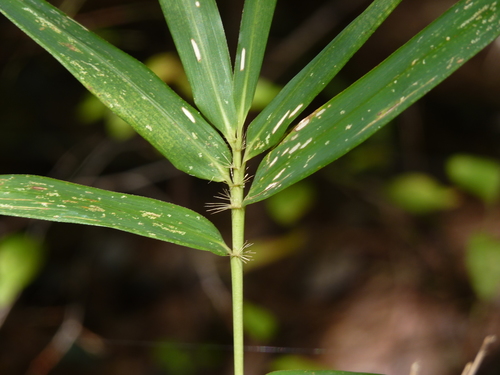
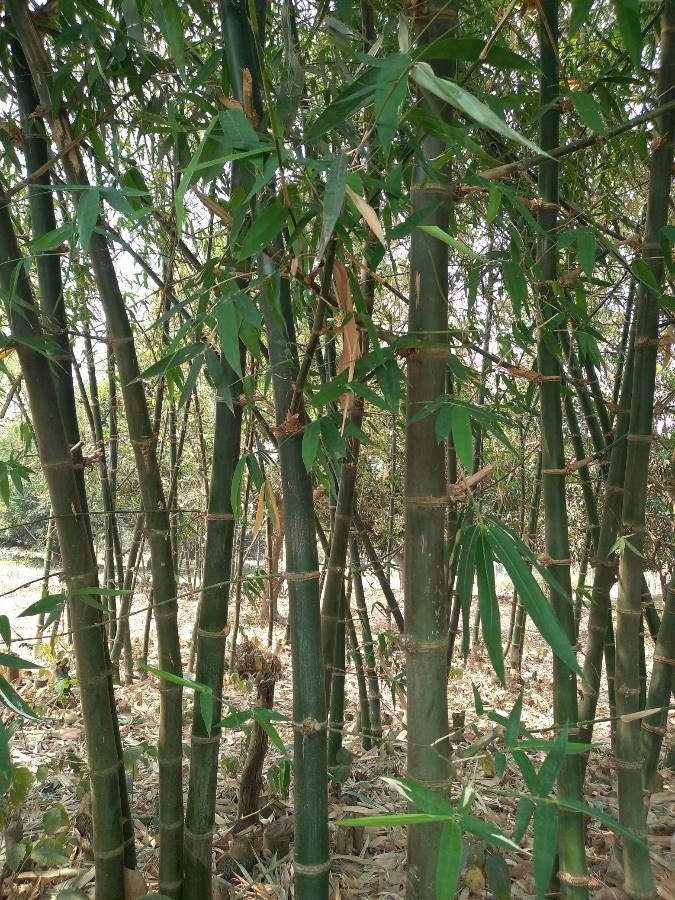
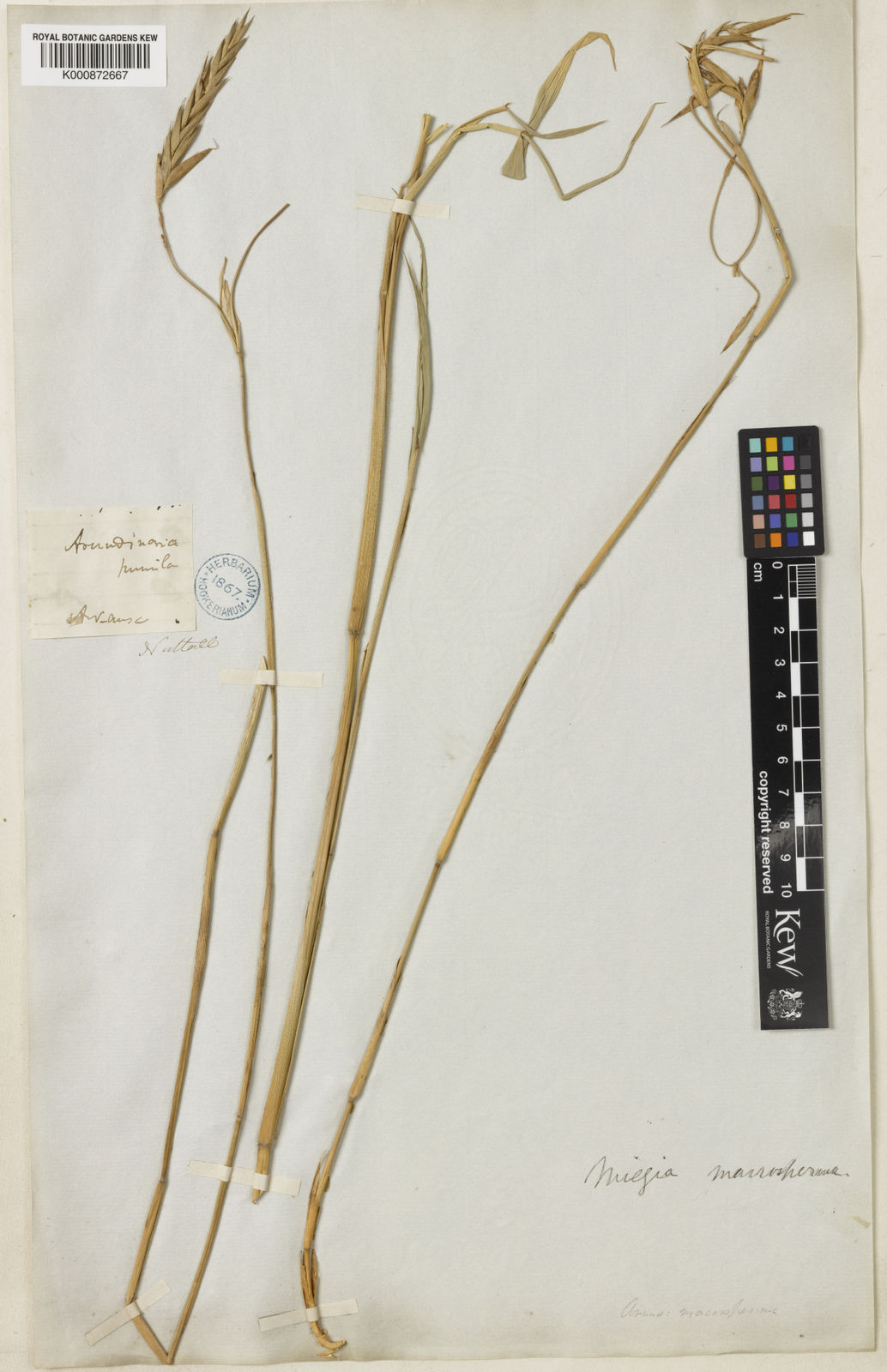
| Family: | Poaceae |
| Care: | moderate |
| Light: | partial shade to full sun |
| Water: | every 7–10 days, allowing so |
Get Expert Care Tips
Download the Plantious app for personalized care reminders and plant identification!
Google Play App Store