Black Cottonwood
populus trichocarpa
Also known as: ["Western Balsam Poplar","Balsam Poplar"]
Overview
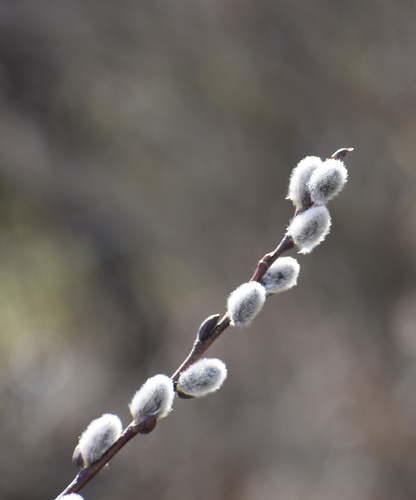
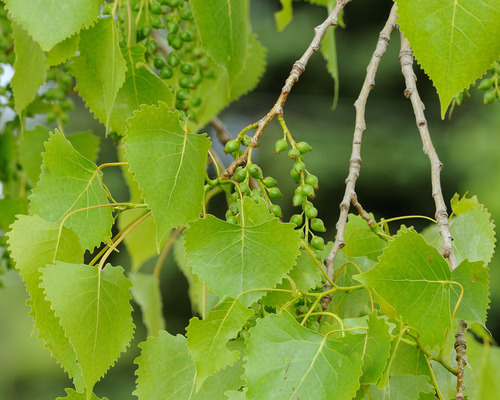
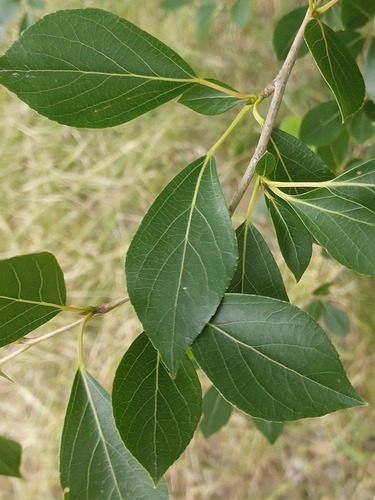
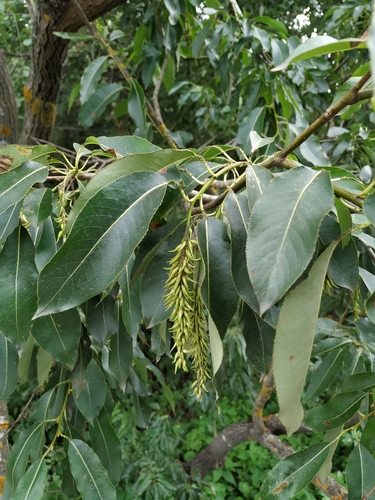
A large deciduous tree native to western North America, known for its rapid growth and aromatic resinous buds.
Benefits & Perks
["fast growing","wildlife attractant (bees, butterflies, birds)","drought tolerant","shade tolerant"]
Botanical Classification
| Phylum: | Magnoliophyta |
| Class: | Magnoliopsida |
| Order: | Malpighiales |
| Family: | Salicaceae |
| Genus: | Populus |
| Botanical Name: | Populus trichocarpa |
Plant Characteristics
Basic Information
- Category: Trees
- Suitable Location: outdoor planting in riverbanks, wetlands, or moist soil areas
- Suitable For:
- Is Weed: No
- Allergenicity: moderate
Environmental Needs
- Climate: {"temperatureRange":"–34.4–40°C"}
- Hardiness: {"zones":"3–7"}
- Misting: rarely required, only if ambient humidity is very low
- Drainage: Moderate to well-draining; tolerates occasional flooding but prefers not to sit in waterlogged soil.
- Soil Type: Rich, loamy soil with good organic matter content; adaptable to various soil types but prefers fertile conditions.
Maintenance Level
- Maintenance Level: moderate
- Toughness Level: high
- Pruning Frequency: Annually in late winter or early spring; light pruning can be done anytime.
- Pruning Intensity: Moderate to heavy, depending on tree age and goals; remove up to one-third of old growth on mature t
Care Details
Ideal Sunlight Coverage:
Full sun (6–8 hours of direct sunlight daily); tolerates partial shade but may grow less vigorously.
Sunlight Tolerance Tips:
Acclimate young plants to full sun gradually; protect from intense midday sun in hot climates; ensure outdoor placement in open areas for optimal light exposure.
Care Requirements
Care Difficulty
moderatemoderate
Sunlight
full sun to partial shade
Avoid sudden light changes; use shade cloth if needed; rotate plants for even growth.
Watering
every 3–5 days during active growth, every 7–10 days in winter
Water thoroughly until runoff, ensure good drainage, and avoid waterlogging.
Soil
deep, moist, well-drained loamy soil
pH: Slightly acidic to neutral (pH 6.0–7.0).
Mulch to retain moisture; avoid compacted soil; test pH periodically.
Temperature
Prefers cool to moderate temperatures (60–75°F or 15–24°C); tolerates cold down to -20°F (-29°C) but thrives in temperate climates.
Protect from late frosts; water deeply before cold snaps; avoid placing near heat sources indoors.
Fertilizing
every 4–6 weeks during spring and summer
Fertilize only in spring; avoid high-nitrogen formulas; test soil before applying.
Propagation
Methods
Stem cuttings or root cuttings; softwood cuttings taken in early summer root most readily.
Step-by-Step Propagation Guide
- Take 4–6 inch cuttings.
- Remove lower leaves.
- Dip in rooting hormone.
- Plant in medium.
- Maintain humidity.
- Transplant when rooted.
Best Time: Early summer for softwood cuttings; late winter for root cuttings.
Environment
High humidity (70–90%), warm temperatures (70–75°F or 21–24°C), and partial shade.
Medium
Well-draining mix of peat and perlite or coarse sand.
Hormone
Recommended to use rooting hormone for faster and more reliable rooting.
Timeline
Roots develop in 4–8 weeks; plants can be transplanted after one growing season.
Tools Needed
Pruning shears, rooting hormone, misting spray bottle, propagation tray, heating mat.
Quick Tips
Use sharp, sterile tools; keep soil consistently moist; provide bottom heat for faster rooting.
Pruning & Repotting
Pruning Guide
Method
Use thinning cuts to remove entire branches back to the trunk or main branch; avoid topping.
Pruning Plan
Prune to remove dead or diseased wood, improve structure, and control size; focus on young trees to establish a strong framework.
Tools
Pruning saw, loppers, hand pruners, pole pruner, sterilizing solution.
Checklist
Sterilize tools; prune during dormancy; make clean cuts; remove crossing branches; dispose of diseased wood.
Repotting Guide
Best Season
Early spring before active growth begins.
Pot Size
Move to a pot one size larger (2–3 inches wider in diameter).
Method
Remove plant gently; trim roots if pot-bound; replace with fresh, well-draining soil; ensure good drainage.
Suggestions
Not typically repotted; if grown in containers, repot every 2–3 years to refresh soil and accommodate growth.
Checklist
Check root bound status; trim roots if necessary; use fresh soil mix; ensure drainage holes are clear.
Advanced Care Tips
Watering Mastery
Watering Checklist
Check soil moisture before watering; water deeply; ensure drainage; adjust for season.
How to Apply Water Properly
Apply water directly to the root zone, ensuring even saturation to a depth of 12–18 inches, allowing excess to drain freely; water early in the morning to minimize evaporation.
Watering Schedule Tips
Water deeply once per week during active growth; reduce frequency in winter to every 2–3 weeks, allowing soil to dry partially between waterings.
Soil Improvement
Add compost or well-rotted manure to enhance fertility; incorporate sand or perlite for drainage in heavy soils.
Temperature Stress Management
Signs of Temperature Issues
Chlorosis or leaf scorch in excessive heat; leaf drop or stunted growth in prolonged cold.
Cold Stress
Low temperatures slow growth and may cause dieback of young shoots; roots can be damaged in poorly insulated soil.
Solution: Mulch heavily around the base; protect young trees with burlap screens in severe cold; avoid planting in frost pockets.
Hot Stress
Excessive heat can lead to leaf scorch, wilting, and reduced photosynthesis; may drop leaves to conserve water.
Solution: Provide supplemental water during heatwaves; use shade cloth if necessary; ensure adequate soil moisture retention.
Fertilizing Guide
Fertilizing Checklist
Check soil pH; apply fertilizer in early spring; water after application; avoid contact with roots.
Fertilizing Method
Use a balanced, slow-release fertilizer in early spring; avoid over-fertilizing, as Populus species are vigorous growers.
Common Problems & Solutions
Toxicity Warning
Cats
Slightly ToxicCats are sensitive to salicin and may exhibit mild to moderate gastrointestinal symptoms if they ingest parts of Populus trichocarpa. The compound can cause irritation in the digestive tract.
⚠️ Symptoms:
🌿 Toxic Parts:
⚡ Toxic If:
if eaten
Dogs
Slightly ToxicDogs may experience mild gastrointestinal distress if they consume parts of Populus trichocarpa due to the presence of salicin. The effects are typically not severe but can cause discomfort.
⚠️ Symptoms:
🌿 Toxic Parts:
⚡ Toxic If:
if eaten
Humans
Slightly ToxicPopulus trichocarpa contains salicin, a compound related to aspirin, which can cause mild gastrointestinal upset and other symptoms if ingested in significant quantities. The physiological impact is generally mild but can be more pronounced in sensitive individuals.
⚠️ Symptoms:
🌿 Toxic Parts:
⚡ Toxic If:
if eaten
Frequently Asked Questions
Q: Is Populus trichocarpa suitable for urban environments?
A: It can be, but its large size and fast growth may require ample space.
Q: Does this tree have any medicinal uses?
A: The resinous buds have been used traditionally for their anti-inflammatory properties.
Q: How does it compare to other poplar species?
A: It is one of the fastest-growing poplars and is valued for its timber and ecological benefits.
Quick Reference
| Family: | Salicaceae |
| Care: | moderate |
| Light: | full sun to partial shade |
| Water: | every 3–5 days during active |
Get Expert Care Tips
Download the Plantious app for personalized care reminders and plant identification!
Google Play App Store