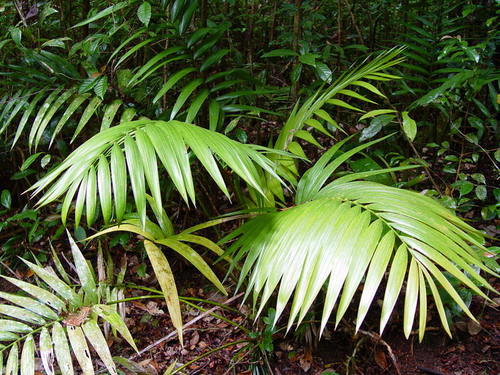
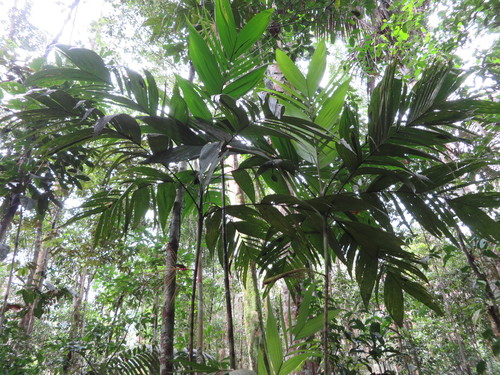
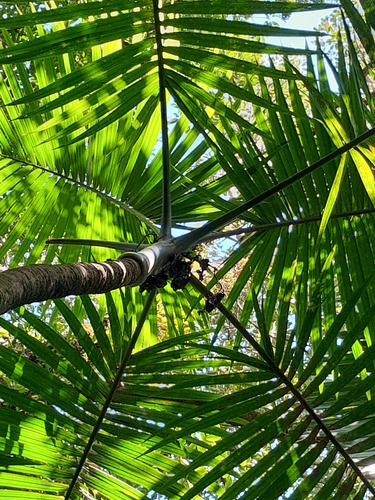
Bamboo Palm
chamaedorea seifrizii
Also known as: ["Ribbon Palm","Cane Palm"]
Overview
A graceful, feathery palm with arching, bamboo-like stems and delicate, green fronds.
Benefits & Perks
["air purifying","pet-friendly","shade tolerant","wildlife attractant (bees, butterflies, birds)"]
Botanical Classification
| Phylum: | Magnoliophyta |
| Class: | Liliopsida |
| Order: | Arecales |
| Family: | Arecaceae |
| Genus: | Chamaedorea |
| Botanical Name: | Chamaedorea seifrizii |
Plant Characteristics
Basic Information
- Category: Leaf Plants
- Suitable Location: indoor pot in bright, humid room or shaded outdoor area
- Suitable For:
- Is Weed: No
- Allergenicity: low
Environmental Needs
- Climate: {"temperatureRange":"15–30°C"}
- Hardiness: {"zones":"10–12"}
- Misting: every 2–3 days to maintain humidity
- Drainage: Fast-draining to prevent waterlogging.
- Soil Type: Well-draining potting mix with peat, perlite, and organic matter.
Maintenance Level
- Maintenance Level: moderate
- Toughness Level: moderate
- Pruning Frequency: As needed, typically every few months or when fronds decline.
- Pruning Intensity: Light to moderate; avoid removing more than 20% of foliage at once.
Care Details
Ideal Sunlight Coverage:
Bright indirect light for 6–8 hours daily; tolerate lower light but may grow slower.
Sunlight Tolerance Tips:
Acclimate to brighter light gradually; avoid direct sun to prevent leaf burn; adjust placement based on indoor/outdoor conditions.
Care Requirements
Care Difficulty
easymoderate
Sunlight
partial shade to bright indirect light
Rotate plant for even growth; use sheer curtains to filter direct light; avoid drafty areas.
Watering
every 7–10 days during active growth, reduce in winter
Allow soil to dry partially between waterings; avoid overwatering; ensure good drainage.
Soil
well-draining, peat-based potting mix
pH: Slightly acidic to neutral (pH 5.5–7.0).
Use a mix with good drainage; avoid heavy clay soils; top-dress with compost annually.
Temperature
Prefers 65–80°F (18–27°C); tolerates 50–90°F (10–32°C) but thrives in moderate warmth.
Avoid sudden temperature changes; keep away from heating/cooling vents; maintain stable conditions.
Fertilizing
every 4–6 weeks during growing season, none in winter
Dilute fertilizer to prevent burn; fertilize during active growth; flush soil occasionally to prevent salt buildup.
Propagation
Methods
Stem cuttings or division of clumps.
Step-by-Step Propagation Guide
- Take cuttings.
- Apply hormone.
- Plant in medium.
- Maintain humidity.
- Wait for roots.
Best Time: Spring or early summer when the plant is actively growing.
Environment
High humidity (70–90%), warm (70–80°F/21–27°C), indirect light.
Medium
Well-draining mix like peat and perlite or cactus soil.
Hormone
Optional but recommended for faster rooting.
Timeline
Roots in 4–8 weeks; new growth in 2–3 months.
Tools Needed
Pruners, rooting hormone, pots, humidity dome, misting spray bottle.
Quick Tips
Use healthy stems; keep consistently moist; provide bottom heat for faster rooting.
Pruning & Repotting
Pruning Guide
Method
Cut fronds at the base; trim damaged tips; avoid cutting healthy growth.
Pruning Plan
Remove dead or yellowing fronds to maintain appearance and health; shape as needed.
Tools
Clean pruners or scissors, disinfectant.
Checklist
Identify dead/damaged fronds; sterilize tools; cut cleanly; dispose of clippings.
Repotting Guide
Best Season
Spring, before the active growing season begins.
Pot Size
One size larger pot (e.g., +2 inches in diameter); ensure good drainage.
Method
Remove plant gently; trim roots if needed; place in new pot with fresh soil; water lightly.
Suggestions
Repot every 2–3 years or when roots fill the pot; beneficial for growth and health.
Checklist
Check root bound status; prepare new pot; trim roots; add fresh soil; water lightly.
Advanced Care Tips
Watering Mastery
Watering Checklist
Check soil moisture; water thoroughly; ensure drainage; adjust for season.
How to Apply Water Properly
Water deeply at the root zone until water drains from the bottom; avoid wetting foliage; water in the morning to reduce evaporation.
Watering Schedule Tips
Water thoroughly when the top 1–2 inches of soil are dry; reduce frequency in winter to prevent root rot.
Soil Improvement
Add perlite or sand for drainage; incorporate compost for fertility; ensure aeration.
Temperature Stress Management
Signs of Temperature Issues
Yellowing leaves (cold stress), brown leaf tips (heat stress), stunted growth.
Cold Stress
Slows growth, causes leaf discoloration, and may lead to root damage in prolonged cold.
Solution: Move to a warmer spot, insulate pots, avoid cold drafts, and reduce watering.
Hot Stress
Leaves may wilt, brown, or drop; growth may slow due to excessive heat.
Solution: Provide shade, increase humidity, water more frequently, and ensure good air circulation.
Fertilizing Guide
Fertilizing Checklist
Check season; dilute fertilizer; apply to moist soil; avoid foliage contact.
Fertilizing Method
Use balanced liquid fertilizer diluted to half strength every 4–6 weeks during growing season (spring/summer); cease in fall/winter.
Common Problems & Solutions
Toxicity Warning
Cats
Non-toxicChamaedorea seifrizii is not toxic to cats. It is a safe plant to have in homes with feline companions.
⚡ Toxic If:
Generally non-toxic
Dogs
Non-toxicChamaedorea seifrizii is not toxic to dogs. The plant is safe for household environments where dogs are present.
⚡ Toxic If:
Generally non-toxic
Humans
Non-toxicChamaedorea seifrizii, commonly known as the bamboo palm, is not considered toxic to humans. It is a popular indoor plant valued for its air-purifying qualities and aesthetic appeal.
⚡ Toxic If:
Generally non-toxic
Frequently Asked Questions
Q: How often should I water Bamboo Palm?
A: Water when the top inch of soil feels dry, typically once a week.
Q: Does Bamboo Palm need direct sunlight?
A: No, it thrives in bright, indirect light or partial shade.
Q: Is Bamboo Palm toxic to pets?
A: No, it is non-toxic to dogs and cats.
Quick Reference
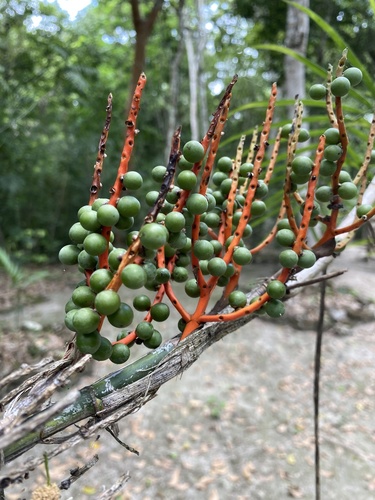


| Family: | Arecaceae |
| Care: | easy |
| Light: | partial shade to bright indire |
| Water: | every 7–10 days during activ |
Get Expert Care Tips
Download the Plantious app for personalized care reminders and plant identification!
Google Play App Store