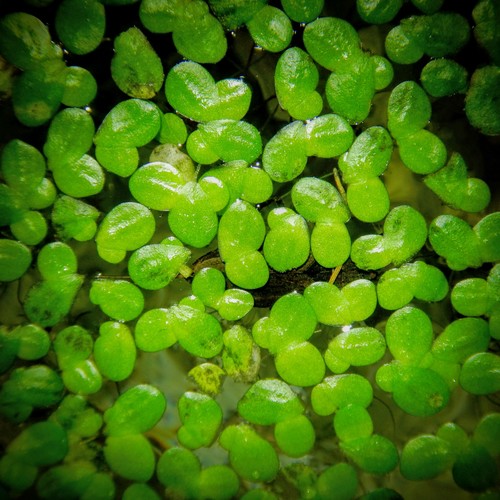
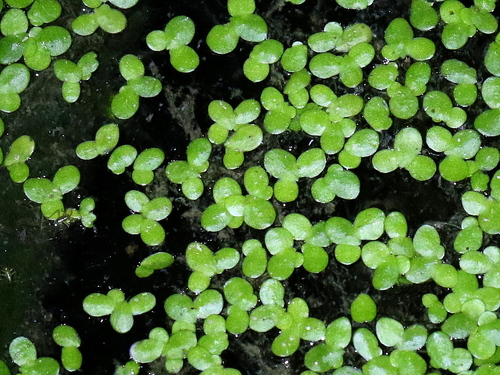
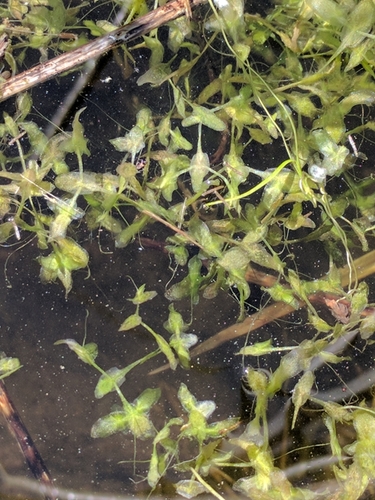
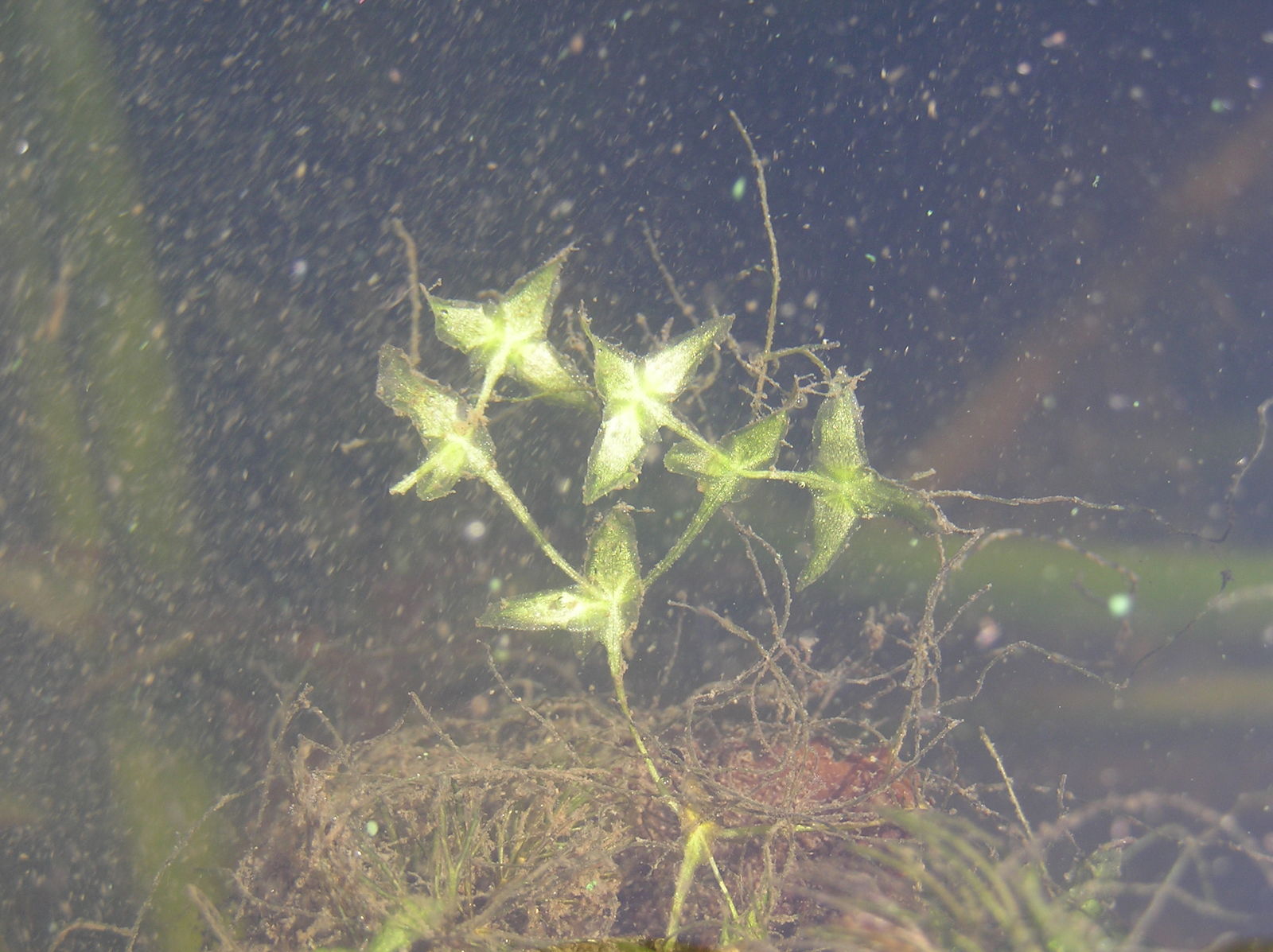
Ivy Leaf Duckweed
lemna trisulca
Also known as: ["Ivy-leaved Duckweed","Common Duckmeat"]
Overview
A small, free-floating aquatic plant with ivy-shaped leaves, often found in still or slow-moving freshwater habitats.
Benefits & Perks
["low maintenance","wildlife attractant (bees, butterflies, birds)","drought tolerant"]
Botanical Classification
| Phylum: | Magnoliophyta |
| Class: | Liliopsida |
| Order: | Alismatales |
| Family: | Araceae |
| Genus: | Lemna |
| Botanical Name: | Lemna trisulca |
Plant Characteristics
Basic Information
- Category: Leaf Plants
- Suitable Location: still or slow-moving freshwater ponds, aquariums, or indoor water gardens
- Suitable For:
- Is Weed: No
- Allergenicity: low
Environmental Needs
- Climate: {"temperatureRange":"10–30°C"}
- Hardiness: {"zones":"6–10"}
- Misting: N/A (grows in water)
- Drainage: Well-draining but waterlogged.
- Soil Type: Aquarium soil or a mix of peat and perlite.
Maintenance Level
- Maintenance Level: very low
- Toughness Level: very high
- Pruning Frequency: As needed, typically every few weeks to monthly.
- Pruning Intensity: Light pruning to remove dead or decaying parts.
Care Details
Ideal Sunlight Coverage:
Bright indirect light for 6–8 hours per day. Can tolerate lower light but may grow more slowly.
Sunlight Tolerance Tips:
Acclimate slowly to brighter light to avoid bleaching; avoid direct sunlight which can scorch the leaves; adjust light levels based on indoor or outdoor placement.
Care Requirements
Care Difficulty
very easyeasy
Sunlight
partial shade to full shade
Avoid direct sun; rotate plant for even growth; use a sheer curtain to filter light.
Watering
N/A (aquatic, submerged in water)
Maintain water level above roots; avoid stagnant water; ensure gentle water flow if in a pond or aquarium.
Soil
N/A (grows in water)
pH: Slightly acidic to neutral (pH 6.0–7.0).
Use aquarium soil for best results; maintain water level; avoid dry soil.
Temperature
Prefers temperatures between 65–80°F (18–27°C). Can tolerate slightly cooler temperatures but thrives in warmer conditions.
Monitor water temperature; avoid extreme temperature fluctuations; maintain consistent warmth.
Fertilizing
N/A (absorbs nutrients from water)
Dilute fertilizer to prevent burn; fertilize during active growth; avoid over-fertilization.
Propagation
Methods
Division of rhizomes or runners.
Step-by-Step Propagation Guide
- Separate rhizomes or runners.
- Plant in a suitable medium.
- Maintain consistent water level.
- Provide appropriate light and temperature.
Best Time: Spring or early summer when the plant is actively growing.
Environment
Warm, humid environment with bright indirect light.
Medium
Aquarium soil or a mix of peat and perlite.
Hormone
Not necessary for division.
Timeline
Roots and new growth should appear within 2–4 weeks.
Tools Needed
Sharp scissors, aquarium soil, container.
Quick Tips
Use clean tools to prevent disease; maintain water level; provide consistent light.
Pruning & Repotting
Pruning Guide
Method
Gently remove dead leaves by hand or with scissors.
Pruning Plan
Remove dead or decaying leaves to maintain plant health and aesthetics.
Tools
Sharp scissors or fingers.
Checklist
Check for dead leaves; remove gently; avoid damaging healthy parts.
Repotting Guide
Best Season
Spring or early summer when the plant is actively growing.
Pot Size
Increase pot size by 1–2 inches in diameter.
Method
Carefully remove the plant; divide if necessary; replant in a larger container with fresh soil; maintain water level.
Suggestions
Repot if the plant becomes overcrowded or if the container is too small.
Checklist
Check for overcrowding; use fresh soil; maintain water level; provide appropriate light.
Advanced Care Tips
Watering Mastery
Watering Checklist
Check water level daily; use clean water; ensure gentle water flow; monitor for algae growth.
How to Apply Water Properly
Water should be applied to maintain the water level above the roots. Ensure the water is clean and free of chlorine or other chemicals that can harm the plant. Use a gentle flow to avoid disturbing the roots.
Watering Schedule Tips
Keep the water level consistent, ensuring the roots remain submerged. Water as needed to maintain this level, typically every few days to a week depending on evaporation rates.
Soil Improvement
Add peat moss to increase acidity; use perlite for aeration; ensure the soil is kept consistently moist.
Temperature Stress Management
Signs of Temperature Issues
Yellowing leaves, stunted growth, or floating leaves sinking to the bottom can indicate temperature stress.
Cold Stress
Low temperatures can slow growth and cause leaves to turn yellow or brown.
Solution: Move to a warmer location; use a heater or heat mat if necessary; ensure water is not too cold.
Hot Stress
Excessive heat can cause leaves to wilt, turn brown, or become brittle.
Solution: Provide shade; increase water circulation; ensure water temperature is not too high.
Fertilizing Guide
Fertilizing Checklist
Use diluted liquid fertilizer; fertilize every 2–4 weeks; stop in winter.
Fertilizing Method
Use a liquid fertilizer diluted to half strength every 2–4 weeks during the growing season. Avoid fertilizing in winter when growth slows.
Common Problems & Solutions
Toxicity Warning
Cats
Non-toxicLemna trisulca is not considered toxic to cats. There are no known adverse effects associated with ingestion or contact with this plant.
⚡ Toxic If:
Generally non-toxic
Dogs
Non-toxicLemna trisulca is not considered toxic to dogs. There are no known adverse effects associated with ingestion or contact with this plant.
⚡ Toxic If:
Generally non-toxic
Humans
Non-toxicLemna trisulca, commonly known as ivy duckweed, is not considered toxic to humans under normal circumstances. It is a small aquatic plant that typically poses no health risks.
⚡ Toxic If:
Generally non-toxic
Frequently Asked Questions
Q: Is Lemna trisulca edible?
A: Yes, it is non-toxic and can be consumed, though it is not commonly eaten.
Q: How does Lemna trisulca reproduce?
A: It reproduces asexually through vegetative budding, where new plants grow from the parent plant.
Q: Can Lemna trisulca be grown indoors?
A: Yes, it can be grown in indoor aquariums or small water features, provided there is sufficient light.
Quick Reference


| Family: | Araceae |
| Care: | very easy |
| Light: | partial shade to full shade |
| Water: | N/A (aquatic, submerged in wat |
Get Expert Care Tips
Download the Plantious app for personalized care reminders and plant identification!
Google Play App Store