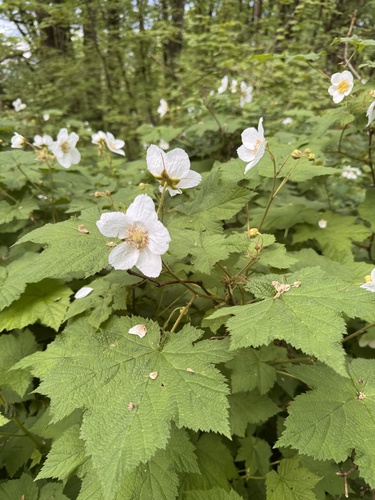
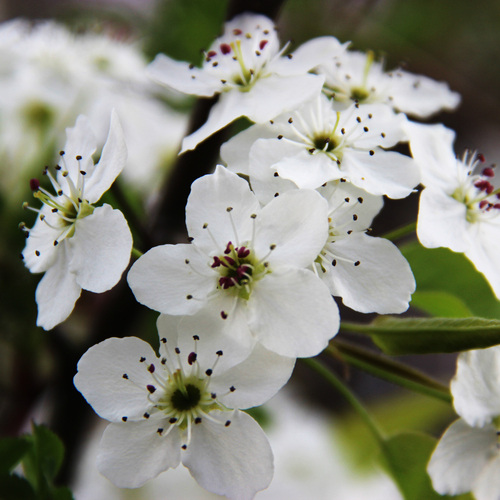
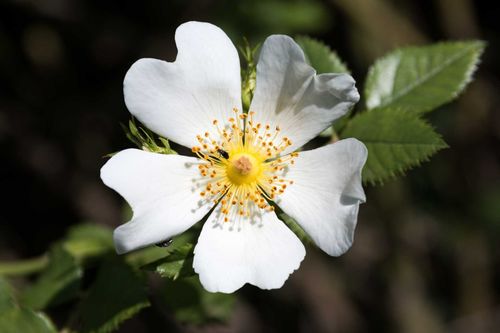
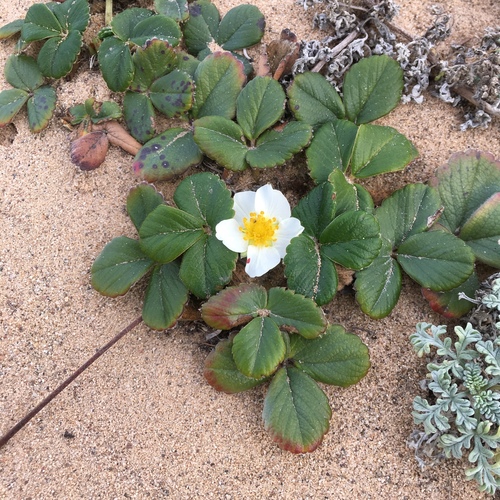
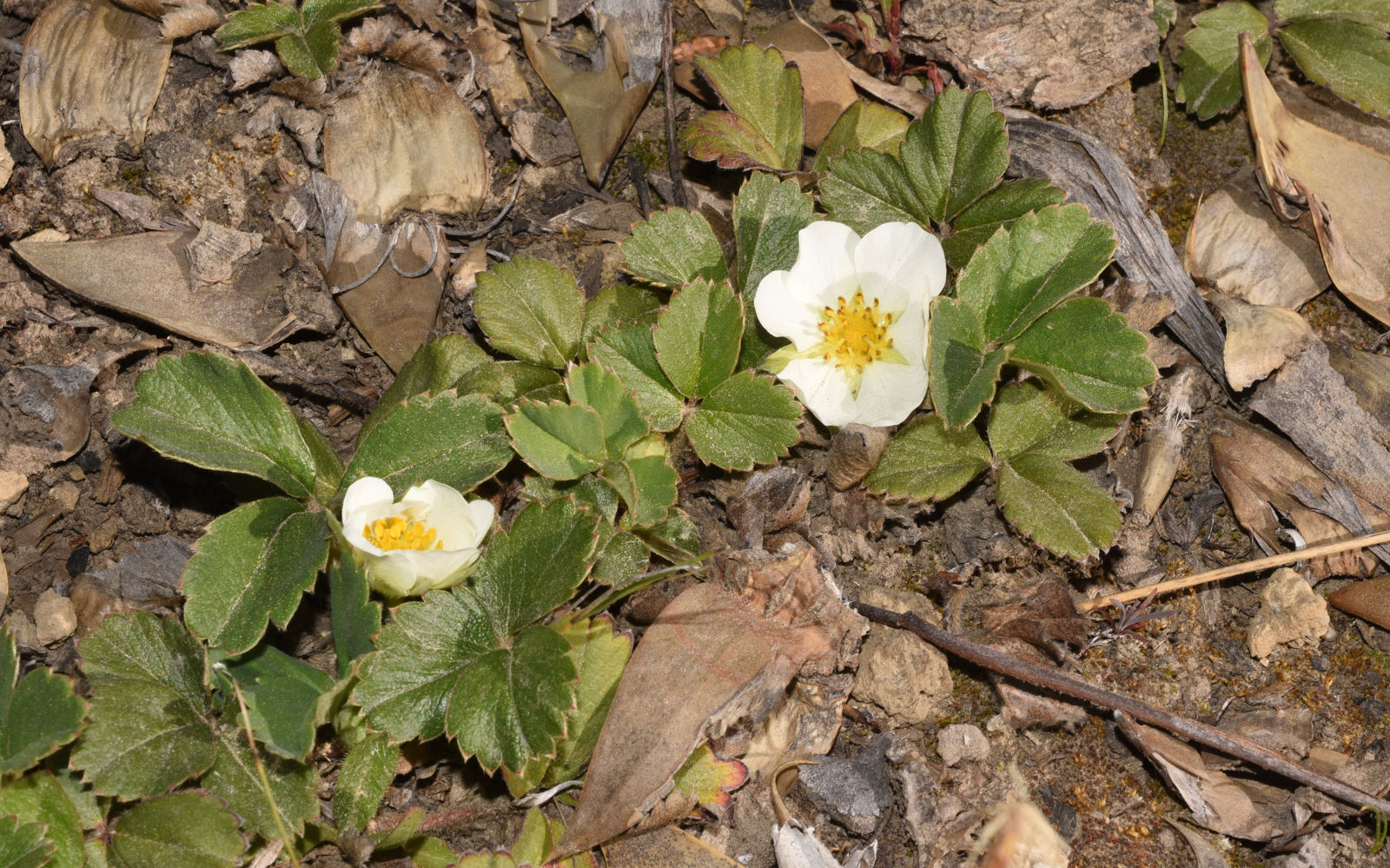
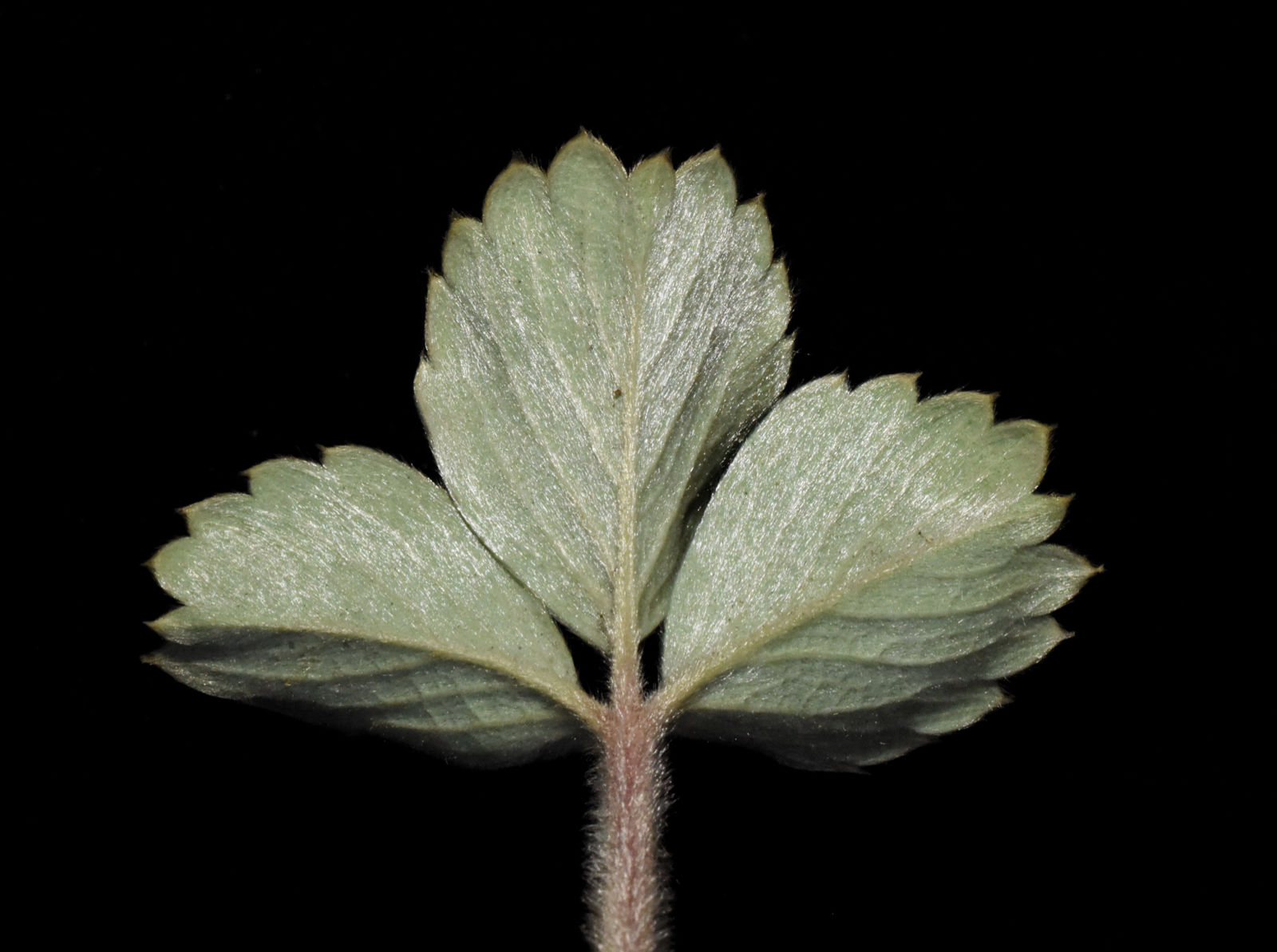
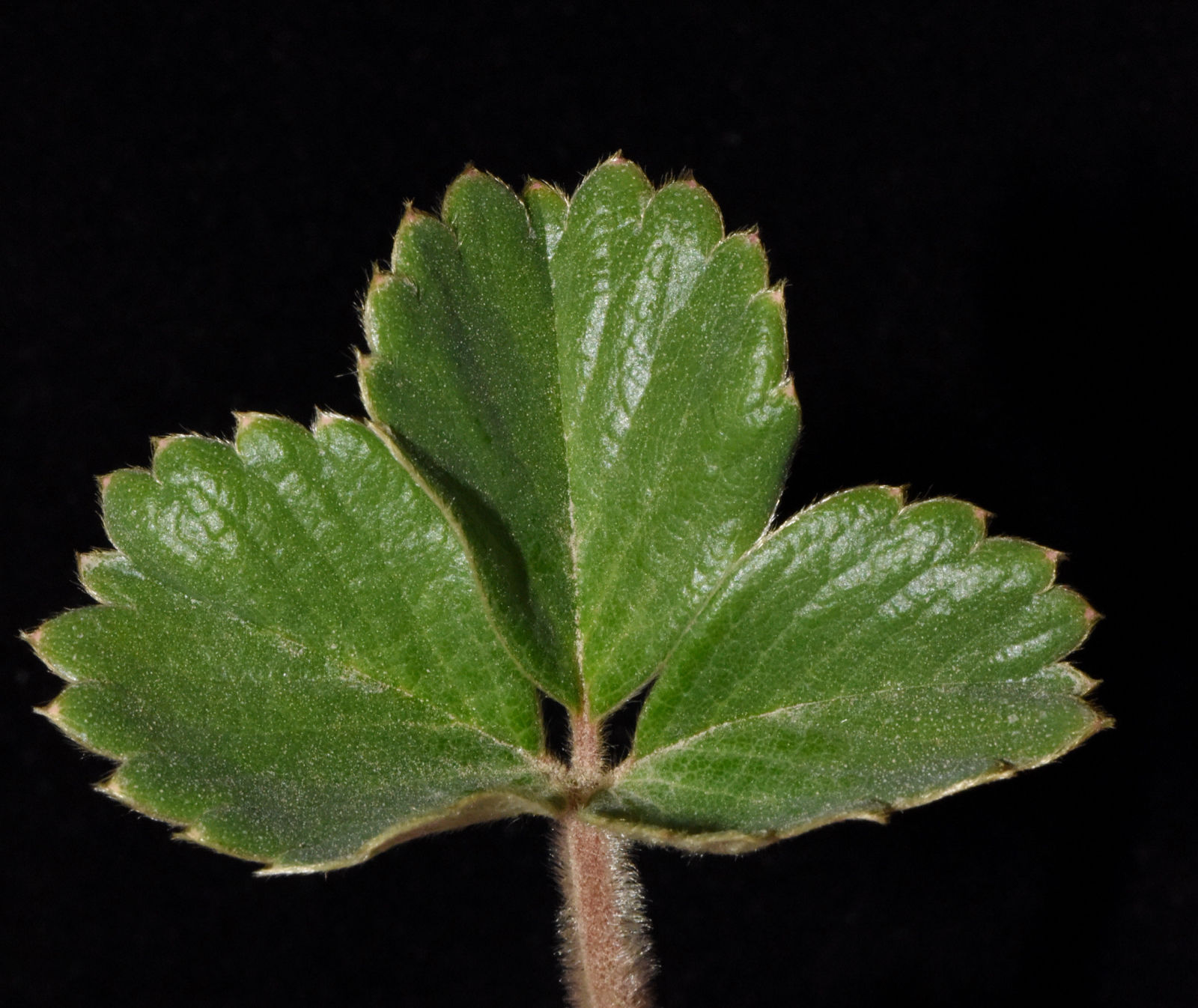
Beach Strawberry
fragaria chiloensis
Also known as: ["Coastal Strawberry","Sand Strawberry"]
Overview
A perennial herbaceous plant native to the Pacific coast of North and South America, known for its edible fruits and creeping growth habit.
Benefits & Perks
["edible fruits","wildlife attractant (bees, butterflies, birds)","drought tolerant","shade tolerant"]
Botanical Classification
| Phylum: | Magnoliophyta |
| Class: | Magnoliopsida |
| Order: | Rosales |
| Family: | Rosaceae |
| Genus: | Fragaria |
| Botanical Name: | Fragaria chiloensis |
Plant Characteristics
Basic Information
- Category: Fruits
- Suitable Location: raised beds or containers in coastal or temperate regions
- Suitable For:
- Is Weed: No
- Allergenicity: low
Environmental Needs
- Climate: {"temperatureRange":"5–30°C"}
- Hardiness: {"zones":"6–9"}
- Misting: rarely required, only if ambient humidity is very low
- Drainage: Fast-draining to prevent root rot.
- Soil Type: Well-draining, loamy soil with added organic matter; can tolerate sandy soils if amended.
Maintenance Level
- Maintenance Level: moderate
- Toughness Level: moderate
- Pruning Frequency: Annually after fruiting; thin crowded areas as needed.
- Pruning Intensity: Moderate; remove about one-third of the oldest canes each year.
Care Details
Ideal Sunlight Coverage:
Full sun (6–8 hours/day) for optimal fruit production; tolerates partial shade but may yield less.
Sunlight Tolerance Tips:
Acclimate plants gradually to full sun if moved from shade; protect from intense midday sun in hot climates; ensure good air circulation to prevent fungal issues.
Care Requirements
Care Difficulty
easyeasy
Sunlight
full sun to partial shade
Rotate plants for even light exposure; use shade cloth in extreme heat; avoid placing in drafty areas.
Watering
every 5–7 days during active growth, reduce in winter
Water at the base to avoid foliage wetting; ensure soil dries slightly between waterings; avoid overwatering to prevent root rot.
Soil
well-draining, sandy loam with organic matter
pH: Slightly acidic to neutral (pH 5.5–7.0).
Ensure good drainage; amend with organic matter; maintain consistent moisture levels.
Temperature
Prefers cool to moderate temperatures (60–75°F or 15–24°C); tolerates cooler nights for better fruit quality.
Avoid sudden temperature fluctuations; protect from frost; ensure good air circulation.
Fertilizing
every 4–6 weeks during growing season with balanced fertilizer
Fertilize lightly after fruiting; incorporate compost for organic nutrients; water after fertilizing to prevent root burn.
Propagation
Methods
Stem cuttings (runners) or division of established plants.
Step-by-Step Propagation Guide
- Select healthy runners.
- Cut just below a node.
- Plant in prepared medium.
- Keep moist and warm until rooted.
Best Time: Spring or early summer when plants are actively growing.
Environment
Warm, humid conditions with indirect light; maintain consistent moisture.
Medium
Well-draining soil mix with perlite or sand; can also root directly in water.
Hormone
Optional, but rooting hormone can speed up the process.
Timeline
Roots develop in 2–4 weeks; new plants can be established in 1–2 months.
Tools Needed
Sharp scissors, rooting hormone (optional), small pots, well-draining soil mix.
Quick Tips
Use healthy, young runners; keep soil consistently moist; provide bottom heat for faster rooting.
Pruning & Repotting
Pruning Guide
Method
Cut canes back to the base; remove any dead, damaged, or diseased growth.
Pruning Plan
Remove old, non-productive canes after fruiting to encourage new growth and better yields.
Tools
Sharp bypass pruners, gloves, disinfectant for tools.
Checklist
Disinfect tools; cut canes at the base; remove debris; water after pruning.
Repotting Guide
Best Season
Early spring before new growth begins.
Pot Size
Increase pot size by 2–3 inches in diameter; ensure good drainage holes.
Method
Gently remove the plant; trim any circling roots; replant in fresh, well-draining soil with added compost.
Suggestions
Repot every 2–3 years or when the plant becomes root-bound; overcrowding reduces fruit production.
Checklist
Prepare new pot with drainage; trim roots if needed; use fresh soil mix; water thoroughly after repotting.
Advanced Care Tips
Watering Mastery
Watering Checklist
Check soil moisture before watering; water early morning; avoid wetting leaves; ensure proper drainage.
How to Apply Water Properly
Water thoroughly until it drains from the bottom, ensuring the root zone is moistened. Water early in the morning to minimize evaporation and fungal issues.
Watering Schedule Tips
Water deeply once or twice a week during active growth, reducing frequency in winter dormancy. Adjust based on rainfall and soil moisture retention.
Soil Improvement
Add compost or well-rotted manure for fertility; incorporate perlite or sand for drainage; use mulch to retain moisture.
Temperature Stress Management
Signs of Temperature Issues
Leaf scorch or wilting in excessive heat; slow growth or bud drop in cold stress.
Cold Stress
Low temperatures can slow growth, delay flowering, and increase susceptibility to fungal diseases.
Solution: Mulch heavily in winter; protect with row covers or cold frames in frost-prone areas; ensure good air circulation to prevent rot.
Hot Stress
Excessive heat can cause leaf burn, reduced fruit set, and increased water demand.
Solution: Provide afternoon shade; increase watering frequency; use reflective mulch to reduce soil temperature.
Fertilizing Guide
Fertilizing Checklist
Use balanced fertilizer; apply in early spring; avoid over-fertilizing; water after application.
Fertilizing Method
Use a balanced, slow-release fertilizer in early spring before new growth; avoid high-nitrogen fertilizers to prevent excessive foliage at the expense of fruit.
Common Problems & Solutions
Toxicity Warning
Cats
Non-toxicFragaria chiloensis is non-toxic to cats. The fruits are safe for feline consumption in moderation.
⚡ Toxic If:
None
Dogs
Non-toxicFragaria chiloensis is non-toxic to dogs. The fruits are safe for canine consumption in moderation.
⚡ Toxic If:
None
Humans
Non-toxicFragaria chiloensis, commonly known as beach strawberry or coastal strawberry, is non-toxic to humans. It is widely consumed for its edible fruits, which are rich in vitamins and antioxidants.
⚡ Toxic If:
None
Frequently Asked Questions
Q: Is Fragaria chiloensis the same as the common garden strawberry?
A: No, Fragaria chiloensis is a distinct species native to coastal regions, while the common garden strawberry is typically Fragaria × ananassa.
Q: Can I grow Fragaria chiloensis indoors?
A: It is primarily an outdoor plant, but it can be grown in containers with adequate sunlight and drainage.
Q: Does Fragaria chiloensis require a lot of water?
A: It is relatively drought-tolerant once established, but regular watering is needed during dry periods, especially in its early growth stages.
Quick Reference

| Family: | Rosaceae |
| Care: | easy |
| Light: | full sun to partial shade |
| Water: | every 5–7 days during active |
Get Expert Care Tips
Download the Plantious app for personalized care reminders and plant identification!
Google Play App Store