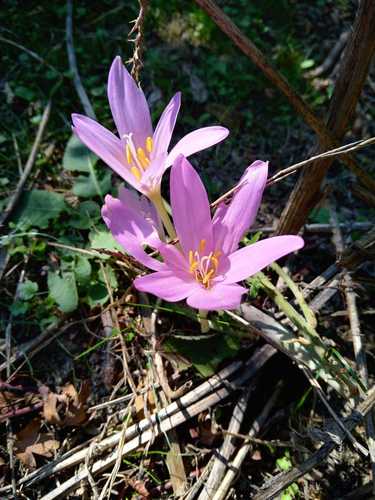
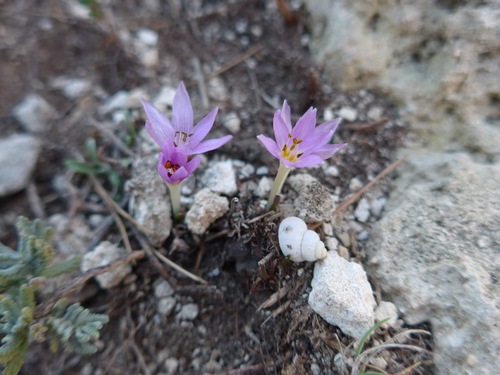
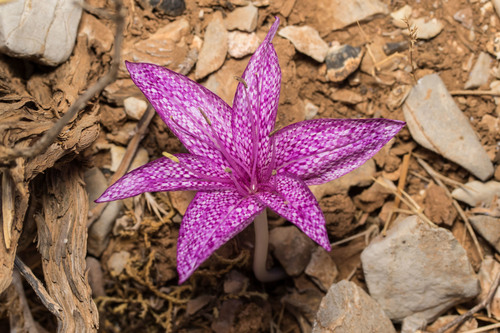
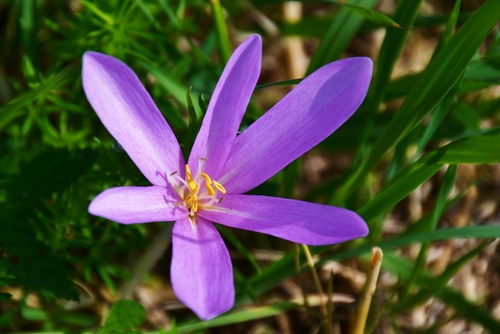
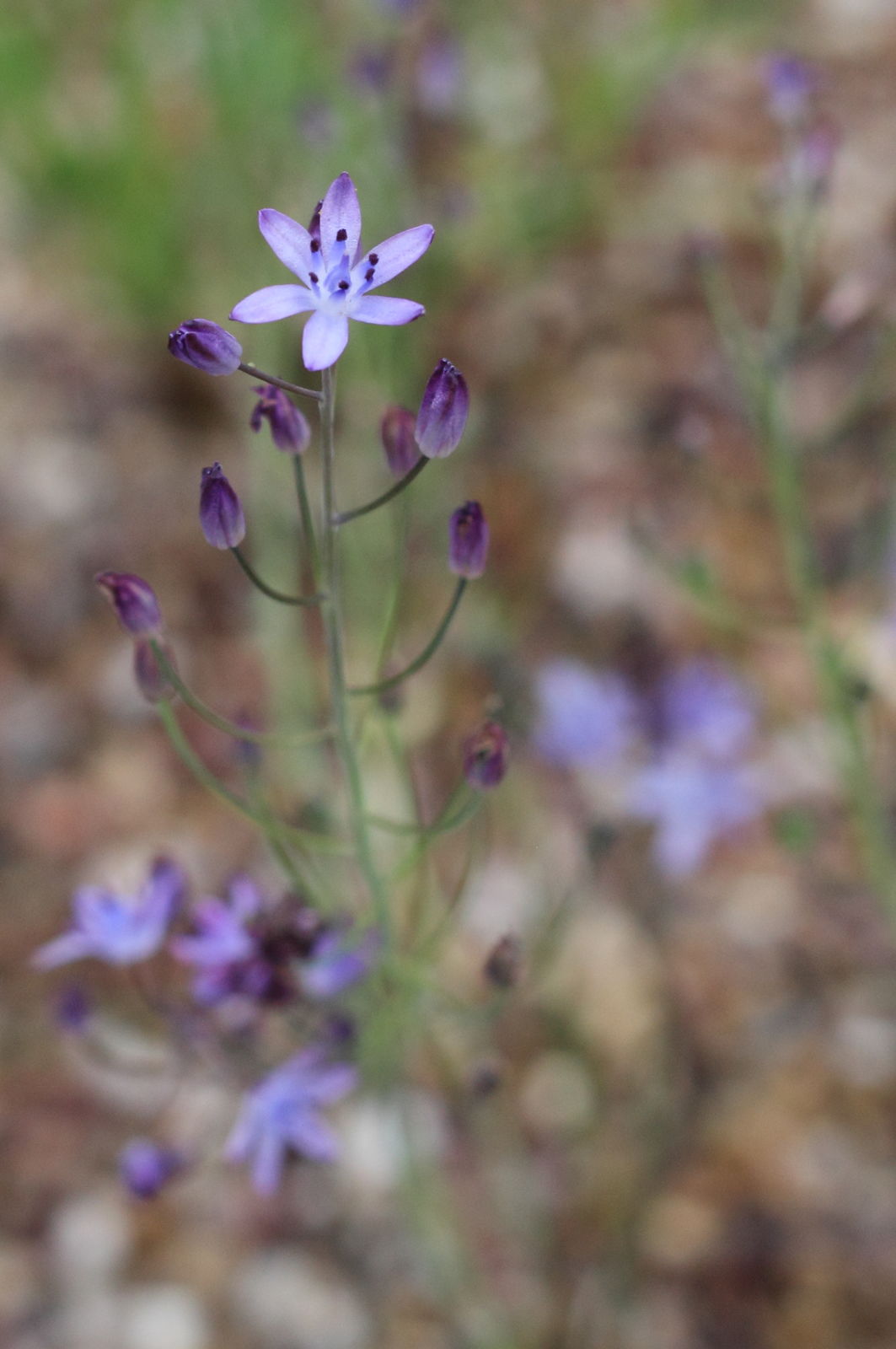
Autumn Crocus
prospero autumnale
Also known as: ["Meadow Saffron","Naked Lady"]
Overview
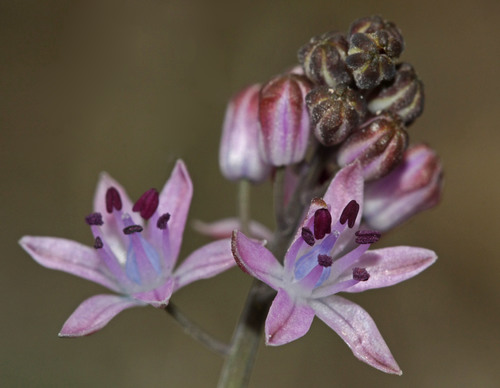
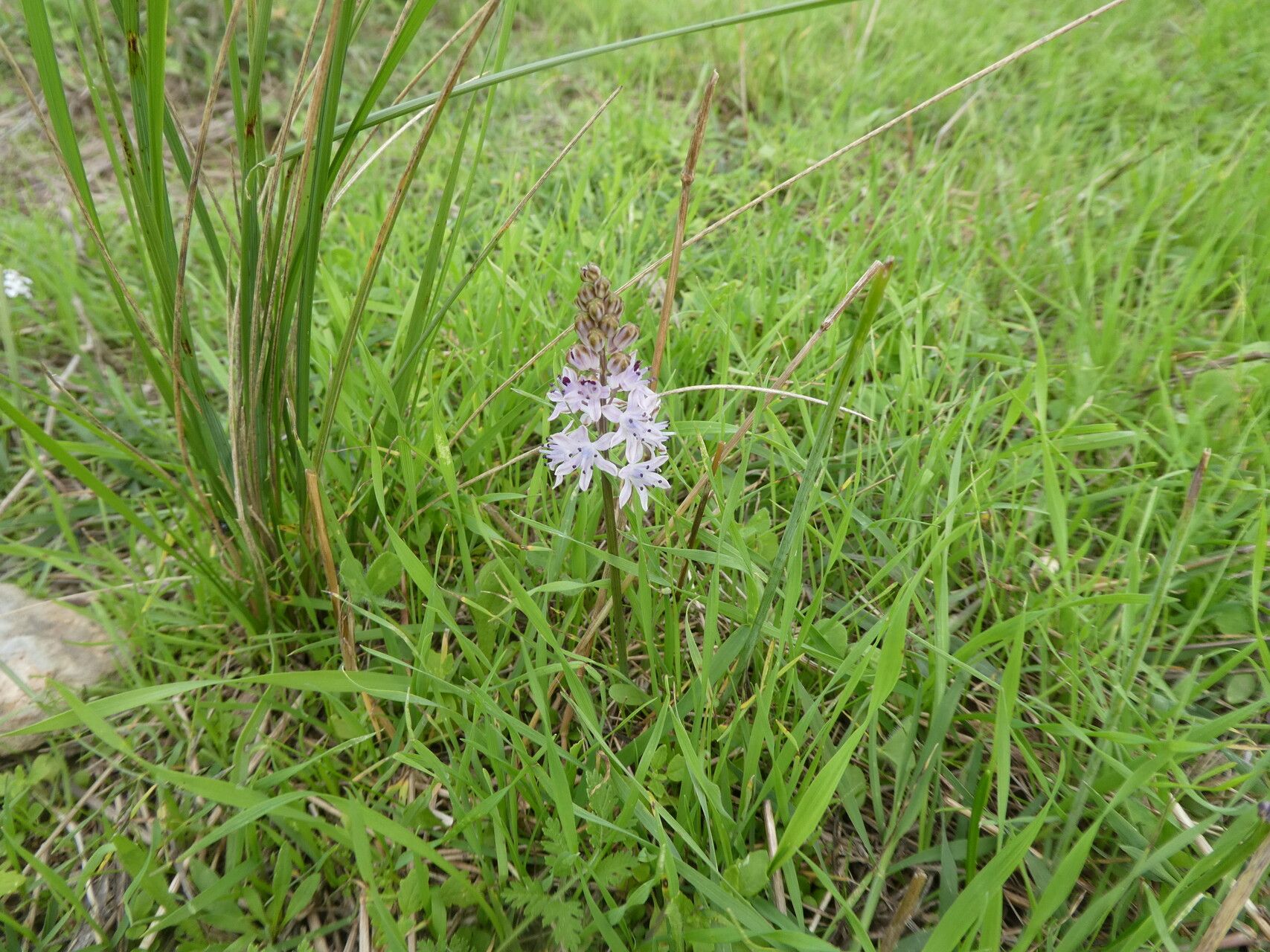
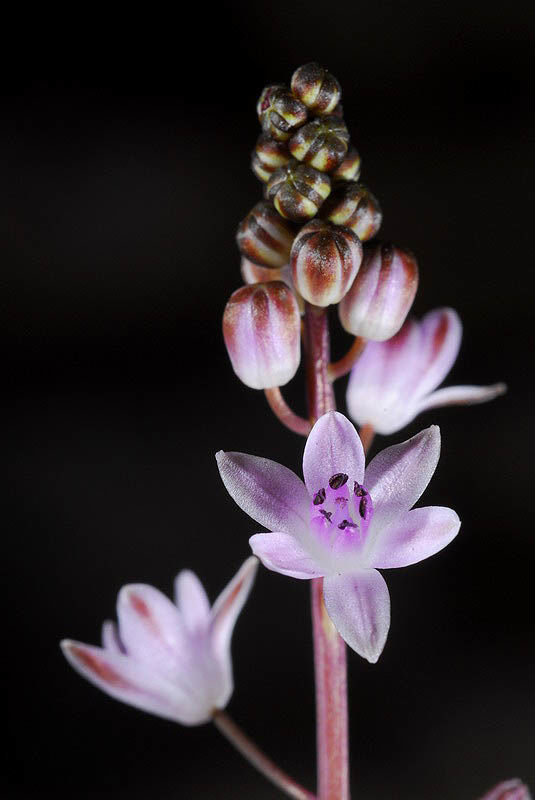
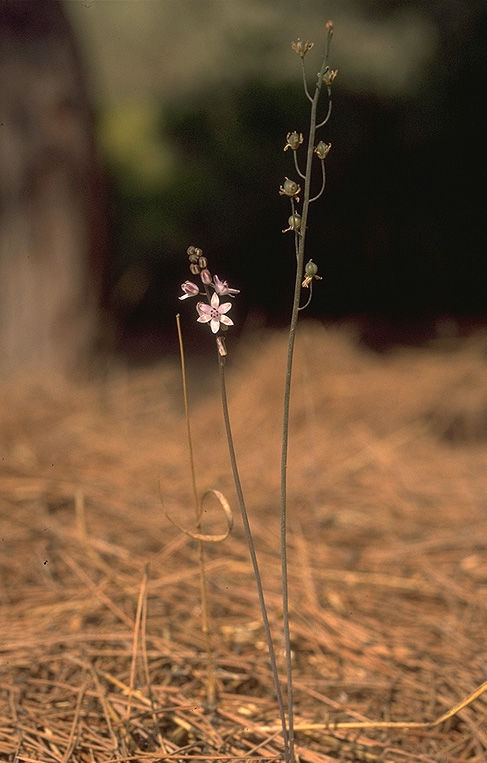
A perennial herbaceous plant with large, showy flowers that emerge in autumn, belonging to the family Colchicaceae.
Benefits & Perks
["aesthetic foliage","seasonal color change","wildlife attractant (bees, butterflies, birds)"]
Botanical Classification
| Phylum: | Magnoliophyta |
| Class: | Liliopsida |
| Order: | Liliales |
| Family: | Colchicaceae |
| Genus: | Prospero |
| Botanical Name: | Prospero autumnale |
Plant Characteristics
Basic Information
- Category: Flowers
- Suitable Location: shaded garden bed or container in a cool, moist environment
- Suitable For:
- Is Weed: No
- Allergenicity: low
Environmental Needs
- Climate: {"temperatureRange":"5–25°C"}
- Hardiness: {"zones":"7–10"}
- Misting: rarely required, only if ambient humidity is very low
- Drainage: Fast-draining to prevent waterlogging and bulb rot.
- Soil Type: Well-draining, gritty soil with added organic matter. A mix of loam, sand, and perlite or coarse grit works well.
Maintenance Level
- Maintenance Level: moderate
- Toughness Level: moderate
- Pruning Frequency: As needed, typically after flowering or when foliage begins to yellow and die back.
- Pruning Intensity: Light pruning only, removing individual leaves or stems as necessary.
Care Details
Ideal Sunlight Coverage:
Bright indirect light for 4–6 hours daily. Tolerates partial shade, especially in warmer months. Full sun can scorch leaves in summer.
Sunlight Tolerance Tips:
Acclimate gradually to brighter light to prevent scorching. In hot climates, provide afternoon shade. Indoors, place near an east or north window.
Care Requirements
Care Difficulty
moderatemoderate
Sunlight
partial shade to full shade
Rotate plant weekly for even growth; Use sheer curtains to filter intense sun; Avoid direct midday sun in summer
Watering
every 7–10 days during active growth, reduce in winter
1. Water deeply but infrequently to encourage deep root growth; 2. Ensure excellent drainage to prevent rot; 3. Adjust frequency based on season and growth stage.
Soil
well-drained, humus-rich soil
pH: Slightly acidic to neutral (pH 6.0–7.0).
Ensure pots have drainage holes; Use gritty amendments in heavy soils; Avoid waterlogged conditions
Temperature
Prefers cool conditions, ideal range 10–18°C (50–64°F). Tolerates mild frost but requires protection below 0°C (32°F). Warmer temperatures (above 24°C/75°F) may induce dormancy.
Monitor temperature fluctuations; Adjust watering with temperature changes; Protect from drafts and extreme heat/cold
Fertilizing
every 4–6 weeks during spring and summer
Fertilize only when actively growing; Dilute fertilizer to prevent burn; Stop feeding in autumn as growth slows.
Propagation
Methods
Seed propagation is the most common method. Division of mature clumps can also be attempted but is less reliable.
Step-by-Step Propagation Guide
- For seeds: Sow shallowly, keep moist, and provide warmth. For division: Carefully separate offsets, replant immediately, and water lightly.
Best Time: Spring, when the plant is emerging from dormancy and actively growing.
Environment
Warm (15–20°C/59–68°F), humid environment with bright indirect light. Protect from direct sun and strong winds.
Medium
Well-draining seed starting mix or a blend of peat and perlite. For division, use standard bulb/corm planting medium.
Hormone
Not necessary for seeds. For division, a rooting hormone is not typically required.
Timeline
Seeds may take 1–3 years to germinate and establish. Division can produce flowering plants in 1–2 years if done correctly.
Tools Needed
Seed trays, well-draining mix, watering can, sharp knife (for division), labels.
Quick Tips
Sow seeds in autumn for natural cold stratification; Label seed trays to track varieties; Water divisions sparingly until established.
Pruning & Repotting
Pruning Guide
Method
Snip dead or yellowing leaves at the base with clean, sharp scissors or pruners. Avoid cutting into healthy tissue.
Pruning Plan
Minimal pruning required. Focus on removing dead or damaged foliage to maintain appearance and prevent disease.
Tools
Clean, sharp scissors or small handheld pruners.
Checklist
Use clean tools; Cut dead/damaged foliage only; Dispose of clippings; Avoid over-pruning
Repotting Guide
Best Season
Early spring, just before active growth begins.
Pot Size
Increase pot size by 2–5 cm (1–2 inches) in diameter, ensuring it is not excessively larger than the previous pot.
Method
Carefully remove the bulb, gently tease apart any tangled roots, place in a slightly larger pot with fresh, well-draining soil, and water lightly.
Suggestions
Repot only when the bulb becomes pot-bound or every 2–3 years to refresh the soil. Overpotting can lead to rot.
Checklist
Choose appropriate pot size; Use fresh, well-draining soil; Handle bulb gently; Water lightly after repotting; Place in appropriate light
Advanced Care Tips
Watering Mastery
Watering Checklist
Check soil moisture before watering; Water at the base; Ensure drainage; Adjust for season; Avoid wet foliage
How to Apply Water Properly
Water directly at the base of the plant, soaking the root zone thoroughly until water drains from the bottom. Avoid wetting foliage, especially during cool periods. Water in the morning to allow foliage to dry before nightfall.
Watering Schedule Tips
Water sparingly during dormancy (autumn/winter), allowing soil to dry completely between waterings. Increase frequency in spring/summer as growth resumes, keeping soil lightly moist but not waterlogged.
Soil Improvement
Add coarse sand, perlite, or grit to improve drainage. Incorporate compost or well-rotted manure to enhance fertility and structure.
Temperature Stress Management
Signs of Temperature Issues
Chlorosis or browning of leaves in excessive heat; Stunted growth or failure to flower in overly cold conditions; Bud drop or wilting in temperature stress.
Cold Stress
Prolonged cold can slow metabolic processes, inhibit flowering, and increase susceptibility to rot, especially if soil remains moist.
Solution: Provide winter protection with mulch; Ensure soil is dry before cold spells; Move potted plants to a sheltered location or greenhouse if temperatures drop below 5°C (41°F).
Hot Stress
Excessive heat can cause leaf scorch, premature dormancy, and dehydration, even if watered adequately due to increased transpiration.
Solution: Provide shade during peak heat; Increase humidity with misting or a pebble tray; Water more frequently but ensure soil does not stay wet.
Fertilizing Guide
Fertilizing Checklist
Use balanced fertilizer; Dilute properly; Apply during growing season; Avoid dormant period; Rinse tools after use
Fertilizing Method
Use a balanced, water-soluble fertilizer diluted to half strength every 4–6 weeks during active growth (spring/summer). Avoid fertilizing during dormancy.
Common Problems & Solutions
Toxicity Warning
Cats
ToxicProspero autumnale is toxic to cats, with the bulb and flowers posing the greatest risk. Ingestion can result in severe gastrointestinal upset and other systemic effects.
⚠️ Symptoms:
🌿 Toxic Parts:
⚡ Toxic If:
if eaten
Dogs
ToxicThe bulb and flowers of Prospero autumnale are toxic to dogs, causing severe gastrointestinal and systemic effects. Ingestion can lead to significant discomfort and potential poisoning.
⚠️ Symptoms:
🌿 Toxic Parts:
⚡ Toxic If:
if eaten
Humans
ToxicProspero autumnale contains toxic compounds that can cause significant physiological distress upon ingestion. The bulb and flowers are particularly hazardous, leading to gastrointestinal and neurological effects.
⚠️ Symptoms:
🌿 Toxic Parts:
⚡ Toxic If:
if eaten
Frequently Asked Questions
Q: Is Prospero autumnale toxic to pets?
A: Yes, it is highly toxic to both dogs and cats.
Q: When does Prospero autumnale bloom?
A: It blooms in autumn, typically from September to November.
Q: Does Prospero autumnale require special care?
A: It requires moderate care, including well-drained soil and partial shade.
Quick Reference
| Family: | Colchicaceae |
| Care: | moderate |
| Light: | partial shade to full shade |
| Water: | every 7–10 days during activ |
Get Expert Care Tips
Download the Plantious app for personalized care reminders and plant identification!
Google Play App Store