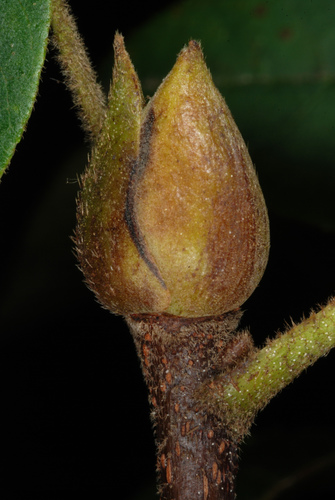
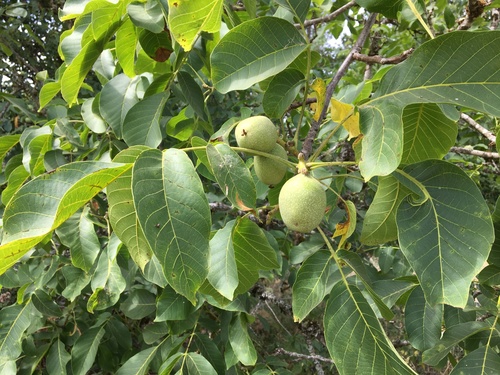
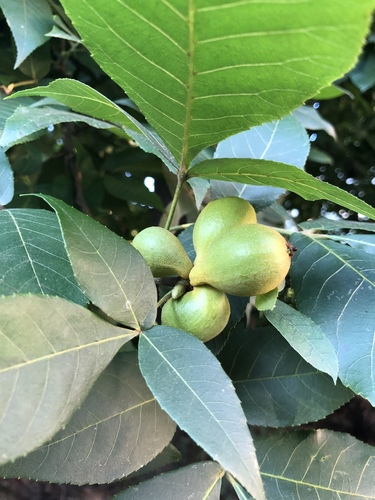
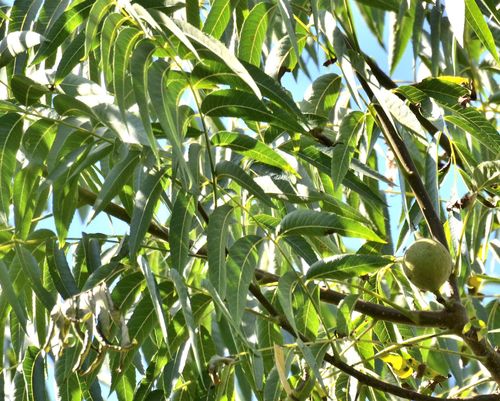
Pecan
carya illinoinensis
Also known as: ["Illinois nut","Hickory nut"]
Overview
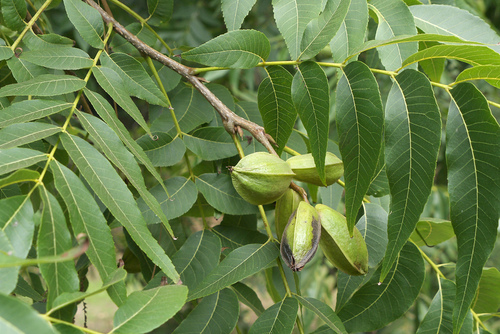
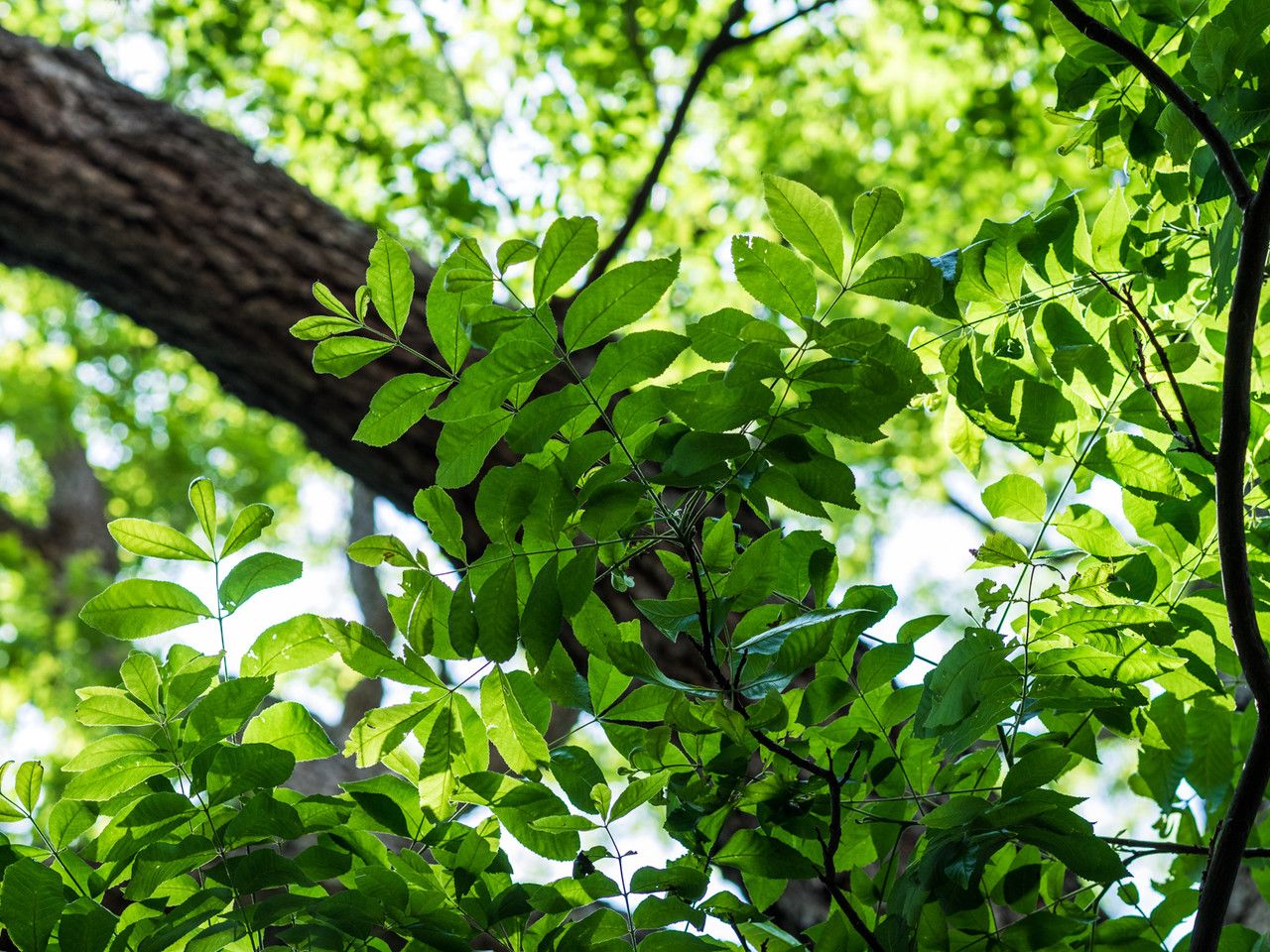
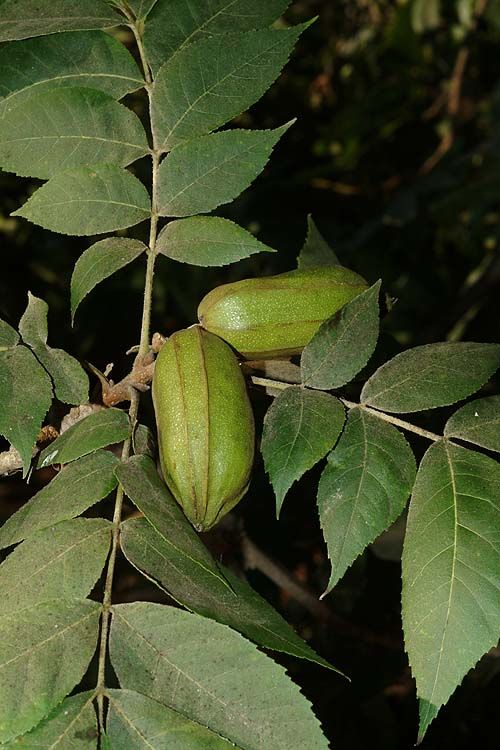
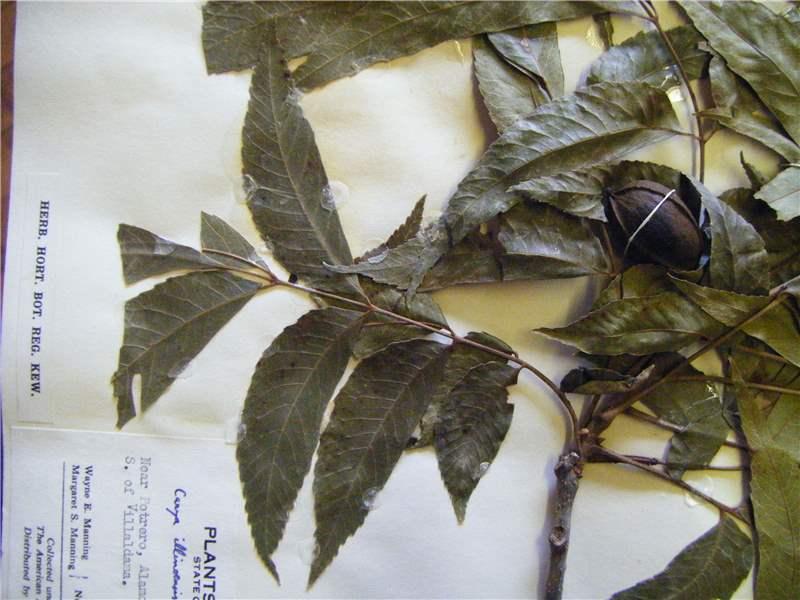
A large deciduous tree native to North America, known for its edible nuts and valuable hardwood.
Benefits & Perks
["edible fruits","wildlife attractant (bees, butterflies, birds)","shade tolerant"]
Botanical Classification
| Phylum: | Magnoliophyta |
| Class: | Magnoliopsida |
| Order: | Fagales |
| Family: | Juglandaceae |
| Genus: | Carya |
| Botanical Name: | Carya illinoinensis |
Plant Characteristics
Basic Information
- Category: Trees
- Suitable Location: outdoor garden in a spacious area with good air circulation
- Suitable For:
- Is Weed: No
- Allergenicity: low
Environmental Needs
- Climate: {"temperatureRange":"–12–43°C"}
- Hardiness: {"zones":"5–9"}
- Misting: rarely required
- Drainage: Fast-draining to prevent root rot.
- Soil Type: Deep, loamy, well-draining soil with organic matter.
Maintenance Level
- Maintenance Level: moderate
- Toughness Level: high
- Pruning Frequency: Annually in late winter before bud break; light pruning as needed during growing season.
- Pruning Intensity: Moderate for young trees; light maintenance for mature trees.
Care Details
Ideal Sunlight Coverage:
Full sun (6–8 hours of direct sunlight daily). Adjust in extreme heat by providing partial afternoon shade.
Sunlight Tolerance Tips:
Acclimate young trees gradually to full sun; protect from intense midday sun in hot climates; ensure outdoor placement in open, sunny areas.
Care Requirements
Care Difficulty
moderatemoderate
Sunlight
full sun
Avoid sudden light changes; use shade cloth in extreme heat; rotate container plants for even exposure.
Watering
every 7–14 days, depending on soil moisture and climate
Water thoroughly until runoff, allow soil to dry partially between waterings, and avoid overhead watering to prevent fungal issues.
Soil
deep, well-drained loamy soil
pH: Slightly acidic to neutral (6.0–7.5).
Avoid heavy clay; ensure deep soil for root development; mulch to retain moisture.
Temperature
Ideal range 70–95°F (21–35°C). Tolerates mild frosts but thrives in warm, subtropical climates.
Protect from frost; water adequately in heat; adjust care based on seasonal extremes.
Fertilizing
annually in early spring with a balanced fertilizer
Test soil before fertilizing; apply evenly around the drip line; avoid contact with roots.
Propagation
Methods
Seed or grafting. Grafting is preferred for consistent cultivar traits.
Step-by-Step Propagation Guide
- Seeds: scarify, soak, plant shallowly.
- Grafting: prepare scion and rootstock, align vascular tissues, secure with grafting tape.
Best Time: Spring for seeds; late winter/early spring for grafting.
Environment
Warm (75–85°F), humid (60–70%), partial shade for seeds; stable conditions for grafting.
Medium
Well-draining seed starting mix for seeds; grafting onto rootstock for vegetative propagation.
Hormone
Not required for seeds; rooting hormone may aid grafting success.
Timeline
Seeds: 3–6 months to germinate; grafting: immediate establishment if successful.
Tools Needed
Pruning shears, grafting knife, rooting hormone (optional), plastic wrap, grafting tape.
Quick Tips
Use fresh seeds; ensure graft union is tight; protect young seedlings from pests.
Pruning & Repotting
Pruning Guide
Method
Thinning cuts to remove entire branches; heading cuts to reduce length; scaffold selection for young trees.
Pruning Plan
Shape young trees for strong structure; remove dead/diseased wood annually; thin overcrowded branches to improve airflow.
Tools
Pruning shears, loppers, saw, pruning pole (for tall trees), disinfectant.
Checklist
Disinfect tools; prune during dormancy; remove crossing branches; avoid over-pruning.
Repotting Guide
Best Season
Early spring before active growth begins.
Pot Size
Increase pot size by 2–3 inches in diameter; ensure depth matches root spread.
Method
Remove soil gently, prune roots if necessary, use fresh well-draining soil, ensure proper drainage.
Suggestions
Not typically repotted; container-grown trees may need repotting every 3–5 years if root-bound.
Checklist
Check root boundness; use fresh soil; ensure drainage; water thoroughly after repotting.
Advanced Care Tips
Watering Mastery
Watering Checklist
Check soil moisture before watering; water deeply; ensure drainage; adjust for season.
How to Apply Water Properly
Water directly at the root zone, ensuring even saturation to a depth of 12–18 inches. Ensure excess water drains away to prevent waterlogging, and water early in the morning to minimize evaporation.
Watering Schedule Tips
Water deeply once every 7–14 days during active growth, reducing frequency to once monthly in winter. Adjust based on soil moisture and weather conditions.
Soil Improvement
Add compost or aged manure for fertility; incorporate perlite or sand for drainage.
Temperature Stress Management
Signs of Temperature Issues
Chlorosis or leaf drop in cold stress; scorching or wilting in excessive heat.
Cold Stress
Low temperatures slow growth, cause leaf drop, and may lead to bud damage or dieback in severe cases.
Solution: Provide frost protection (e.g., frost cloth) in winter; plant in sheltered locations; avoid overwatering during cold periods.
Hot Stress
Excessive heat can cause leaf scorch, reduced fruit set, and increased water demand.
Solution: Provide afternoon shade; increase watering frequency; mulch to retain soil moisture.
Fertilizing Guide
Fertilizing Checklist
Check soil pH; follow label instructions; water after fertilizing; avoid over-fertilization.
Fertilizing Method
Use balanced slow-release fertilizer (10-10-10) in early spring; avoid high-nitrogen formulas. Reduce or stop fertilizing in late summer/autumn.
Common Problems & Solutions
Toxicity Warning
Cats
Non-toxicCarya illinoinensis is not considered toxic to cats. The nuts are not harmful, but excessive consumption may lead to digestive problems.
⚠️ Symptoms:
⚡ Toxic If:
Generally non-toxic
Dogs
Non-toxicThe pecan tree and its nuts are not considered toxic to dogs. However, ingestion of large quantities of nuts may cause gastrointestinal upset due to high fat content.
⚠️ Symptoms:
⚡ Toxic If:
Generally non-toxic
Humans
Non-toxicCarya illinoinensis, commonly known as the pecan tree, produces edible nuts that are a staple in human diets. The plant is not considered toxic to humans under normal circumstances.
⚡ Toxic If:
Generally non-toxic
Frequently Asked Questions
Q: How long does it take for a pecan tree to produce nuts?
A: Pecan trees typically begin to produce nuts after 5-10 years, with full production achieved around 20-25 years.
Q: What are the ideal growing conditions for pecan trees?
A: Pecan trees thrive in full sun, well-drained soil, and a climate with hot summers and mild winters.
Q: Are pecan trees susceptible to pests?
A: Yes, pecan trees can be affected by pests such as pecan weevils, aphids, and scab disease, requiring regular monitoring and management.
Quick Reference

| Family: | Juglandaceae |
| Care: | moderate |
| Light: | full sun |
| Water: | every 7–14 days, depending o |
Get Expert Care Tips
Download the Plantious app for personalized care reminders and plant identification!
Google Play App Store