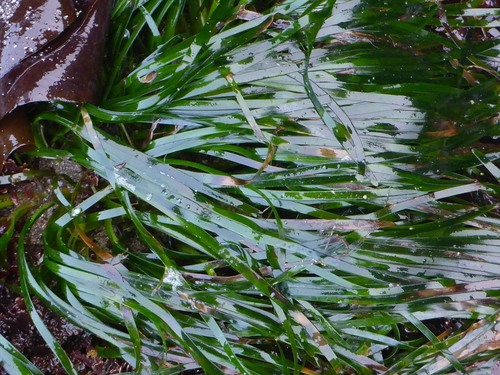
Eelgrass
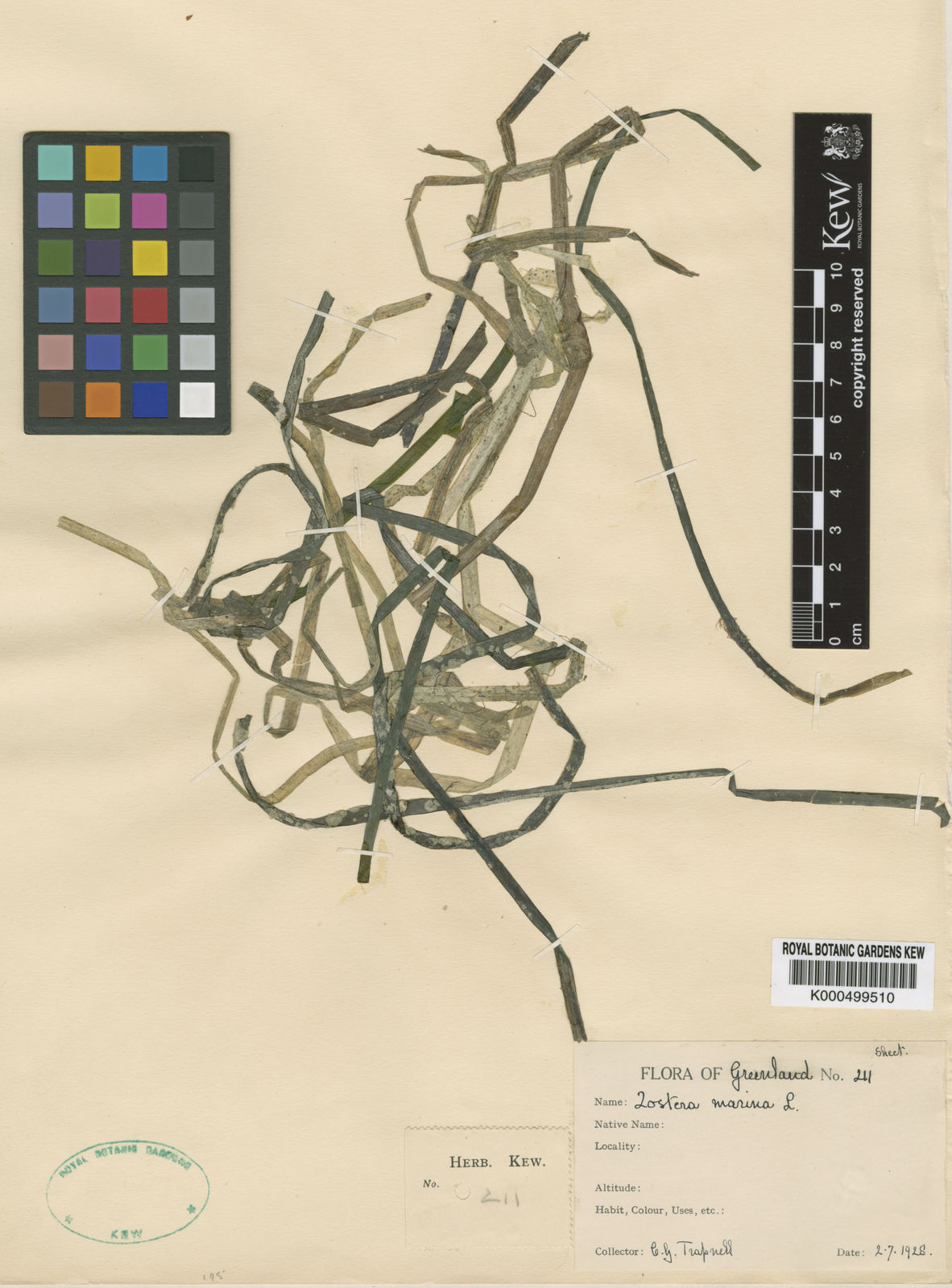
zostera marina
Also known as: ["Marine eelgrass","Common eelgrass"]
Overview
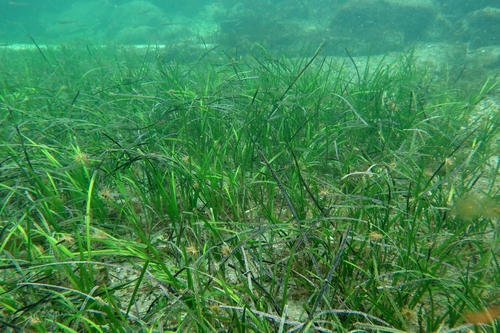
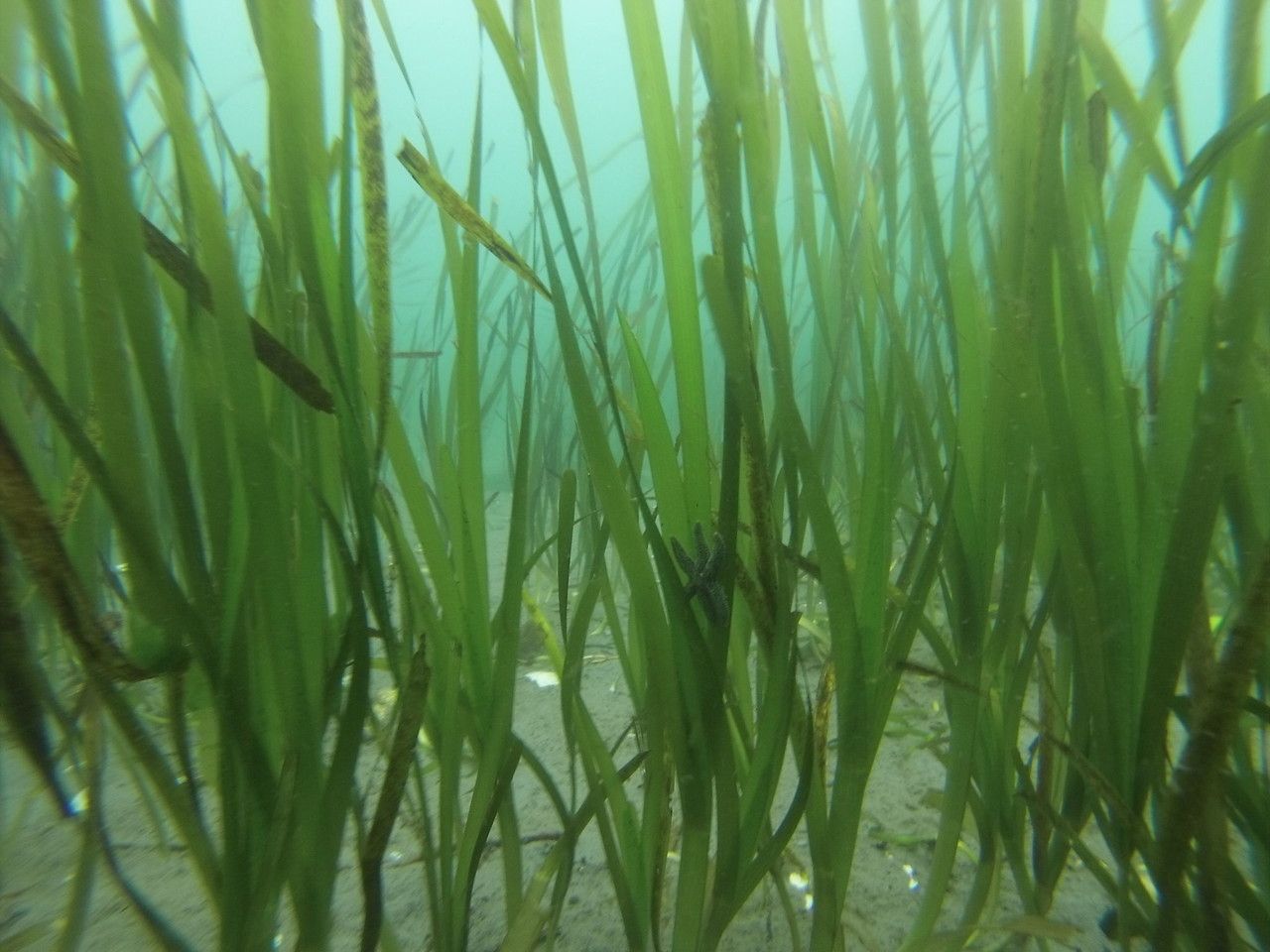
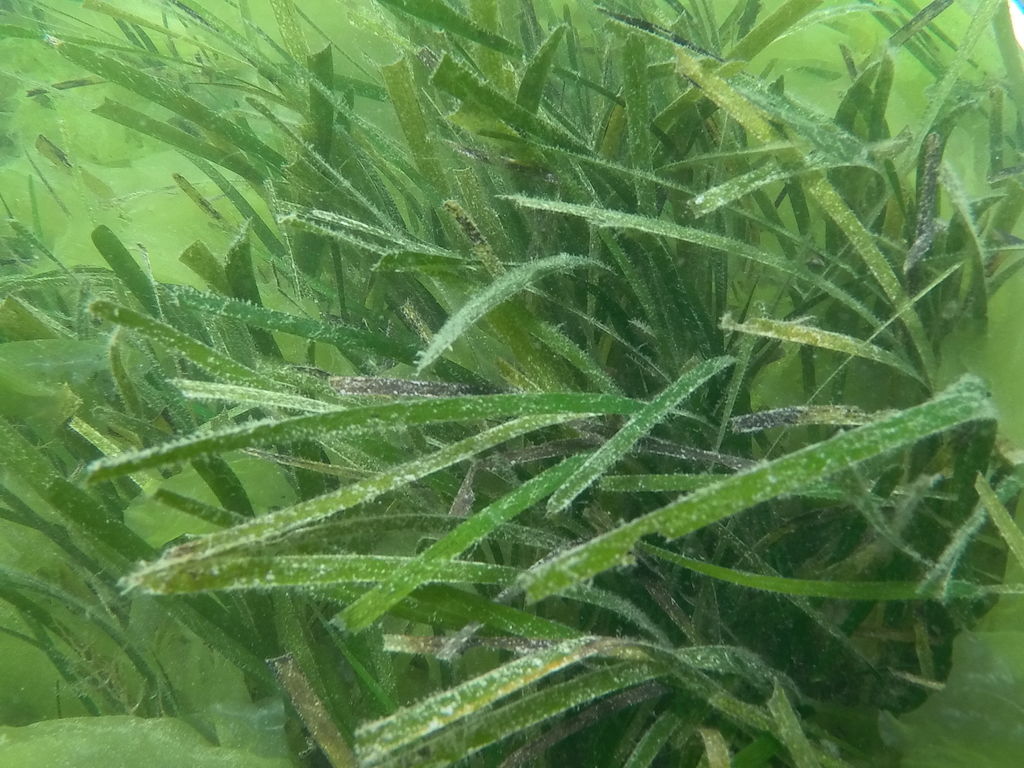
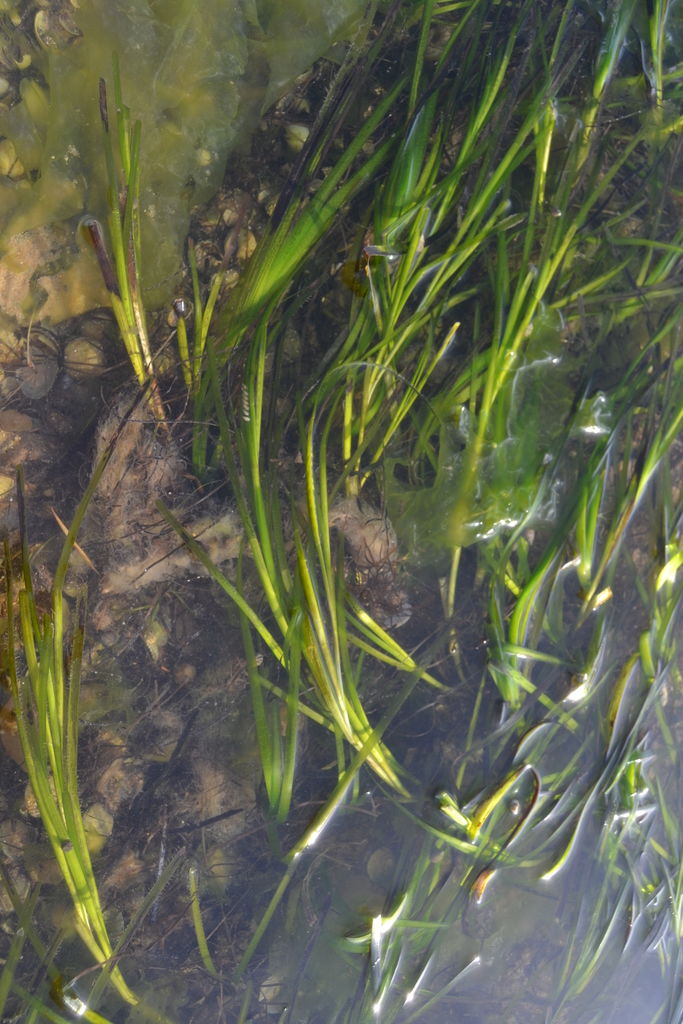
A submerged marine flowering plant found in coastal waters of the Atlantic and Pacific Oceans, playing a vital role in marine ecosystems.
Benefits & Perks
["wildlife attractant (bees, butterflies, birds)","disease resistant","cold hardy","shade tolerant"]
Botanical Classification
| Phylum: | Magnoliophyta |
| Class: | Liliopsida |
| Order: | Alismatales |
| Family: | Zosteraceae |
| Genus: | Zostera |
| Botanical Name: | Zostera marina |
Plant Characteristics
Basic Information
- Category: Flowers
- Suitable Location: subtidal marine environments, coastal lagoons, or sheltered bays
- Suitable For:
- Is Weed: No
- Allergenicity: low
Environmental Needs
- Climate: {"temperatureRange":"2–20°C"}
- Hardiness: {"zones":"5–9"}
- Misting: N/A (natural aquatic habitat provides sufficient moisture)
- Drainage: Not applicable; submerged in water
- Soil Type: Natural marine or brackish sediment with a mix of sand, silt, and organic matter.
Maintenance Level
- Maintenance Level: very high
- Toughness Level: very high
- Pruning Frequency: Not applicable; natural processes manage plant structure.
- Pruning Intensity: Not applicable
Care Details
Ideal Sunlight Coverage:
Bright, clear water allowing 6–8 hours of sunlight penetration per day; light intensity should be sufficient for photosynthesis in aquatic environments.
Sunlight Tolerance Tips:
Acclimate to changes in water clarity gradually; avoid excessive turbidity or shading from aquatic debris; ensure placement in areas with adequate light penetration.
Care Requirements
Care Difficulty
expert onlychallenging
Sunlight
full sun (submerged in clear, shallow waters)
Use clear water to maximize light penetration; avoid dense aquatic plant overgrowth; ensure water depth allows sufficient light reach.
Watering
N/A (fully submerged in marine environments)
Ensure the plant remains fully submerged in its natural aquatic environment; maintain water quality and salinity levels appropriate for seagrass habitats.
Soil
N/A (grows in soft, sandy or muddy marine substrates)
pH: Adaptable to a range of pH levels typical of marine environments (around 7.5–8.5).
Monitor sediment health; maintain water clarity; avoid eutrophication.
Temperature
Prefers cool to temperate waters, typically 10–20°C (50–68°F); tolerates seasonal fluctuations but thrives in stable, cooler conditions.
Monitor water temperature; maintain stable conditions; protect from extreme heat or cold.
Fertilizing
N/A (absorbs nutrients directly from water)
Avoid artificial fertilizers in natural settings; focus on maintaining healthy water quality and sediment nutrients.
Propagation
Methods
Vegetative propagation through rhizome extension and fragmentation; sexual reproduction via seed dispersal is less common.
Step-by-Step Propagation Guide
- Ensure healthy parent plants.
- Allow rhizomes to extend naturally.
- Monitor for fragmentation and dispersal.
Best Time: Spring or early summer when water temperatures are rising and growth is active.
Environment
Stable water conditions with moderate flow, adequate light, and nutrient-rich sediment.
Medium
Natural marine or brackish sediment with adequate nutrients and stability.
Hormone
Not typically required for natural propagation.
Timeline
Rhizome extension can occur within weeks under favorable conditions; seed germination may take several weeks to months.
Tools Needed
Dredging or transplanting equipment (if necessary); water quality monitoring tools.
Quick Tips
Maintain stable water conditions; avoid disturbance of established rhizomes; monitor for natural fragmentation.
Pruning & Repotting
Pruning Guide
Method
Not applicable
Pruning Plan
Zostera marina does not require traditional pruning. Natural senescence and turnover of leaves occur seasonally.
Tools
Not applicable
Checklist
Not applicable
Repotting Guide
Best Season
Not applicable
Pot Size
Not applicable
Method
Not applicable
Suggestions
Zostera marina does not require repotting as it is a submerged aquatic plant with rhizome-based growth.
Checklist
Not applicable
Advanced Care Tips
Watering Mastery
Watering Checklist
Check water salinity; ensure full submersion; monitor water flow and clarity
How to Apply Water Properly
Zostera marina does not need manual watering. It thrives when fully submerged in water with adequate flow, light penetration, and nutrient levels.
Watering Schedule Tips
Zostera marina is a submerged aquatic plant and does not require a traditional watering schedule. It is naturally adapted to live fully submerged in marine or brackish water environments.
Soil Improvement
Maintain sediment stability and nutrient balance; avoid excessive sediment disturbance or pollution.
Temperature Stress Management
Signs of Temperature Issues
Browning or wilting of leaves; reduced growth or dieback; reproductive failure.
Cold Stress
Prolonged exposure to temperatures below 5°C (41°F) can cause metabolic slowdown and tissue damage.
Solution: Ensure water temperatures remain above 5°C; protect from extreme cold events in shallow or exposed areas.
Hot Stress
Excessive heat (above 25°C or 77°F) can lead to heat stress, reduced photosynthesis, and leaf necrosis.
Solution: Maintain cooler water temperatures through shading or increased water flow; avoid stagnant, warm water conditions.
Fertilizing Guide
Fertilizing Checklist
Assess natural nutrient levels; avoid over-enrichment; monitor water quality.
Fertilizing Method
Zostera marina typically relies on nutrient uptake from the surrounding water and sediment; supplemental fertilization is generally unnecessary in natural habitats.
Common Problems & Solutions
Toxicity Warning
Cats
Non-toxicZostera marina is not toxic to cats. The plant lacks any known toxic compounds that would pose a risk to feline health.
⚡ Toxic If:
if eaten
Dogs
Non-toxicZostera marina is not toxic to dogs. The plant does not contain any known substances that would cause adverse effects in canines.
⚡ Toxic If:
if eaten
Humans
Non-toxicZostera marina, commonly known as eelgrass, is not considered toxic to humans. It is primarily an aquatic plant that plays a crucial role in marine ecosystems but does not produce any known toxic compounds harmful to human health.
⚡ Toxic If:
if eaten
Frequently Asked Questions
Q: Is Zostera marina suitable for aquariums?
A: Yes, it is commonly used in marine aquariums to replicate natural habitats.
Q: Does eelgrass produce flowers?
A: Yes, it is a flowering plant, though its flowers are small and inconspicuous.
Q: What ecological role does eelgrass play?
A: It provides habitat for marine life, stabilizes sediments, and contributes to carbon sequestration.
Quick Reference
| Family: | Zosteraceae |
| Care: | expert only |
| Light: | full sun (submerged in clear, |
| Water: | N/A (fully submerged in marine |
Get Expert Care Tips
Download the Plantious app for personalized care reminders and plant identification!
Google Play App StoreRelated Plants