Water Hemlock
cicuta virosa
Also known as: ["Cowbane","Beaver Poison"]
Overview
A highly toxic perennial herbaceous plant native to wetland areas in the Northern Hemisphere.
Benefits & Perks
["wildlife attractant (bees, butterflies, birds)"]
Botanical Classification
| Phylum: | Magnoliophyta |
| Class: | Magnoliopsida |
| Order: | Apiales |
| Family: | Apiaceae |
| Genus: | Cicuta |
| Botanical Name: | Cicuta virosa |
Plant Characteristics
Basic Information
- Category: Herbs & Weeds
- Suitable Location: moist, shaded areas near water bodies or in shaded garden beds
- Suitable For:
- Is Weed: No
- Allergenicity: unknown
Environmental Needs
- Climate: {"temperatureRange":"0–30°C"}
- Hardiness: {"zones":"3–7"}
- Misting: rarely required, only if ambient humidity is very low
- Drainage: Well-draining but moisture-retentive.
- Soil Type: Rich, moist, loamy soil with good organic matter content.
Maintenance Level
- Maintenance Level: very high
- Toughness Level: very low
- Pruning Frequency: As needed, typically after flowering or in late winter.
- Pruning Intensity: Light to moderate; remove only dead or diseased parts.
Care Details
Ideal Sunlight Coverage:
Partial shade to full shade; avoid direct sunlight; 4–6 hours of indirect light per day.
Sunlight Tolerance Tips:
Acclimate slowly if moving from low to higher light; protect from intense midday sun; ideal for shaded garden beds or under taller plants.
Care Requirements
Care Difficulty
expert onlymoderate
Sunlight
partial shade to full shade
Avoid direct sun; provide dappled light; monitor for leaf scorch.
Watering
every 7–10 days, allowing soil to dry slightly between waterings
Water thoroughly until it drains from the bottom; ensure soil never dries out completely; avoid waterlogging.
Soil
moist, rich, loamy soil with good organic content
pH: Slightly acidic to neutral, pH 6.0–7.0.
Keep soil consistently moist; avoid compacted soil; enrich with organic matter annually.
Temperature
Cool to moderate temperatures, 50–70°F (10–21°C); tolerates cooler conditions but not frost.
Keep away from drafts; maintain consistent temperatures; avoid sudden temperature swings.
Fertilizing
every 4–6 weeks during active growth with a balanced liquid fertilizer
Fertilize only when actively growing; flush soil occasionally to prevent salt buildup; use organic options for gentle feeding.
Propagation
Methods
Division or root cuttings.
Step-by-Step Propagation Guide
- Divide clumps carefully.
- Cut healthy roots into 2–3 inch sections.
- Plant horizontally in prepared medium.
- Keep moist.
Best Time: Early spring or fall when the plant is not in active flowering.
Environment
High humidity, partial shade, and consistent moisture.
Medium
Moist, loamy soil with added perlite for aeration.
Hormone
Not necessary for root cuttings; division requires no hormone.
Timeline
Roots develop in 4–6 weeks; new growth appears in 2–3 months.
Tools Needed
Sharp knife, gloves, rooting medium, pots.
Quick Tips
Work quickly to prevent root drying; ensure each division has buds or growth points; maintain consistent moisture.
Pruning & Repotting
Pruning Guide
Method
Snip off damaged leaves or stems at the base; thin overcrowded growth if necessary.
Pruning Plan
Minimal pruning needed; focus on removing dead or damaged foliage to maintain vigor.
Tools
Pruning shears, gloves.
Checklist
Disinfect tools; prune during dry conditions; remove only necessary parts.
Repotting Guide
Best Season
Early spring before active growth begins.
Pot Size
One size larger pot; ensure it has drainage holes.
Method
Gently remove plant; trim any circling roots; place in a new pot with fresh soil; water thoroughly.
Suggestions
Repot every 2–3 years or when roots fill the container; beneficial for root health and growth.
Checklist
Check root health; use fresh soil mix; ensure proper drainage; water after repotting.
Advanced Care Tips
Watering Mastery
Watering Checklist
Check soil moisture daily; water when top inch feels dry; ensure pot has drainage holes.
How to Apply Water Properly
Water directly at the soil level, ensuring even moisture distribution; allow excess water to drain freely; water in the morning to reduce fungal risk.
Watering Schedule Tips
Keep soil consistently moist, especially during active growth; reduce watering slightly in winter dormancy.
Soil Improvement
Add compost or peat moss for moisture retention; incorporate perlite for aeration; ensure consistent moisture.
Temperature Stress Management
Signs of Temperature Issues
Wilting, yellowing leaves, stunted growth, or browning leaf edges.
Cold Stress
Growth slows or halts; leaves may turn yellow or brown; risk of root damage in freezing conditions.
Solution: Provide winter protection; move potted plants indoors; insulate roots with mulch.
Hot Stress
Leaf scorch, wilting, reduced vigor, or premature flowering.
Solution: Provide shade during peak heat; increase humidity; water more frequently but avoid waterlogging.
Fertilizing Guide
Fertilizing Checklist
Check growth phase; dilute fertilizer correctly; apply to moist soil; avoid contact with leaves.
Fertilizing Method
Use a balanced liquid fertilizer diluted to half strength; apply every 4–6 weeks during growing season; avoid fertilizing in winter.
Common Problems & Solutions
Toxicity Warning
Cats
Highly ToxicCats are equally vulnerable to the toxic effects of Cicuta virosa. The cicutoxin in the plant can induce severe neurological distress, leading to convulsions, seizures, and potentially fatal outcomes. Due to their curious nature, cats may be at risk if they encounter this plant.
⚠️ Symptoms:
🌿 Toxic Parts:
⚡ Toxic If:
if eaten
Dogs
Highly ToxicDogs are highly susceptible to the toxic effects of Cicuta virosa due to its cicutoxin content. Ingestion can cause rapid onset of neurological symptoms, including seizures and muscle tremors, which can be fatal if not treated immediately. The plant's toxicity poses a significant risk to canine health.
⚠️ Symptoms:
🌿 Toxic Parts:
⚡ Toxic If:
if eaten
Humans
Highly ToxicCicuta virosa, commonly known as water hemlock, is one of the most toxic plants in the Northern Hemisphere. It contains cicutoxin, a potent irritant that affects the central nervous system, leading to severe convulsions, seizures, and potentially fatal respiratory failure. The toxin is rapidly absorbed upon ingestion, making it extremely dangerous even in small quantities.
⚠️ Symptoms:
🌿 Toxic Parts:
⚡ Toxic If:
if eaten
Frequently Asked Questions
Q: Is Cicuta virosa safe to grow in a garden?
A: No, it is extremely toxic and should only be grown by experts in controlled environments.
Q: What are the symptoms of poisoning by Cicuta virosa?
A: Symptoms include violent convulsions, nausea, vomiting, and respiratory failure, often leading to death.
Q: How can I identify Cicuta virosa?
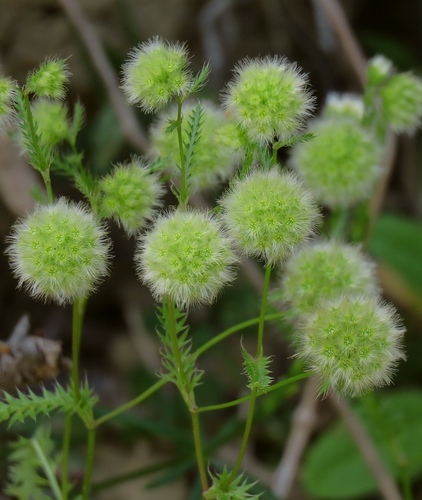
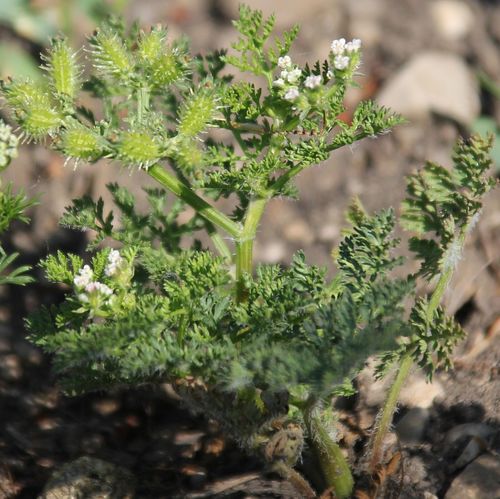
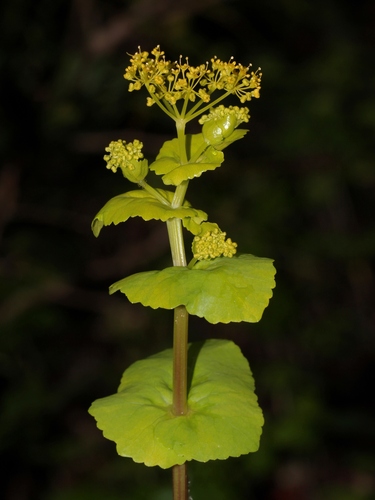
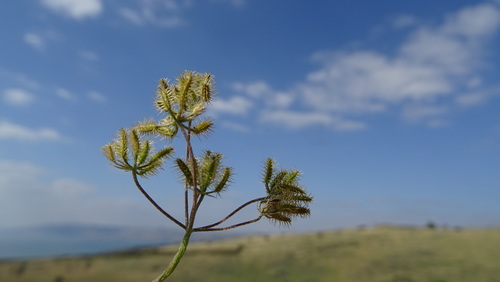
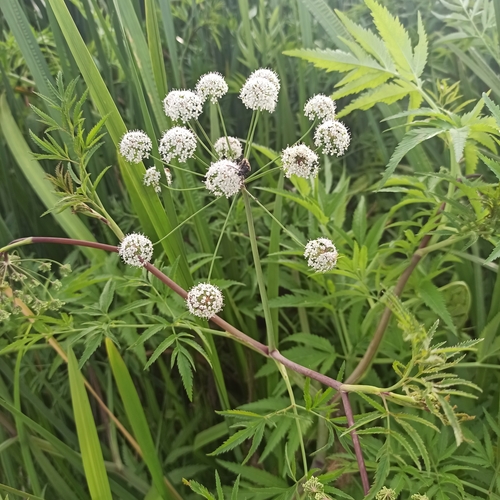
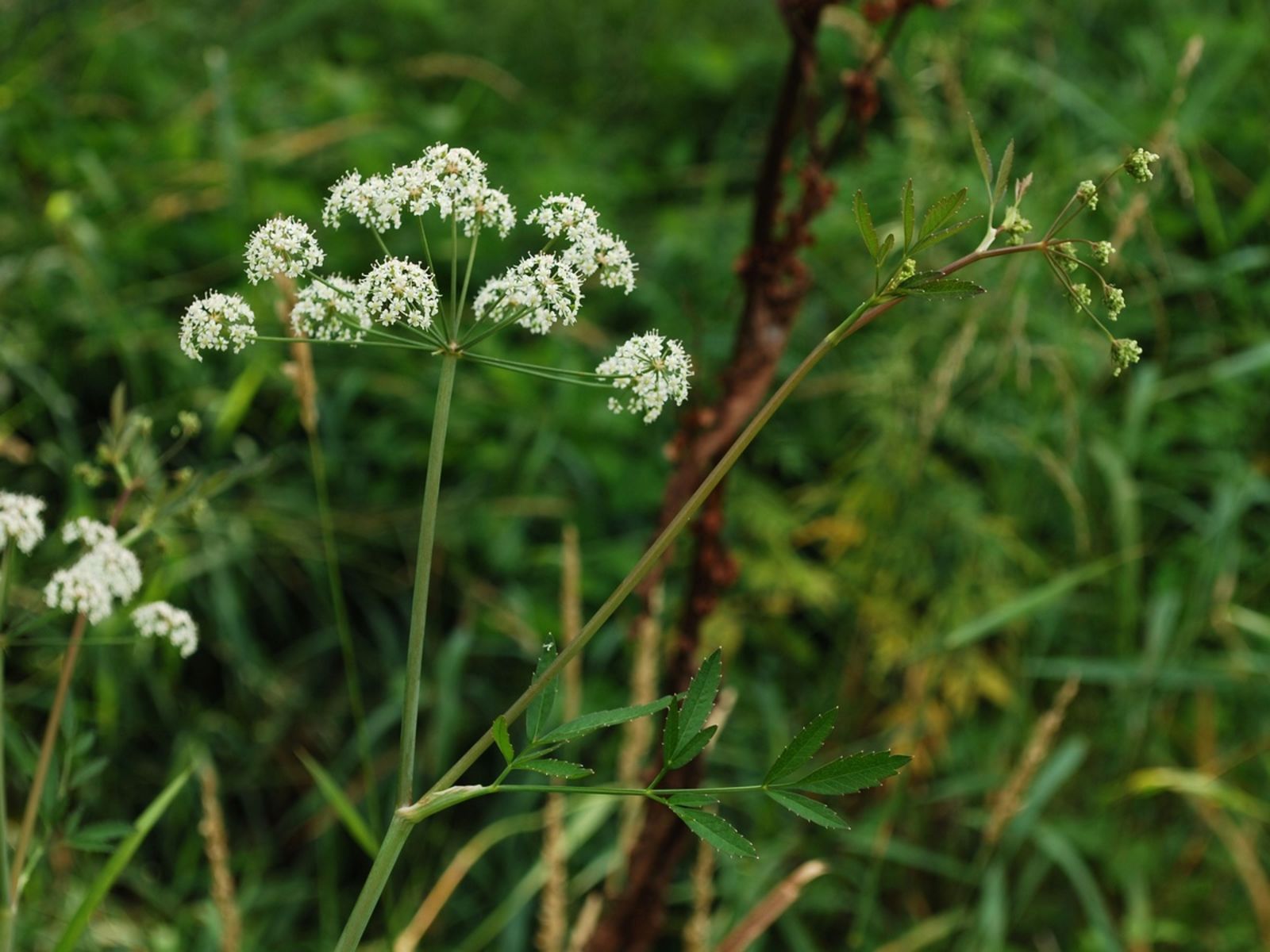
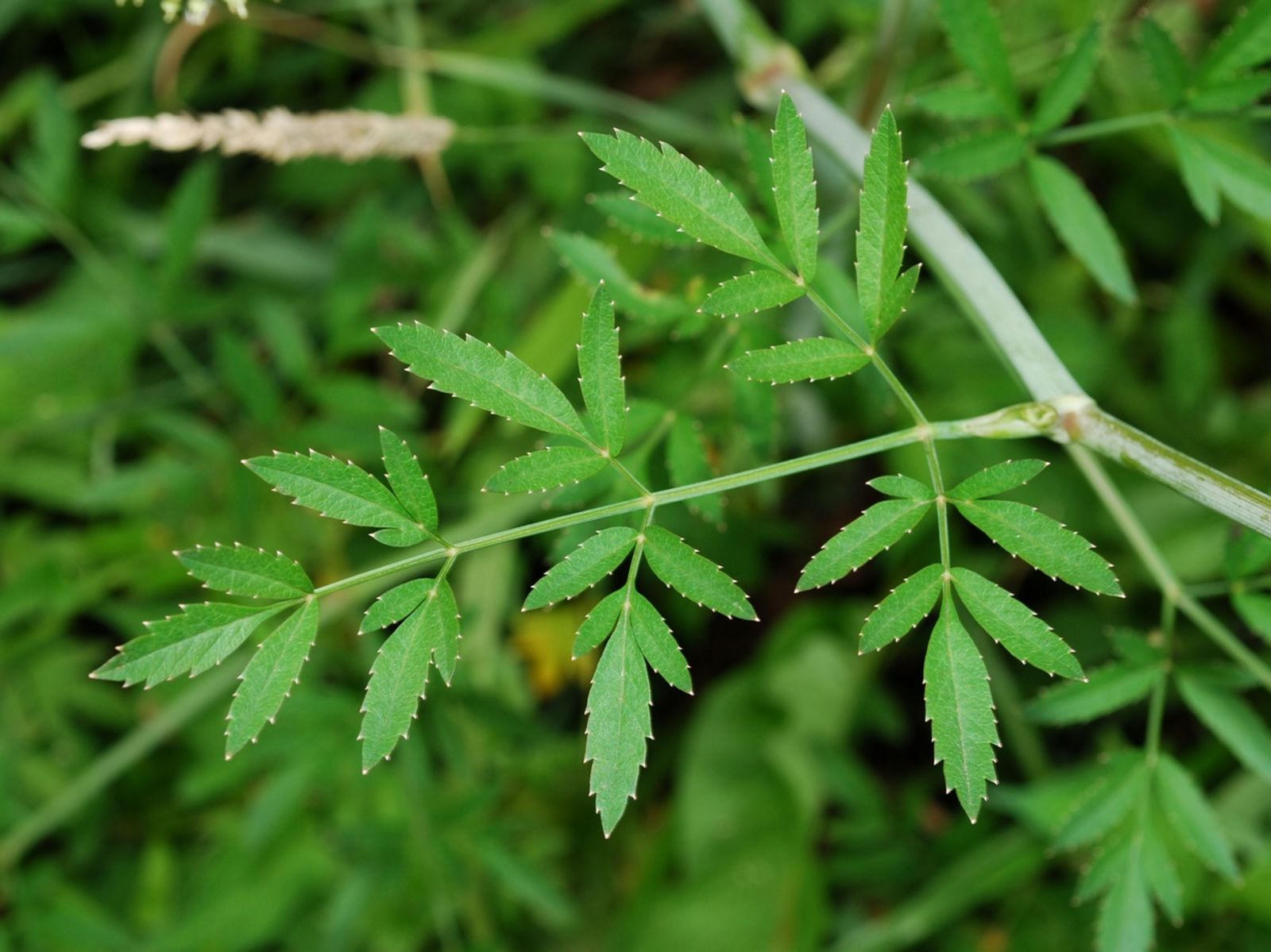
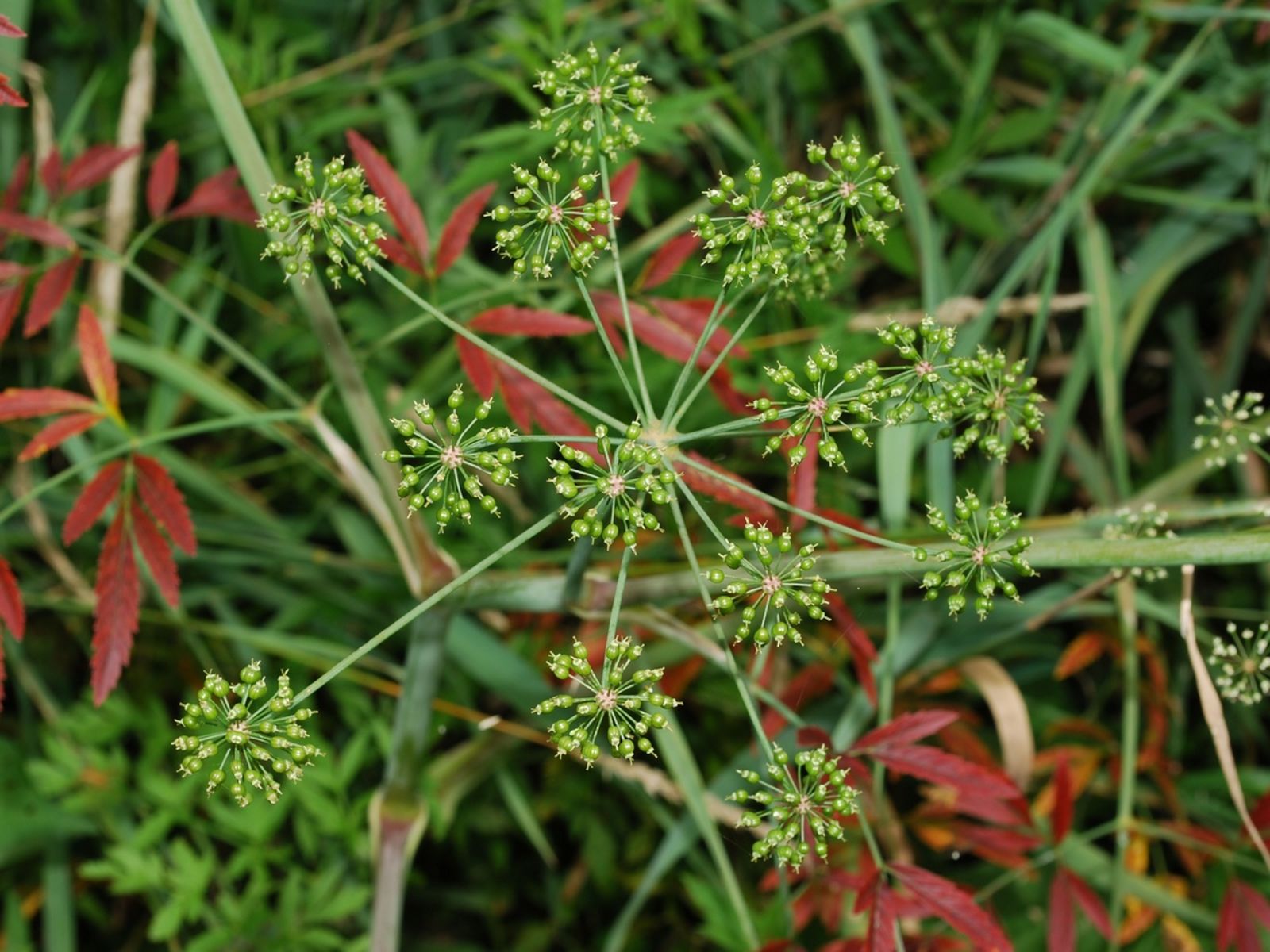
A: It has hollow stems, compound leaves, and small white flowers arranged in an umbrella-like cluster.
Quick Reference

| Family: | Apiaceae |
| Care: | expert only |
| Light: | partial shade to full shade |
| Water: | every 7–10 days, allowing so |
Get Expert Care Tips
Download the Plantious app for personalized care reminders and plant identification!
Google Play App Store