Water Chestnut
trapa natans
Also known as: ["Water Caltrop","Buddhist Pineapple"]
Overview
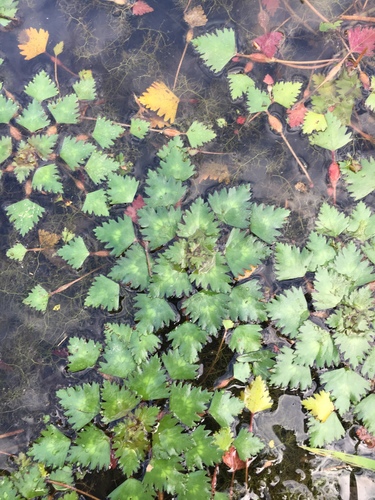
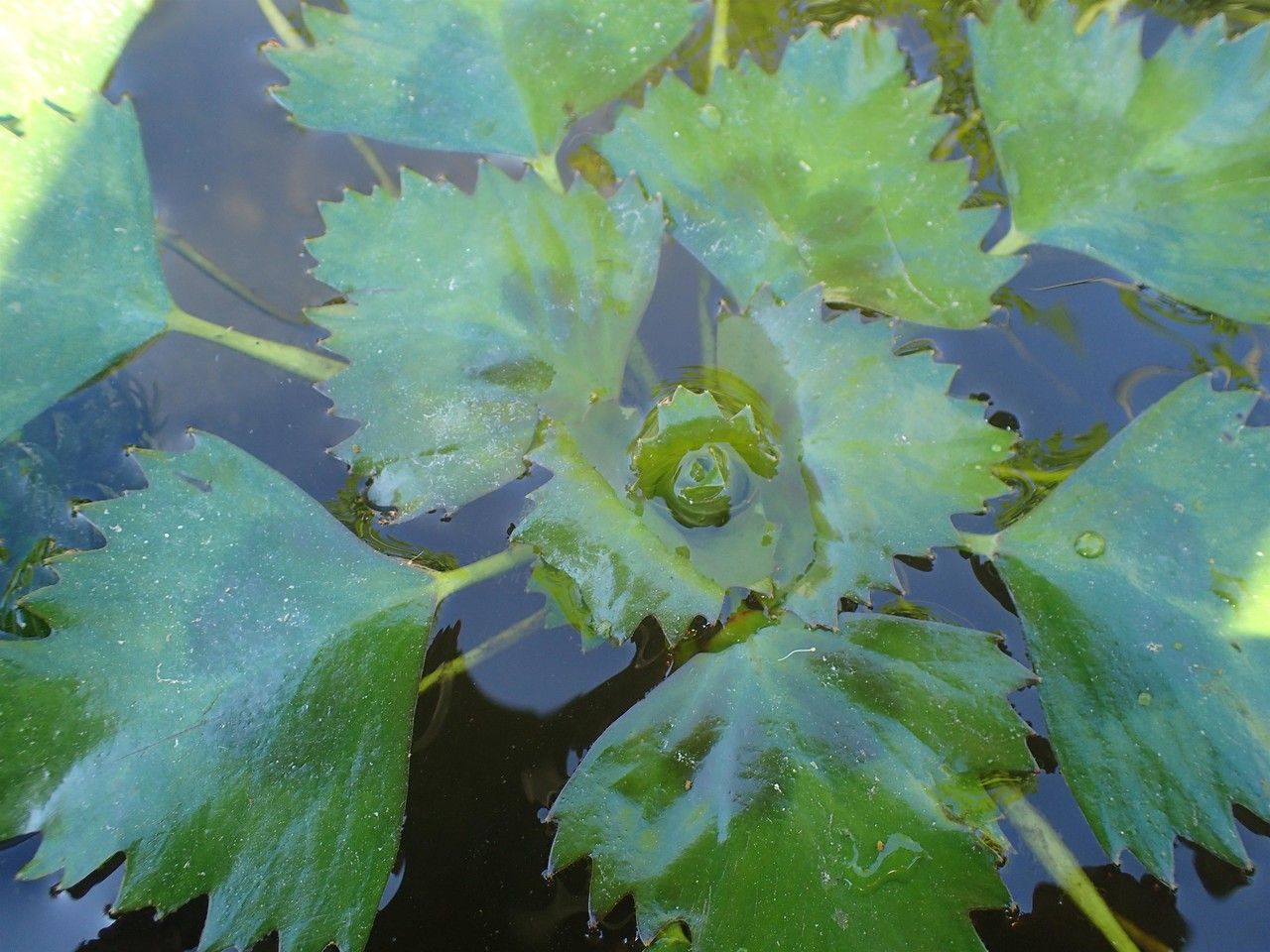
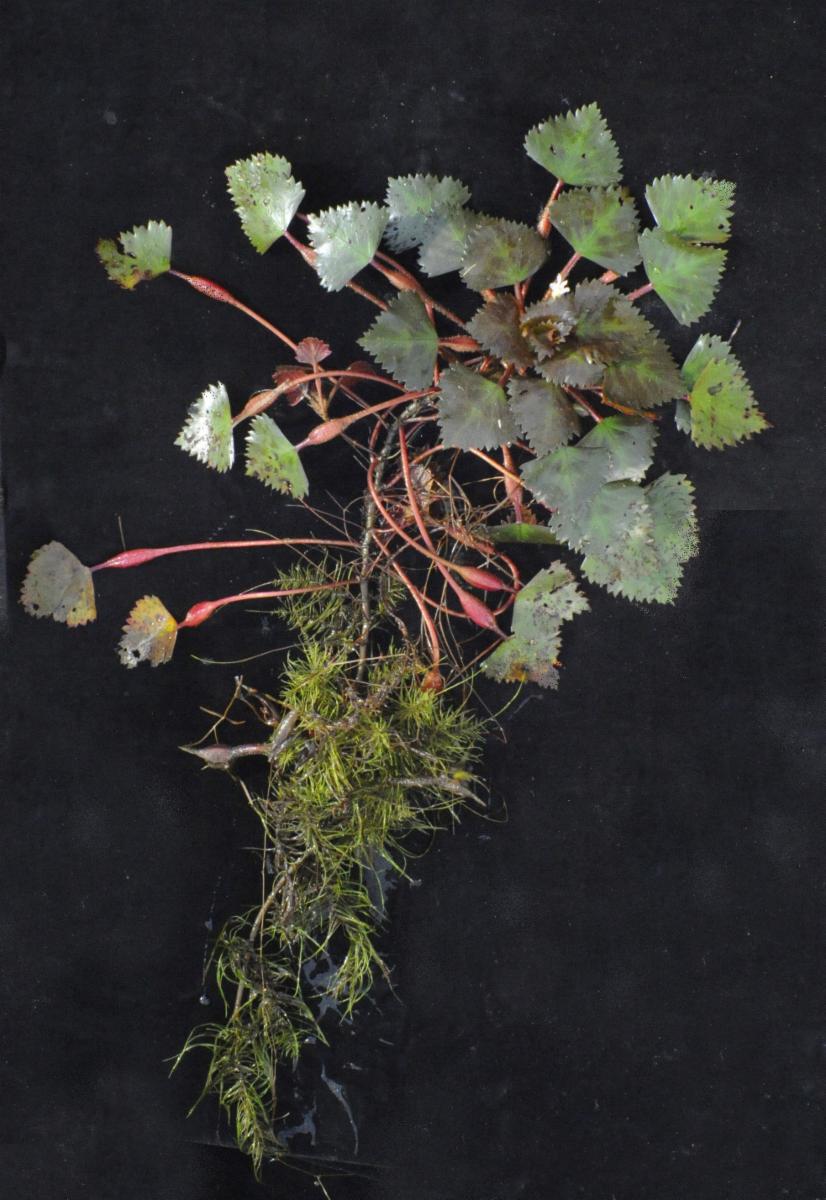
An aquatic plant with floating leaves and spiny fruits, native to Asia and Europe.
Benefits & Perks
["edible fruits","wildlife attractant (bees, butterflies, birds)"]
Botanical Classification
| Phylum: | Magnoliophyta |
| Class: | Magnoliopsida |
| Order: | Myrtales |
| Family: | Trapaceae |
| Genus: | Trapa |
| Botanical Name: | Trapa natans |
Plant Characteristics
Basic Information
- Category: Fruits
- Suitable Location: shallow, still or slow-moving freshwater ponds or lakes
- Suitable For:
- Is Weed: No
- Allergenicity: low
Environmental Needs
- Climate: {"temperatureRange":"15–30°C"}
- Hardiness: {"zones":"5–9"}
- Misting: not required
- Drainage: Slow-draining to waterlogged; thrives in still or slow-moving water.
- Soil Type: Aquatic soil or heavy loam with organic matter; can grow in water without soil.
Maintenance Level
- Maintenance Level: moderate
- Toughness Level: moderate
- Pruning Frequency: As needed, typically every 2–4 weeks during growing season.
- Pruning Intensity: Light to moderate; focus on removing dead matter.
Care Details
Ideal Sunlight Coverage:
Full sun (6–8 hours/day); tolerates partial shade but may reduce flowering.
Sunlight Tolerance Tips:
Acclimate gradually if moving from shade to sun; avoid direct scorch by providing shade during peak midday hours; adjust placement based on water body exposure.
Care Requirements
Care Difficulty
moderatemoderate
Sunlight
full sun
Rotate plant for even growth; use shade cloth if needed; monitor for sunburn signs.
Watering
daily in extreme heat, otherwise as needed to maintain water level
Keep roots submerged; avoid stagnant water; ensure water circulation.
Soil
not applicable, grows in water
pH: 6.0–7.5; tolerates slightly acidic to neutral conditions.
Use heavy soil to anchor rhizomes; avoid sandy soils that wash away; maintain water clarity.
Temperature
Warm to hot (20–30°C); thrives in tropical to subtropical climates.
Monitor water temperature; adjust placement based on seasonal changes; avoid extreme fluctuations.
Fertilizing
rarely required, if at all
Fertilize in early morning or late evening; use balanced NPK fertilizer; flush water occasionally to prevent buildup.
Propagation
Methods
Seed or rhizome division.
Step-by-Step Propagation Guide
- Collect mature seeds or divide rhizomes.
- Plant in shallow water or moist soil.
- Maintain warm conditions.
Best Time: Spring or early summer when water temperatures rise.
Environment
Warm, humid, with bright indirect light; ensure water is clean and oxygenated.
Medium
Water with added aquatic plant fertilizer; can also use moist soil for rhizome division.
Hormone
Not typically required for seeds; rooting hormone may aid rhizome division.
Timeline
Seeds germinate in 2–4 weeks; rhizomes root in 2–3 weeks.
Tools Needed
Sharp knife, containers, aquatic fertilizer.
Quick Tips
Use fresh seeds for best germination; keep rhizomes moist but not waterlogged; provide gentle water flow.
Pruning & Repotting
Pruning Guide
Method
Snip dead leaves at the base; divide rhizomes if they become too dense.
Pruning Plan
Remove dead or decaying leaves to maintain water quality; trim overgrown rhizomes to prevent overcrowding.
Tools
Sharp scissors, pruning shears.
Checklist
Check for dead leaves; trim carefully; dispose of cuttings to prevent decay in water.
Repotting Guide
Best Season
Spring or early summer.
Pot Size
Increase pot size by 2–3 cm if using containers.
Method
Divide rhizomes; replant in fresh aquatic soil or water with fertilizer; ensure good drainage.
Suggestions
Repot if rhizomes become overcrowded or water quality declines.
Checklist
Prepare new container; divide rhizomes; replant at same depth; clean old container.
Advanced Care Tips
Watering Mastery
Watering Checklist
Check water level daily; ensure roots are submerged; monitor water clarity.
How to Apply Water Properly
Water directly into the water body to keep the plant submerged; ensure roots are fully covered; maintain clean water to prevent rot.
Watering Schedule Tips
Water daily to maintain submerged or floating state; adjust for evaporation rates in warmer months.
Soil Improvement
Add organic matter for fertility; use aquatic plant tabs for nutrients; ensure water circulation to prevent stagnation.
Temperature Stress Management
Signs of Temperature Issues
Wilting, yellowing leaves, reduced flowering, or stunted growth.
Cold Stress
Leaves may die back; plant becomes dormant or dies if temperatures drop below 10°C.
Solution: Move to a warmer location or indoor pond; use water heaters for outdoor ponds; cover with insulating material.
Hot Stress
Leaves may scorch, wilt, or show signs of dehydration; excessive heat can reduce oxygen in water.
Solution: Provide partial shade; ensure water circulation; mist leaves if grown in containers.
Fertilizing Guide
Fertilizing Checklist
Check fertilizer concentration; apply evenly; monitor for nutrient burn.
Fertilizing Method
Use liquid fertilizer diluted to half strength; apply every 2–4 weeks during growing season; avoid over-fertilization.
Common Problems & Solutions
Toxicity Warning
Cats
Non-toxicTrapa natans is not considered toxic to cats. There are no known adverse effects from ingestion or contact.
⚡ Toxic If:
not applicable
Dogs
Non-toxicTrapa natans is not considered toxic to dogs. There are no known adverse effects from ingestion or contact.
⚡ Toxic If:
not applicable
Humans
Slightly ToxicThe seeds of Trapa natans contain trypsin inhibitors and can cause digestive discomfort if consumed in large amounts. The plant is generally considered safe for consumption in moderation.
⚠️ Symptoms:
🌿 Toxic Parts:
⚡ Toxic If:
if eaten in large quantities
Frequently Asked Questions
Q: Is Trapa natans edible?
A: Yes, the fruits are edible and are consumed in some regions.
Q: Does Trapa natans grow in water?
A: Yes, it is an aquatic plant that thrives in freshwater environments.
Q: Is Trapa natans invasive?
A: Yes, it can be invasive in some regions and may require management.
Quick Reference


| Family: | Trapaceae |
| Care: | moderate |
| Light: | full sun |
| Water: | daily in extreme heat, otherwi |
Get Expert Care Tips
Download the Plantious app for personalized care reminders and plant identification!
Google Play App Store