Snapdragon
antirrhinum majus
Also known as: ["Garden Snapdragon","Dragon Flower"]
Overview
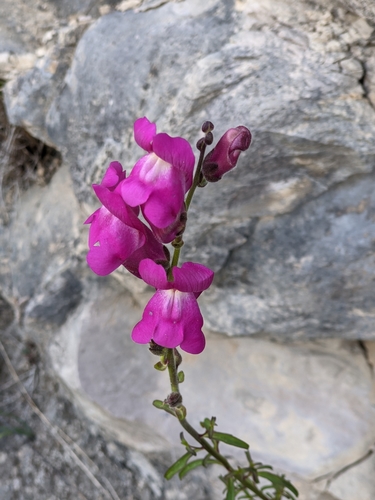
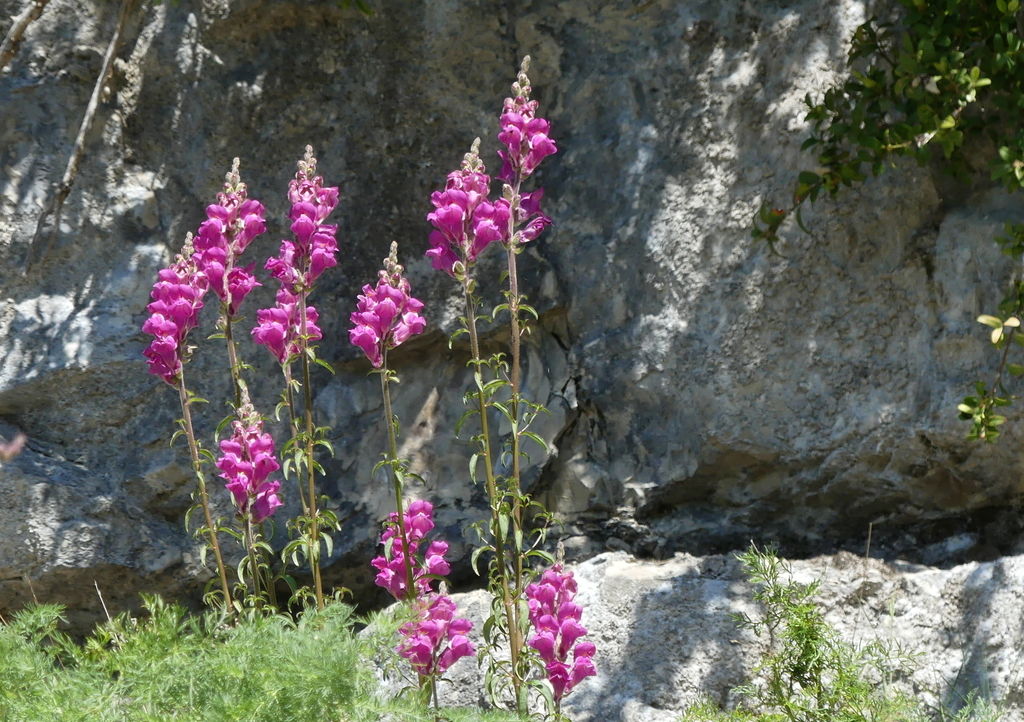
A popular ornamental plant known for its colorful, snapdragon-shaped flowers that open when squeezed.
Benefits & Perks
["long-flowering","fragrant flowers","wildlife attractant (bees, butterflies, birds)"]
Botanical Classification
| Phylum: | Magnoliophyta |
| Class: | Magnoliopsida |
| Order: | Lamiales |
| Family: | Plantaginaceae |
| Genus: | Antirrhinum |
| Botanical Name: | Antirrhinum majus |
Plant Characteristics
Basic Information
- Category: Flowers
- Suitable Location: outdoor garden bed in full sun, or container on a sunny patio
- Suitable For:
- Is Weed: No
- Allergenicity: low
Environmental Needs
- Climate: {"temperatureRange":"5–30°C"}
- Hardiness: {"zones":"7–10"}
- Misting: rarely required, only if ambient humidity is very low
- Drainage: Fast-draining to prevent waterlogging.
- Soil Type: Well-draining, loamy soil with added organic matter.
Maintenance Level
- Maintenance Level: moderate
- Toughness Level: moderate
- Pruning Frequency: After flowering or every 4–6 weeks during growing season.
- Pruning Intensity: Moderate; remove up to one-third of growth to stimulate new shoots.
Care Details
Ideal Sunlight Coverage:
Full sun (6–8 hours of direct sunlight daily); partial shade in intense summer heat.
Sunlight Tolerance Tips:
Acclimate plants gradually to direct sun; protect from harsh midday sun; move indoors if outdoor temperatures drop below 50°F (10°C).
Care Requirements
Care Difficulty
easyeasy
Sunlight
full sun
Rotate plants for even growth; use sheer curtains to filter intense light; avoid placing near east-facing windows in summer.
Watering
every 7–10 days during active growth, reduce in winter
Water thoroughly but allow soil to dry between waterings; avoid overhead watering to prevent fungal issues.
Soil
well-draining, loamy soil with added organic matter
pH: 6.0–7.0 (slightly acidic to neutral).
Use a pot with drainage holes; avoid heavy clay soils; top-dress with compost annually.
Temperature
60–70°F (15–21°C) for optimal growth; tolerate light frost but thrive in moderate warmth.
Avoid sudden temperature changes; protect from drafts; maintain consistent room temperature indoors.
Fertilizing
every 2 weeks during active growth with balanced liquid fertilizer, none in winter
Dilute fertilizer to half strength; avoid fertilizing dry soil; flush soil occasionally to prevent salt buildup.
Propagation
Methods
Stem cuttings or seed; stem cuttings are faster and more reliable for home growers.
Step-by-Step Propagation Guide
- Take a 4–6 inch cutting.
- Remove lower leaves.
- Dip in rooting hormone.
- Plant in medium.
- Keep moist and humid.
Best Time: Spring or early summer when the plant is actively growing.
Environment
High humidity (70–80%), warm temperatures (65–75°F), and indirect light.
Medium
Well-draining mix of perlite and peat moss or cactus mix.
Hormone
Rooting hormone is optional but recommended for faster rooting.
Timeline
Roots develop in 2–3 weeks; new growth appears in 4–6 weeks.
Tools Needed
Pruning shears, rooting hormone, small pots, misting spray bottle.
Quick Tips
Use healthy, non-flowering stems; maintain humidity with a plastic bag; avoid direct sun during rooting.
Pruning & Repotting
Pruning Guide
Method
Pinch back tips or cut stems just above a leaf node to promote branching.
Pruning Plan
Prune to encourage bushier growth, remove spent flowers, and maintain shape.
Tools
Clean pruning shears or sharp scissors.
Checklist
Sanitize tools; prune dead or yellowing leaves; remove spent flowers; shape as desired.
Repotting Guide
Best Season
Spring, before the active growing season begins.
Pot Size
Choose a pot 1–2 inches larger in diameter than the current one.
Method
Remove plant gently; trim any circling roots; place in a new pot with fresh soil; water lightly.
Suggestions
Repot every 1–2 years or when roots fill the pot; beneficial for young plants to support growth.
Checklist
Select appropriate pot; prepare fresh soil mix; handle roots carefully; water after repotting.
Advanced Care Tips
Watering Mastery
Watering Checklist
Check soil moisture; water deeply; ensure drainage; adjust for season.
How to Apply Water Properly
Water at the base of the plant, ensuring even moisture reaches the root zone; allow excess water to drain away to prevent waterlogging.
Watering Schedule Tips
Water when the top inch of soil is dry; reduce frequency in winter to prevent root rot.
Soil Improvement
Add perlite or sand for drainage; incorporate compost for fertility; ensure soil is loose and airy.
Temperature Stress Management
Signs of Temperature Issues
Wilting, leaf drop, or stunted growth in extreme heat or cold; yellowing leaves in cold stress.
Cold Stress
Slows growth, weakens stems, and may cause leaf damage or death in prolonged cold.
Solution: Move to a warmer location; cover with a frost cloth; avoid watering excessively in cold conditions.
Hot Stress
Leaves may scorch, flowers may drop, and growth may slow in excessive heat.
Solution: Provide shade during peak heat; increase watering; use mulch to retain soil moisture.
Fertilizing Guide
Fertilizing Checklist
Check fertilizer type; dilute correctly; apply during active growth; avoid dormant periods.
Fertilizing Method
Use balanced liquid fertilizer every 2–3 weeks during growing season (spring/summer); reduce or stop in fall/winter.
Common Problems & Solutions
Toxicity Warning
Cats
Non-toxicAntirrhinum majus is not known to be toxic to cats. There are no documented cases of adverse effects from ingestion or contact with this plant.
⚡ Toxic If:
Generally non-toxic to cats
Dogs
Non-toxicAntirrhinum majus is not known to be toxic to dogs. There are no documented cases of adverse effects from ingestion or contact with this plant.
⚡ Toxic If:
Generally non-toxic to dogs
Humans
Non-toxicAntirrhinum majus, commonly known as snapdragon, is generally considered non-toxic to humans. There are no significant toxic effects or physiological impacts reported from typical exposure.
⚡ Toxic If:
Generally non-toxic to humans
Frequently Asked Questions
Q: Are snapdragons toxic to pets?
A: Snapdragons are mildly toxic to dogs and cats if ingested.
Q: How often should snapdragons be watered?
A: Water snapdragons when the top inch of soil feels dry, typically every 1-2 days during hot weather.
Q: Do snapdragons attract pollinators?
A: Yes, snapdragons are known to attract bees, butterflies, and other pollinators.
Quick Reference

| Family: | Plantaginaceae |
| Care: | easy |
| Light: | full sun |
| Water: | every 7–10 days during activ |
Get Expert Care Tips
Download the Plantious app for personalized care reminders and plant identification!
Google Play App Store