Apple
malus domestica
Also known as: ["Common Apple","Orchard Apple"]
Overview
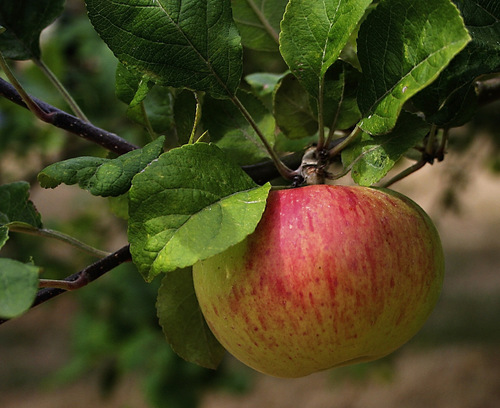
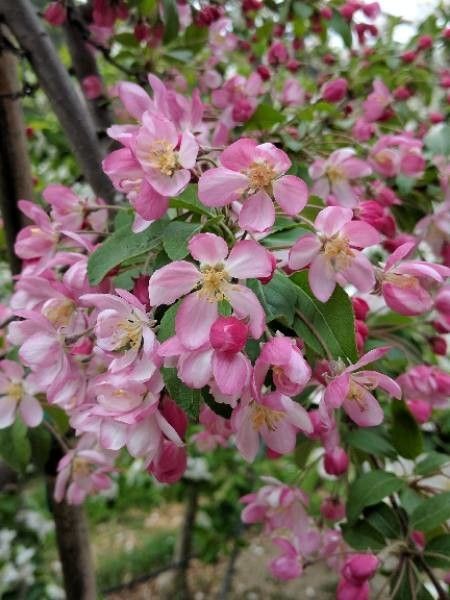
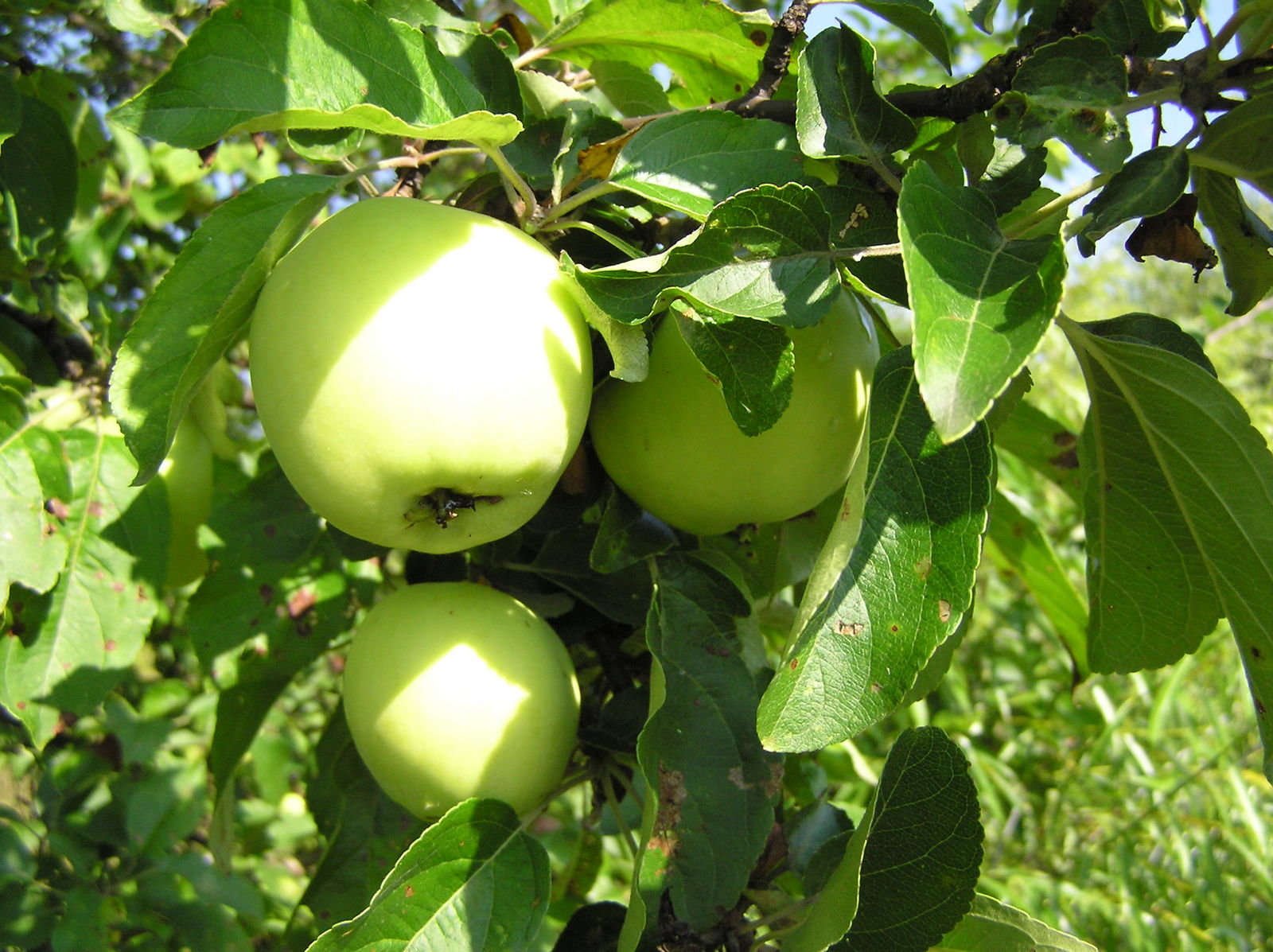
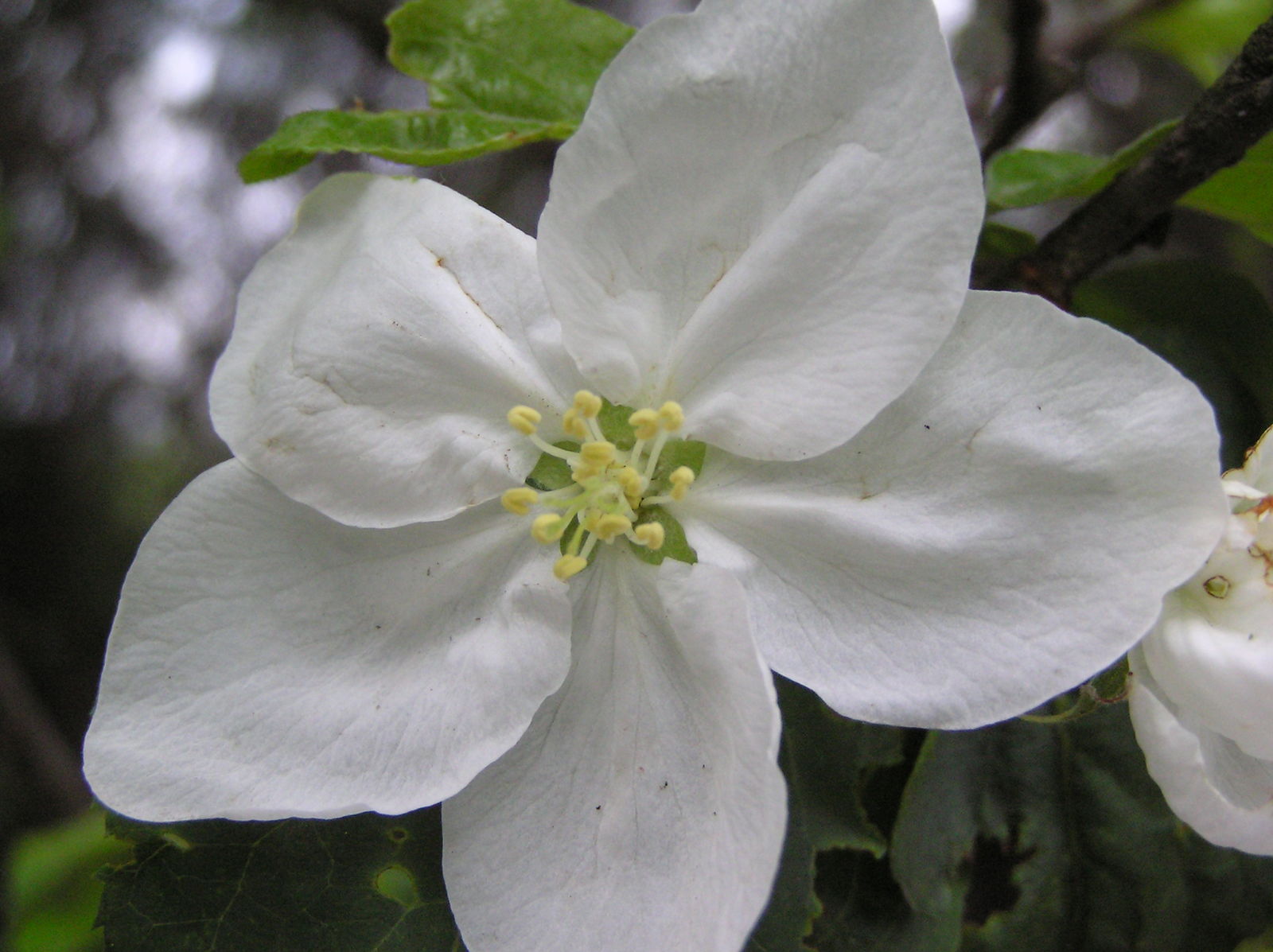
A deciduous tree widely cultivated for its edible fruit, known for its sweet or tart flavor and versatility in culinary applications.
Benefits & Perks
["edible fruits","aesthetic foliage","wildlife attractant (bees, butterflies, birds)"]
Botanical Classification
| Phylum: | Magnoliophyta |
| Class: | Magnoliopsida |
| Order: | Rosales |
| Family: | Rosaceae |
| Genus: | Malus |
| Botanical Name: | Malus domestica |
Plant Characteristics
Basic Information
- Category: Fruits
- Suitable Location: outdoor orchard or garden, or large container in full sun
- Suitable For:
- Is Weed: No
- Allergenicity: low
Environmental Needs
- Climate: {"temperatureRange":"–40–40°C, depending on cultivar"}
- Hardiness: {"zones":"3–8"}
- Misting: rarely required, only if grown in very dry indoor conditions
- Drainage: Well-draining to prevent waterlogging.
- Soil Type: Loamy, fertile soil with good organic matter content.
Maintenance Level
- Maintenance Level: moderate
- Toughness Level: moderate
- Pruning Frequency: Annually in late winter or early spring before bud break.
- Pruning Intensity: Moderate to heavy, depending on tree age and vigor.
Care Details
Ideal Sunlight Coverage:
Full sun (6–8 hours of direct sunlight daily); adjust to partial shade in extreme heat to prevent leaf scorch.
Sunlight Tolerance Tips:
Acclimate young trees gradually to full sun; protect from intense midday sun; provide shade during heatwaves for outdoor trees.
Care Requirements
Care Difficulty
moderatemoderate
Sunlight
full sun
Rotate container trees for even light exposure; prune lower branches to allow sunlight penetration; avoid placing near reflective surfaces that intensify light.
Watering
every 7–14 days, depending on soil moisture and climate
Water thoroughly until runoff, allow soil to dry slightly between waterings, and avoid overhead watering to prevent fungal diseases.
Soil
well-drained, loamy soil with moderate fertility
pH: 6.0–7.0 (slightly acidic to neutral).
Avoid compacted soil; test pH annually; ensure consistent moisture for fruit development.
Temperature
Optimal range: 60–75°F (15–24°C) during growth; requires a chilling period of 300–900 hours below 45°F (7°C) for fruiting.
Protect from late spring frosts; ensure adequate winter chill; maintain consistent temperatures during flowering.
Fertilizing
every 4–6 weeks during active growth (spring and summer)
Test soil before fertilizing; avoid over-fertilization which can harm roots; water thoroughly after application.
Propagation
Methods
Stem cuttings or grafting onto rootstock (e.g., M9, MM106); seeds are viable but result in genetic variability.
Step-by-Step Propagation Guide
- Select healthy stem cuttings.
- Apply rooting hormone.
- Plant in medium.
- Maintain humidity.
- Transplant once rooted.
Best Time: Late winter or early spring before bud break for cuttings; grafting is best done in late winter.
Environment
High humidity (70–90%), warm temperatures (65–75°F), and indirect light for cuttings.
Medium
Well-draining rooting medium (e.g., perlite and peat moss mix) for cuttings; healthy rootstock for grafting.
Hormone
Rooting hormone (e.g., IBA) recommended for cuttings to improve success rate.
Timeline
Cuttings: 4–8 weeks for roots; grafting: immediate establishment if compatible.
Tools Needed
Pruning shears, rooting hormone, rooting medium, humidity dome, labels.
Quick Tips
Use disease-free parent material; maintain consistent moisture; avoid direct sunlight during rooting.
Pruning & Repotting
Pruning Guide
Method
Thinning cuts to remove entire branches; heading cuts to shorten branches; scaffold selection for young trees.
Pruning Plan
Remove dead/diseased wood annually; shape for sunlight penetration and air circulation; thin crowded branches to improve fruit quality.
Tools
Pruning shears, loppers, saw, pruning pole, disinfectant.
Checklist
Disinfect tools between cuts; prune to outward-facing buds; remove crossing branches; avoid over-pruning young trees.
Repotting Guide
Best Season
Late winter or early spring before active growth.
Pot Size
Increase pot size by 2–3 inches in diameter for container trees.
Method
Remove tree carefully; trim circling roots; replace with fresh, well-draining soil mix; ensure proper drainage.
Suggestions
Repot container-grown trees every 2–3 years or when roots fill the pot; field-grown trees rarely need repotting.
Checklist
Check root bound status; use fresh soil mix; ensure drainage holes are clear; water thoroughly after repotting.
Advanced Care Tips
Watering Mastery
Watering Checklist
Check soil moisture before watering; water early morning or late evening; ensure proper drainage; avoid wetting foliage.
How to Apply Water Properly
Water directly at the root zone, ensuring even saturation to a depth of 6–8 inches, and allow excess water to drain freely to prevent waterlogging.
Watering Schedule Tips
Water deeply once a week during active growth, increasing frequency to twice weekly in hot, dry periods; reduce watering in dormant winter months to prevent root rot.
Soil Improvement
Add compost or well-rotted manure; incorporate perlite or sand for drainage; use mulch to retain moisture.
Temperature Stress Management
Signs of Temperature Issues
Chlorosis or leaf drop in excessive heat; delayed bud break or poor fruit set in insufficient chilling.
Cold Stress
Low temperatures can damage flower buds and young fruit; prolonged freezing may cause root damage.
Solution: Apply mulch to insulate roots; use frost cloths or row covers during freezes; avoid late-season nitrogen fertilization to harden plants.
Hot Stress
Excessive heat can lead to leaf scorch, reduced photosynthesis, and dropped fruit.
Solution: Provide shade during peak heat; increase watering frequency; apply reflective mulch to reduce ground heat.
Fertilizing Guide
Fertilizing Checklist
Check soil pH; follow label instructions; fertilize before active growth; avoid fertilizing dormant trees.
Fertilizing Method
Use balanced fruit tree fertilizer (10-10-10) in early spring before bud break; reduce nitrogen in late summer to avoid soft growth.
Common Problems & Solutions
Toxicity Warning
Cats
Slightly ToxicThe seeds of Malus domestica contain amygdalin, which can release cyanide upon ingestion. Cats are highly sensitive to cyanide toxicity, and even a small number of seeds may pose a risk if ingested in large quantities.
⚠️ Symptoms:
🌿 Toxic Parts:
⚡ Toxic If:
if seeds are ingested in large quantities
Dogs
Slightly ToxicSimilar to humans, the seeds of Malus domestica contain amygdalin, which can release cyanide upon ingestion. Dogs are more susceptible to cyanide toxicity than humans, but significant poisoning typically requires ingestion of a large number of seeds.
⚠️ Symptoms:
🌿 Toxic Parts:
⚡ Toxic If:
if seeds are ingested in large quantities
Humans
Non-toxicThe seeds of Malus domestica contain amygdalin, a cyanogenic glycoside, which can release cyanide when metabolized. However, the concentration is generally low and requires ingestion of a large quantity to cause significant toxicity in humans.
⚠️ Symptoms:
🌿 Toxic Parts:
⚡ Toxic If:
if seeds are ingested in large quantities
Frequently Asked Questions
Q: How often should I water my apple tree?
A: Water deeply once a week, adjusting based on rainfall and soil moisture.
Q: When do apple trees typically bear fruit?
A: Most varieties begin bearing fruit 3–5 years after planting.
Q: What causes apple tree leaves to turn yellow?
A: Yellowing leaves can indicate nutrient deficiencies, overwatering, or disease; proper soil testing and care can help diagnose the issue.
Quick Reference
| Family: | Rosaceae |
| Care: | moderate |
| Light: | full sun |
| Water: | every 7–14 days, depending o |
Get Expert Care Tips
Download the Plantious app for personalized care reminders and plant identification!
Google Play App Store