Ball Moss
tillandsia recurvata
Also known as: ["Air Plant","Small Ball Moss"]
Overview
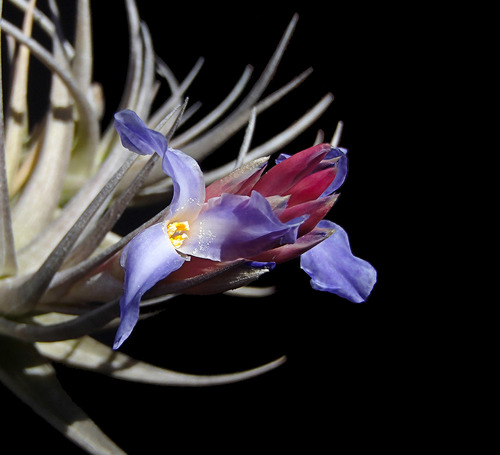
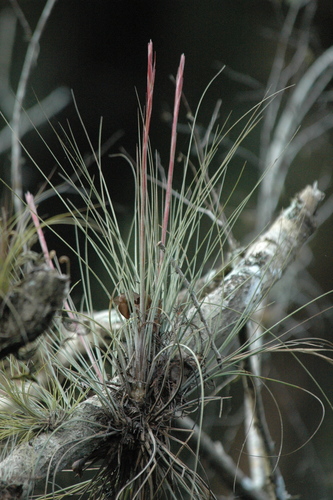
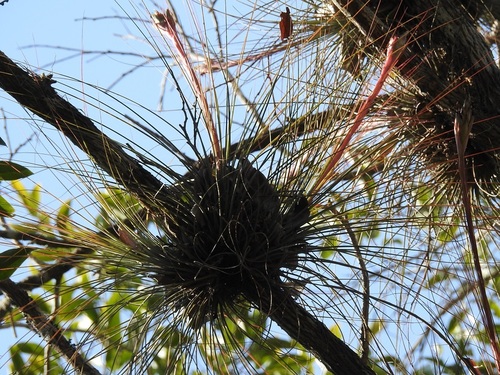
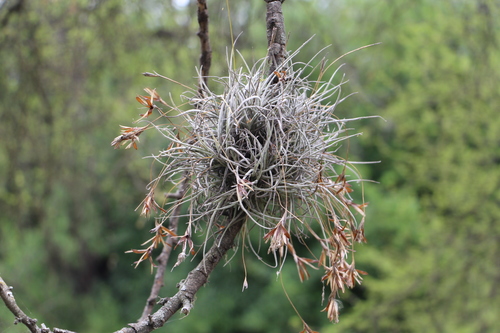
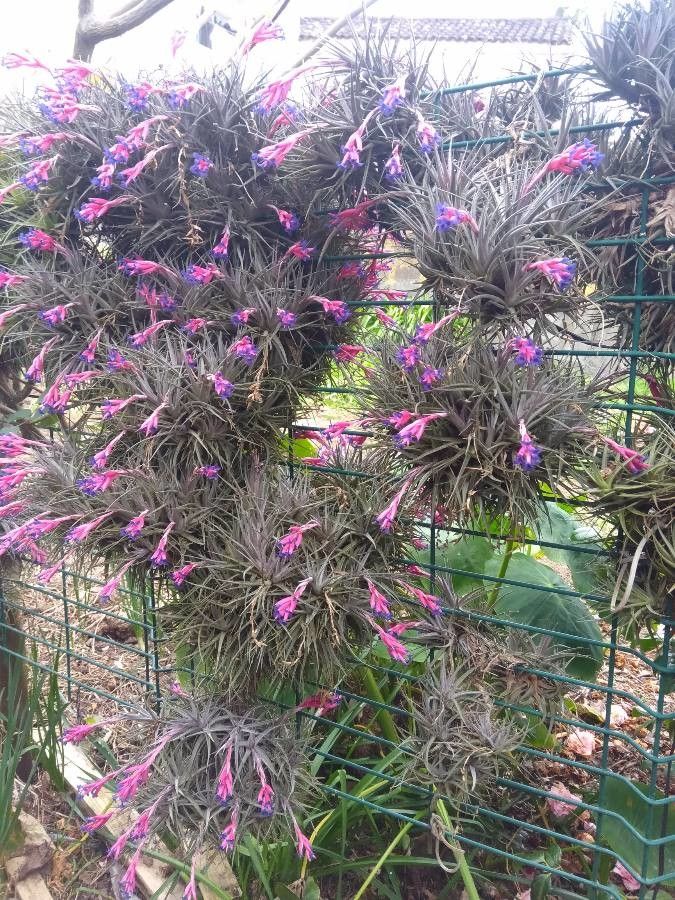
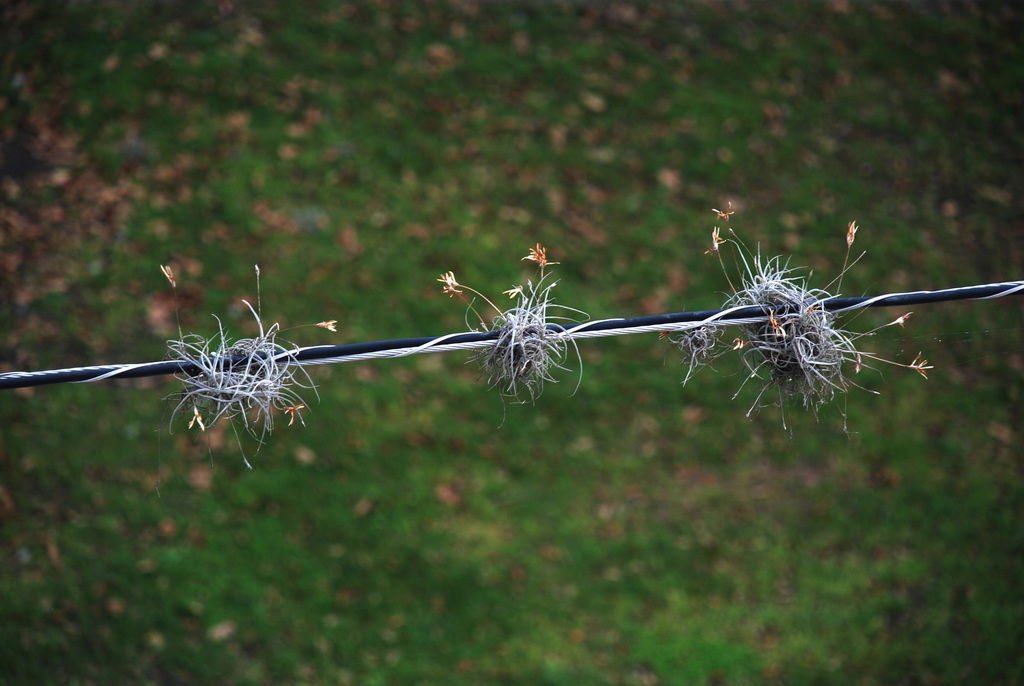
A small, epiphytic bromeliad that grows without soil, often found attached to trees or other surfaces.
Benefits & Perks
["low maintenance","aesthetic foliage","wildlife attractant (bees, butterflies, birds)"]
Botanical Classification
| Phylum: | Magnoliophyta |
| Class: | Liliopsida |
| Order: | Poales |
| Family: | Bromeliaceae |
| Genus: | Tillandsia |
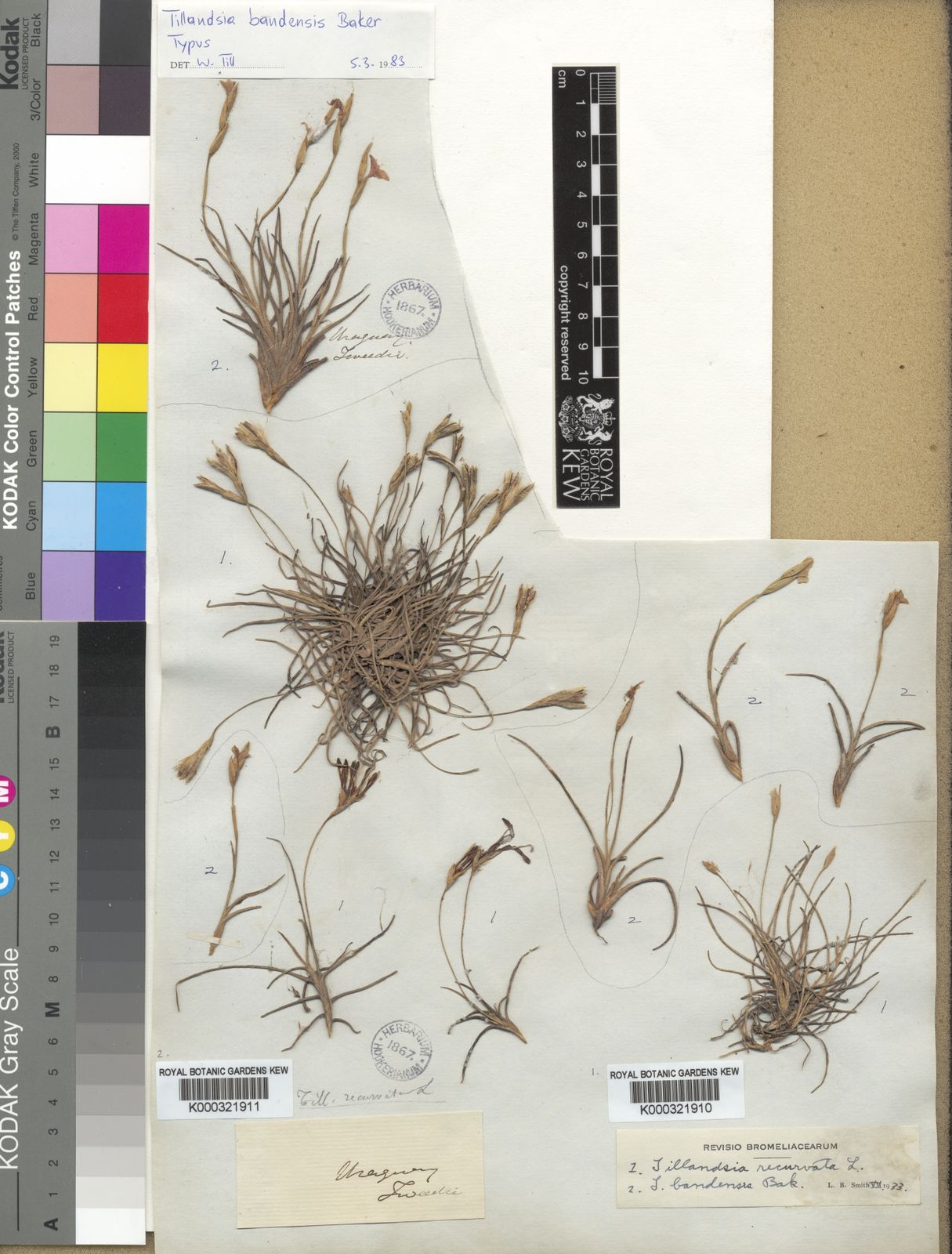
| Botanical Name: | Tillandsia recurvata |
Plant Characteristics
Basic Information
- Category: Flowers
- Suitable Location: mounted on a piece of wood or placed in a bright indoor setting
- Suitable For:
- Is Weed: No
- Allergenicity: low
Environmental Needs
- Climate: {"temperatureRange":"10–30°C"}
- Hardiness: {"zones":"9–11"}
- Misting: every 1–2 weeks, or as needed to maintain humidity
- Drainage: Excellent drainage; no standing water tolerated.
- Soil Type: No traditional soil needed; can be mounted on bark, cork, or grown in orchid bark/sphagnum moss mix.
Maintenance Level
- Maintenance Level: very low
- Toughness Level: moderate
- Pruning Frequency: As needed, typically annually or when dead leaves accumulate.
- Pruning Intensity: Light pruning; focus on removing only dead or discolored parts.
Care Details
Ideal Sunlight Coverage:
Bright indirect light for 4–6 hours daily; avoid direct sun to prevent scorching.
Sunlight Tolerance Tips:
Acclimate gradually to brighter light; place in shaded areas outdoors; rotate indoor plants for even light exposure.
Care Requirements
Care Difficulty
easyeasy
Sunlight
bright, indirect light
Avoid direct sunlight; provide bright indirect light; rotate regularly for balanced growth.
Watering
every 1–2 weeks, or when the plant appears dry
Water thoroughly but infrequently; ensure proper drainage; avoid waterlogged conditions.
Soil
not required, epiphytic (grows on surfaces)
pH: Neutral to slightly acidic (6.0–6.5).
Ensure excellent drainage; avoid compacted media; maintain good air circulation around roots.
Temperature
Ideal range 60–80°F (15–27°C); tolerates mild fluctuations but prefers stable conditions.
Avoid extreme temperatures; maintain stable conditions; protect from drafts.
Fertilizing
every 2–3 months during active growth
Dilute fertilizer to prevent burn; apply during watering; skip in dormant periods.
Propagation
Methods
By offsets (pups) or seeds; pups are the most common method for home growers.
Step-by-Step Propagation Guide
- Separate pups from parent.
- Allow to dry for a day.
- Plant in well-draining medium.
- Water lightly.
Best Time: After the parent plant flowers or when pups are at least one-third the size of the parent.
Environment
Bright indirect light, high humidity (50–60%), and warm temperatures (70–80°F).
Medium
Well-draining mix like orchid bark or sphagnum moss; can also be mounted on bark or cork.
Hormone
Not required for pups; optional for seeds to encourage germination.
Timeline
Pups may take 1–2 years to mature; seeds take 2–3 years to reach maturity.
Tools Needed
Clean knife or scissors, rooting hormone (optional), well-draining medium.
Quick Tips
Ensure pups have roots before separating; maintain humidity for faster rooting; avoid overwatering.
Pruning & Repotting
Pruning Guide
Method
Gently pull off dead leaves or use clean scissors to trim.
Pruning Plan
Minimal pruning; remove dead or damaged leaves to maintain appearance and health.
Tools
Clean scissors or pruning shears.
Checklist
Check for dead leaves; use clean tools; avoid over-pruning.
Repotting Guide
Best Season
Spring or early summer when the plant is actively growing.
Pot Size
Use a small pot or mount; no need for large containers as they are epiphytic.
Method
Gently remove the pup; plant in a well-draining medium or mount on bark; ensure good air circulation.
Suggestions
Not typically required; pups can be separated and mounted or potted when they reach sufficient size.
Checklist
Prepare well-draining medium; handle roots gently; water lightly after repotting.
Advanced Care Tips
Watering Mastery
Watering Checklist
Check moisture level before watering; ensure proper drainage; adjust frequency based on season.
How to Apply Water Properly
Water at the base, ensuring even moisture without saturation; allow excess water to drain; water in the morning to prevent fungal growth.
Watering Schedule Tips
Mist 2–3 times weekly or soak in water for 30 minutes every 1–2 weeks, adjusting for humidity and season.
Soil Improvement
Use orchid bark, sphagnum moss, or a mix of perlite and charcoal for epiphytic growth.
Temperature Stress Management
Signs of Temperature Issues
Wilting, leaf discoloration, or stunted growth; bud drop or flower failure.
Cold Stress
Slows growth, causes leaf discoloration, and may lead to frost damage below 50°F (10°C).
Solution: Move to a warmer location; provide insulation; avoid drafts and sudden temperature drops.
Hot Stress
Leaf scorch, dehydration, and reduced vigor in temperatures above 90°F (32°C).
Solution: Increase humidity, provide shade, and water more frequently; avoid direct sun during peak heat.
Fertilizing Guide
Fertilizing Checklist
Use diluted fertilizer; apply during active growth; avoid over-fertilization.
Fertilizing Method
Use a diluted bromeliad or orchid fertilizer (¼ strength) monthly during growing season (spring–summer); avoid winter feeding.
Common Problems & Solutions
Toxicity Warning
Cats
Non-toxicTillandsia recurvata is not toxic to cats. The plant does not produce any known toxins that would negatively affect felines if consumed.
🌿 Toxic Parts:
⚡ Toxic If:
if eaten
Dogs
Non-toxicTillandsia recurvata is not toxic to dogs. The plant does not contain any known substances that are harmful to canines when ingested.
🌿 Toxic Parts:
⚡ Toxic If:
if eaten
Humans
Non-toxicTillandsia recurvata, commonly known as ball moss, is not toxic to humans. It does not produce any known harmful compounds that would cause adverse physiological effects upon ingestion.
🌿 Toxic Parts:
⚡ Toxic If:
if eaten
Frequently Asked Questions
Q: Is Ball Moss a parasite?
A: No, it is an epiphyte that grows on other plants without harming them.
Q: How often should I water Ball Moss?
A: Mist it 2-3 times per week or soak it in water for 30 minutes every 1-2 weeks.
Q: Can Ball Moss grow indoors?
A: Yes, it thrives in bright, indirect light indoors with good air circulation.
Quick Reference
| Family: | Bromeliaceae |
| Care: | easy |
| Light: | bright, indirect light |
| Water: | every 1–2 weeks, or when the |
Get Expert Care Tips
Download the Plantious app for personalized care reminders and plant identification!
Google Play App Store