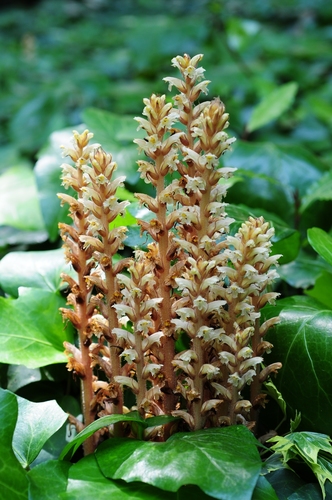
Dwarf Broomrape
orobanche minor
Also known as: ["Dwarf Broomrape","Minor Broomrape"]
Overview
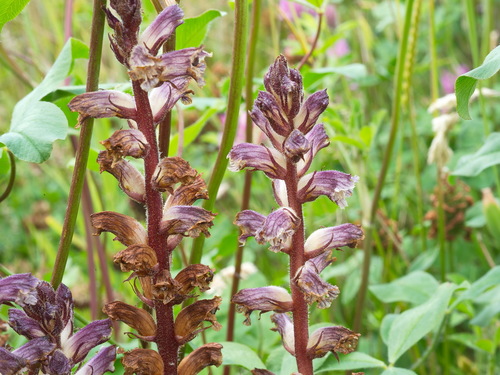
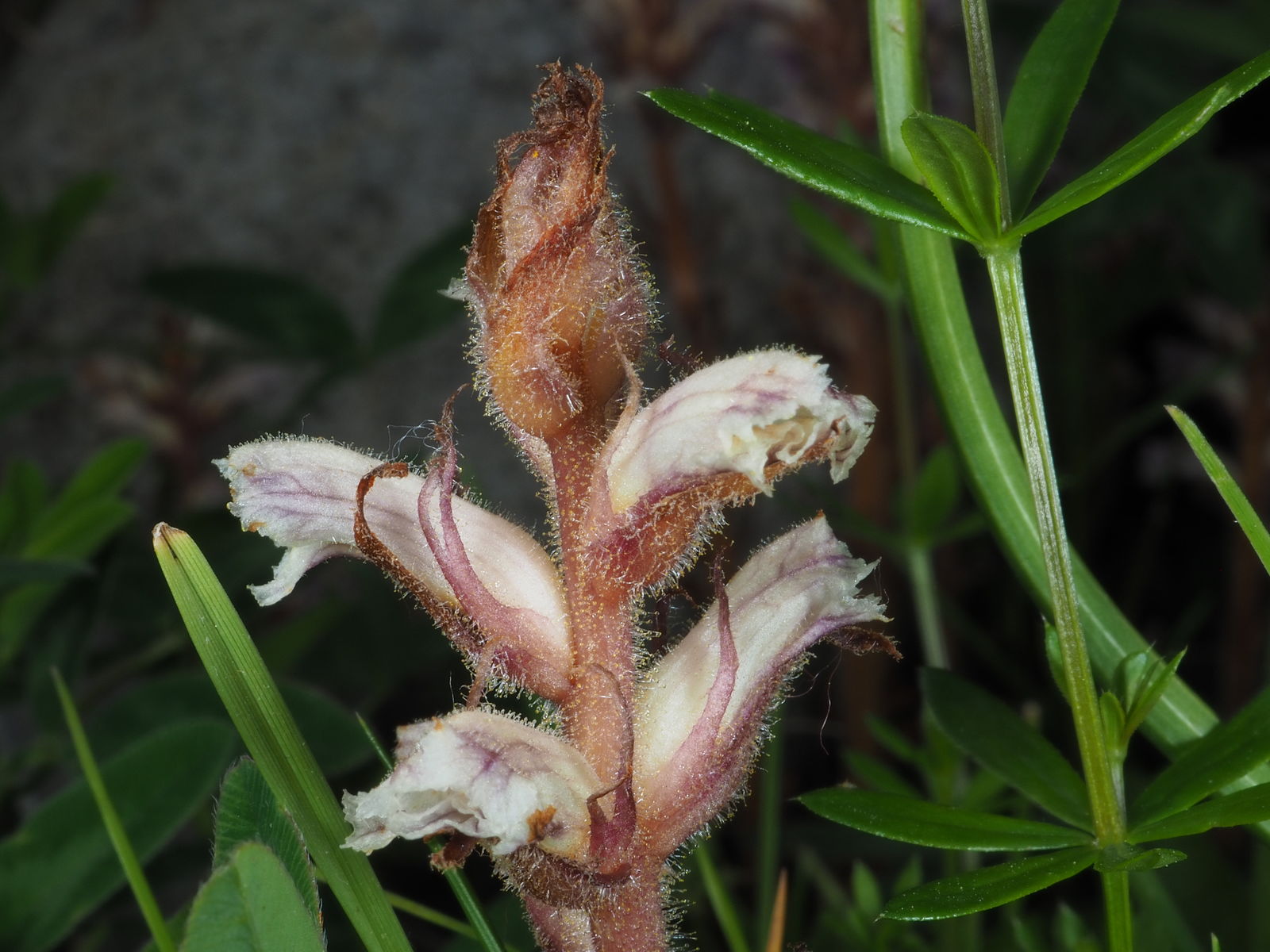
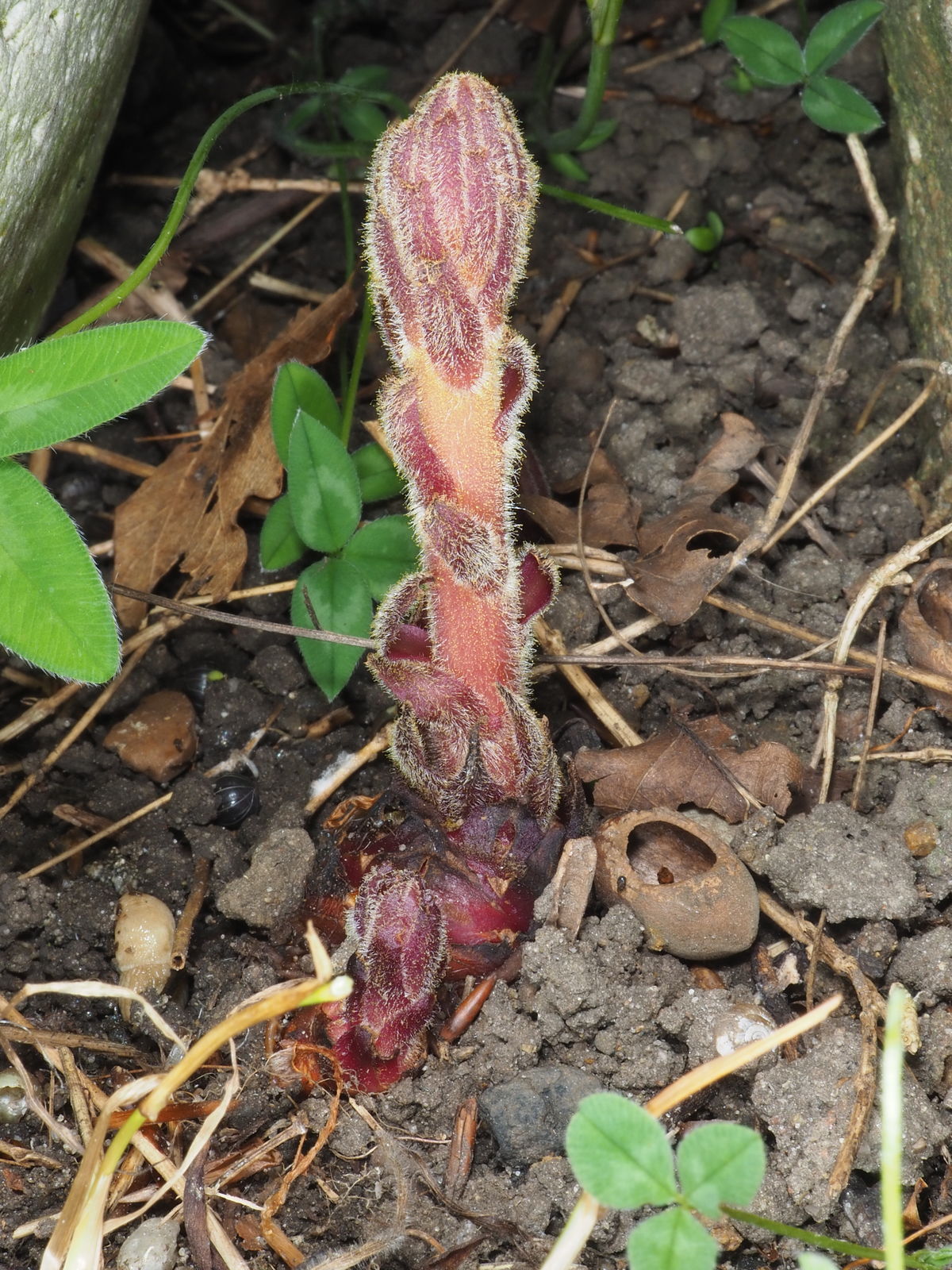
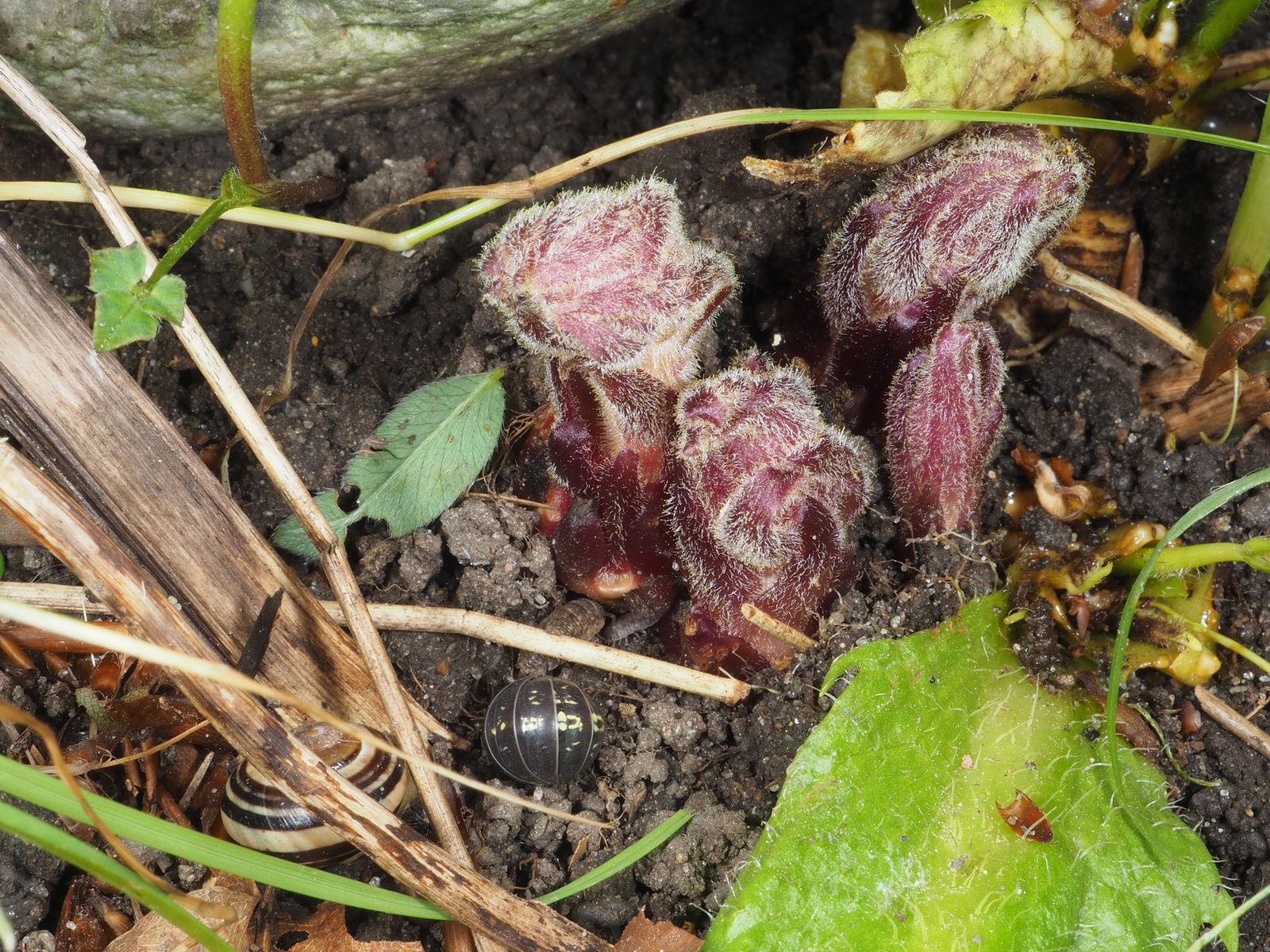
A parasitic herbaceous plant lacking chlorophyll, typically found attached to the roots of host plants.
Benefits & Perks
["rare/collector’s item"]
Botanical Classification
| Phylum: | Magnoliophyta |
| Class: | Magnoliopsida |
| Order: | Lamiales |
| Family: | Orobanchaceae |
| Genus: | Orobanche |
| Botanical Name: | Orobanche minor |
Plant Characteristics
Basic Information
- Category: Herbs & Weeds
- Suitable Location: parasitic on roots of host plants in open, disturbed areas
- Suitable For:
- Is Weed: No
- Allergenicity: low
Environmental Needs
- Climate: {"temperatureRange":"10–30°C"}
- Hardiness: {"zones":"5–9"}
- Misting: not required
- Drainage: Fast-draining for host plant.
- Soil Type: Well-draining soil for host plant; Orobanche minor thrives in host soil.
Maintenance Level
- Maintenance Level: very low
- Toughness Level: very low
- Pruning Frequency: N/A
- Pruning Intensity: N/A
Care Details
Ideal Sunlight Coverage:
Host plant requires full sun to partial shade (6–8 hours/day); Orobanche minor thrives in shaded conditions beneath the host.
Sunlight Tolerance Tips:
Acclimate host plant gradually to sunlight; Avoid direct sun on Orobanche minor; Place in a location where host plant receives adequate light but Orobanche minor remains shaded.
Care Requirements
Care Difficulty
expert onlychallenging
Sunlight
partial shade
Host plant needs bright light; Orobanche minor prefers shade; Adjust placement based on host plant needs.
Watering
rarely required, only when soil is completely dry
Water only the host plant, ensure host plant soil is moist but not waterlogged, monitor host plant health for signs of overwatering.
Soil
well-drained, sandy soil
pH: Host plant: 6.0–7.5; Orobanche minor: Adapts to host soil pH.
Host plant needs well-draining soil; Orobanche minor relies on host soil; Avoid waterlogged conditions.
Temperature
Host plant: 15–30°C; Orobanche minor: Tolerates same range as host, but thrives in cooler conditions (15–25°C).
Monitor host plant temperature; Adjust care based on host plant needs; Protect from extreme temperatures.
Fertilizing
not required
Fertilize host plant, not Orobanche minor; Use balanced fertilizer; Avoid over-fertilization.
Propagation
Methods
Seed propagation on a suitable host plant; Germination requires contact with host roots.
Step-by-Step Propagation Guide
- Sow seeds near host plant roots.
- Ensure soil contact.
- Maintain moisture.
- Monitor for germination.
Best Time: Spring or early summer when host plants are actively growing.
Environment
Warm, humid conditions; Host plant should be healthy and actively growing.
Medium
Host plant soil with good drainage; No specific medium needed for Orobanche minor.
Hormone
Not applicable; Orobanche minor does not require rooting hormone.
Timeline
Germination: 2–4 weeks; Establishment: 1–2 months.
Tools Needed
Seeds, host plant, water, soil.
Quick Tips
Use fresh seeds; Ensure close proximity to host roots; Maintain consistent moisture.
Pruning & Repotting
Pruning Guide
Method
N/A
Pruning Plan
Not applicable; Orobanche minor does not require pruning.
Tools
N/A
Checklist
N/A
Repotting Guide
Best Season
Spring for host plant; Orobanche minor remains with host.
Pot Size
One size up for host plant; No change for Orobanche minor.
Method
Repot host plant carefully to avoid disturbing Orobanche minor; Ensure good drainage.
Suggestions
Repot host plant if necessary; Orobanche minor does not require repotting.
Checklist
Repot host plant only; Ensure minimal disturbance to Orobanche minor; Use well-draining soil.
Advanced Care Tips
Watering Mastery
Watering Checklist
Check host plant soil moisture; Water host plant only; Avoid direct watering of Orobanche minor; Ensure proper drainage.
How to Apply Water Properly
Water the host plant at the root zone, ensure water penetrates deeply but drains well, avoid wetting Orobanche minor directly unless necessary for germination.
Watering Schedule Tips
Water sparingly, as Orobanche minor is a parasitic plant and relies on host plants for moisture. Avoid direct watering unless cultivating the host plant.
Soil Improvement
Add perlite or sand to host plant soil for drainage; Ensure soil is loose and aerated.
Temperature Stress Management
Signs of Temperature Issues
Host plant: Wilting, leaf drop; Orobanche minor: Failure to germinate or develop, yellowing of host plant.
Cold Stress
Host plant: Stunted growth, leaf damage; Orobanche minor: Inhibited germination, reduced parasitic activity.
Solution: Protect host plant from frost; Use mulch to insulate roots; Move potted host plants indoors if temperatures drop below 10°C.
Hot Stress
Host plant: Wilting, leaf scorch; Orobanche minor: Reduced parasitic activity, potential host plant decline.
Solution: Provide shade for host plant during peak heat; Increase watering for host plant; Ensure good air circulation.
Fertilizing Guide
Fertilizing Checklist
Fertilize host plant only; Use diluted fertilizer; Apply during growing season.
Fertilizing Method
Fertilize the host plant only, using a balanced liquid fertilizer diluted to half strength every 4–6 weeks during growing season.
Common Problems & Solutions
Toxicity Warning
Cats
ToxicOrobanche minor is toxic to cats, with the entire plant containing compounds that can induce toxicity. Ingestion can lead to gastrointestinal distress and other systemic reactions in felines.
⚠️ Symptoms:
🌿 Toxic Parts:
⚡ Toxic If:
if eaten
Dogs
ToxicThe entire plant of Orobanche minor is toxic to dogs. The alkaloids and other compounds present can cause gastrointestinal upset and other systemic effects in canines.
⚠️ Symptoms:
🌿 Toxic Parts:
⚡ Toxic If:
if eaten
Humans
ToxicOrobanche minor is considered toxic due to the presence of various alkaloids and other secondary metabolites that can cause adverse physiological effects upon ingestion. These compounds interfere with normal metabolic processes, potentially leading to significant health issues.
⚠️ Symptoms:
🌿 Toxic Parts:
⚡ Toxic If:
if eaten
Frequently Asked Questions
Q: Is Orobanche minor toxic to humans?
A: The toxicity of Orobanche minor to humans is unknown.
Q: How does Orobanche minor grow?
A: It is a parasitic plant that grows by attaching to the roots of host plants and lacks chlorophyll.
Q: Is Orobanche minor suitable for beginners?
A: No, it is challenging to cultivate and is best suited for expert botanists or collectors.
Quick Reference

| Family: | Orobanchaceae |
| Care: | expert only |
| Light: | partial shade |
| Water: | rarely required, only when soi |
Get Expert Care Tips
Download the Plantious app for personalized care reminders and plant identification!
Google Play App Store