Indian Pipe
monotropa uniflora
Also known as: ["Ghost Plant","Corpse Plant","Boneset"]
Overview
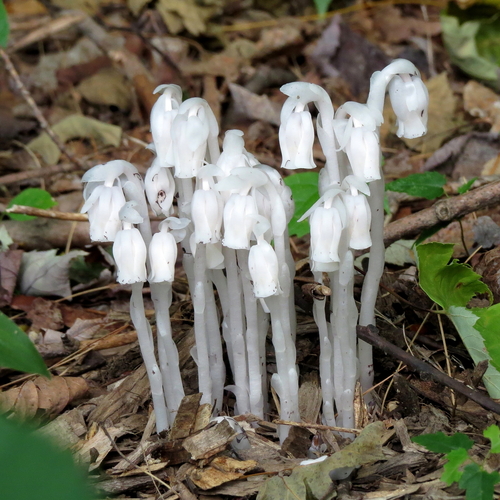
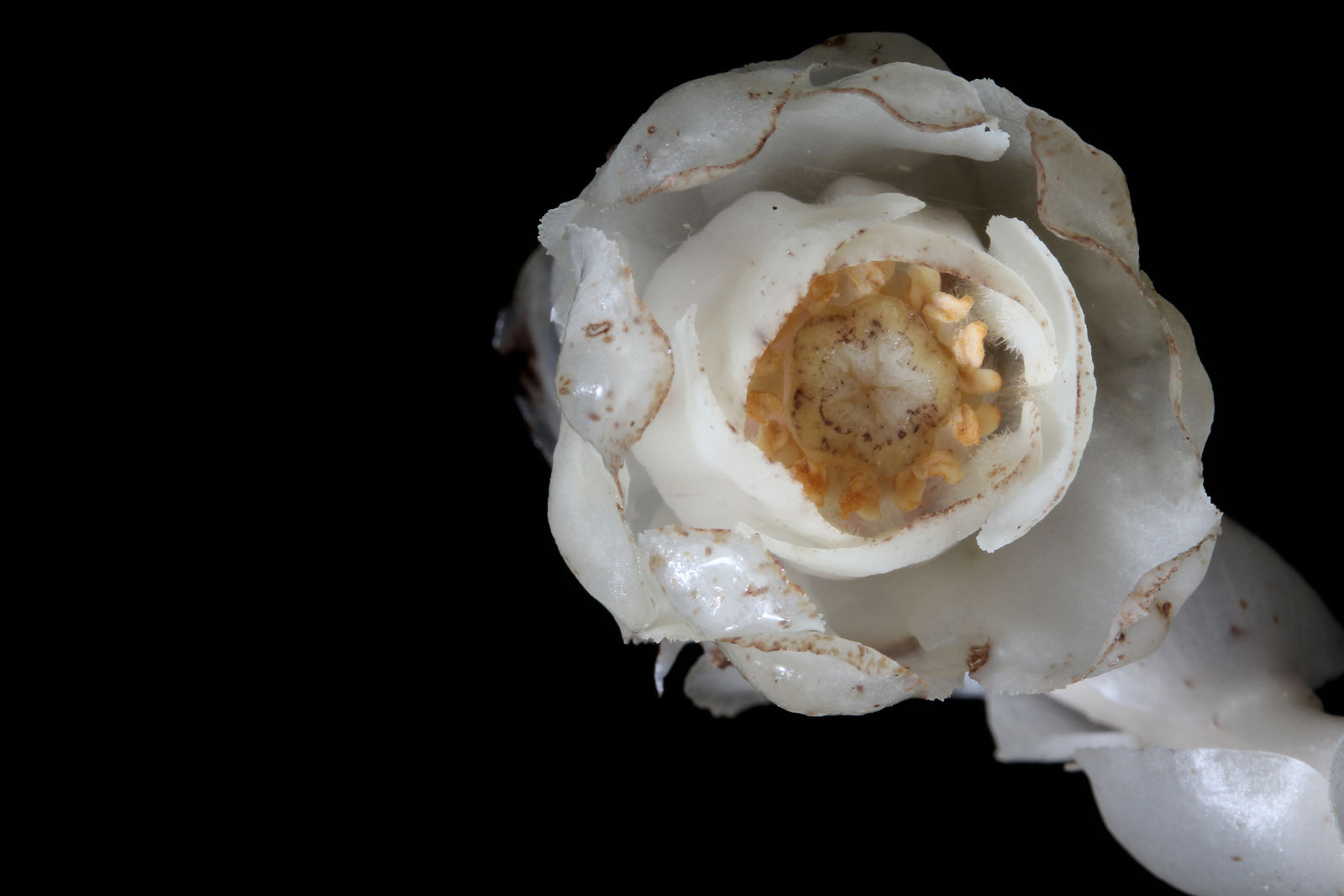
A unique, white, chlorophyll-free herbaceous plant that grows in dark, shaded forests, deriving nutrients from mycorrhizal fungi.
Benefits & Perks
["rare/collector’s item","wildlife attractant (bees, butterflies, birds)"]
Botanical Classification
| Phylum: | Magnoliophyta |
| Class: | Magnoliopsida |
| Order: | Ericales |
| Family: | Ericaceae |
| Genus: | Monotropa |
| Botanical Name: | Monotropa uniflora |
Plant Characteristics
Basic Information
- Category: Flowers
- Suitable Location: forest floor under dense canopy
- Suitable For:
- Is Weed: No
- Allergenicity: low
Environmental Needs
- Climate: {"temperatureRange":"0–30°C"}
- Hardiness: {"zones":"3–8"}
- Misting: not required
- Drainage: Well-draining but moisture-retentive.
- Soil Type: Mycorrhizal-rich, acidic, well-draining soil; often found in forest duff.
Maintenance Level
- Maintenance Level: very high
- Toughness Level: very low
- Pruning Frequency: As needed, typically annually or when dead material is present.
- Pruning Intensity: Light; remove only dead or diseased parts.
Care Details
Ideal Sunlight Coverage:
No direct sunlight; thrives in deep shade or indirect, dappled light.
Sunlight Tolerance Tips:
Acclimate slowly if moving from darker to brighter conditions; avoid any direct sun exposure; ideal for shaded forest floors or north-facing indoor locations.
Care Requirements
Care Difficulty
expert onlychallenging
Sunlight
deep shade
Avoid direct sun; keep in deep shade; mimic forest floor conditions.
Watering
rarely required, as it is a mycoheterotroph
Water only when soil is very dry; avoid overwatering; ensure excellent drainage.
Soil
acidic, humus-rich forest soil
pH: Acidic, pH 4.5–5.5.
Use acidic soil; ensure mycorrhizal presence; maintain moisture without waterlogging.
Temperature
Cool temperatures, ideally 50–65°F (10–18°C); prefers stable, cool conditions year-round.
Keep cool; avoid heat; protect from frost.
Fertilizing
not applicable, as it derives nutrients from fungi
Do not fertilize; nutrients are obtained symbiotically; avoid chemical fertilizers.
Propagation
Methods
Division of rhizomes or seed propagation (challenging due to mycoheterotrophic nature).
Step-by-Step Propagation Guide
- Carefully divide rhizomes.
- Plant in mycorrhizal soil.
- Maintain cool, shaded conditions.
- For seeds, sow in sterile mycorrhizal medium and keep moist.
Best Time: Early spring or late summer when temperatures are cool and stable.
Environment
High humidity, cool temperatures, and deep shade.
Medium
Mycorrhizal-rich soil mix, often requiring specialized conditions.
Hormone
Not applicable; relies on fungal symbiosis for growth.
Timeline
Slow; rhizome division may show results in 1–2 months; seed propagation can take years.
Tools Needed
Sharp knife, sterile soil, humidity dome, shade cloth.
Quick Tips
Ensure mycorrhizal presence; maintain cool, shaded conditions; be patient with growth.
Pruning & Repotting
Pruning Guide
Method
Snip off dead or damaged parts with clean cuts.
Pruning Plan
Minimal pruning; focus on removing dead or damaged parts to maintain health.
Tools
Pruning shears, sterilizing solution.
Checklist
Identify dead/damaged parts; sterilize tools; make clean cuts; dispose of removed material.
Repotting Guide
Best Season
Early spring before new growth begins.
Pot Size
One size up; ensure the new pot has adequate drainage holes.
Method
Gently remove plant; trim any dead roots; repot in mycorrhizal-rich soil with excellent drainage; avoid disturbing the root system excessively.
Suggestions
Repot only if the plant is outgrowing its container or soil quality declines; infrequent repotting is preferred.
Checklist
Check root health; use mycorrhizal soil; ensure drainage; minimal root disturbance.
Advanced Care Tips
Watering Mastery
Watering Checklist
Check soil dryness; water at soil level; ensure drainage; avoid wetting foliage.
How to Apply Water Properly
Water directly at the soil level, ensuring moisture reaches the root zone without saturating. Water in the morning to allow foliage to dry. Ensure excess water drains away completely.
Watering Schedule Tips
Water sparingly, allowing soil to dry nearly completely between waterings. Reduce frequency in winter to prevent root rot.
Soil Improvement
Incorporate organic matter like leaf mold; ensure mycorrhizal fungi are present; maintain acidic pH.
Temperature Stress Management
Signs of Temperature Issues
Wilting, leaf drop, or cessation of growth in excessively warm conditions; root rot in overly cold or waterlogged soil.
Cold Stress
Can tolerate cold but is sensitive to freezing temperatures, which may damage roots or cause dieback.
Solution: Protect from frost; ensure soil does not freeze; provide a layer of mulch for insulation in colder climates.
Hot Stress
Excessive heat can cause wilting, leaf scorch, or cessation of growth due to stress.
Solution: Provide shade; increase humidity; ensure consistent, cool watering; move to a cooler location if possible.
Fertilizing Guide
Fertilizing Checklist
No fertilization needed; ensure mycorrhizal fungi are present; avoid nutrient-rich soil.
Fertilizing Method
Does not require fertilization; is mycoheterotrophic, deriving nutrients from fungi in the soil.
Common Problems & Solutions
Toxicity Warning
Cats
Non-toxicMonotropa uniflora is not toxic to cats. The plant lacks any known toxic compounds that would pose a health risk to felines.
⚡ Toxic If:
if eaten
Dogs
Non-toxicMonotropa uniflora has no known toxic effects on dogs. The plant does not contain any known harmful substances that would cause adverse reactions in canines.
⚡ Toxic If:
if eaten
Humans
Non-toxicMonotropa uniflora, commonly known as Indian pipe or ghost plant, is a mycoheterotrophic plant that lacks chlorophyll and derives its nutrients from fungi. It is not known to produce any toxic compounds and has no reported adverse effects on humans.
⚡ Toxic If:
if eaten
Frequently Asked Questions
Q: Is Monotropa uniflora a flowering plant?
A: Yes, it is a flowering plant, though it lacks chlorophyll and appears white.
Q: How does Monotropa uniflora obtain nutrients?
A: It is mycoheterotrophic, deriving nutrients from mycorrhizal fungi associated with tree roots.
Q: Is Monotropa uniflora toxic?
A: Its toxicity is unknown, and it is not typically consumed by humans or pets.
Quick Reference



| Family: | Ericaceae |
| Care: | expert only |
| Light: | deep shade |
| Water: | rarely required, as it is a my |
Get Expert Care Tips
Download the Plantious app for personalized care reminders and plant identification!
Google Play App Store