Potato
solanum tuberosum
Also known as: ["Irish potato","white potato"]
Overview
A starchy tuberous crop widely cultivated for its edible tubers, which are a staple food in many cultures.
Benefits & Perks
["edible fruits","culinary herb","disease resistant"]
Botanical Classification
| Phylum: | Magnoliophyta |
| Class: | Magnoliopsida |
| Order: | Solanales |
| Family: | Solanaceae |
| Genus: | Solanum |
| Botanical Name: | Solanum tuberosum |
Plant Characteristics
Basic Information
- Category: Vegetables
- Suitable Location: garden bed or raised bed in full sun
- Suitable For:
- Is Weed: No
- Allergenicity: low
Environmental Needs
- Climate: {"temperatureRange":"7–29°C"}
- Hardiness: {"zones":"3–10"}
- Misting: rarely required, only if grown in very dry conditions
- Drainage: Well-draining to prevent waterlogging.
- Soil Type: Loamy, fertile soil with good organic matter.
Maintenance Level
- Maintenance Level: moderate
- Toughness Level: moderate
- Pruning Frequency: As needed; after flowering or when foliage declines in fall.
- Pruning Intensity: Light to moderate; remove only damaged or yellowing leaves.
Care Details
Ideal Sunlight Coverage:
Full sun (6–8 hours/day); adjust for intense summer sun with partial shade.
Sunlight Tolerance Tips:
Acclimate gradually to intense sun; protect from scorching midday rays; provide shade during peak summer.
Care Requirements
Care Difficulty
easymoderate
Sunlight
full sun
Rotate plant for even light; use sheer curtains in summer; avoid direct afternoon sun.
Watering
every 7–14 days, depending on soil moisture and climate
Water at the base, avoid wetting foliage, and ensure soil dries between waterings.
Soil
well-drained, loamy soil with high organic matter
pH: Slightly acidic to neutral (pH 5.0–7.0).
Mulch to retain moisture; avoid compacted soil; test pH annually.
Temperature
60–80°F (15–27°C); cooler nights (50–60°F) promote tuber formation.
Protect from frost; avoid sudden temperature swings; ensure good air circulation.
Fertilizing
every 4–6 weeks during active growth with a balanced fertilizer
Reduce fertilizer in winter; apply after watering to prevent root burn; avoid foliage contact.
Propagation
Methods
Tubers or seed (less common); cuttings from sprouts can also be used.
Step-by-Step Propagation Guide
- Select healthy tubers or cuttings.
- Plant in medium.
- Maintain moisture and warmth.
- Transplant when rooted.
Best Time: Spring, when tubers begin to sprout or after last frost.
Environment
Warm (65–75°F), humid, and bright indirect light.
Medium
Potting mix with perlite or sand for drainage.
Hormone
Not typically needed for tubers; optional for cuttings.
Timeline
Tubers sprout in 2–4 weeks; cuttings root in 3–6 weeks.
Tools Needed
Sharp knife, pots, rooting medium, misting spray
Quick Tips
Use whole or cut tubers with at least one eye; keep soil consistently moist but not waterlogged.
Pruning & Repotting
Pruning Guide
Method
Snip stems just above a leaf node or bud; avoid cutting into healthy growth.
Pruning Plan
Minimal pruning; focus on removing dead or diseased foliage to improve air circulation.
Tools
Pruning shears, sterilized knife
Checklist
Sterilize tools, remove dead/diseased parts, clean up debris, monitor for regrowth
Repotting Guide
Best Season
Spring, before active growth begins.
Pot Size
One size larger pot if container-grown; in-ground plants do not require repotting.
Method
Gently lift tubers, trim roots if necessary, replant in fresh soil with good drainage.
Suggestions
Repot only if overcrowded or soil is depleted; typically not needed for tubers grown in-ground.
Checklist
Prepare new pot, inspect roots, trim if needed, use fresh soil, water lightly after repotting
Advanced Care Tips
Watering Mastery
Watering Checklist
Check soil moisture, water deeply, ensure drainage, avoid foliage wetting
How to Apply Water Properly
Water thoroughly until it drains from the bottom, ensuring even moisture but not waterlogging, preferably in the morning.
Watering Schedule Tips
Water deeply once the top 2–3 inches of soil are dry; reduce frequency in winter to prevent rot.
Soil Improvement
Add compost or well-rotted manure; incorporate perlite or sand for drainage.
Temperature Stress Management
Signs of Temperature Issues
Wilting, yellowing leaves, stunted growth, or failure to tuberize.
Cold Stress
Slows growth, may cause frost damage or tuber rot in prolonged cold.
Solution: Use row covers or move containers indoors; ensure well-drained soil to prevent rot.
Hot Stress
Leaves may wilt or scorch, tuber development can be hindered.
Solution: Provide shade during peak heat, increase watering, and mulch to retain soil moisture.
Fertilizing Guide
Fertilizing Checklist
Use diluted fertilizer, apply to soil, avoid foliage, follow schedule
Fertilizing Method
Balanced, water-soluble fertilizer (10-10-10) every 4–6 weeks during growing season; avoid high nitrogen in late growth.
Common Problems & Solutions
Toxicity Warning
Cats
Slightly ToxicCats are also susceptible to solanine toxicity from Solanum tuberosum, especially from sprouts, green tubers, and leaves. The toxic effects can lead to gastrointestinal and neurological disturbances in cats.
⚠️ Symptoms:
🌿 Toxic Parts:
⚡ Toxic If:
if eaten
Dogs
Slightly ToxicDogs are susceptible to solanine toxicity from Solanum tuberosum, particularly from sprouts, green tubers, and leaves. Solanine can cause gastrointestinal upset and neurological symptoms in dogs, similar to those in humans.
⚠️ Symptoms:
🌿 Toxic Parts:
⚡ Toxic If:
if eaten
Humans
Slightly ToxicSolanum tuberosum, commonly known as the potato, contains solanine, a glycoalkaloid toxin. Solanine is produced in higher concentrations when the plant is stressed or exposed to light, leading to the greening of tubers and sprouts. Ingestion of these parts can cause gastrointestinal and neurological disturbances.
⚠️ Symptoms:
🌿 Toxic Parts:
⚡ Toxic If:
if eaten
Frequently Asked Questions
Q: Is potato skin edible?
A: Yes, potato skin is edible and nutritious, but it should be thoroughly washed and cooked.
Q: Can potatoes be grown in containers?
A: Yes, potatoes can be grown in containers as long as they are deep enough to accommodate tuber growth.
Q: Are all parts of the potato plant edible?
A: Only the tubers are edible; the leaves and flowers contain solanine and are toxic.
Quick Reference
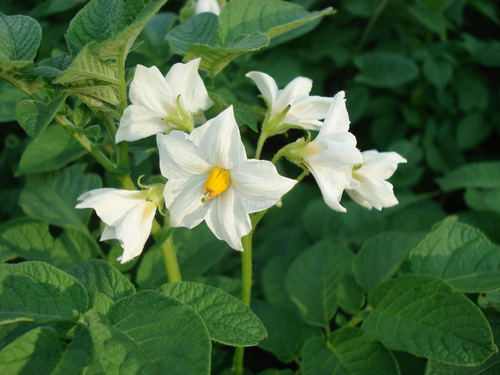
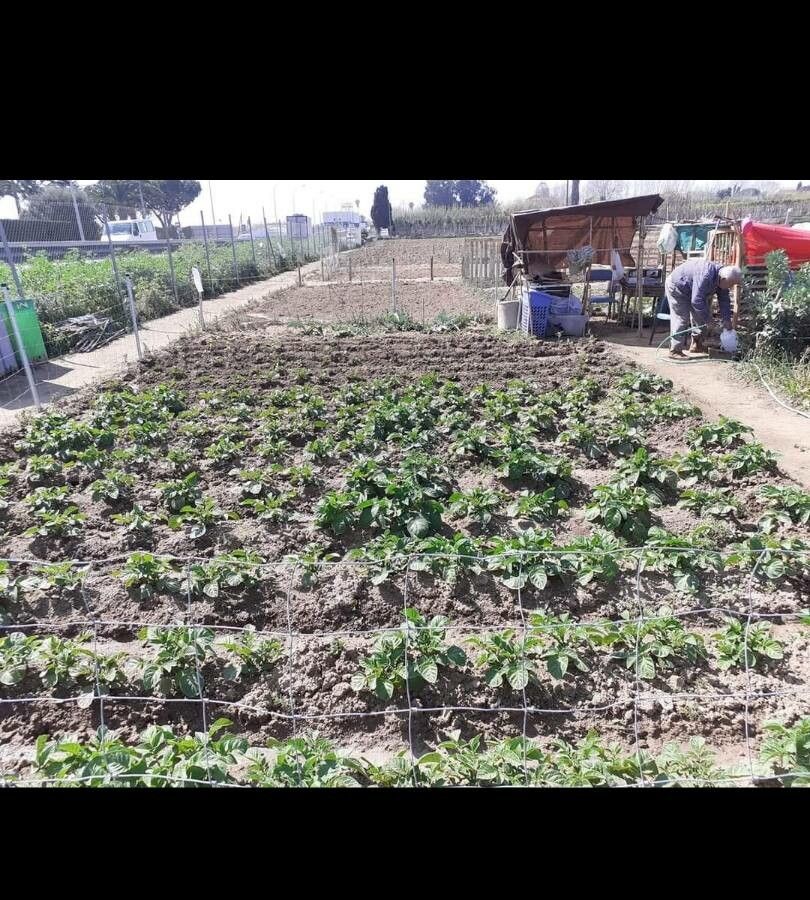


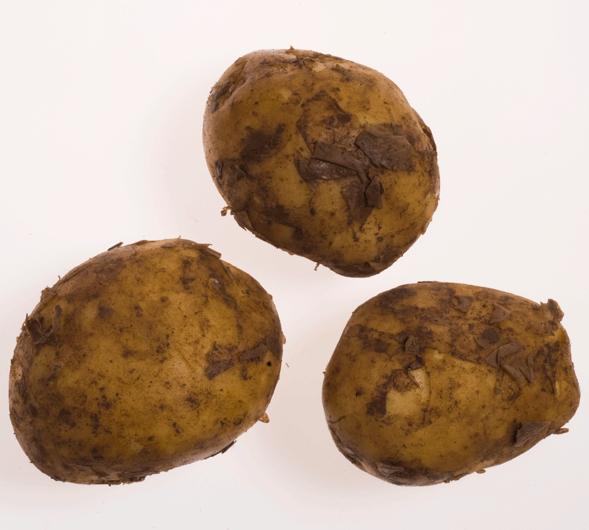
| Family: | Solanaceae |
| Care: | easy |
| Light: | full sun |
| Water: | every 7–14 days, depending o |
Get Expert Care Tips
Download the Plantious app for personalized care reminders and plant identification!
Google Play App Store