Lettuce
lactuca sativa
Also known as: ["Garden Lettuce","Common Lettuce"]
Overview
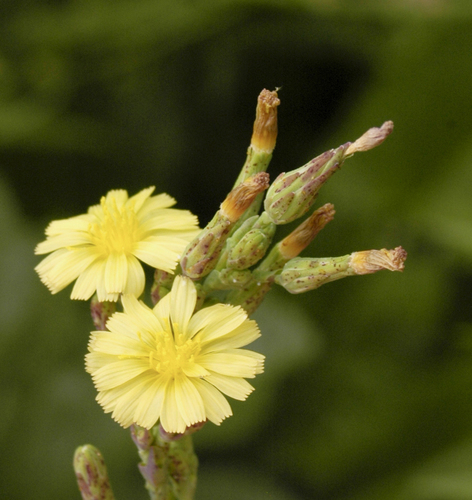
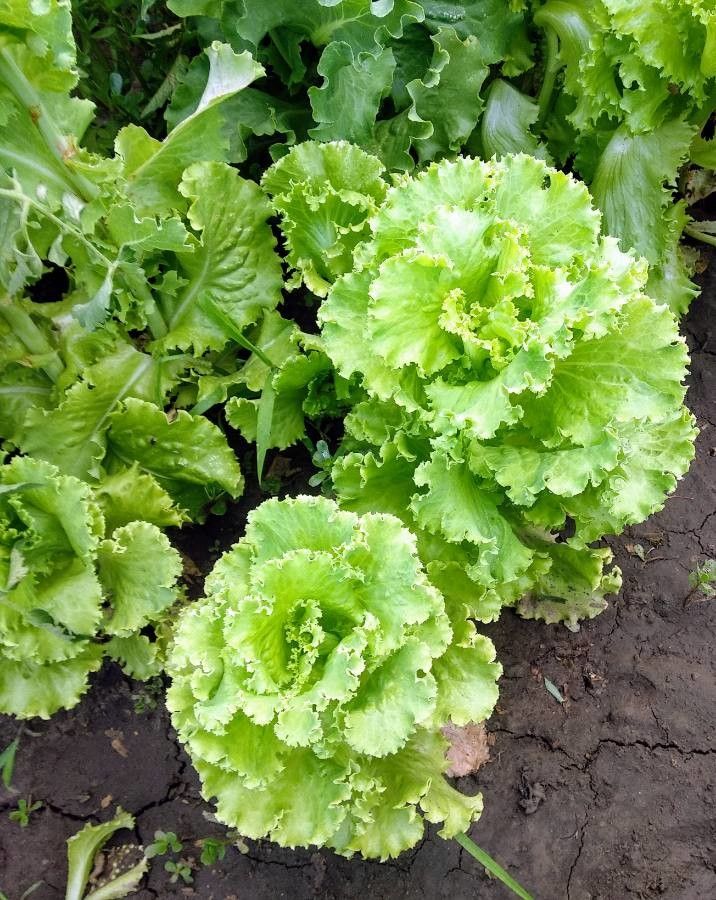
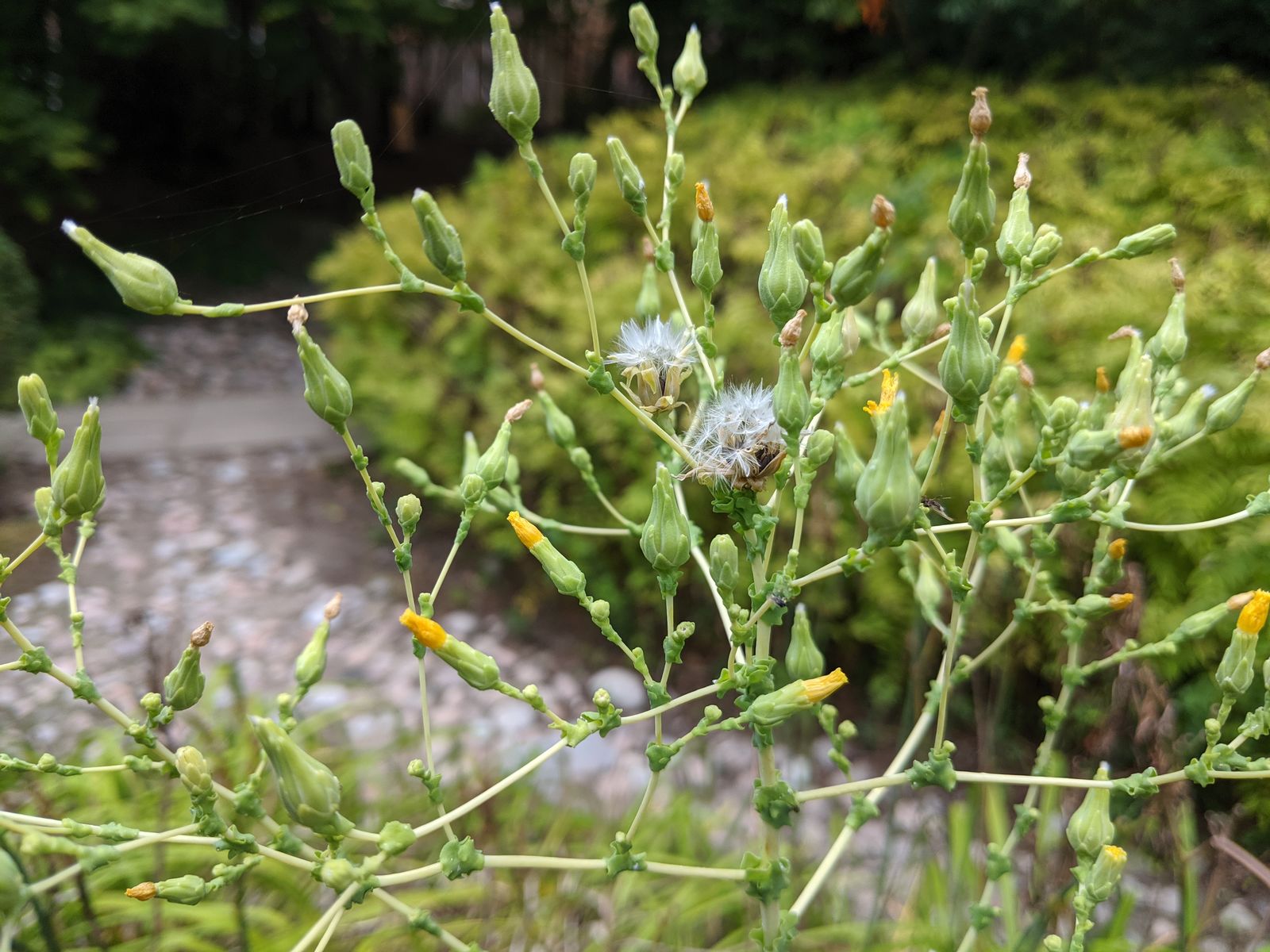
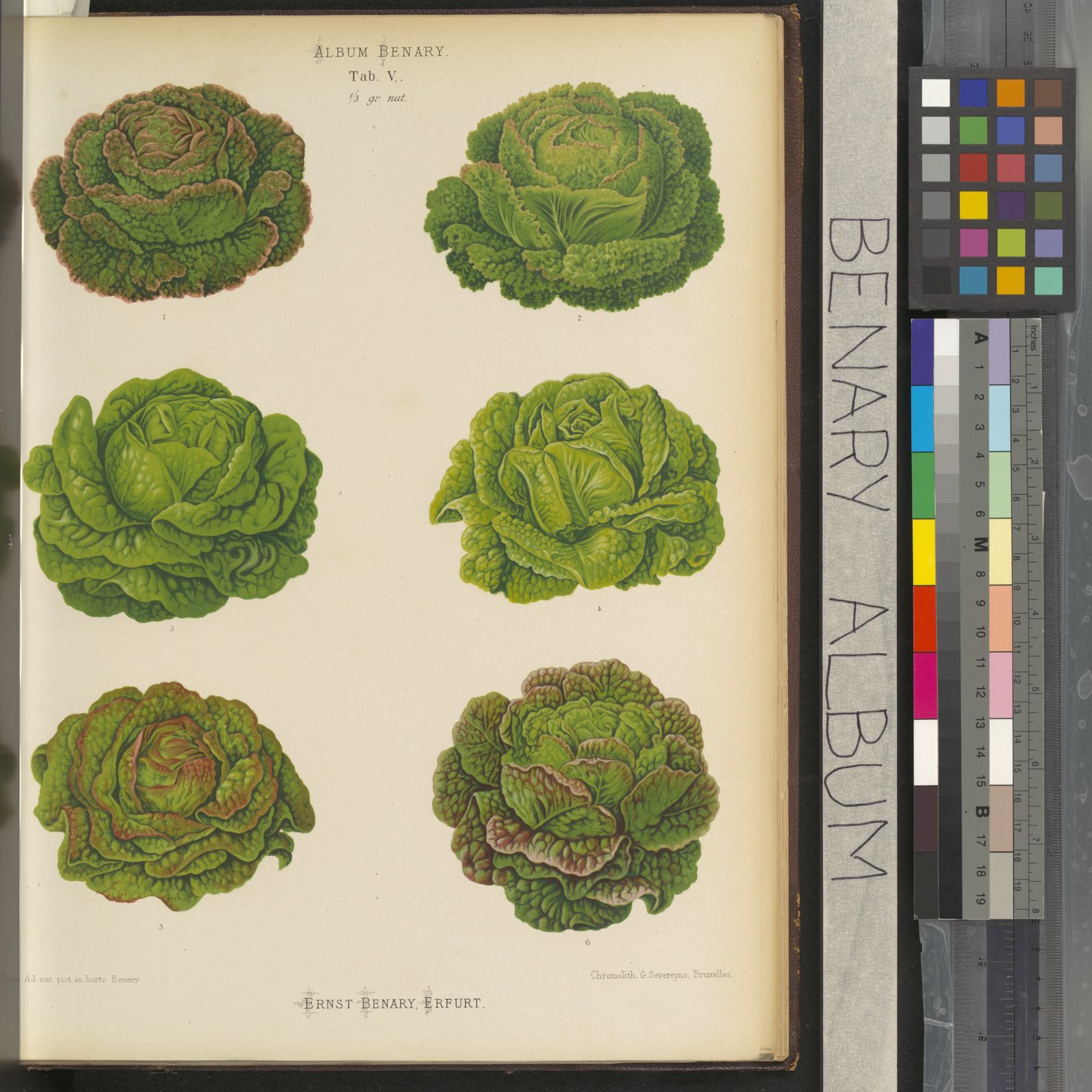
An annual plant cultivated for its leaves, which are used in salads and various culinary dishes.
Benefits & Perks
["edible fruits","fast growing","low maintenance"]
Botanical Classification
| Phylum: | Magnoliophyta |
| Class: | Magnoliopsida |
| Order: | Asterales |
| Family: | Asteraceae |
| Genus: | Lactuca |
| Botanical Name: | Lactuca sativa |
Plant Characteristics
Basic Information
- Category: Vegetables
- Suitable Location: garden bed or container in a location with at least 6 hours of sunlight daily
- Suitable For:
- Is Weed: No
- Allergenicity: low
Environmental Needs
- Climate: {"temperatureRange":"7–29°C"}
- Hardiness: {"zones":"2–11"}
- Misting: rarely required
- Drainage: Well-draining to fast-draining.
- Soil Type: Loamy, well-draining soil with added organic matter for fertility.
Maintenance Level
- Maintenance Level: moderate
- Toughness Level: moderate
- Pruning Frequency: As needed for harvesting; no formal pruning schedule.
- Pruning Intensity: Light (harvesting only).
Care Details
Ideal Sunlight Coverage:
Full sun (6–8 hours of direct sunlight daily) for optimal growth; partial shade in extreme heat to prevent bolting.
Sunlight Tolerance Tips:
Acclimate seedlings gradually to full sun; protect from intense midday sun in hot climates; provide shade during heatwaves to prevent scorching.
Care Requirements
Care Difficulty
easyeasy
Sunlight
full sun to partial shade
Rotate plants for even light exposure; use shade cloth in excessive heat; avoid placing in drafty areas.
Watering
every 3–5 days, more frequently in hot weather
Water at the base to avoid leaf wetness, ensure soil is moist but not waterlogged, and avoid overhead watering to prevent disease.
Soil
well-draining, loamy soil with moderate organic matter
pH: 6.0–6.8 (slightly acidic to neutral).
Mulch to retain moisture; avoid compacted soil; test pH before planting.
Temperature
Ideal range 60–75°F (15–24°C); cooler temperatures (50–60°F) promote crisp leaves; heat above 80°F can trigger bolting.
Use shade cloth in summer; protect from frost; maintain consistent soil moisture.
Fertilizing
every 4–6 weeks during growing season
Avoid over-fertilizing to prevent bitterness; fertilize early in the growing season; water before applying fertilizer.
Propagation
Methods
Seeds, direct sown or started indoors 4–6 weeks before last frost.
Step-by-Step Propagation Guide
- Sow seeds ¼ inch deep.
- Thin seedlings to 6–8 inches apart.
- Water gently.
- Harden off before transplanting.
Best Time: Early spring for outdoor planting; late winter for indoor starts.
Environment
Warm (70°F), bright, and humid conditions for germination; full sun once established.
Medium
Standard seed starting mix or fine potting soil with good drainage.
Hormone
Not required for seeds.
Timeline
Germination in 7–14 days; harvest in 45–60 days from sowing.
Tools Needed
Seed trays, soil, water spray bottle, labels, and a sunny location.
Quick Tips
Sow thickly to ensure germination; keep soil consistently moist; thin seedlings early to prevent overcrowding.
Pruning & Repotting
Pruning Guide
Method
Cut leaves with a sharp knife or scissors, leaving the core intact for regrowth.
Pruning Plan
Minimal pruning needed; focus on harvesting outer leaves to encourage continuous growth.
Tools
Sharp scissors or a knife.
Checklist
Use clean tools; harvest outer leaves first; avoid damaging the central growing point.
Repotting Guide
Best Season
N/A (not applicable for annuals like lettuce).
Pot Size
N/A (not applicable).
Method
N/A (not applicable).
Suggestions
Not typically repotted; direct sowing or transplanting at seedling stage is standard.
Checklist
N/A (not applicable).
Advanced Care Tips
Watering Mastery
Watering Checklist
Check soil moisture before watering; water early morning; avoid wetting foliage; ensure proper drainage.
How to Apply Water Properly
Water directly at the root zone until the soil is evenly moist, ensuring water penetrates 6–8 inches deep. Allow excess water to drain freely, and water early in the morning to minimize evaporation.
Watering Schedule Tips
Water deeply 2–3 times per week during active growth, reducing frequency in cooler months or after maturity. Adjust based on rainfall and soil moisture retention.
Soil Improvement
Add compost or aged manure for fertility; incorporate perlite or sand for drainage; ensure loose, crumbly texture.
Temperature Stress Management
Signs of Temperature Issues
Yellowing leaves (cold stress), premature flowering (heat stress), stunted growth, or bitter taste.
Cold Stress
Low temperatures slow growth, cause leaf discoloration, and may lead to rot if combined with excess moisture.
Solution: Use row covers or cold frames for protection; ensure good drainage; avoid overwatering in cool conditions.
Hot Stress
Excessive heat accelerates bolting, reduces leaf quality, and may cause wilting or leaf burn.
Solution: Provide shade during peak heat; increase watering frequency; mulch to retain soil moisture.
Fertilizing Guide
Fertilizing Checklist
Use diluted fertilizer; apply to moist soil; avoid contact with leaves; follow package instructions.
Fertilizing Method
Use balanced liquid fertilizer (10-10-10) every 3–4 weeks during growth; reduce or stop fertilizing as plants mature or in cooler months.
Common Problems & Solutions
Toxicity Warning
Cats
Non-toxicLettuce is not considered toxic to cats and can be consumed in small amounts without adverse effects. It is not a typical part of a cat's diet but is not harmful in moderation.
⚡ Toxic If:
Generally non-toxic
Dogs
Non-toxicLettuce is not considered toxic to dogs and can be safely included in their diet in moderation. It provides some nutritional benefits and is often used as a low-calorie treat.
⚡ Toxic If:
Generally non-toxic
Humans
Non-toxicLactuca sativa, commonly known as lettuce, is generally considered non-toxic to humans and is widely consumed as a food crop. It is rich in vitamins and minerals and is a staple in many diets.
⚡ Toxic If:
Generally non-toxic
Frequently Asked Questions
Q: How often should lettuce be watered?
A: Lettuce should be watered regularly, keeping the soil consistently moist but not waterlogged.
Q: Can lettuce be grown indoors?
A: Yes, lettuce can be grown indoors in containers with adequate light and proper care.
Q: What are the common pests affecting lettuce?
A: Common pests include aphids, slugs, and snails.
Quick Reference

| Family: | Asteraceae |
| Care: | easy |
| Light: | full sun to partial shade |
| Water: | every 3–5 days, more frequen |
Get Expert Care Tips
Download the Plantious app for personalized care reminders and plant identification!
Google Play App Store