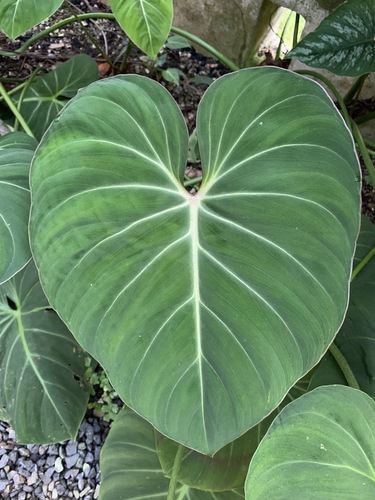
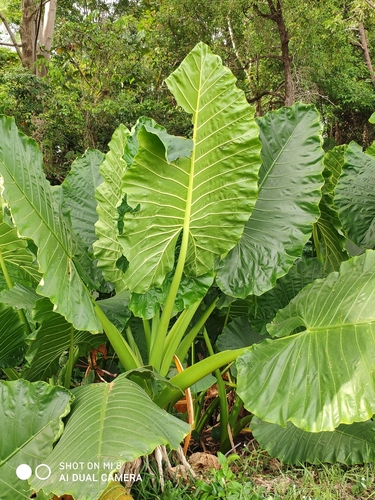
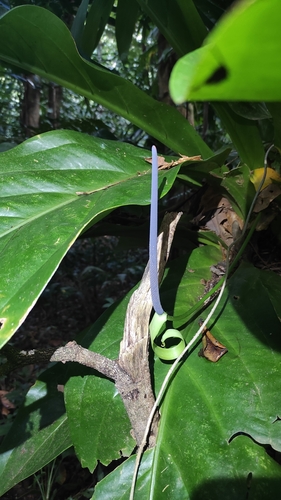
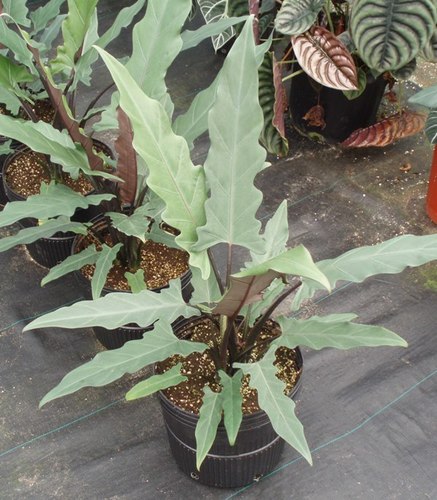
Water Lettuce
pistia stratiotes
Also known as: ["Navelwort","Shellflower"]
Overview
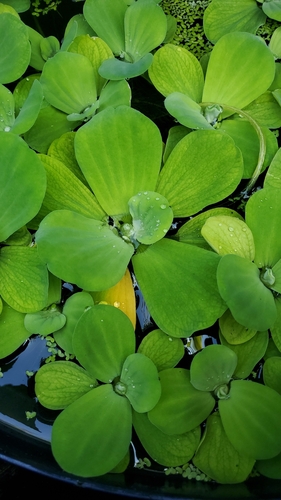
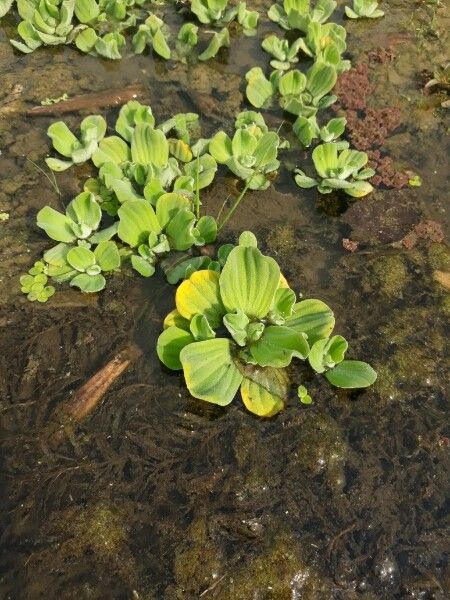
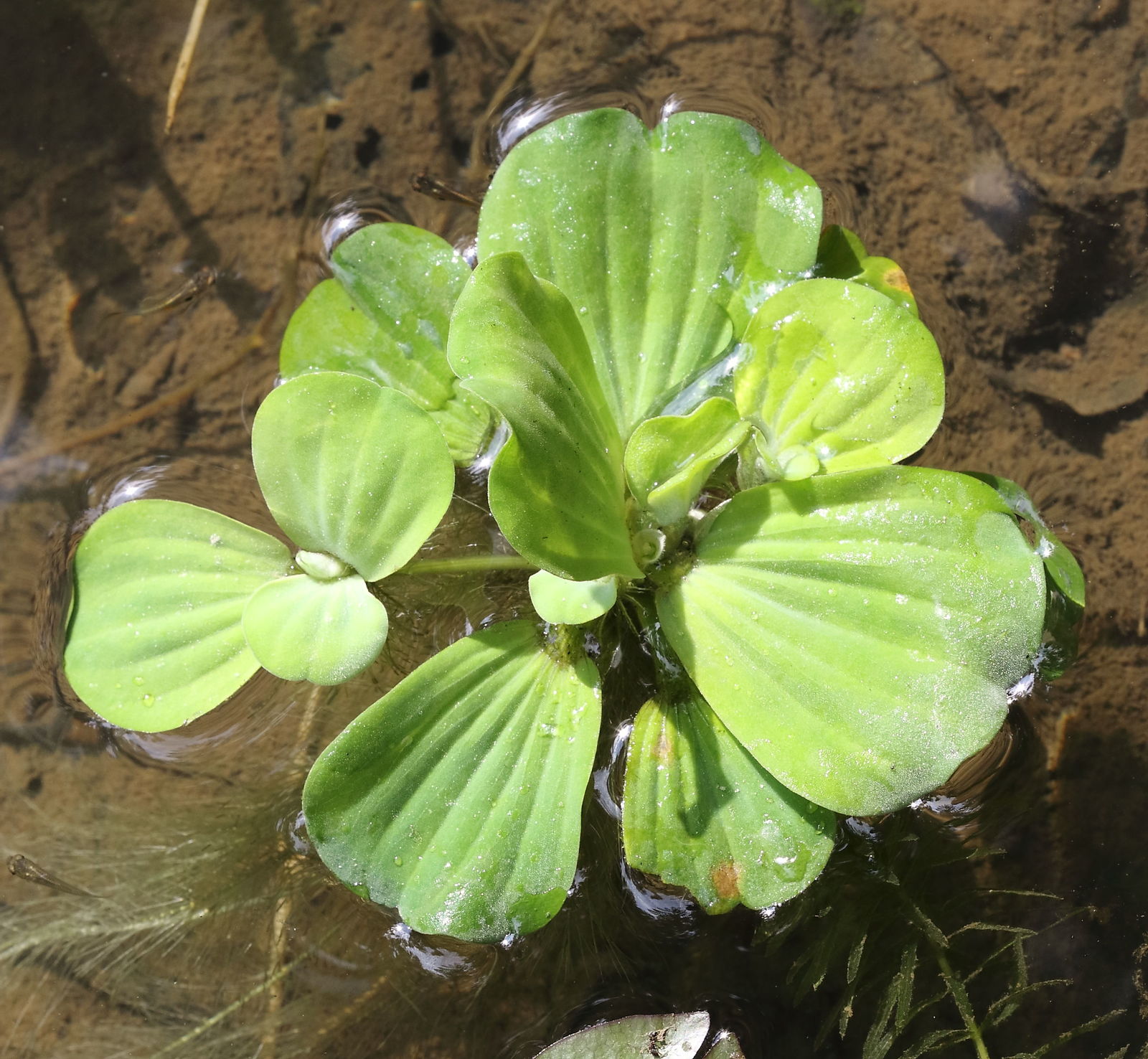
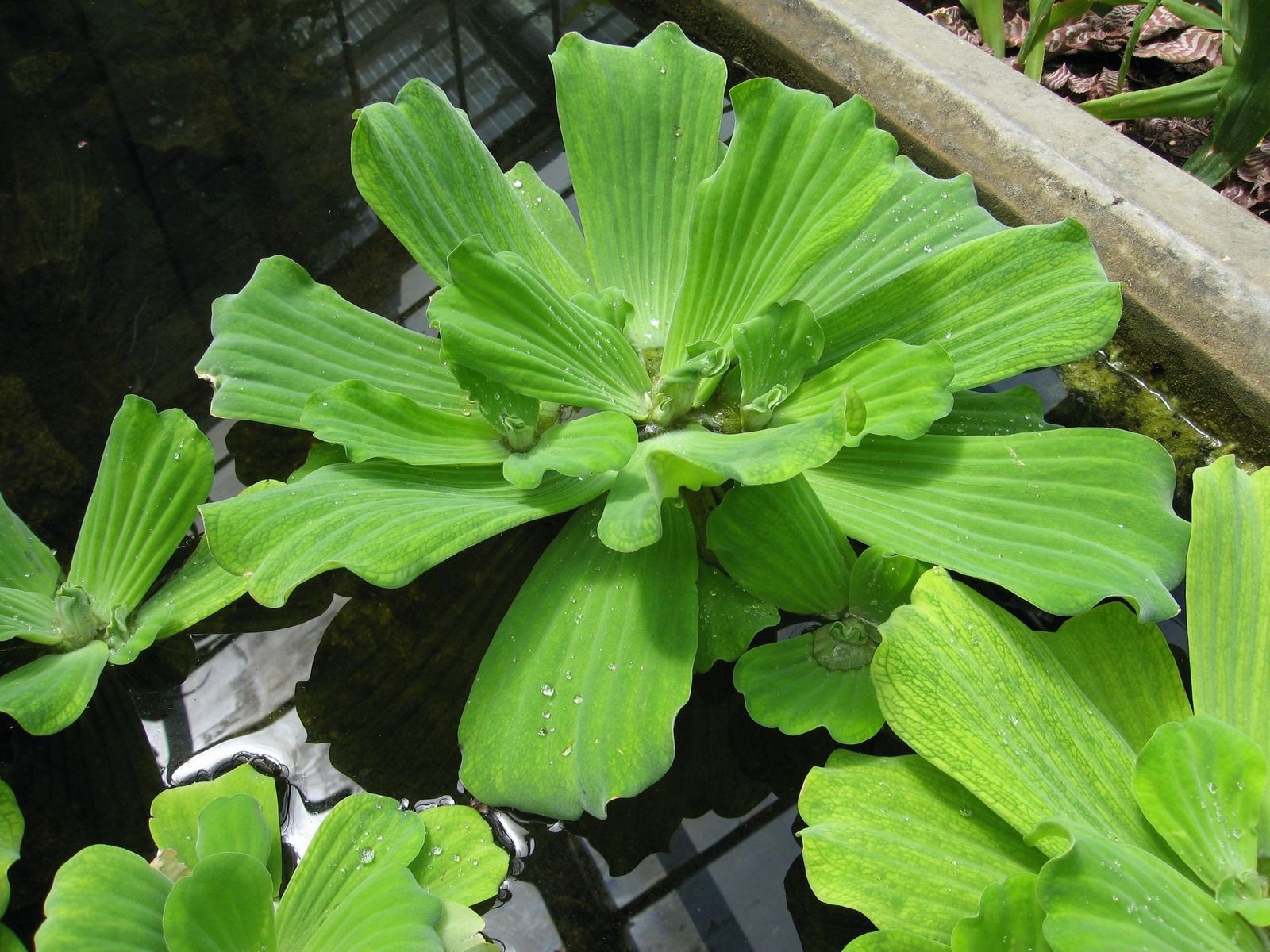
A free-floating aquatic plant with soft, light green, lettuce-like leaves that form a rosette, native to tropical regions.
Benefits & Perks
["shade tolerant","wildlife attractant (bees, butterflies, birds)","drought tolerant"]
Botanical Classification
| Phylum: | Magnoliophyta |
| Class: | Liliopsida |
| Order: | Alismatales |
| Family: | Araceae |
| Genus: | Pistia |
| Botanical Name: | Pistia stratiotes |
Plant Characteristics
Basic Information
- Category: Leaf Plants
- Suitable Location: still or slow-moving freshwater environments
- Suitable For:
- Is Weed: No
- Allergenicity: low
Environmental Needs
- Climate: {"temperatureRange":"10–30°C"}
- Hardiness: {"zones":"9–11"}
- Misting: rarely required
- Drainage: Not applicable; thrives in standing water.
- Soil Type: Not applicable; grows in water or very moist soil.
Maintenance Level
- Maintenance Level: low
- Toughness Level: moderate
- Pruning Frequency: As needed; whenever dead leaves are visible.
- Pruning Intensity: Light pruning; remove only damaged or yellowing leaves.
Care Details
Ideal Sunlight Coverage:
Bright indirect light; tolerates partial shade; adjust for seasonal light intensity.
Sunlight Tolerance Tips:
Acclimate gradually to direct sunlight to prevent scorching; place in shaded areas during peak summer hours; adjust indoor placement based on light availability.
Care Requirements
Care Difficulty
easyeasy
Sunlight
full sun to partial shade
Avoid direct midday sun; rotate plant for even light exposure; use sheer curtains to filter intense light.
Watering
daily in extreme heat, otherwise as needed to maintain water level
Maintain consistent submersion of roots; avoid stagnant water; provide fresh, nutrient-rich water.
Soil
not applicable (grows in water)
pH: Not applicable; tolerates a wide pH range in water.
Maintain clean water, use liquid fertilizer, avoid stagnant conditions.
Temperature
Thrives in warm temperatures (20–30°C); sensitive to cold below 10°C.
Protect from frost; avoid sudden temperature drops; maintain stable warm conditions.
Fertilizing
every 4–6 weeks during active growth
Fertilize only in warm months; flush water occasionally to prevent salt buildup; use a balanced aquatic plant fertilizer.
Propagation
Methods
Stolon division; separate small plantlets from the mother plant.
Step-by-Step Propagation Guide
- Separate plantlets from stolons, place in water or soil, ensure roots develop, then transplant.
Best Time: Spring or early summer when growth is active.
Environment
Warm, humid conditions with indirect light.
Medium
Water or moist soil; no special medium required.
Hormone
Not necessary for stolon division.
Timeline
Plantlets establish quickly within 2–4 weeks.
Tools Needed
Sharp scissors, container for water/soil.
Quick Tips
Ensure plantlets have roots before separating fully; keep water clean to prevent rot.
Pruning & Repotting
Pruning Guide
Method
Snip leaves at the base with clean tools.
Pruning Plan
Remove dead or decaying leaves to maintain plant health and aesthetics.
Tools
Sharp scissors or pruning shears.
Checklist
Check for dead leaves, use clean tools, dispose of removed debris, avoid over-pruning.
Repotting Guide
Best Season
Spring or early summer.
Pot Size
No pot size change needed; focus on division if overcrowded.
Method
Separate clumps gently, trim roots if necessary, replant in fresh water or soil.
Suggestions
Not typically required; may divide clumps if overcrowded.
Checklist
Assess root crowding, divide gently, refresh water/soil, ensure proper submersion.
Advanced Care Tips
Watering Mastery
Watering Checklist
Check water level daily, change water weekly, ensure roots are submerged, monitor for algae growth.
How to Apply Water Properly
Ensure roots are fully submerged in nutrient-rich water; change water every 1–2 weeks to prevent stagnation; avoid direct water jets that could dislodge the plant.
Watering Schedule Tips
Water daily to keep the roots submerged; adjust for high temperatures or evaporation rates.
Soil Improvement
Not applicable; focus on water quality and nutrient balance.
Temperature Stress Management
Signs of Temperature Issues
Yellowing leaves, stunted growth, or browning leaf edges in cold; wilting or leaf drop in excessive heat.
Cold Stress
Growth halts; leaves may turn yellow or brown; risk of root rot due to cold water.
Solution: Move to a warmer location; use a water heater for aquatic environments; insulate containers in cold climates.
Hot Stress
Leaves may wilt, scorch, or dry out; reduced nutrient uptake in very high temperatures.
Solution: Provide shade during peak heat; mist leaves to increase humidity; ensure water remains cool.
Fertilizing Guide
Fertilizing Checklist
Check fertilizer strength, apply during growing season, avoid winter feeding, monitor for nutrient burn.
Fertilizing Method
Use liquid fertilizer diluted to half strength every 2–4 weeks during growing season; avoid over-fertilization.
Common Problems & Solutions
Toxicity Warning
Cats
Slightly ToxicCats that ingest Pistia stratiotes may experience mild gastrointestinal symptoms. The plant is not highly toxic to felines but can cause discomfort.
⚠️ Symptoms:
🌿 Toxic Parts:
⚡ Toxic If:
if eaten
Dogs
Slightly ToxicIngestion of Pistia stratiotes by dogs may result in mild gastrointestinal upset. The plant is not considered highly toxic to canines but can cause mild irritation.
⚠️ Symptoms:
🌿 Toxic Parts:
⚡ Toxic If:
if eaten
Humans
Slightly ToxicPistia stratiotes contains compounds that can cause mild gastrointestinal distress upon ingestion. The plant is not highly toxic but can lead to discomfort if consumed in significant quantities.
⚠️ Symptoms:
🌿 Toxic Parts:
⚡ Toxic If:
if eaten
Frequently Asked Questions
Q: Is Water Lettuce invasive?
A: Yes, it is considered invasive in many regions due to its rapid growth and ability to form dense mats.
Q: Can Water Lettuce be grown indoors?
A: It is primarily an outdoor aquatic plant, but can be grown in indoor aquariums or ponds with sufficient light.
Q: Does Water Lettuce require soil?
A: No, it is a free-floating plant and does not require soil to grow.
Quick Reference

| Family: | Araceae |
| Care: | easy |
| Light: | full sun to partial shade |
| Water: | daily in extreme heat, otherwi |
Get Expert Care Tips
Download the Plantious app for personalized care reminders and plant identification!
Google Play App Store